








Heavy Metal Table
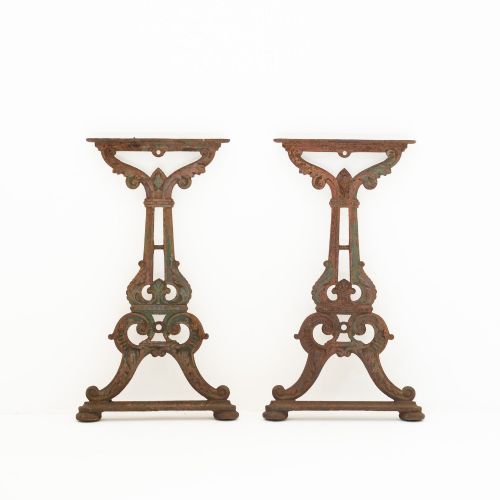
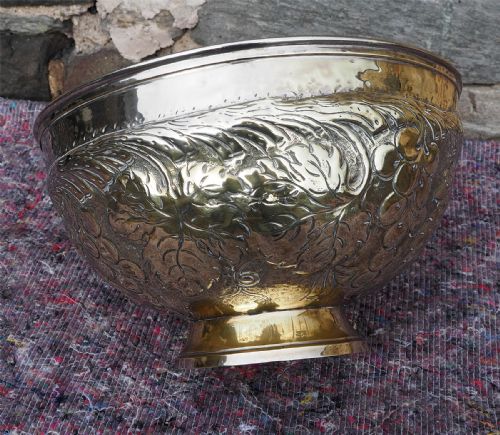
These heavy metal table selections range from robust cast iron bases to intricate brass boxes, offering sturdy utility and striking period presence.
Heavy Metal Table
When you search for heavy metal table items, you encounter a diverse collection spanning garden dining sets, Victorian table bases, and decorative furnishings created from durable materials.
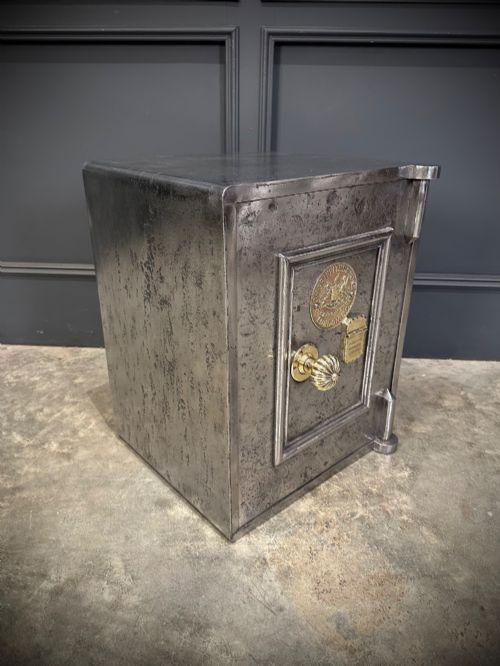
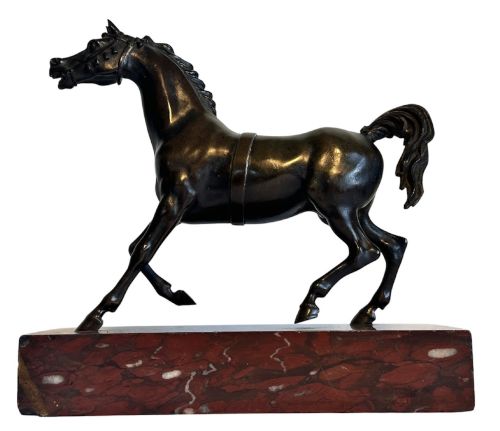
The selections on this page predominantly feature 19th-century cast iron and brass pieces, alongside bronze sculptures and silver-plated accessories that serve functional or decorative roles.
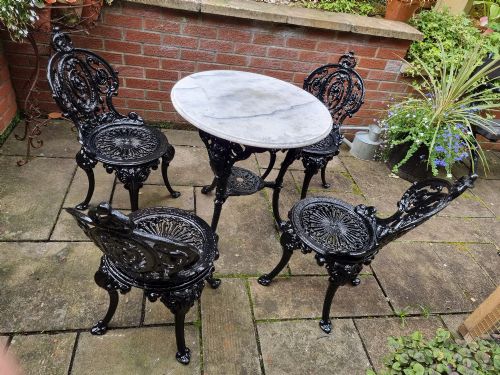
From garden sets dated to 1930 and Victorian cast iron table bases to early 18th-century brass tobacco boxes, these items combine substantial weight with distinct period styles such as Rococo Revival, Neoclassical, and Indian Colonial.
Materials and construction methods
These pieces rely heavily on cast iron, bronze, and brass, often paired with secondary elements like marble bases or teak components to add structural contrast and visual interest.
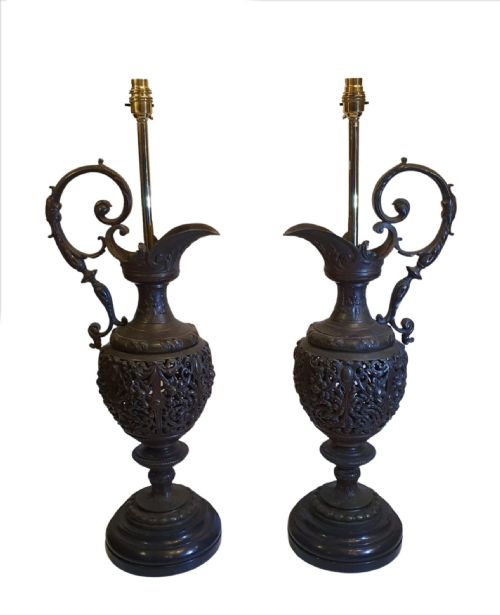
Techniques range from robust sand casting used for garden sets and table bases to detailed bronze casting and silver plating for lamps, ewers, and chargers.
Heavy Metal Table Retail Price Guide 2026
Typical asking prices for heavy metal table among the pieces listed under this phrase on Sellingantiques today, from the lower quarter to the upper quarter. They describe what is for sale here now, not the wider market.
The listings span from the early 18th century through the 1930s, showcasing materials like cast iron, bronze, brass, and silver plate.
Factors that distinguish quality
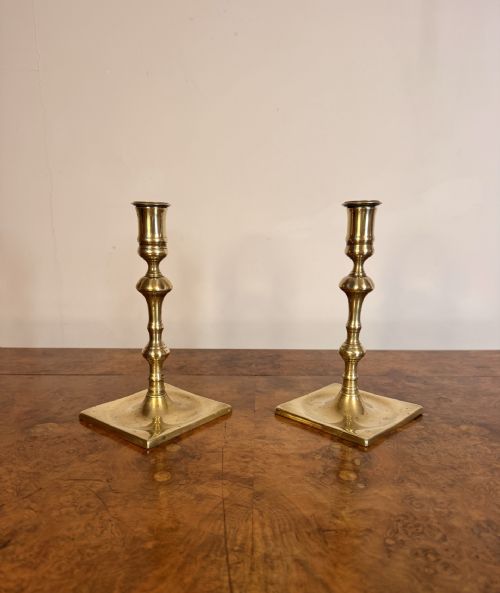
Quality in these heavy metal objects rests on the crispness of the casting detail, particularly in figural bronze sculptures and decorative brass candlesticks.
The integrity of the metal gauge, the preservation of original silver plating, and the successful integration of converted items like bronze ewers into table lamps define the upper tier of the range.
Frederic Remington
The Heavy Metal Table Glossary
- Cast iron
- A strong, heavy iron-carbon alloy poured into moulds to create durable garden furniture and structural table bases. It provides immense weight and rigidity.
- Bronze
- A copper alloy traditionally used for sculptural works and decorative objects, valued for its ability to hold fine detail during the casting process.
- Silver plate
- A thin layer of silver applied to a base metal object, such as chargers, punch bowls, or table lamps, to give the appearance of solid silver.
- Ewer
- A large pitcher or jug with a wide spout, historically used for water but occasionally converted into decorative table lamps in later periods.
- Charger plate
- A large ornamental plate placed under other dinnerware during formal occasions, often fashioned from heavy silver-plated metal.
Heavy Metal Table: Frequently Asked Questions
What defines a heavy metal table base?
A heavy metal table base typically utilises robust cast iron or similar durable alloys to provide stable, weight-bearing support for dining or display surfaces. These pieces often date from the Victorian era and reflect period design motifs.
Such bases are engineered to endure heavy use, making them popular for both indoor furniture configurations and garden dining sets.
How are antique brass candlesticks dated?
Dating antique brass candlesticks involves examining the manufacturing technique, casting seam visibility, and stylistic details associated with periods like the late 19th century. Heavier gauge metal and specific patination offer further clues.
Makers often left subtle casting marks or used construction methods characteristic of their decade, helping collectors distinguish between Victorian productions and later reproductions.
Can converted lamps be restored?
Converted items, such as 19th-century bronze ewers turned into table lamps, retain their original metal bodies while housing modern electrical wiring. Restoration usually focuses on preserving the patinated bronze rather than reversing the conversion.
Collectors generally value the historical dual-use nature of these objects, provided the adaptation respects the integrity of the primary metalwork.
Where should cast iron garden sets be placed?
Cast iron garden dining sets and tables require stable, level ground due to their substantial weight. Placing them on paved patios or firm lawns prevents settling.
While built to withstand outdoor environments, monitoring for weathering helps preserve the painted or natural cast iron surface over time.