



Heavy Metal Lion
These heavy metal lion pieces bring architectural weight to a room, serving as robust doorstops, censers, and fireside accessories shaped from cast iron, brass, and bronze.
Heavy Metal Lion
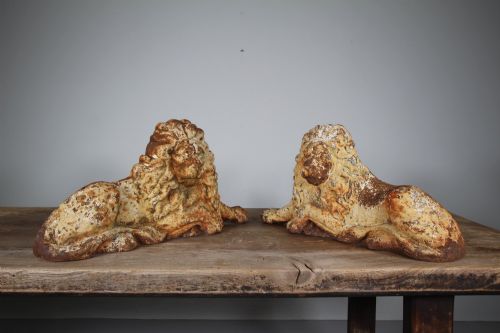
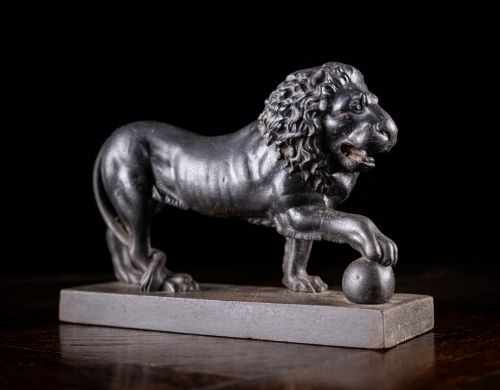
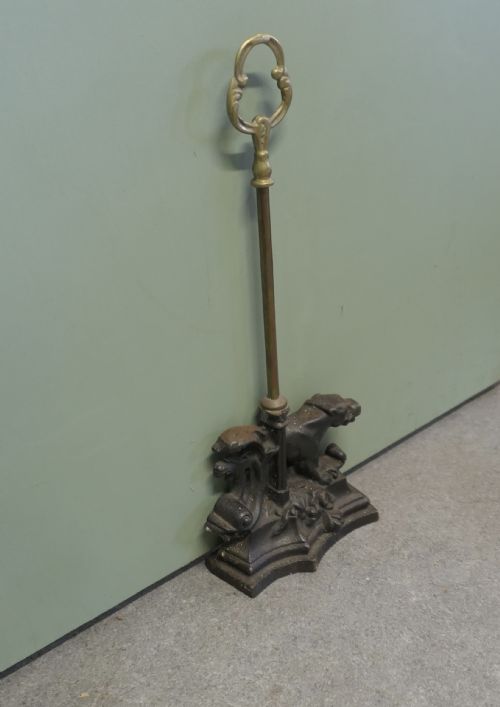
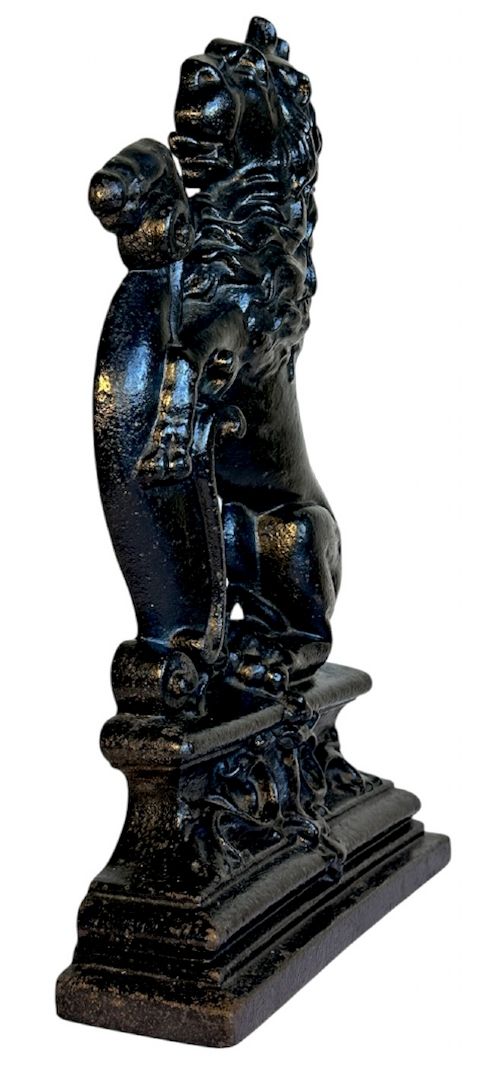
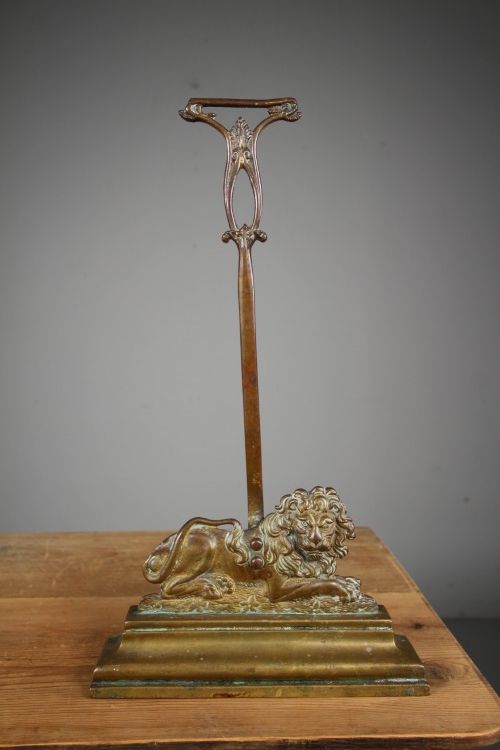
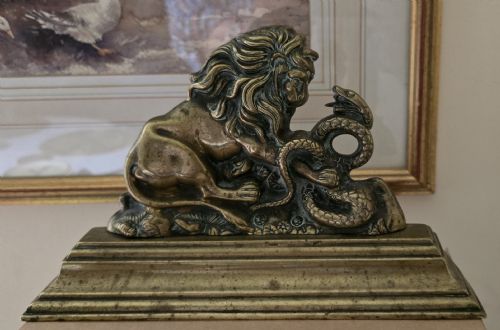
A heavy metal lion search uncovers functional and decorative objects cast from iron, brass, and bronze, dominated by nineteenth-century Victorian door stops and porters. These pieces take the form of rampant beasts, recumbent figures, and fierce lion-mask motifs designed to hold doors or adorn hearths.
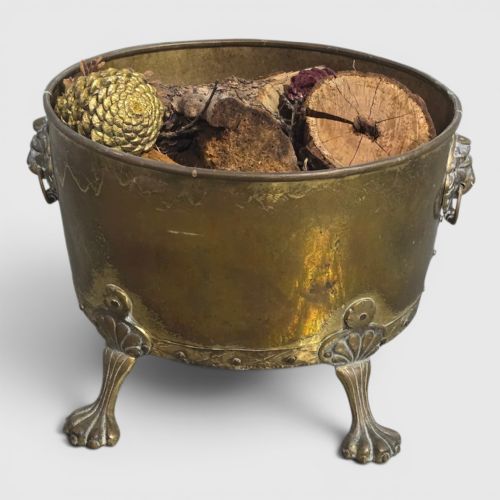
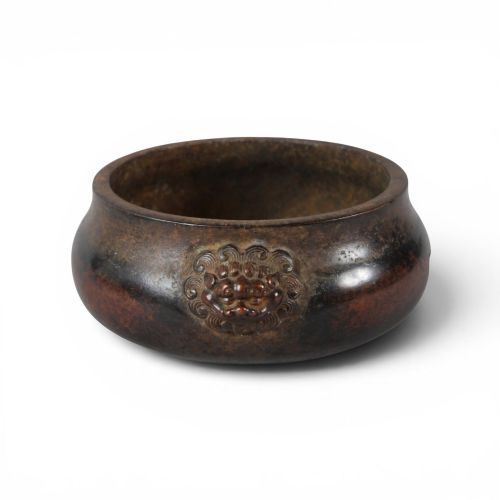
Beyond domestic doorstops, the selections extend to scholarly bronze censers, log bins, and fireplace accessories spanning centuries from Ming Dynasty examples to early twentieth-century bookends. The most frequent encounters on this page are sturdy cast iron and brass lion porters from the Victorian era.
The objects serve dual purposes of utility and display, combining utilitarian heft with heraldic symbolism. Whether standing as a pair of guard lions or functioning as a weighted door keeper, each piece reflects the industrial and decorative metalworking of its period.
Qualities that separate examples
Age and originality separate standard production items from masterworks, with period patination and untouched surface finishes holding greater appeal for collectors. The articulation of the pose, whether a naturalistic recumbent lion or a heraldic rampant stance, dictates the artistic merit of the piece.
Heavy Metal Lion Retail Price Guide 2026
Typical asking prices for heavy metal lion among the pieces listed under this phrase on Sellingantiques today, from the lower quarter to the upper quarter. They describe what is for sale here now, not the wider market.
Listings feature items cast in iron, brass, and bronze, spanning from the seventeenth century through the twentieth century.
C Omin
The Heavy Metal Lion Glossary
- Door porter
- A heavy weighted object designed to keep internal doors open, frequently cast as a lion or figural handle. These items rely on substantial mass to resist shifting in draughty hallways.
- Rampant
- A heraldic posture where an animal stands on one hind leg with forelegs raised in combat. This stance appears frequently on cast iron doorstops and armorial crests.
- Recumbent
- A sculptural pose depicting an animal lying down while remaining alert. Pairs of recumbent lions often flank hearths or double as door porters.
- Gui
- An ancient ritual bronze vessel form used for grain offerings, adapted in later periods with lion-mask ornamentation. These heavy bronze pieces demonstrate high technical proficiency.
Heavy Metal Lion: Frequently Asked Questions
What is a heavy metal lion door porter?
A door porter is a heavy metal weight designed to keep interior doors propped open, utilising the mass of cast iron or brass to hold position.
Lion figures were a popular motif for these items, combining practical utility with decorative Victorian heraldry.
How do I date a cast iron lion?
Dating relies on examining the casting quality, surface wear, and stylistic markers associated with Victorian, Regency, or earlier periods.
Heavier unrefined ironwork and period-appropriate paint finishes often point towards nineteenth-century production.
Where were bronze lion censers used?
Bronze censers with lion-mask handles were traditionally utilised by scholars for burning incense during writing or contemplation.
These heavy ritual vessels formed part of the scholar's desk assemblage in Asian decorative arts.
How do I care for antique brass and iron?
Maintenance involves keeping the metal dry and dusting the surface gently to preserve the natural historic patina.
Aggressive cleaning should be avoided to protect the original finish and surface character of the piece.