

Heavy Door Porter
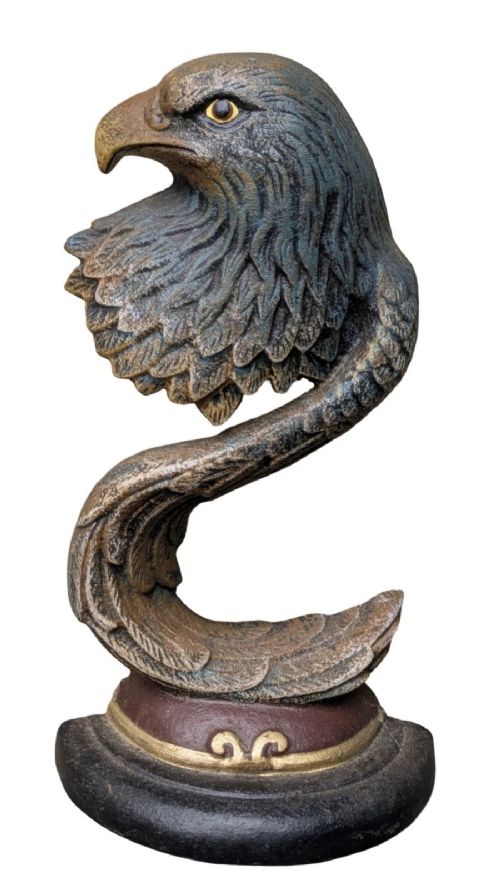
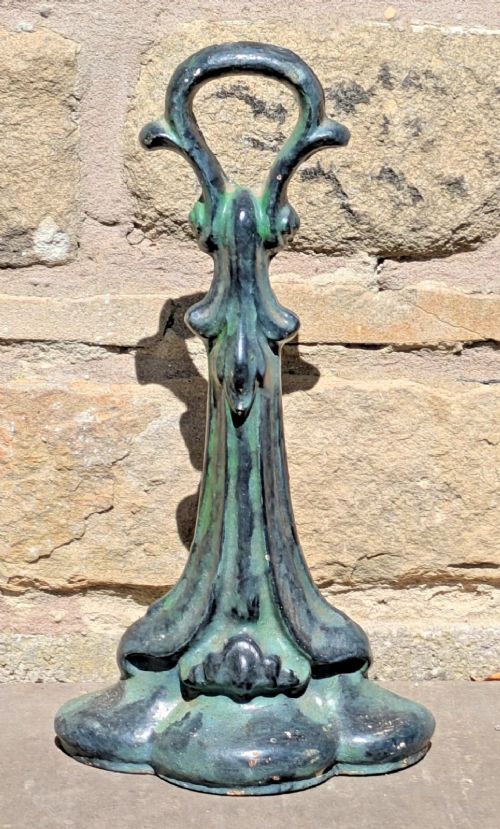
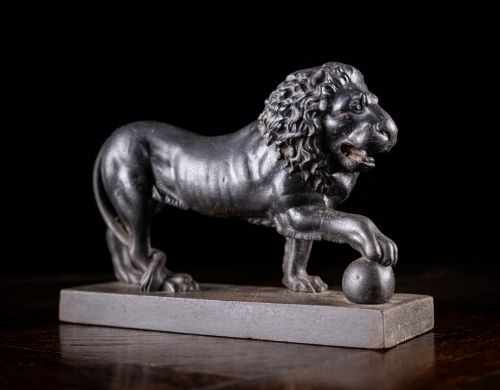
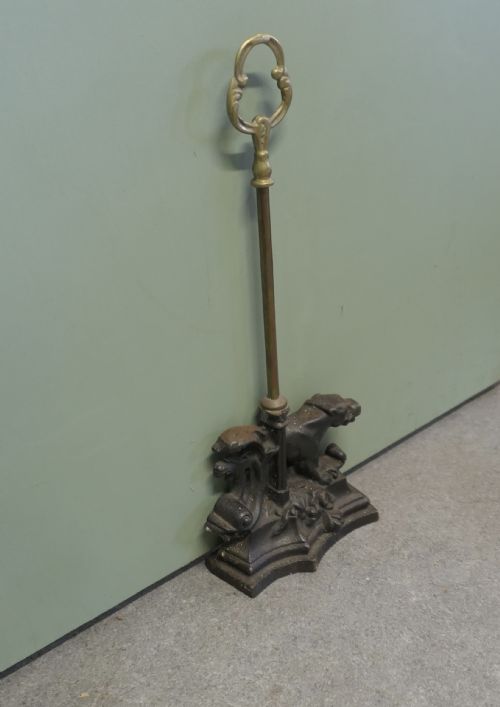
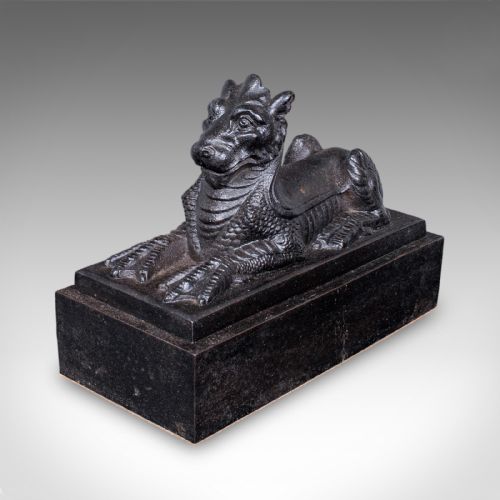
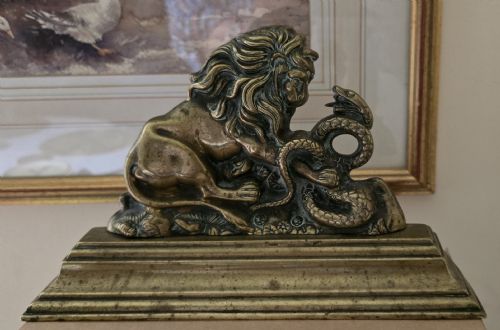
A heavy door porter keeps a room open against a draught, taking the form of cast metal lions, soldiers, and mythical beasts.
Heavy Door Porter
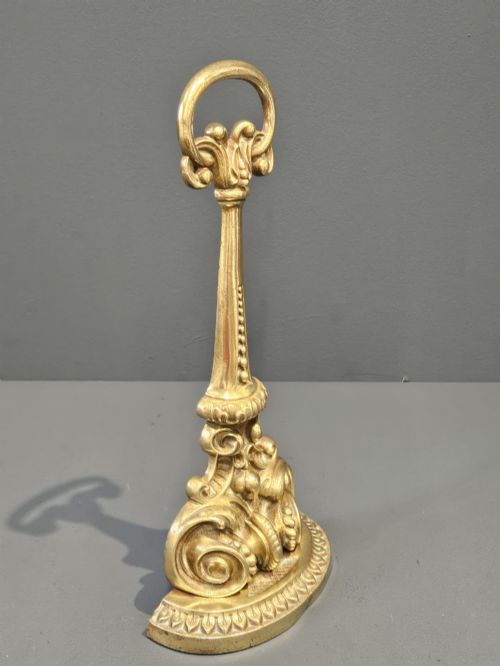
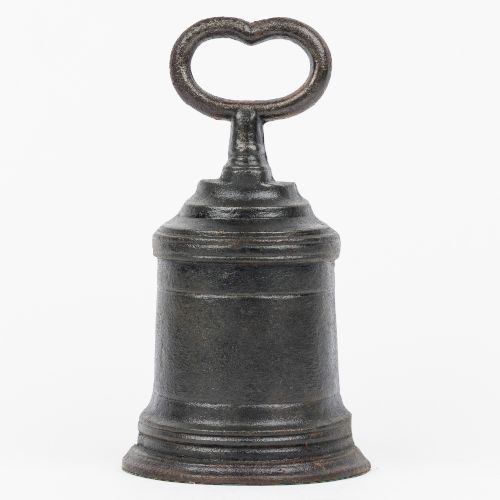
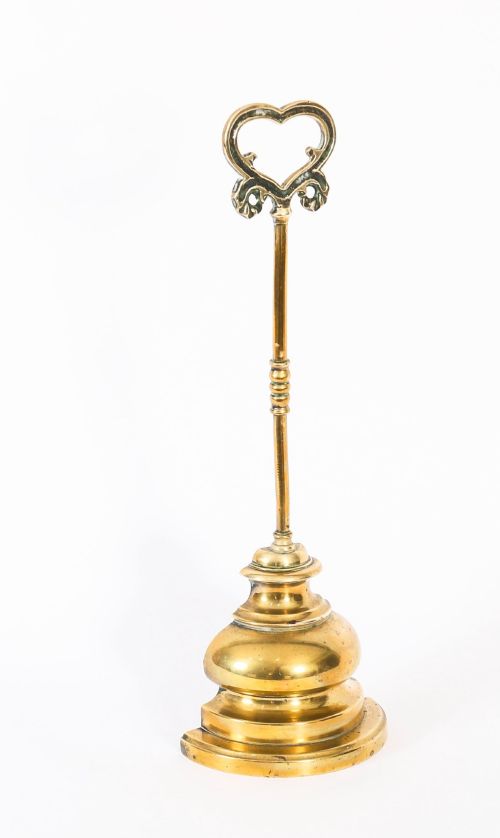
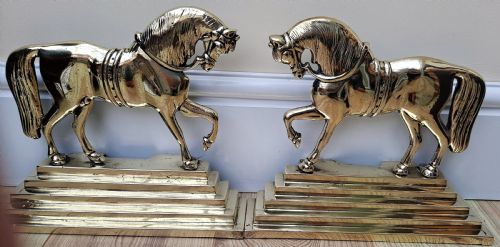
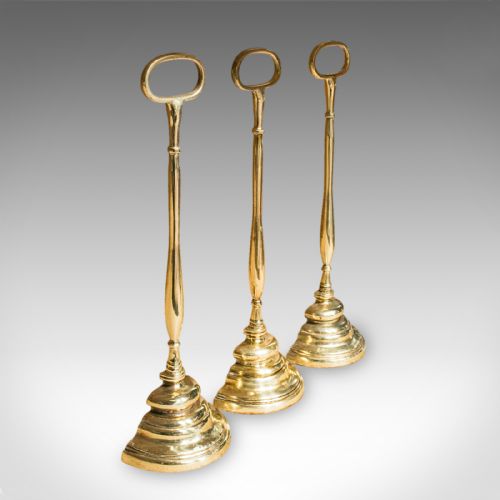
A heavy door porter is a functional piece designed to hold doors open, commonly found in iron, brass, and bronze across this selection. These items emerge primarily from the Victorian, Georgian, Regency, and Edwardian periods.
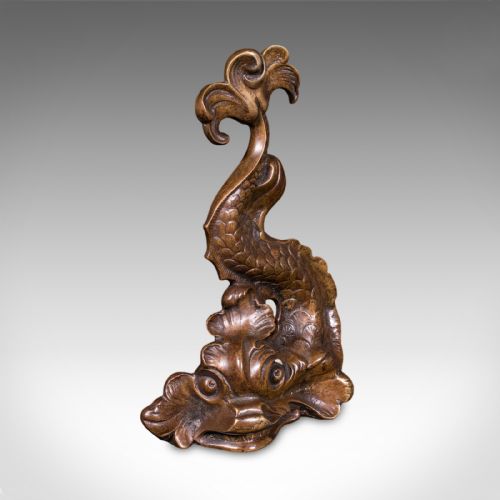
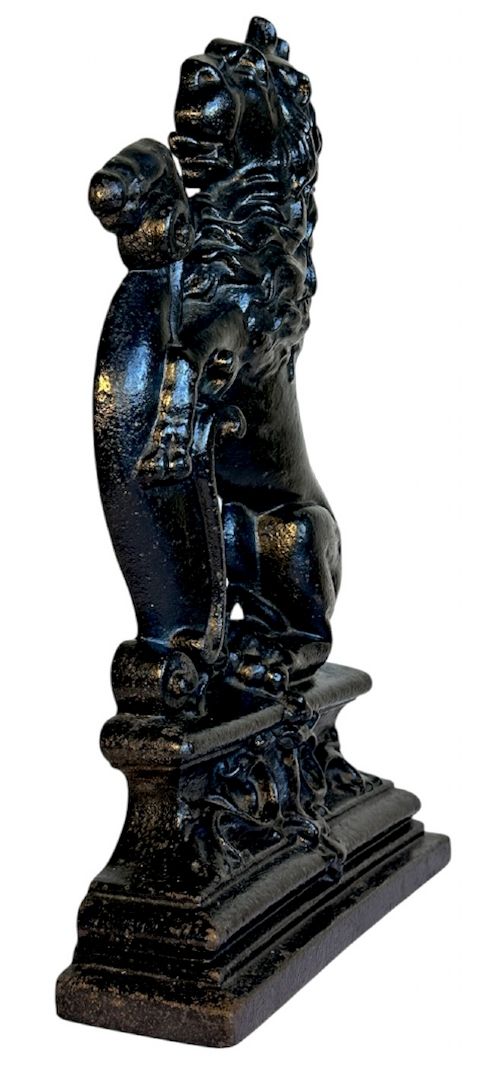
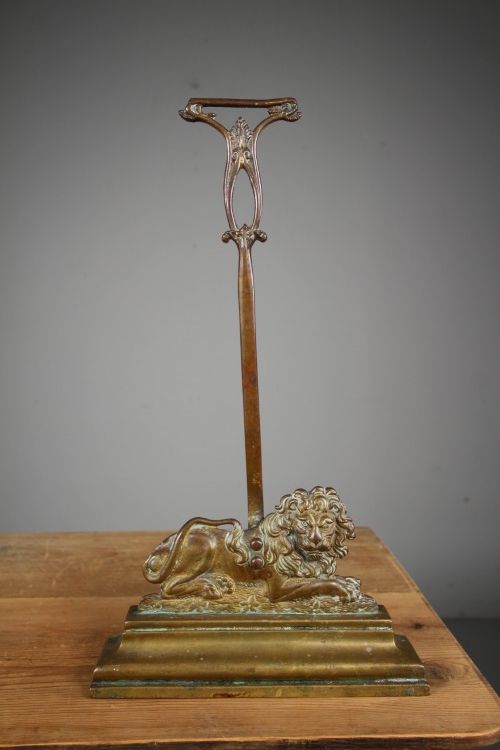
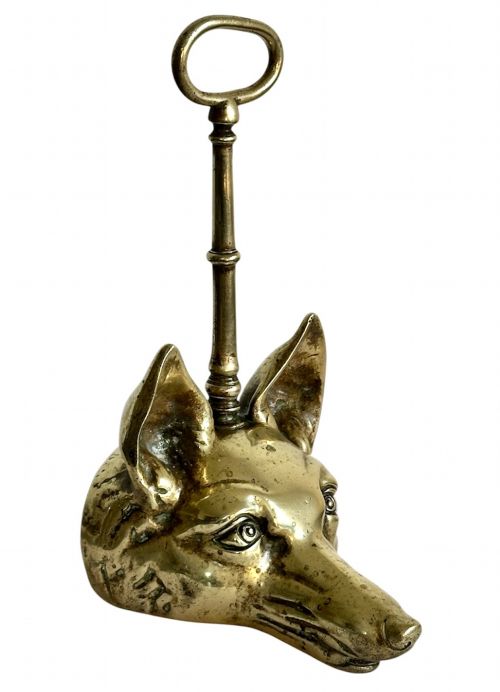
The versions most frequently met on this page include cast iron and brass lions, dolphins, and figures such as Mr Punch or soldiers. Makers such as Archibald Kenrick & Sons and Tonks produced notable examples in these materials.
Materials and Techniques
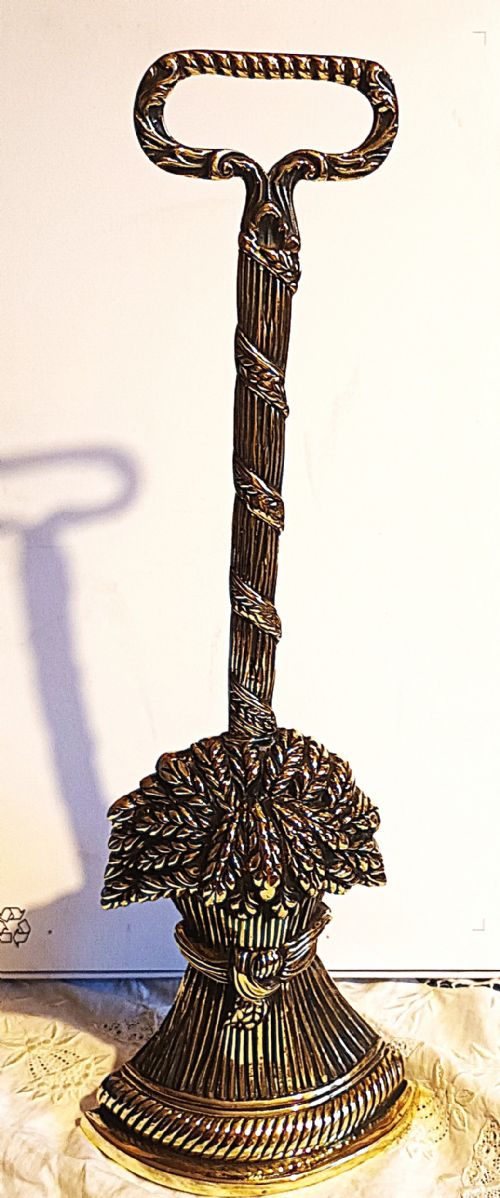
Foundries utilised casting techniques in iron, brass, and bronze to produce these substantial items, often incorporating lead to add the necessary weight for holding open heavy doors. Paint and gilt bronze finishes frequently enhanced the surface appearance of the metalwork.
Moulds captured intricate details for figurative subjects like sphinxes, cherubs, and animals, resulting in solid and durable objects meant for daily domestic use.
Heavy Door Porter Retail Price Guide 2026
Typical asking prices for heavy door porter among the pieces listed under this phrase on Sellingantiques today, from the lower quarter to the upper quarter. They describe what is for sale here now, not the wider market.
Several Victorian households relied on cast iron Mr Punch figures to keep their drawing room doors properly aligned.
Evaluating the Metalwork
Original surface treatments, such as early painted finishes or natural patination on bronze and brass, separate pieces retaining their untouched character from those with later alterations.
Archibald Kenrick & Sons·Tonks·William Tonks
The Heavy Door Porter Glossary
- Door porter
- A heavy weight placed on the floor to keep a door stationary. Also referred to in listings as a doorstop or door keeper.
- Cast brass
- An alloy melted and poured into a mould to form decorative shapes. It yields a bright metallic surface that develops a deeper tone over time.
- Cast iron
- A strong, heavy iron-carbon alloy poured into moulds. It provides the essential mass required for keeping doors ajar.
- Gilt bronze
- Bronze treated with a layer of gold. This finish gives a rich, reflective surface found on select Regency and Victorian pieces.
Heavy Door Porter: Frequently Asked Questions
What is a heavy door porter?
A heavy door porter is a portable floor weight designed to keep interior doors from swinging shut. They combine utility with decorative metalwork.
These pieces sit on the floor near the base of a door, using mass to hold the panel in a fixed position.
How were they used?
Households placed them in hallways and reception rooms to manage draughts and keep doors open during the day. Their substantial weight kept them firmly in place.
Servants moved them from room to room as ventilation needs changed throughout the house.
How do I live with one?
Place the object directly on the floor beside the door swing where it remains easily accessible by foot or hand. Ensure the heavy metal base does not strike skirting boards too forcefully.
Maintain the surface by dusting regularly and avoiding harsh chemical cleaners that strip patination from brass or iron.
How do I tell periods apart?
Regency and Georgian examples often incorporate neoclassical motifs like dolphins or sphinxes in brass and bronze. Victorian pieces frequently feature cast iron lions, soldiers, and literary characters like Mr Punch.
Edwardian items introduce varied figural designs, while material choices shift from early bronze and heavy brass toward mass-produced cast iron.