




Heavy Copper Basin
A heavy copper basin offers industrial weight and warm metal tones, serving practical domestic uses or acting as a striking decorative vessel.
Heavy Copper Basin
A heavy copper basin search typically leads to robust utilitarian vessels spanning the Georgian, Victorian, and Art Deco periods. These pieces originate from domestic, agricultural, and culinary contexts across England and France.
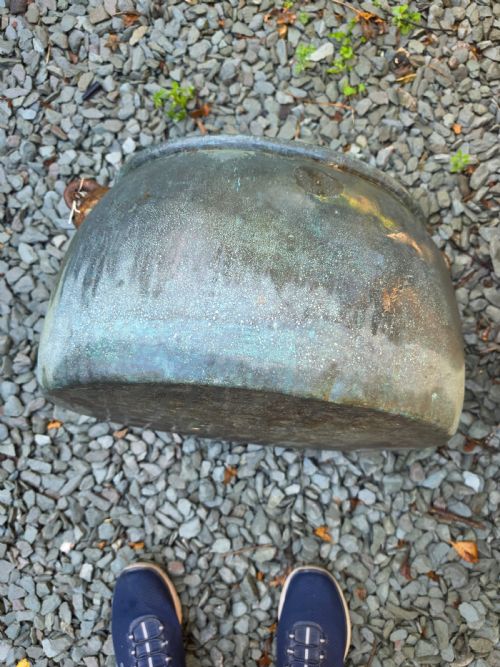
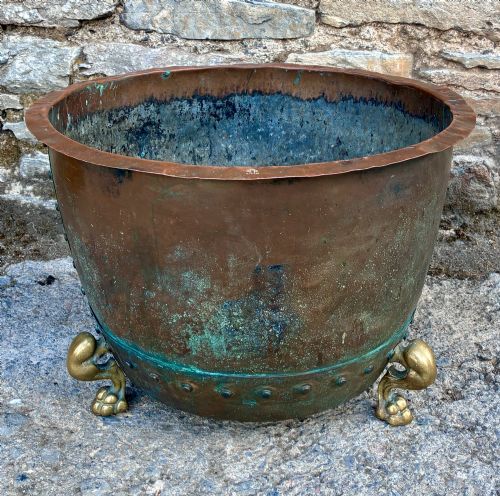
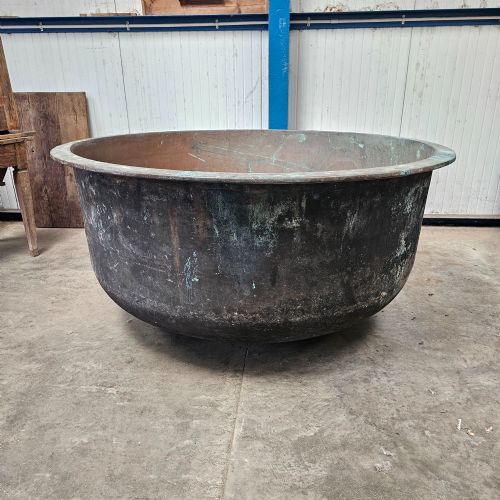
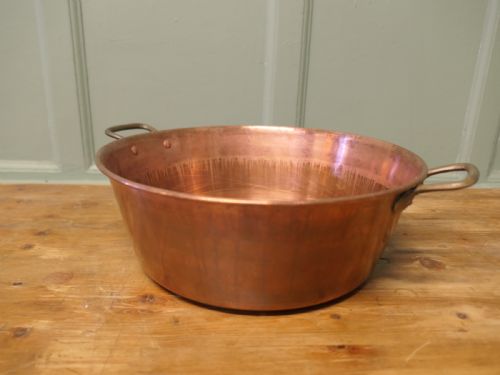
The selections on this page appear as preserve pans, cheese vats, log bins, cauldrons, and cream setting pans. Their forms reflect heavy-duty kitchenware and farm equipment repurposed over time for modern display or planting.
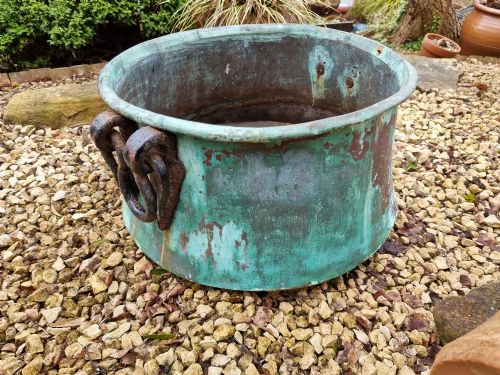
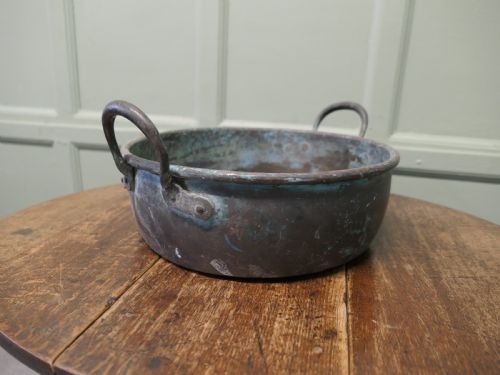
Buyers will encounter items constructed primarily from heavy-gauge sheet or cast metal, often featuring iron, brass, or wrought iron handles. Many show the distinctive patination of verdigris or age-darkened surfaces from decades of practical utility.
Factors that distinguish individual examples
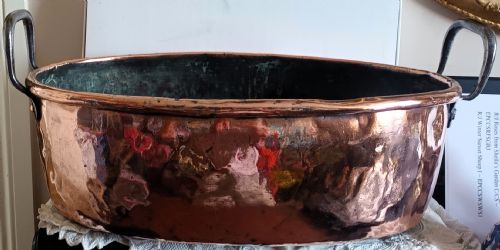
Gauge thickness and structural integrity set superior examples apart from standard utility vessels. Thicker metal walls maintain their form better under pressure and take a deeper, more uniform metallic lustre.
The hand-riveting technique and the quality of applied handles indicate the original tier of manufacture. Pieces bearing maker stamps or specific regional marks from English or French workshops command greater interest.
Heavy Copper Basin Retail Price Guide 2026
Typical asking prices for heavy copper basin among the pieces listed under this phrase on Sellingantiques today, from the lower quarter to the upper quarter. They describe what is for sale here now, not the wider market.
Some heavy copper basins started life holding French cheese or morning cream before ending up as posh umbrella stands by the fireplace.
Hodges & Sons
The Heavy Copper Basin Glossary
- Verdigris
- A green patina that forms naturally on copper surfaces through atmospheric oxidation over long periods. This chemical layer often signals genuine age and exposure to moisture.
- Dinanderie
- An old term for European decorative brass and copperware objects, particularly those produced in Belgium and France. The technique involves heavy hammering and shaping of base metals.
- Cream setting pan
- A wide, shallow vessel historically used in dairies to allow cream to rise to the top of milk. These feature broad rims and generous diameters for maximum surface area.
- Preserving pan
- A deep circular cooking vessel designed for boiling fruit and sugar. They typically incorporate solid handles for lifting heavy loads of boiling jam.
Heavy Copper Basin: Frequently Asked Questions
How were these heavy copper vessels originally used?
These vessels served demanding roles in domestic kitchens, dairies, and agricultural settings. They boiled preserves, heated milk for cheese and cream, or held grain and fuel.
Over generations, their robust construction made them suitable for hearthside storage and heavy washing tasks before retirement into decorative roles.
Can I use an antique copper basin for cooking today?
Many surviving pans retain original tin linings, while others have worn down to bare copper over centuries of scrubbing. You must check the interior condition before preparing food.
Unlined copper requires careful maintenance and reacts with acidic ingredients, leading many modern owners to use them strictly for dry storage or display.
How do I clean verdigris off a copper basin?
Verdigris represents natural oxidation and many collectors prefer to leave this turquoise crust undisturbed as proof of age. Scrubbing removes the historical surface character.
If you prefer a bright metal finish, gentle non-abrasive cleaners will lift the green deposits without scratching the heavy gauge sheet underneath.
How do I tell a Georgian copper pan from a Victorian one?
Georgian pieces often display hand-beaten paddle marks and simpler, heavier iron or bronze handle attachments shaped by early smiths. Their proportions tend toward utilitarian simplicity.
Victorian and later examples frequently show more standardised industrial riveting patterns and sometimes bear maker stamps or capacity numbers stamped into the rim.