

Heavy Cast Weight
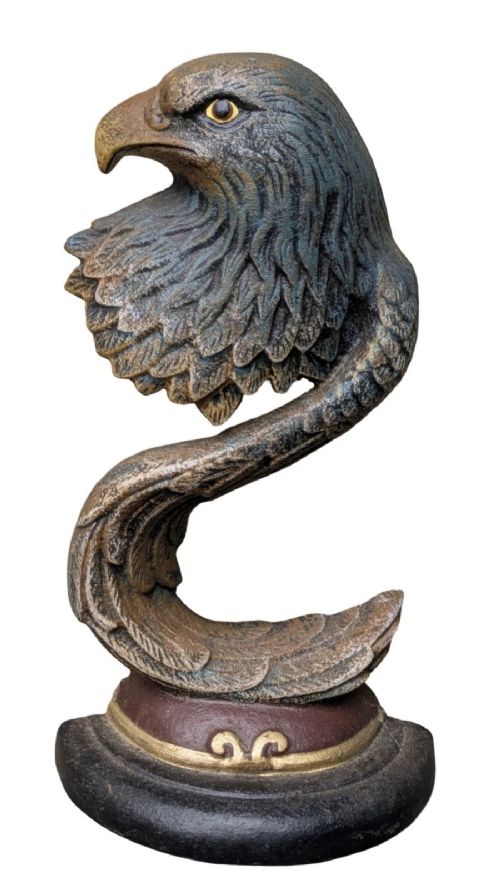
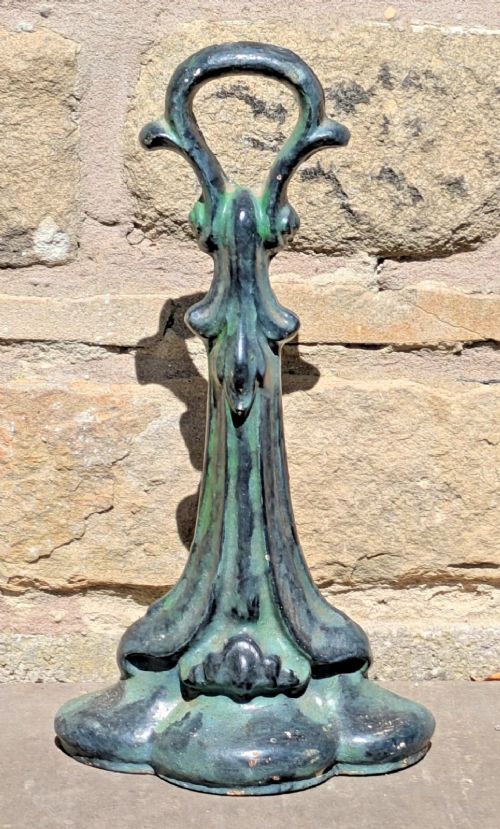
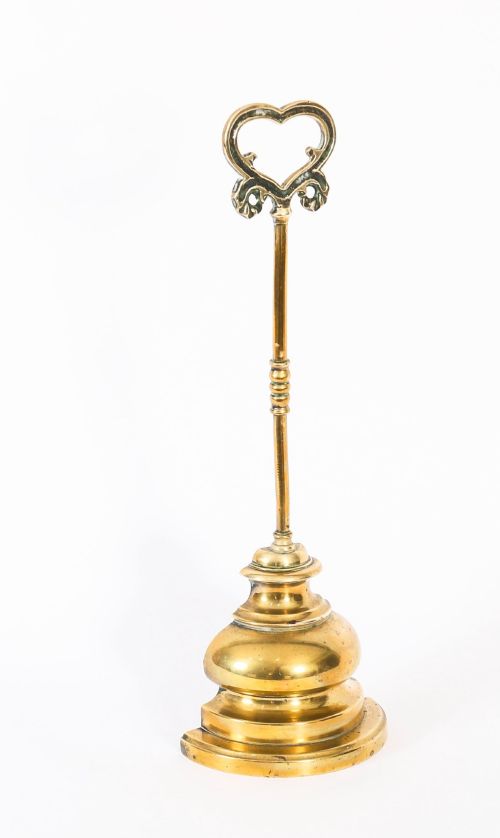
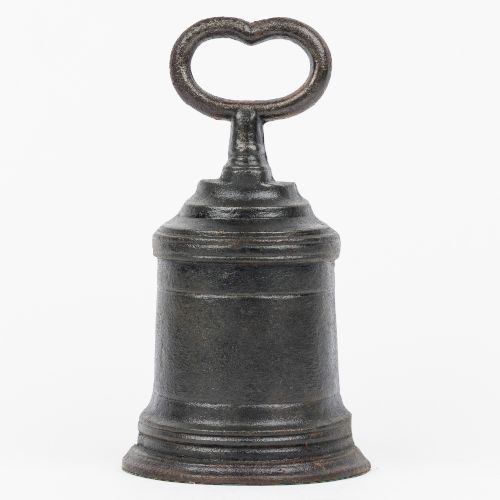
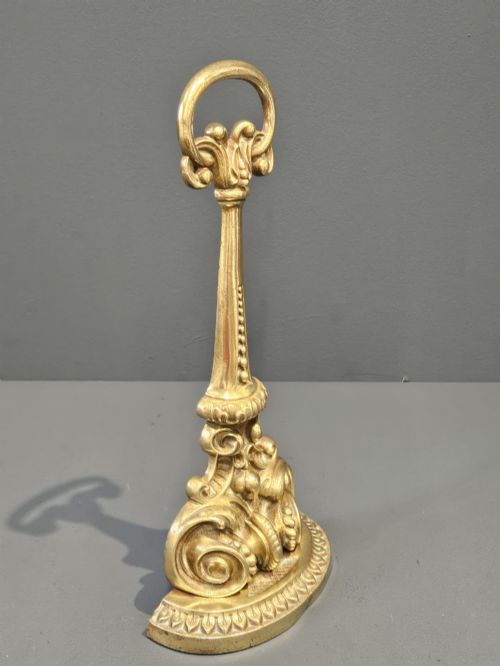
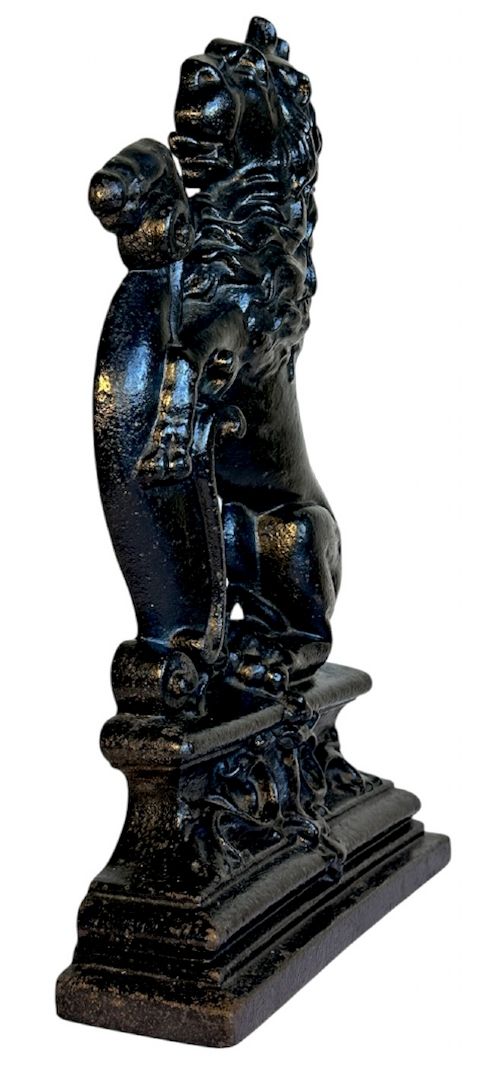
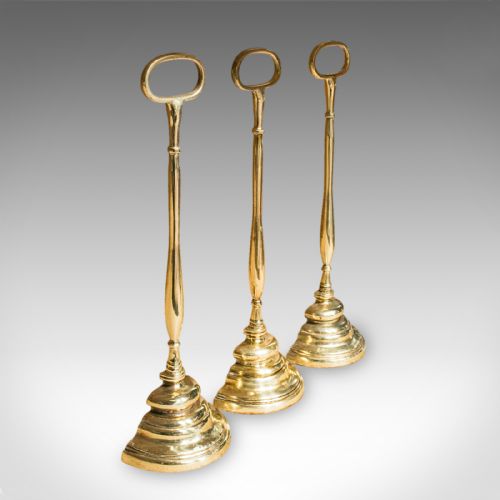
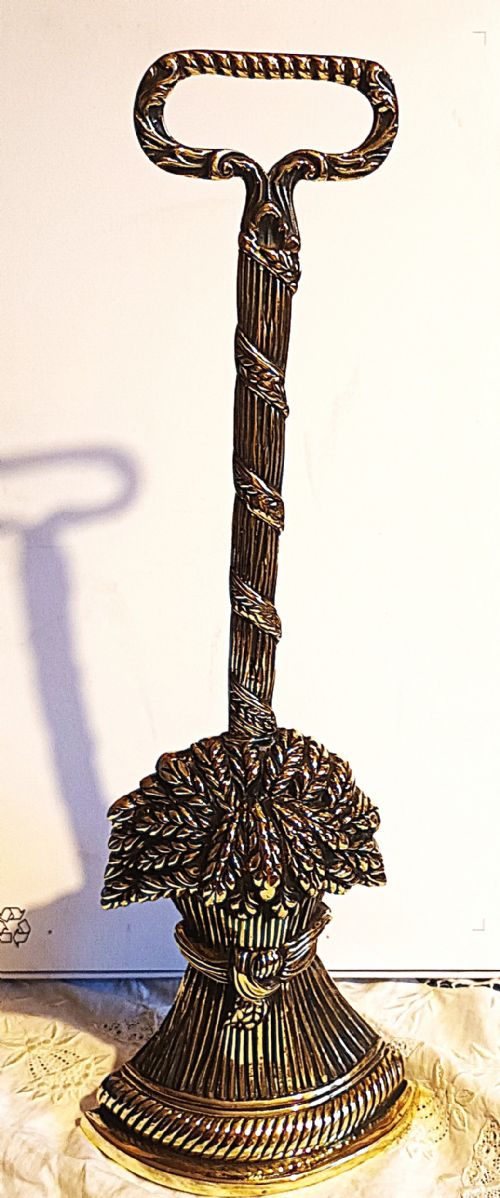
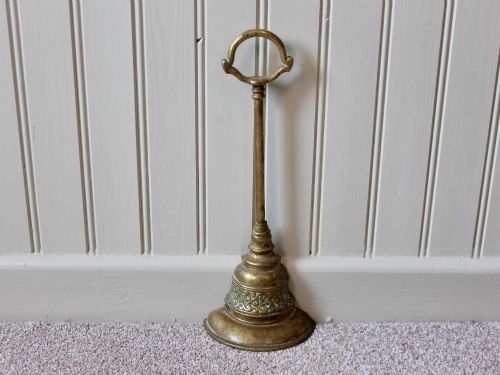
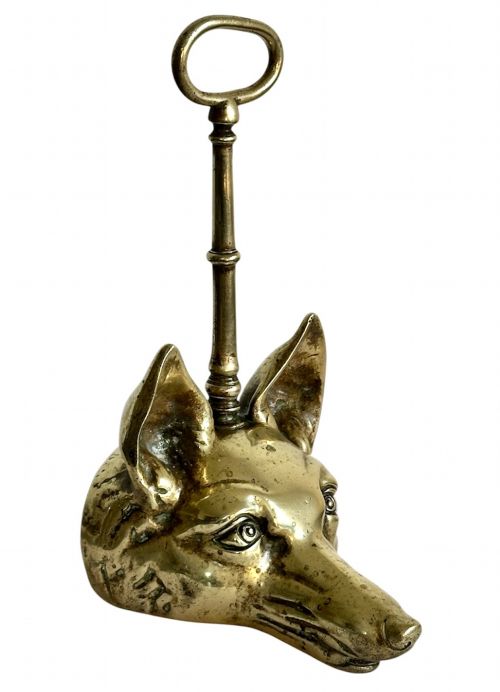
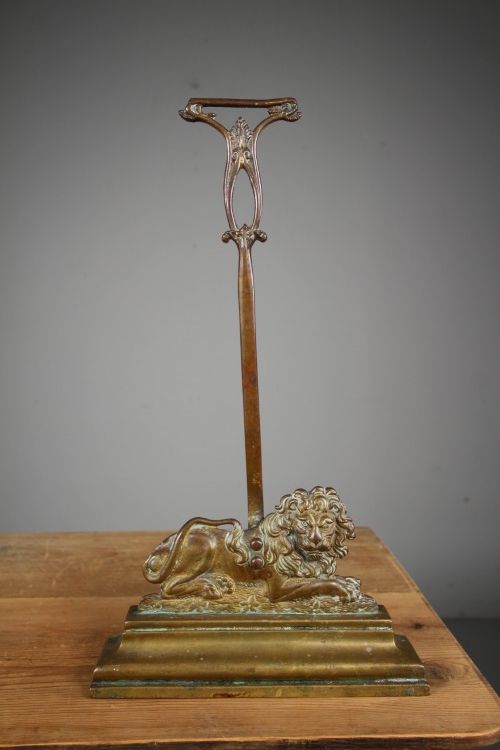
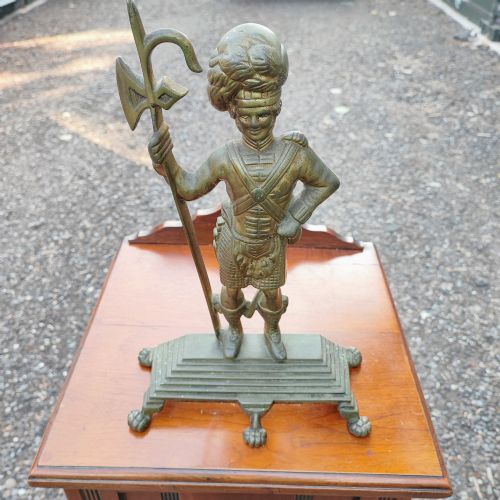
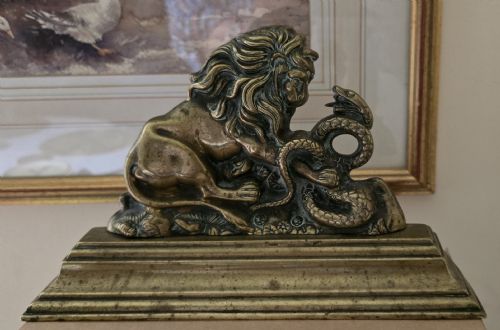
These heavy cast weight pieces are solid metal doorstops and porters designed to keep heavy interior doors propped open.
Heavy Cast Weight
A heavy cast weight most commonly takes the form of a doorstop or door porter, manufactured to hold doors steady in hallways and rooms. These items arrive in various figural and decorative designs, serving a practical purpose while adding weight and structure to domestic spaces.
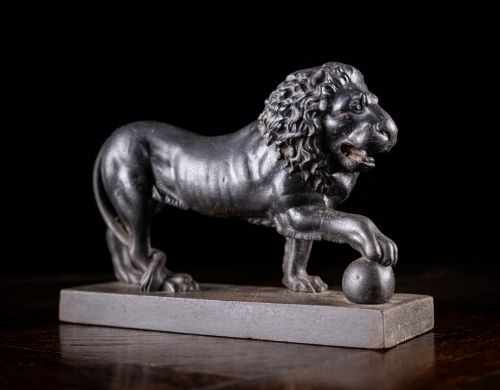
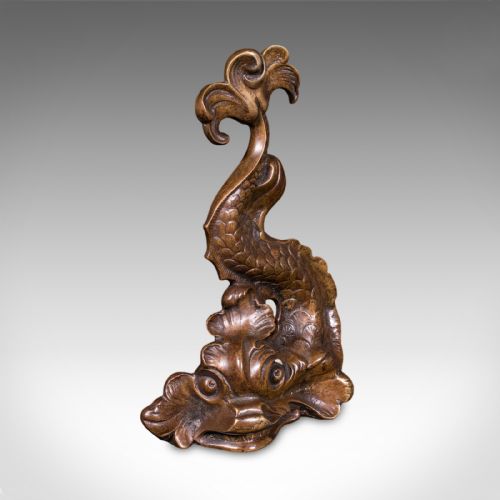
The selections span several eras, with Victorian, 19th Century, and Edwardian examples appearing frequently alongside earlier Georgian and Regency pieces. Buyers will encounter both cast iron and brass versions shaped as lions, horses, dolphins, and characters like Mr Punch.
Beyond door furniture, the category occasionally includes paperweights cast in iron, maintaining the same dense metal construction. These objects originate predominantly from English workshops, with occasional Dutch examples recorded in brass.
How they were made
Makers utilised molten metal poured into sand moulds to create these heavy cast weight objects, capturing sharp details in iron, brass, and bronze. Cast iron provides a dense, utilitarian mass, whilst brass and bronze offer a brighter surface finish that makers often polished or detailed with paint.
Surface treatments vary from plain patinated metal to painted finishes on cast iron pieces like Lord Nelson or Mr Punch figures. Gilt bronze and lead also appear in specific iterations, contributing to the substantial heft required to hold doors against draughts.
Heavy Cast Weight Retail Price Guide 2026
Typical asking prices for heavy cast weight among the pieces listed under this phrase on Sellingantiques today, from the lower quarter to the upper quarter. They describe what is for sale here now, not the wider market.
Listings for heavy cast weight objects span the Georgian, Regency, Victorian, and Edwardian periods, utilising cast iron, brass, and bronze.
What varies in quality
Originality of surface finish dictates much of the appeal, separating pieces retaining their early paint or untouched metal patina from those subjected to later stripping or repainting. Heavier gauge metal and maker attribution further separate standard utility items from notable foundry productions.
Archibald Kenrick & Sons·Tonks·William Tonks
The Heavy Cast Weight Glossary
- Cast iron
- An iron-carbon alloy poured into moulds to create hard, rigid, and exceptionally heavy objects. It forms the base material for many Victorian doorstops and paperweights.
- Brass
- A copper and zinc alloy valued for its bright golden appearance and resistance to corrosion. It is common in Regency and Victorian door furniture.
- Bronze
- An alloy consisting primarily of copper combined with tin, offering a deep, durable metallic body. It appears in high-status figural doorstops and mythological subjects.
- Egyptian Revival
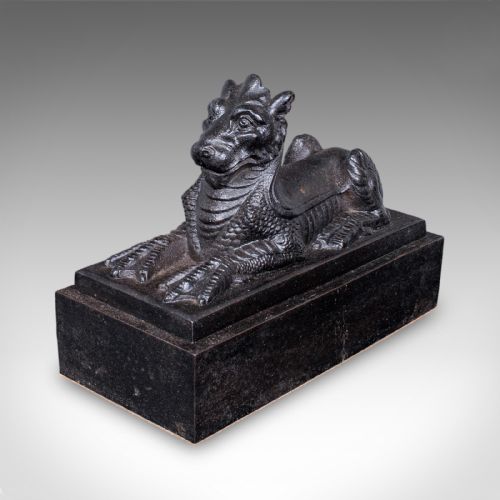
- A nineteenth-century design style incorporating motifs from ancient Egypt such as sphinxes and pharaohs. This aesthetic influenced various cast iron and brass doorstops.
Heavy Cast Weight: Frequently Asked Questions
What is a heavy cast weight?
A heavy cast weight is a dense metal object, typically formed as a doorstop or door porter, designed to hold doors open against draughts. These pieces utilise the natural weight of iron or brass to remain stationary on floors.
They appear in domestic interiors as both functional items and decorative sculptures, taking shapes from animals to historical figures.
How were door porters used?
Door porters were positioned against heavy interior doors to prevent them from slamming shut in draughty corridors and rooms. Users lifted them by their integrated handles to move them whenever doors needed to close.
Unlike smaller door wedges, these tall pieces remained upright on the floor near the threshold.
How do I date a cast iron piece?
Dating relies on stylistic clues, mounting techniques, and the specific motifs popular during particular periods like the Regency or Victorian eras. Examining the sharpness of the casting and the wear on the underside provides further clues to age.
Makers' marks or registration numbers stamped into the metal can sometimes pinpoint the exact decade of manufacture.
How do I care for cast iron and brass?
Cast iron requires dry conditions to prevent rust, and occasional light waxing helps protect the surface and original paint finishes. Brass benefits from gentle dusting and minimal interference to preserve the natural aged patina developed over decades.
Harsh metal polishes should be avoided on antique brass to maintain the historical depth of the metal.