





Heavy Bronze Horse
These heavy bronze horse sculptures combine weight and motion, offering collectors powerful studies of equine form in bronze, marble, and brass.
Heavy Bronze Horse
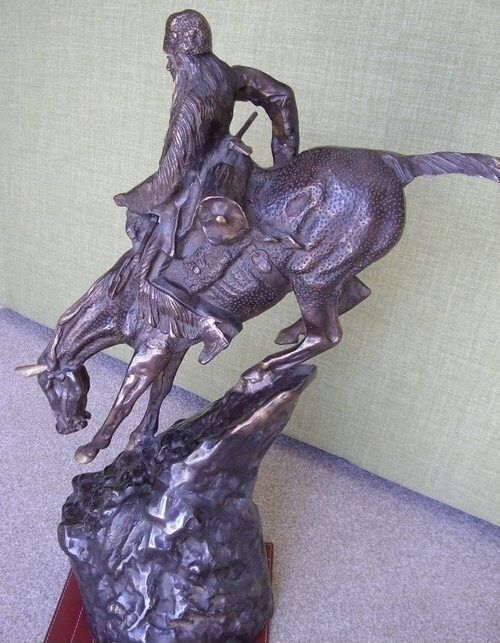
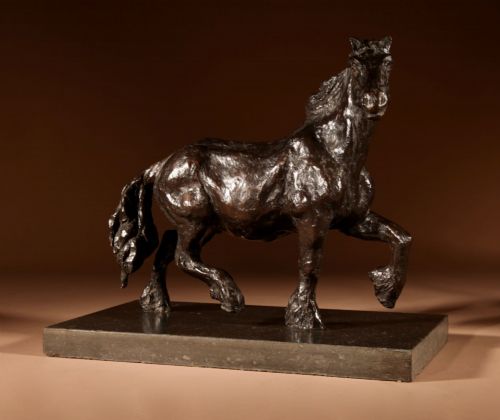
A heavy bronze horse brings sculptural presence into a room, capturing the animal in motion or repose across various artistic traditions. You encounter works ranging from nineteenth-century realism and animalier studies to modernist interpretations and western americana.
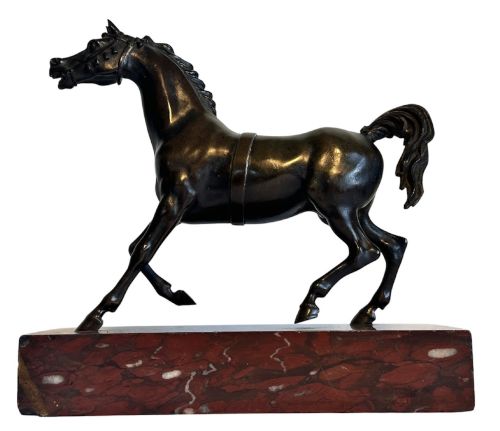
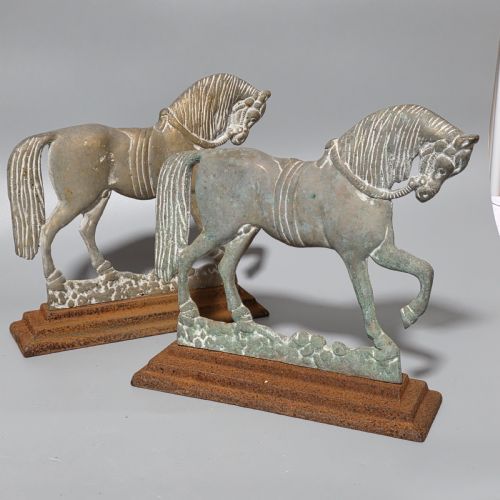
The selections on this page span the nineteenth century through to contemporary equestrian pieces, alongside functional items like cast iron and brass doorstops. Sculptures appear mounted on marble bases or cast as substantial standalone figures created by international makers.
How they were made
These sculptures utilise traditional metal casting methods to shape molten bronze, brass, and cast iron into muscular equine forms. Artisans then finish the metal surfaces through detailed chasing and patination to articulate the texture of the coat and muscle.
Many heavy bronze horse figures are anchored to dense natural supports such as marble or stone bases, adding stability and visual contrast to the metallic compositions.
Heavy Bronze Horse Retail Price Guide 2026
Typical asking prices for heavy bronze horse among the pieces listed under this phrase on Sellingantiques today, from the lower quarter to the upper quarter. They describe what is for sale here now, not the wider market.
Listings feature works from the nineteenth century, the 1920s, and contemporary makers using bronze, marble, stone, brass, and cast iron.
What varies in quality
Quality in a heavy bronze horse rests upon the fidelity of the casting and the sensitivity of the finish. Superior pieces exhibit crisp anatomical definition and deliberate patination that accentuates the musculature and movement of the animal.
The distinction between standard decorative objects and finer works often lies in the precision of the signature, the quality of the founding, and the integration of heavy supporting materials like carved marble bases.
Frederic Remington·Renee Sintenis·Luigi Secchi·E Drouot·Philip Blacker
The Heavy Bronze Horse Glossary
- Animalier
- A nineteenth-century artistic movement focused on the realistic portrayal of animals. Sculptors in this tradition studied anatomy closely to capture creatures in action.
- Patina
- The surface coloration and sheen developed naturally over time or applied chemically by the foundry. It protects the metal and defines the visual depth of the sculpture.
- Cast iron
- An iron-carbon alloy poured into moulds to create heavy items such as doorstops. It provides durability and significant weight for functional pieces.
- Chasing
- The process of refining a metal casting by hand using hammers and punches. This technique restores surface detail lost during the moulding process.
Heavy Bronze Horse: Frequently Asked Questions
How do I display a heavy bronze horse?
Place these substantial sculptures on sturdy furniture like sideboards, desks, or mantelpieces where their weight is fully supported. Ensure the display area allows adequate space to view the piece from multiple angles.
Keep them away from direct heat sources and moisture to protect the metal surface and any attached marble or stone bases.
Are all heavy bronze horse sculptures antique?
The pieces span various periods, including nineteenth-century works, early twentieth-century examples, and contemporary equestrian art. Each listing provides the specific era or approximate date associated with the object.
Checking the stylistic cues and founding techniques helps determine whether a piece originates from the nineteenth century or later decades.
What is an animalier bronze horse?
Animalier refers to a nineteenth-century genre dedicated to realistic animal sculpture. These works focus on anatomical accuracy and dynamic movement.
Artists in this tradition observed horses in motion to render their musculature and spirit with precision.
How do I care for bronze and marble?
Dust the bronze and marble surfaces regularly with a soft, dry cloth to prevent grime accumulation. Avoid using chemical cleaners or abrasive polishes that can damage the patina.
Applying a microcrystalline wax occasionally can help preserve the metal finish on older bronzes.