





Heavy Brass Ornament
These heavy brass ornament pieces bring substantial weight and tactile presence to a room, ranging from doorstops to desk statues.
Heavy Brass Ornament
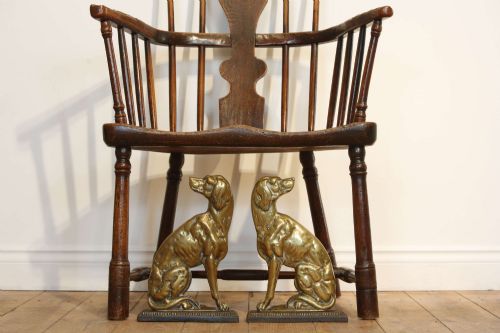
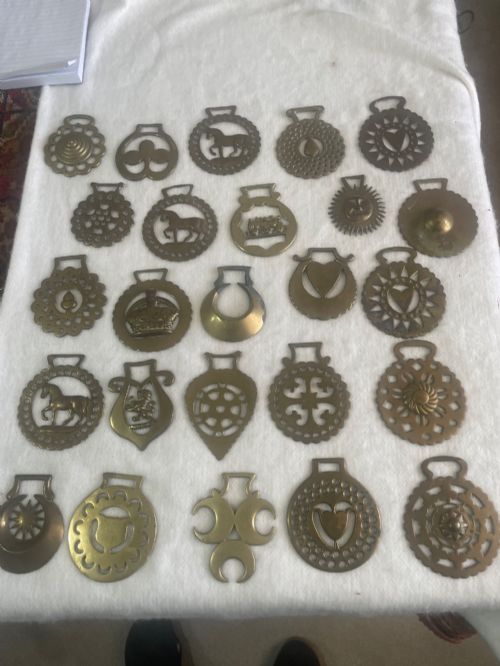
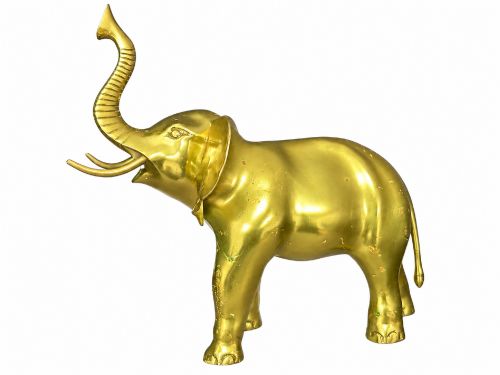
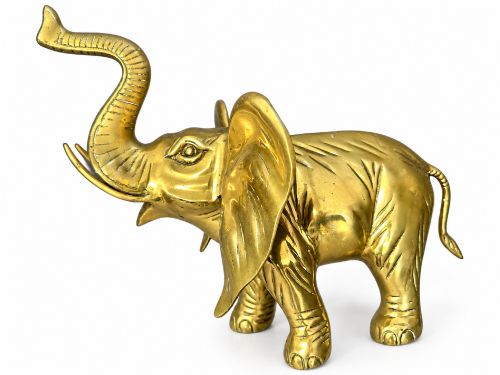
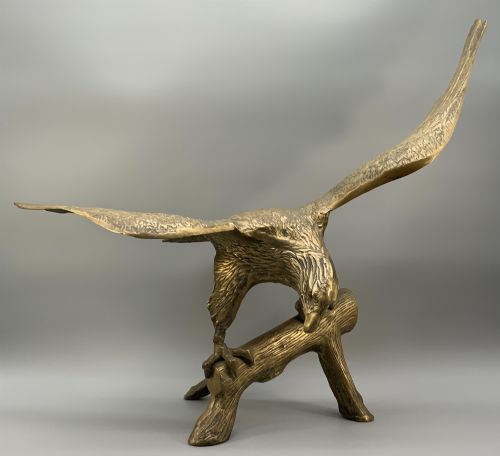
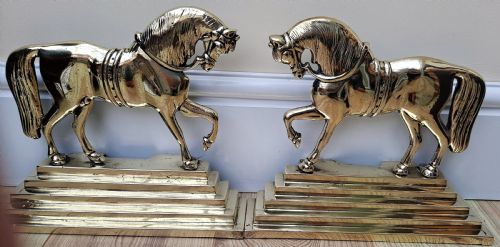
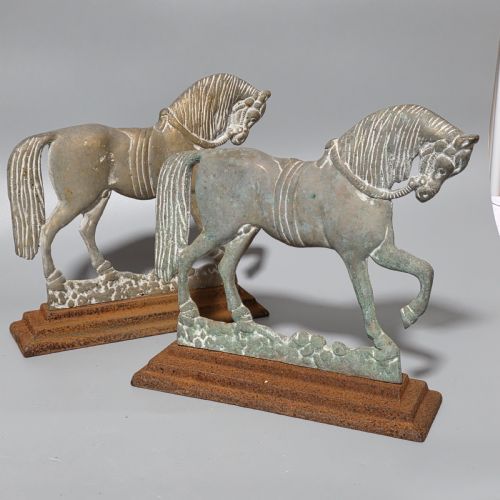
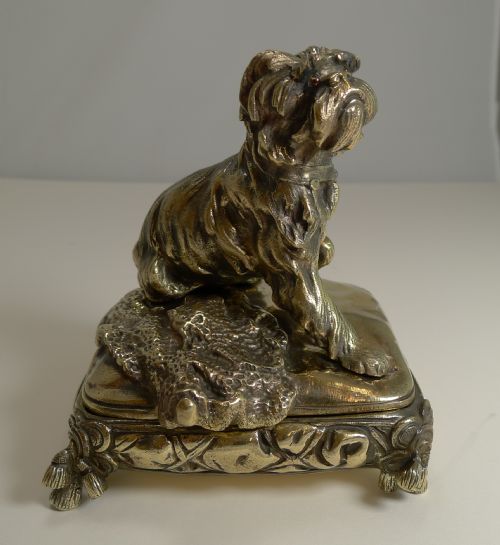
A heavy brass ornament serves a practical purpose while acting as a striking decorative object, frequently appearing as a figural doorstop, sculpture, or desk accessory. When browsing this selection, buyers encounter various forms such as equestrian figures, birds of prey, and desk cannons.
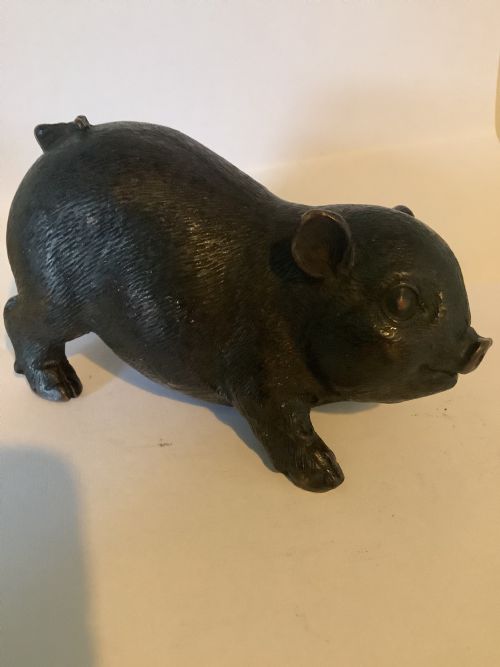
The objects span multiple periods, including Georgian, Victorian, and mid-century examples, reflecting diverse aesthetic influences from English domestic pieces to Chinese bronzes. Animal figures predominate, with horses, lions, and dogs appearing regularly alongside functional items like inkwells and fire dogs.
Many items combine brass with other materials like cast iron, glass, and wood, creating substantial pieces designed to withstand daily use. The range covers both utilitarian hearth accessories and purely decorative tabletop sculptures.
How they were made
Production relies heavily on casting techniques, utilising molten brass or bronze poured into moulds to achieve intricate detail in animal forms and figural subjects. Cast iron often appears alongside brass components to add necessary weight to functional items like doorstops.
Secondary materials such as mahogany undercarriages support bronze desk cannons, while other items integrate glass or iron elements. Hand-finished surfaces and polished patinas complete the manufacturing process, highlighting the texture and form of each piece.
Heavy Brass Ornament Retail Price Guide 2026
Typical asking prices for heavy brass ornament among the pieces listed under this phrase on Sellingantiques today, from the lower quarter to the upper quarter. They describe what is for sale here now, not the wider market.
Several pieces double as fierce guards for the floor, including cast brass owls, chiming desk cannons, and stout bronze money toads.
What varies in quality
Original patinas and surface preservation contribute significantly to an item's visual appeal, distinguishing well-kept period pieces from heavily worn or compromised examples. The integration of supporting materials, such as fitted wooden bases or paired doorstops, also influences the coherence of the object.
The Heavy Brass Ornament Glossary
- Andirons
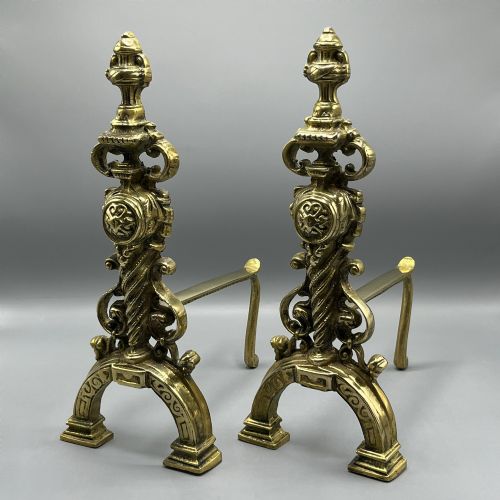
- Supports used to elevate logs in a fireplace, often matching decorative fire dogs made of solid brass.
- Doorstop
- A heavy object designed to keep a door open, frequently cast in the shape of animals or historical figures during the Victorian period.
- Inkwell
- A small container for holding ink, often incorporated into elaborate desk ornaments featuring birds or other figures.
- Patina
- The surface appearance acquired by brass and bronze through age, handling, and oxidation.
- Porporter
- An alternative term for a heavy doorstop or draft blocker used in hallways and rooms.
Heavy Brass Ornament: Frequently Asked Questions
What is a heavy brass ornament used for?
These pieces serve dual roles as decorative sculptures and functional household items such as doorstops, inkwells, and fire accessories.
Their substantial weight allows them to hold open heavy doors or secure papers on a desk while adding sculptural interest to an interior.
How do I care for solid brass?
Cleaning requires gentle dusting with a soft cloth to preserve the existing surface and accumulated patina over time.
Avoid harsh chemical polishes that strip away the aged character characteristic of antique and vintage metalwork.
Are these pieces made of solid brass?
The selection includes items made from cast brass, solid brass, and bronze, often combined with iron for added weight.
Manufacturing methods typically involve metal casting to produce durable, heavy forms capable of withstanding daily use.
How do I identify a Victorian piece?
Victorian examples often display specific figural subjects like horses, lions, and recognizable historical figures from the nineteenth century.
Examining the casting quality, surface wear, and material composition helps distinguish these nineteenth-century items from later reproductions.