




Heavy Brass Door Handles
Heavy brass door handles are substantial period furnishings that anchor a room, bringing weight and genuine historic character to an entryway.
Heavy Brass Door Handles
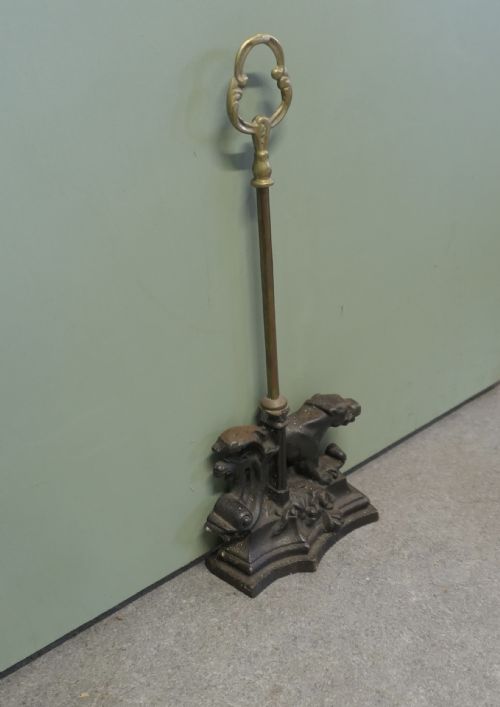
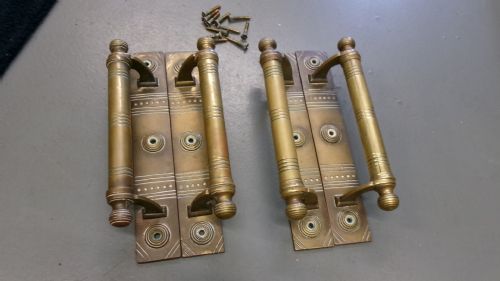
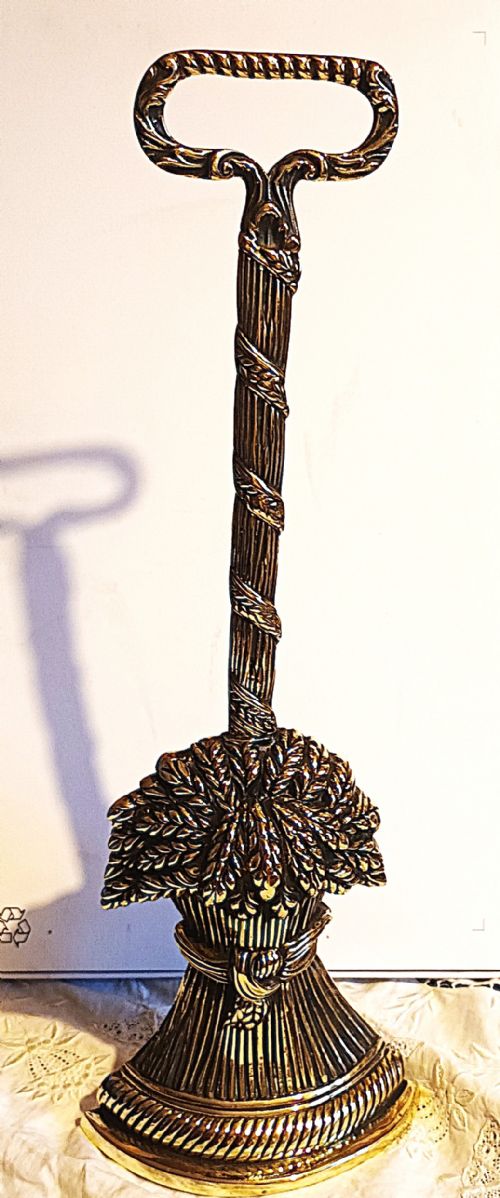
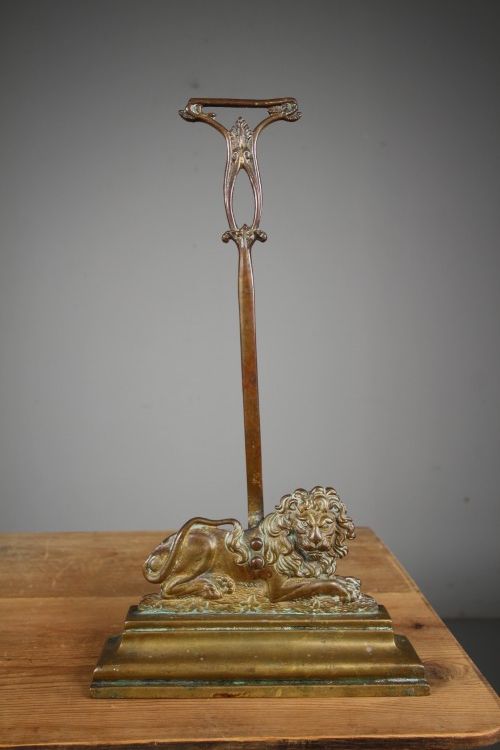
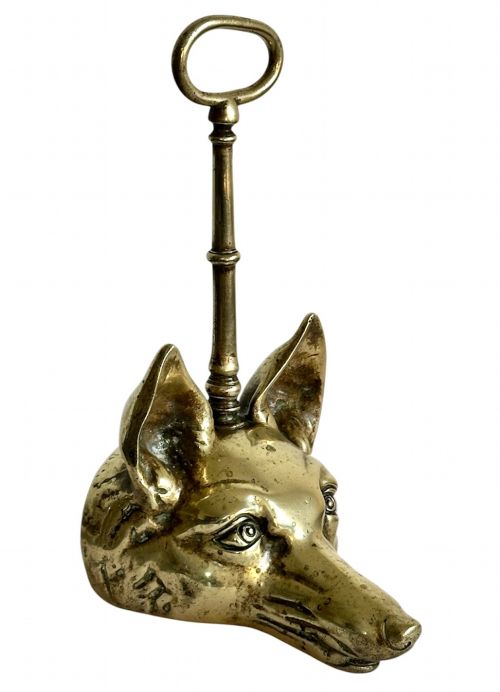
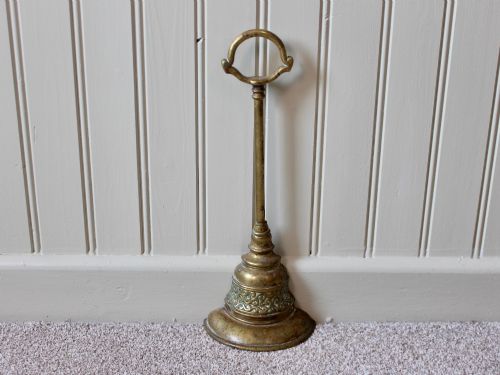
Heavy brass door handles encompass robust architectural fittings, doorstops, door porters, and pull handles originating from the Georgian, Victorian, Edwardian, and Art Deco periods. These pieces serve practical functions while introducing period presence to domestic and commercial interiors.
Objects span English, French, and Dutch origins, reflecting diverse regional styles from Late Regency simplicity to ornate Arts and Crafts detailing and Art Deco geometry. Each piece demonstrates the heavy casting traditions typical of pre-industrial and early industrial hardware manufacturing.
How they were made
Foundries produced these items primarily through sand casting in brass, cast brass, and bronze, yielding thick walls and substantial physical weight. Molten metal poured into bespoke moulds captured intricate relief work, from heraldic animals to geometric Art Deco facets.
Makers often combined brass or bronze components with iron internal rods or lead weighting within door porters to ensure maximum stability. Secondary materials such as crystal appeared in high-status pulling hardware, secured within cast metal collars.
Finishing involved hand-polishing, filing of seams, and occasionally applied patination to accentuate high-relief ornament. These mechanical processes left slight individual variations across matched pairs and sets.
What varies in quality
The integrity of original mounting points, fixing screw holes, and matching rotation mechanisms dictates functional merit. Pieces retaining their original heavy backplates and matching screws demonstrate greater coherence than mixed sets assembled later.
Material composition also defines the tier of the object, with dense cast bronze and heavy brass outperforming lighter alloys or hollow stampings. The depth of the natural patination acquired over centuries of handling adds intangible visual weight to superior specimens.
William Tonks
The Heavy Brass Door Handles Glossary
- Door porter
- A heavy movable doorstop designed with an upright handle or grip at the top for carrying from room to room. These pieces weigh down draughty doors.
- Finger plate
- A flat decorative metal plate mounted behind a door handle to protect the timber surface from fingerprints and wear. They frequently match the design of the accompanying knobs.
- Centre door knob
- A stationary handle fixed to the middle of a primary entrance door rather than the latch edge. Visitors use these to pull heavy doors shut.
- Art Deco
- A design style emerging in the early twentieth century characterised by streamlined symmetry, geometric motifs, and stylised relief. Hardware from this movement utilises bold planar forms.
- Arts and Crafts
- A movement prioritising visible hand-craftsmanship, honest materials, and medieval or vernacular inspiration. Metalwork from this tradition displays tactile hammered or cast textures.
Heavy Brass Door Handles: Frequently Asked Questions
How do I install heavy brass door handles?
Heavy handles require sturdy timber substrates and appropriately sized pilot holes to support their substantial weight during daily use. Brass screws matching the period of the hardware should be driven carefully to avoid shearing older metal heads.
For centre door knobs, alignment with internal latch mechanisms or deadbolts must be measured precisely from the exterior face. Professional fitting ensures the heavy casting does not wobble under repeated torque.
Can I polish antique brass handles?
Cleaning depends entirely on the existing surface patination and whether you prefer a bright golden finish or a dark historic skin. Gentle washing with warm soapy water removes accumulated grime without disturbing the underlying metal.
Aggressive chemical polishes strip away centuries of oxidation that collectors value on Victorian and Georgian pieces. Many buyers choose to leave the natural aged finish untouched.
What is the difference between a door porter and a doorstop?
A door porter is a tall, weighted object featuring an upright handle at the top, allowing it to be lifted and moved without bending down. These functioned in large houses to hold heavy interior doors open against draughts.
Standard doorstops are typically smaller, wedge-shaped or figural castings placed directly on the floor in front of the swing path. Both categories utilise heavy brass or cast iron to maintain position.
How do I date antique brass hardware?
Dating relies on stylistic markers such as Georgian neoclassical restraint, Victorian ornamentation, Edwardian floral motifs, or Art Deco geometry. Manufacturing marks, screw types, and casting methods also offer clues to the decade of production.
Heavier sand-cast pieces with hand-finished details generally point to nineteenth-century or earlier origins. Comparative examination of similar documented shop handles and door porters helps narrow the timeframe.