

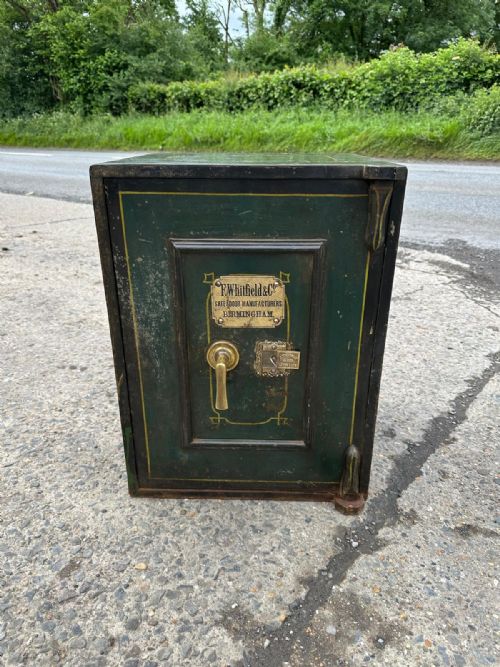
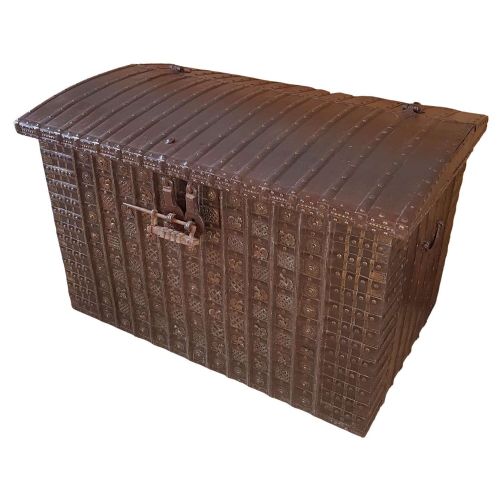


Heavy Brass Box
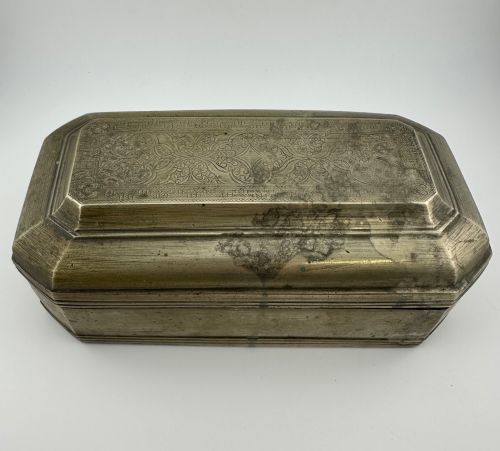
A heavy brass box brings robust utility and enduring metalwork into daily rooms, holding small treasures or standing firm as a diminutive strongbox.
Heavy Brass Box
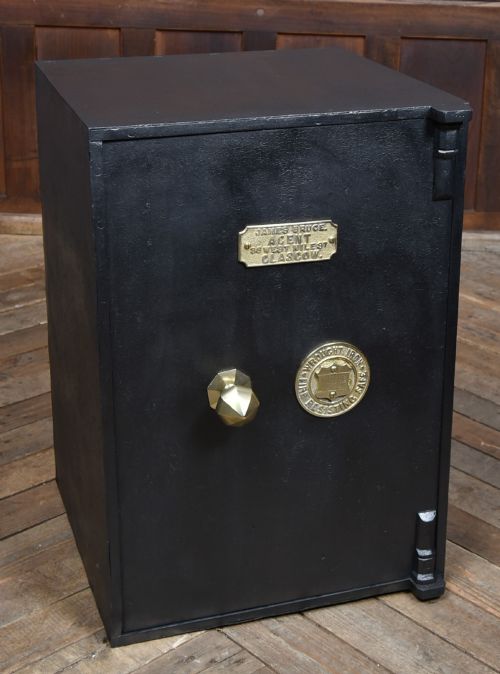
A heavy brass box encompasses utilitarian containers, table snuff vessels, jewellery caskets and miniature repositories originating across 18th Century, Victorian, and Edwardian periods.
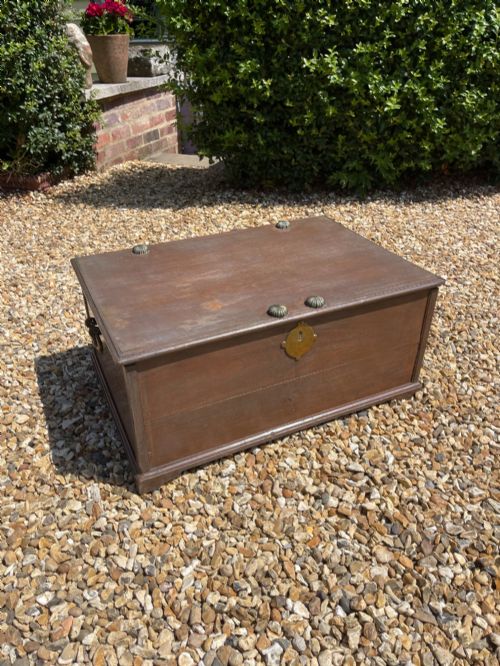
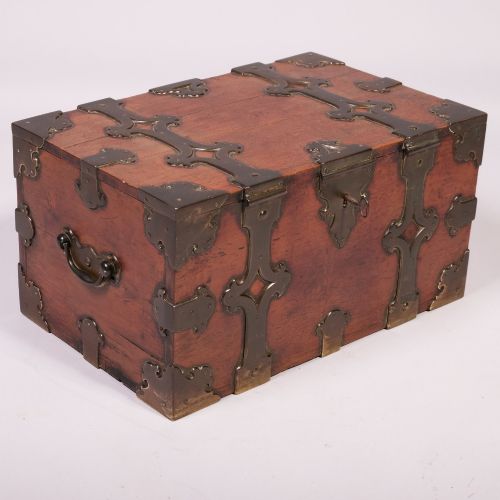
Buyers seeking a heavy brass box encounter pieces fashioned from cast or sheet brass, frequently paired with substantive timber bodies or iron reinforcement.
Origins span British workshops, Scottish makers, and colonial production including Anglo-Indian and Middle Eastern regions, reflecting diverse historical domestic and professional storage needs.
Materials and Construction
Construction relies on heavy gauge brass, iron bands, cast iron, and durable timbers such as teak, oak, camphor wood, and hardwood.
Metals are joined and finished with engraving, studding, or structural reinforcement, while wooden cores employ brass binding and corner mounts for resilience during travel and daily use.
Heavy Brass Box Retail Price Guide 2026
Typical asking prices for heavy brass box among the pieces listed under this phrase on Sellingantiques today, from the lower quarter to the upper quarter. They describe what is for sale here now, not the wider market.
Listings feature Victorian, Edwardian, and 18th Century pieces constructed from brass, teak, oak, and cast iron.
Assessing Quality
Quality reveals itself in the thickness of the metal gauge, the precision of engraving, and the structural integrity of the internal joints and hinges.
Superior examples demonstrate substantial weight in the brass components, original locking mechanisms, and harmonious integration of metal mounts with the primary timber or iron body.
James Bruce Glasgow·F. Whitfield and Co·Milners of Liverpool·George Price
The Heavy Brass Box Glossary
- Brass
- An alloy of copper and zinc known for its bright golden appearance and durability. It forms the primary metal shell or decorative binding on these containers.
- Camphor wood
- An aromatic hardwood utilised for utilitarian trunks and caskets. Its natural scent protected stored contents from insects.
- Casket
- A small ornamental box intended for valuables or jewellery. These vessels often feature detailed metalwork and secure closures.
- Gauge
- The thickness of sheet metal utilised in fabrication. A heavier gauge indicates a more substantial and robust container.
Heavy Brass Box: Frequently Asked Questions
What were these heavy boxes used for?
These vessels served diverse protective functions ranging from storing personal documents and currency to holding tobacco, snuff, and jewellery.
Their robust construction ensured valuable items remained secure during transit or within domestic and professional quarters.
How do I care for a brass and timber box?
Maintenance requires gentle cleaning of the metal surfaces to preserve the natural patina without stripping historical character.
Wood components benefit from occasional conditioning suited to hardwoods like teak or oak, avoiding excessive moisture.
Are these boxes secure enough for daily use?
Many examples retain their original locks and heavy iron banding designed for functional security in period settings.
While historical mechanisms offer charm, modern security standards differ, so precious contents should be assessed accordingly.
How do I distinguish 19th-century pieces?
Nineteenth-century production methods display distinct hand-finished brass work, specific fastener types, and regional joinery traditions.
Examining the internal construction and materials provides clear indicators of the Victorian or Edwardian manufacturing era.