


Hearth Fireside Accessory
A hearth fireside accessory brings both utility and warmth to the fireplace, featuring coal scuttles, log bins, and companion sets designed to manage solid fuel.
Hearth Fireside Accessory
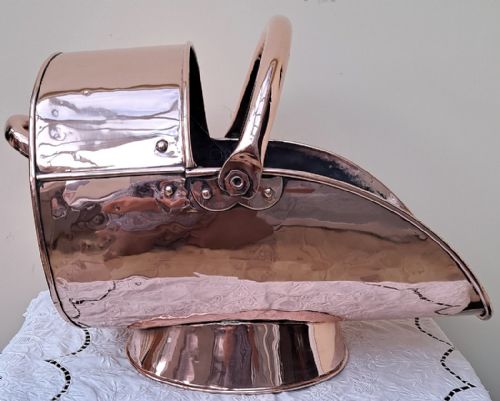
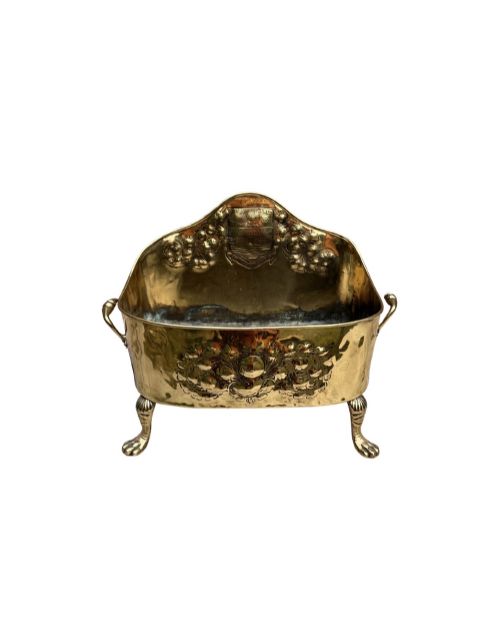
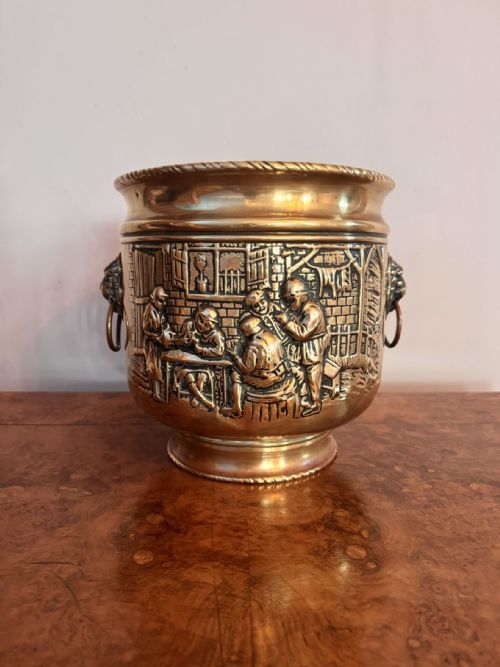
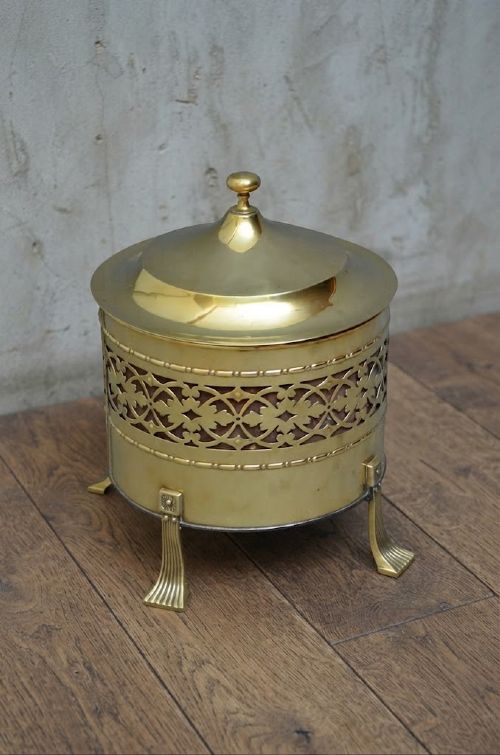
A hearth fireside accessory encompasses the practical items used around a fireplace to store fuel, tend the fire, and maintain the hearth. When exploring a hearth fireside accessory, buyers encounter functional containers like coal scuttles, log buckets, and peat bins.
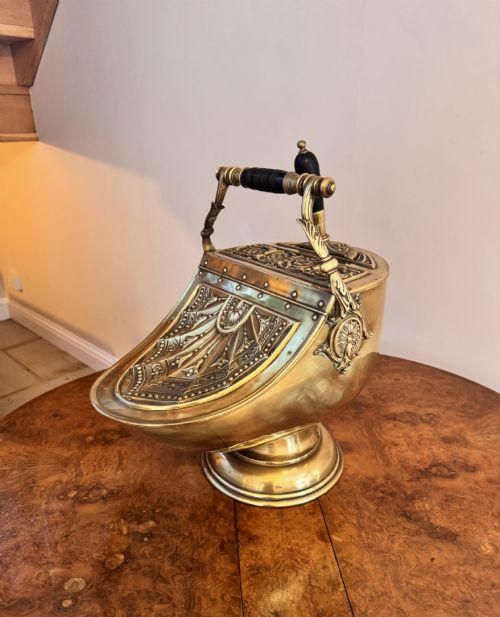
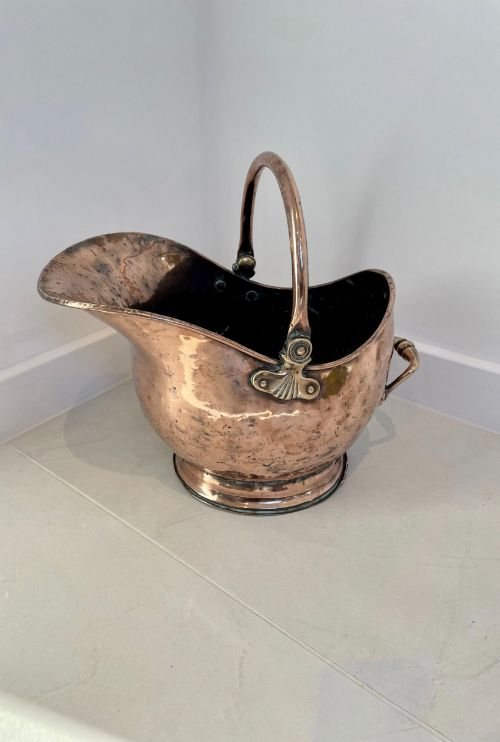
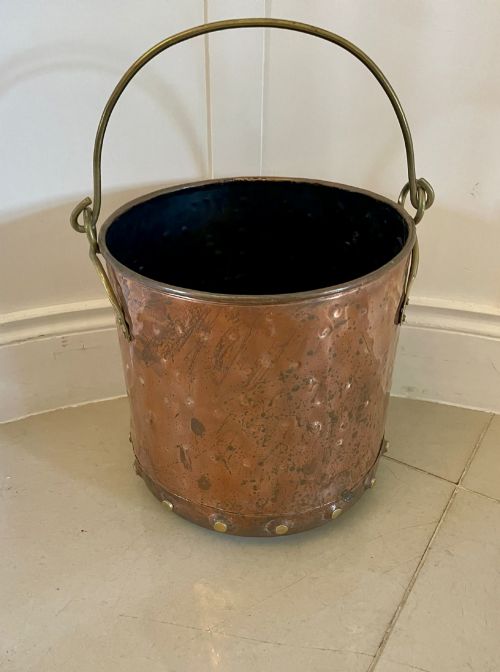
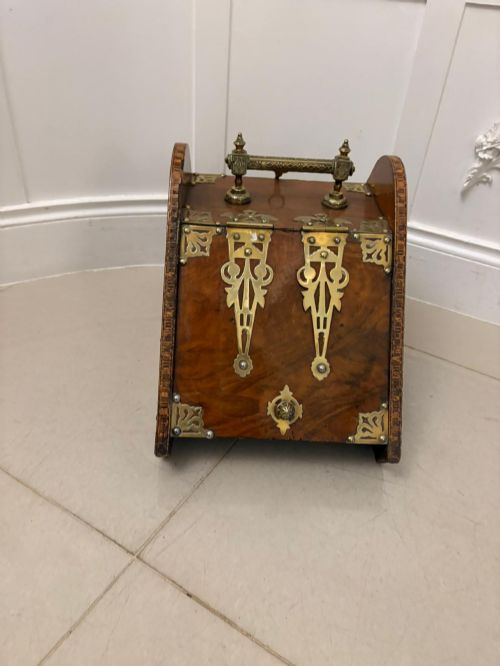
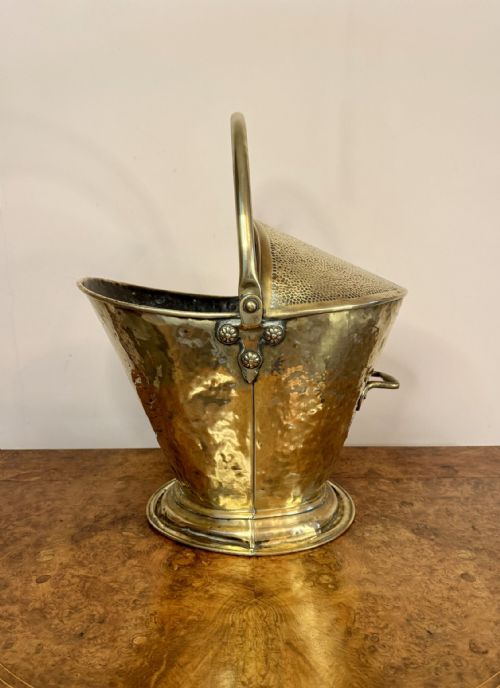
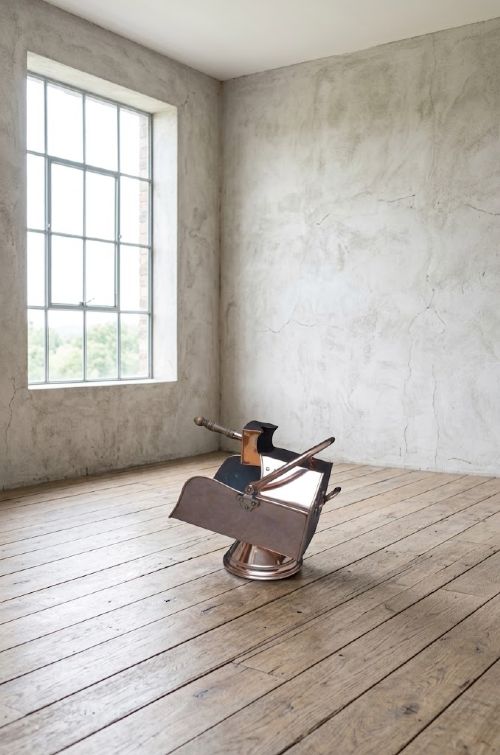
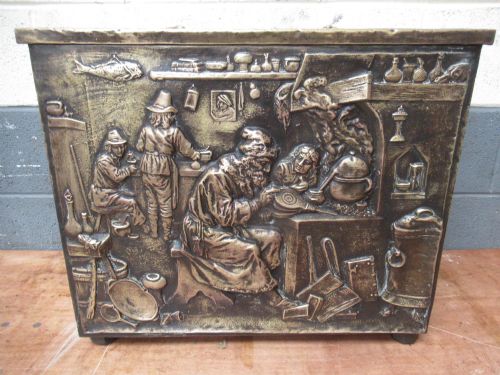
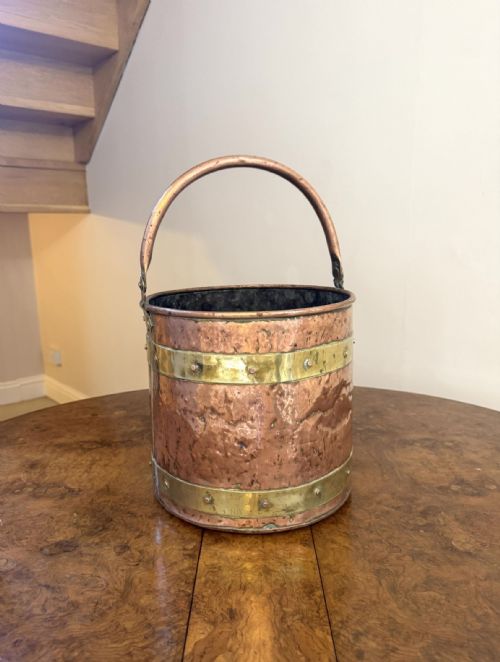
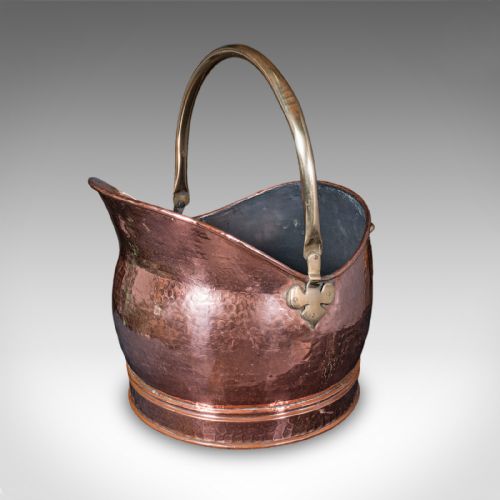
Most items on this page lean toward utilitarian brass and copper coal buckets, helmet-shaped scuttles, and fireside tool sets. Wood and iron also appear frequently, forming log bins, oak peat buckets, and companion sets designed for daily service.
How They Were Made
Makers utilised resilient metals such as brass, copper, cast iron, and wrought iron to construct vessels capable of enduring heavy loads of coal and wood. Riveted copper plates, embossed sheet brass, and forged iron frames provide structural integrity to scuttles and log bins.
Hearth Fireside Accessory Retail Price Guide 2026
Typical asking prices for hearth fireside accessory among the pieces listed under this phrase on Sellingantiques today, from the lower quarter to the upper quarter. They describe what is for sale here now, not the wider market.
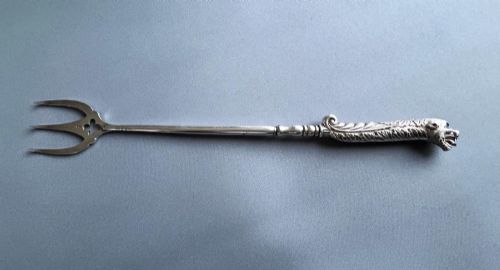
Materials recorded across the inventory include cast iron, wrought iron, and oak, alongside specialist items like toasting forks and chestnut roasters.
What Varies in Quality
Quality rests in the heaviness of the gauge of copper or brass and the robustness of the structural framing, distinguishing solid riveted vessels from lighter stamped examples. Superior pieces retain original elements such as matching brass shovels, sturdy swing handles, and intact iron frames.
Artisanal detail separates standard utility items from finer examples, evident in hand-embossed decoration, deliberate fretwork, and carefully fitted wooden staves banded in metal. The integration of period aesthetic choices, from Arts and Crafts motifs to Art Nouveau lines, defines the visual execution.
Benham and Froud
The Hearth Fireside Accessory Glossary
- Coal Scuttle
- A container designed to hold coal for the fireplace, often featuring a sloping helmet shape or a bucket form with a swing handle. These vessels frequently include a matching shovel stored in a back bracket.
- Log Bin
- A large freestanding receptacle intended for storing firewood beside the hearth. They often incorporate copper bodies supported by original iron frames.
- Companion Set
- A collection of fireside tools, typically including a shovel, poker, tongs, and brush, mounted on a stand or rest. These sets assist in tending and cleaning the fire.
- Trivet
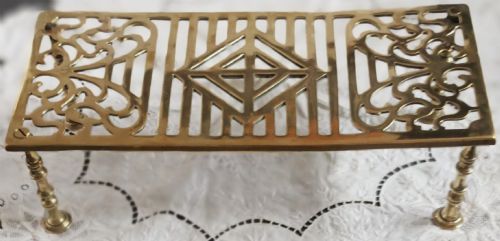
- A metal stand raised on feet, placed near the hearth to keep kettles or cooking vessels warm. They appear in heavy cast brass and iron.
- Fire Cat
- A traditional mahogany stand used to support items near the fire. This furniture form reflects the refined woodwork of the Georgian period.
Hearth Fireside Accessory: Frequently Asked Questions
What is a coal scuttle?
A coal scuttle is a bucket or helmet-shaped container used to hold and transport coal to the fireplace. They usually feature a sturdy handle for carrying and often include a built-in compartment for a small shovel.
Historically, these containers sat beside the hearth for daily refueling. Their designs ranged from utilitarian iron to polished brass and embossed copper.
How do I use a log bin?
A log bin serves as a dedicated storage vessel for firewood next to your fireplace. They keep logs contained and prevent bark and debris from scattering across the floor.
Many period bins feature metal bodies supported by iron frames, making them sturdy enough to hold heavy loads of wood safely.
What tools are in a companion set?
A standard companion set includes a poker, tongs, a shovel, and a brush. These implements hang from a dedicated stand or rest.
Each tool has a specific purpose for managing the fire, from adjusting logs and clearing ash to sweeping the hearth floor.
How do I identify a Victorian piece?
Victorian pieces often display heavy brass construction, embossed decoration, or riveted copper bodies. Styles from this era frequently incorporate Gothic Revival or Aesthetic Movement influences.
Look for robust materials and hand-finished details that reflect nineteenth-century manufacturing methods.