





Hearth Accessory Stand
A hearth accessory stand gathers the ironwork, brass and wood needed beside a fireplace into one tidy place.
Hearth Accessory Stand
A hearth accessory stand groups the fireside tools and companion pieces that keep an open grate running smoothly. When searching for a hearth accessory stand, buyers encounter a range of iron and brass equipment spanning Georgian country houses to Victorian parlours.
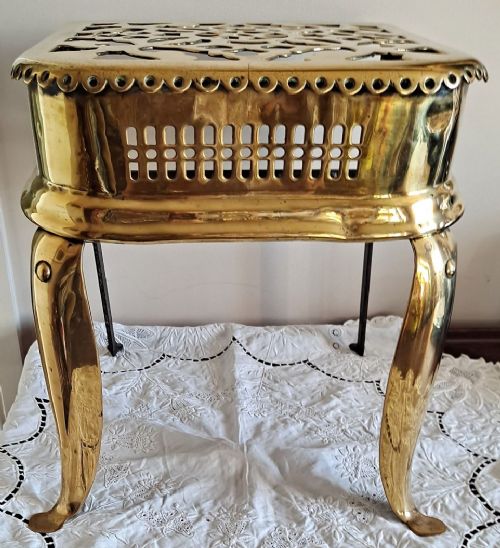
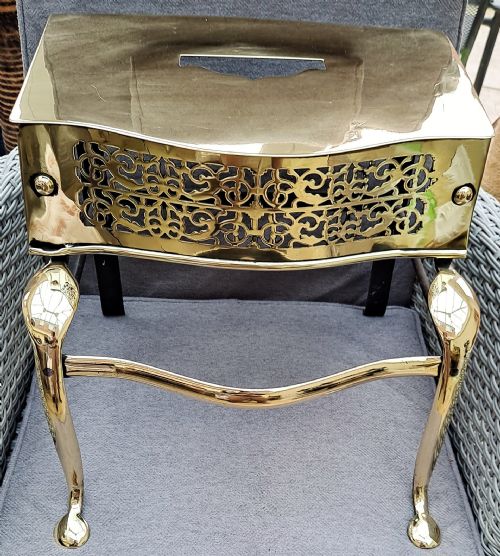
The objects take many forms, from footmen and trivets designed to hold kettles near the flame to companion sets, tool rests, and fire cats. Georgian examples lean towards mahogany stands and wrought iron footmen, while Victorian pieces favour cast brass and Gothic ironwork.
Most pieces date from the eighteenth and nineteenth centuries, reflecting an era when domestic heat depended entirely on coal or wood fires. These stands and supports organise the hearth while bringing substantial metal and timber textures into the room.
Materials and construction
Makers shaped these stands from brass, wrought iron, cast iron, and mahogany, often combining materials for structural strength and visual contrast. Brass surfaces catch the firelight, while iron and steel provide the necessary weight and durability for holding hot coals or heavy tools.
Footmen and trivets utilise joined sheet metal and slender legs, whereas andirons and fire dogs demand heavy casting or forging to withstand intense heat. Timber stands such as mahogany fire cats involve traditional cabinet-making joinery to support plates or Kettles safely.
Hearth Accessory Stand Retail Price Guide 2026
Typical asking prices for hearth accessory stand among the pieces listed under this phrase on Sellingantiques today, from the lower quarter to the upper quarter. They describe what is for sale here now, not the wider market.
The selection encompasses utilitarian footmen, decorative fire screens, and heavy companion sets designed for coal and wood fires.
Assessing quality and finish
Quality rests upon the weight of the metal and the crispness of the casting or hand-forging. Finer Georgian and Victorian pieces show clean joinery, balanced proportions, and careful finishing on areas that meet the eye.
Substantial gauge brass and tightly fitted ironwork distinguish superior examples from lighter utility items. The integration of decorative elements, such as pierced aprons on footmen or detailed turnings on tool stands, marks the distinction between standard workshop output and finer country house pieces.
The Hearth Accessory Stand Glossary
- Footman
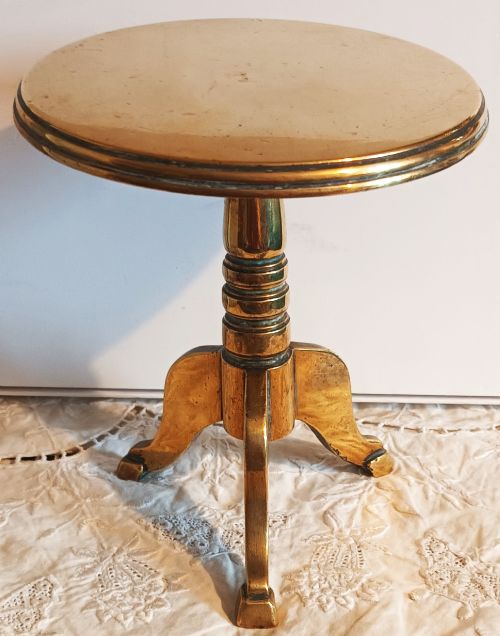
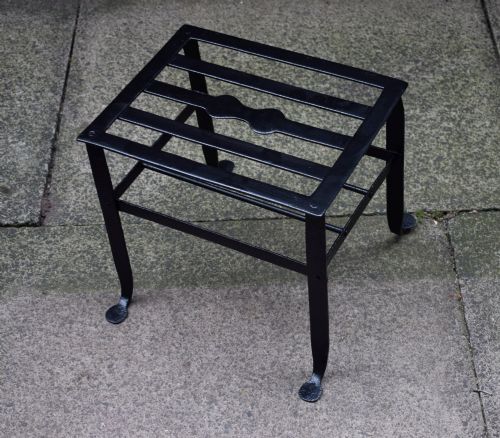
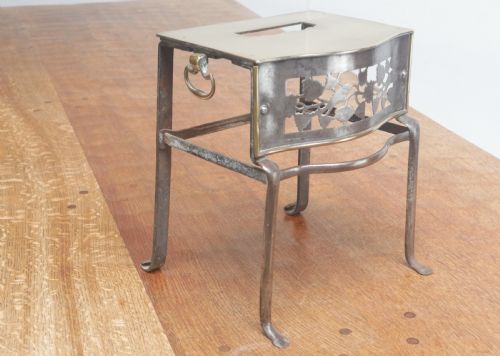
- A metal stand placed before the fire to keep food or water warm. These items usually feature a brass top plate and iron legs.
- Trivet
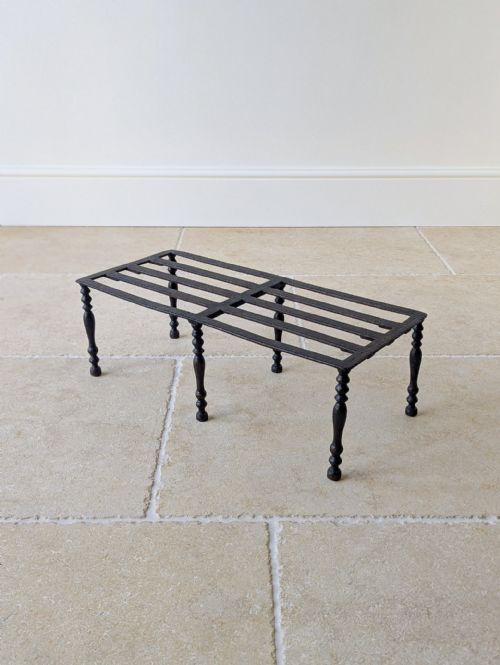
- A small three-legged stand used to support a kettle or pan over the hearth. They appear in brass and cast iron across Victorian and Edwardian inventories.
- Fire Cat
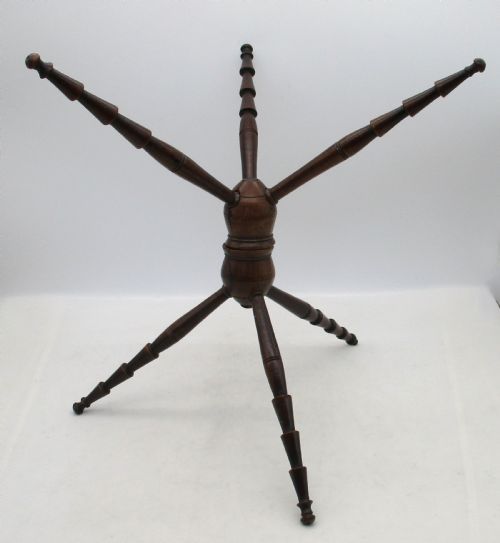
- A traditional wooden or metal stand, sometimes called a cat or plate stand, designed to hold items near the hearth. Georgian mahogany versions are particularly sought after by collectors.
- Andiron
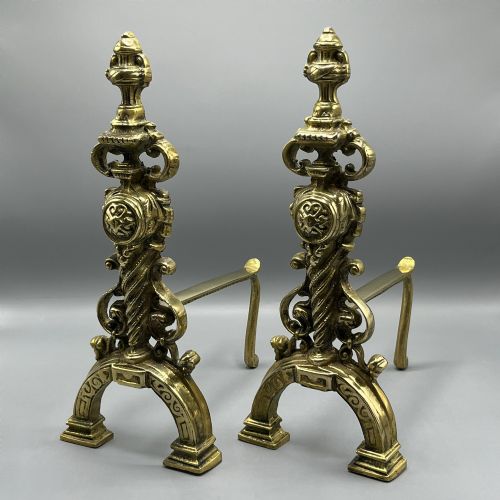
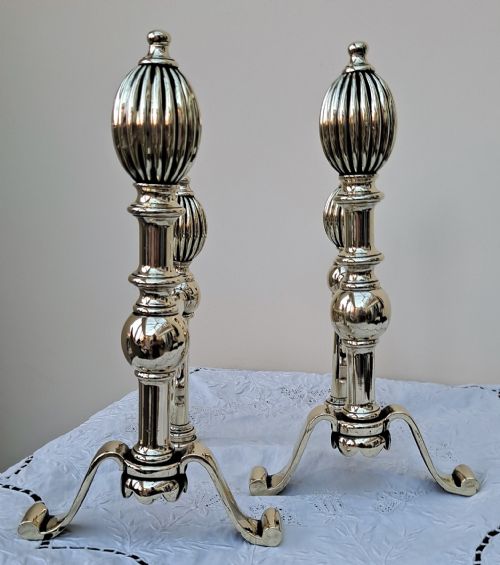
- A horizontal metal bar raised on short legs, used to support logs in an open fireplace. Also known as fire dogs, they often appear in matching pairs made from solid brass or iron.
- Companion Set
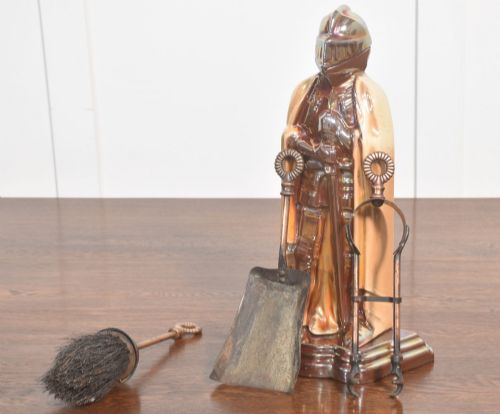
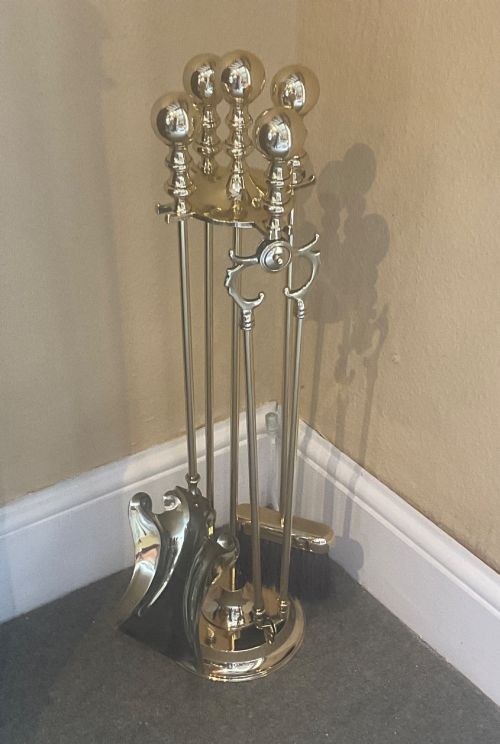
- A matching collection of fireside tools usually hung from a dedicated stand or rest. These sets typically include pokers, shovels, and tongs.
Hearth Accessory Stand: Frequently Asked Questions
What is a footman used for?
A footman sits directly in front of the fireplace to support kettles, warming plates, or food dishes.
They were essential in period kitchens and sitting rooms before closed ranges took over.
How do I clean brass hearth stands?
Gentle dusting and occasional use of non-abrasive metal cleaner preserve the original surface without stripping character.
Avoid harsh chemical polishes that remove the historic patina built up over generations.
Are these stands safe to use with modern fires?
Many solid brass and iron stands remain sturdy enough for practical use beside an active hearth.
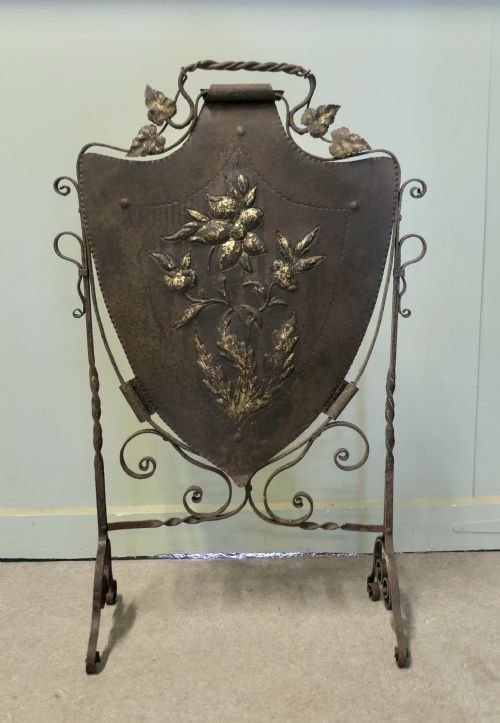
Lighter wire mesh screens and decorative trivets serve well as display pieces or gentle spark guards.
How do I tell Georgian pieces from Victorian ones?
Georgian items often feature restrained mahogany woodwork or hand-forged wrought iron with simple, functional lines.
Victorian pieces frequently display heavier cast brass, Gothic revival motifs, or more ornate decorative chasing.