



Heals Cabinet
A heals cabinet brings honest construction and clean utility into a room, spanning periods from late Victorian practicality to Art Deco geometry.
Heals Cabinet
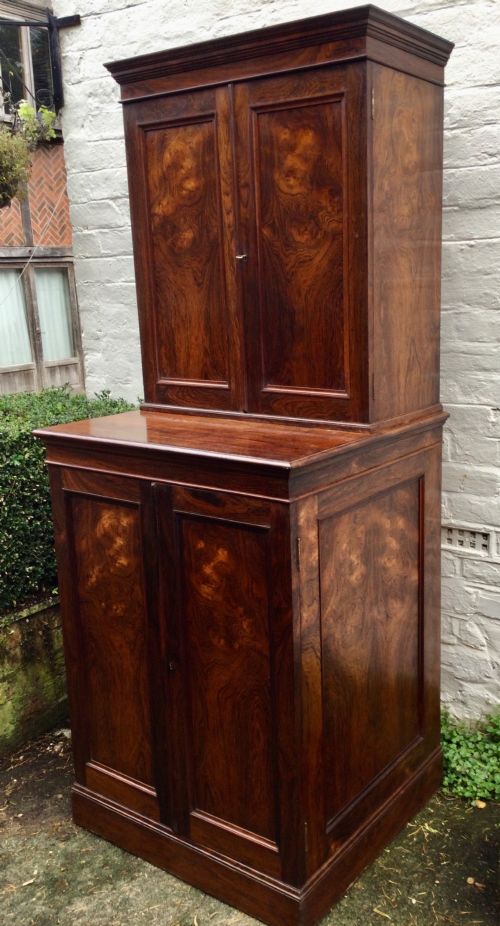
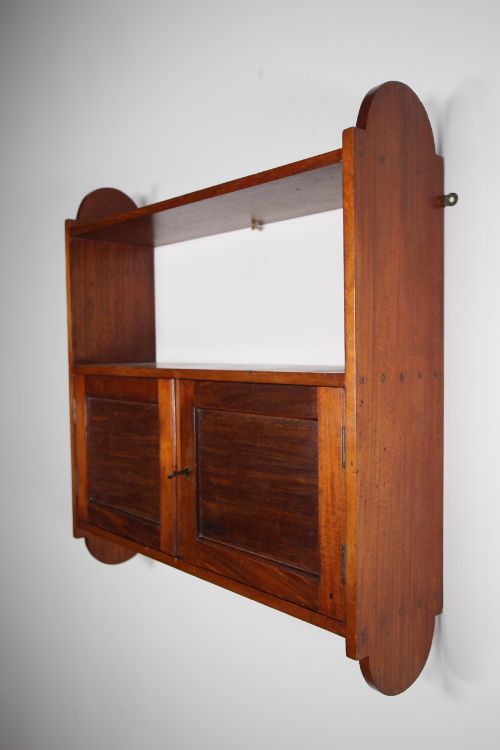
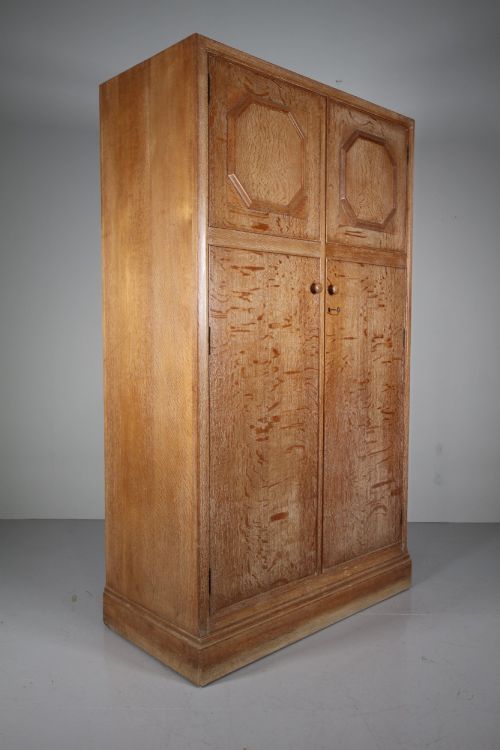
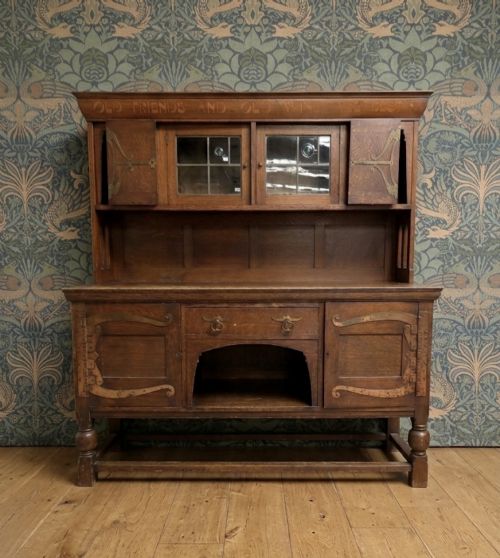
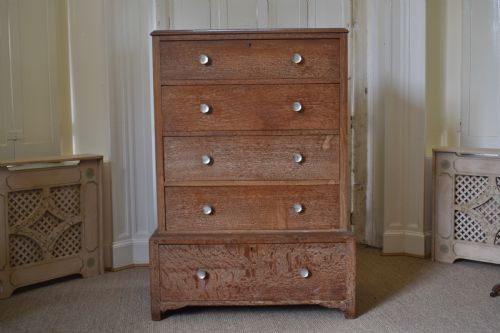
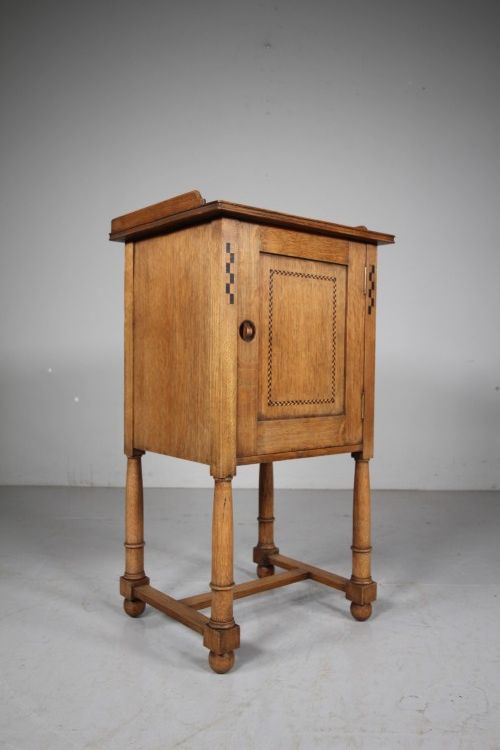
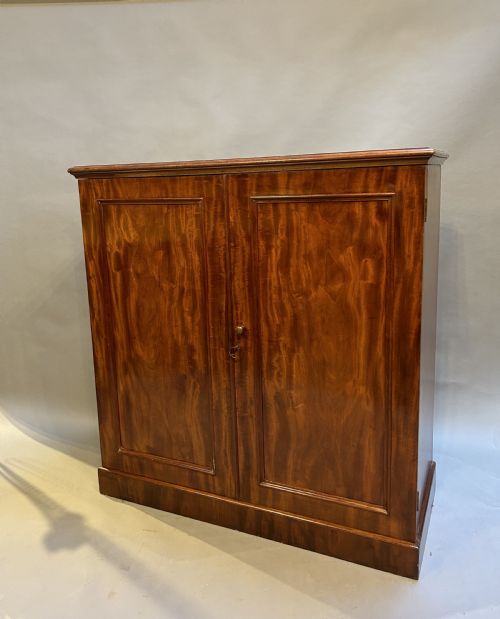
When you search for a heals cabinet, you enter a diverse field of utilitarian and decorative forms ranging from bedside pieces and wall-hung units to large wardrobes and sideboards. Oak remains the predominant wood across these listings, alongside walnut, mahogany, and limed oak.
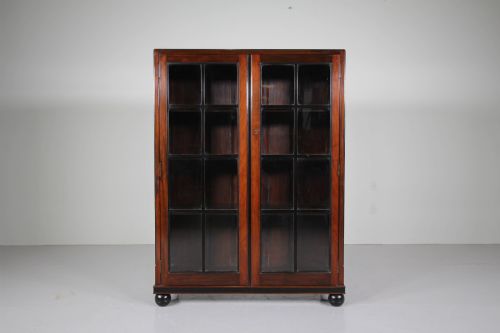
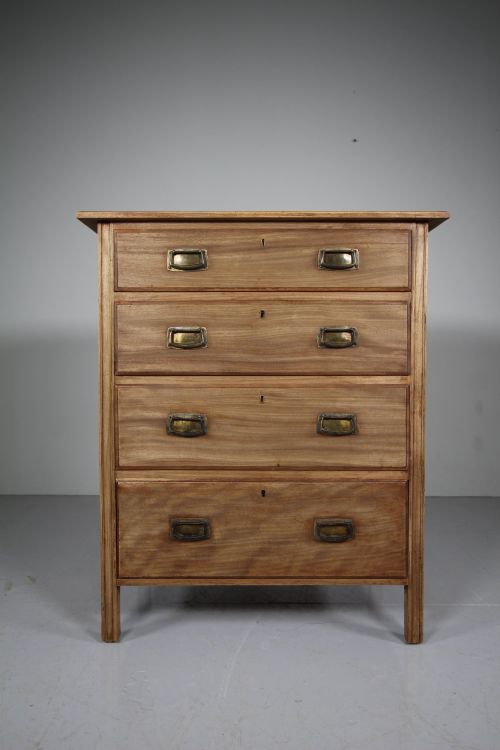
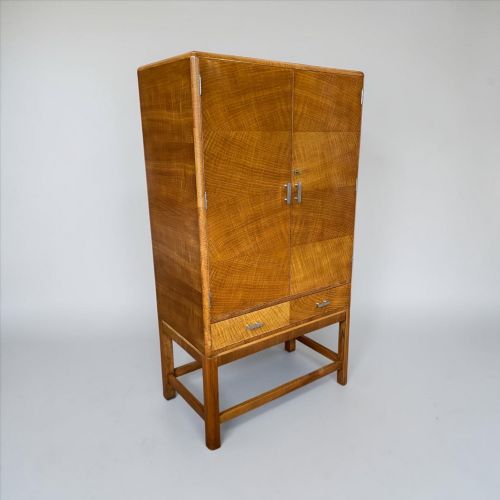
The pieces appearing here cross multiple design movements, showing the transition from Victorian and Arts and Crafts principles through to 1920s stacking systems and 1930s Art Deco styles. Sideboards and bookcases are common formats, often marked by straightforward proportions and understated hardware.
Origins trace across the late nineteenth century into the interwar decades, reflecting shifting domestic needs for storage and display. Buyers frequently encounter oak furniture from the Edwardian era and the 1920s alongside later limed oak or walnut variations.
Assessing quality
Quality rests upon the integrity of timber selection and the precision of joinery, distinguishing straightforward utility items from more ambitious cabinetmaking. The handling of grain in oak and walnut sets finer examples apart.
Hardware execution and structural soundness in stacking mechanisms or door fittings indicate the level of workshop care. Original brass elements and stamped signatures provide clear indicators of origin.
Heals Cabinet Retail Price Guide 2026
Typical asking prices for heals cabinet among the pieces listed under this phrase on Sellingantiques today, from the lower quarter to the upper quarter. They describe what is for sale here now, not the wider market.
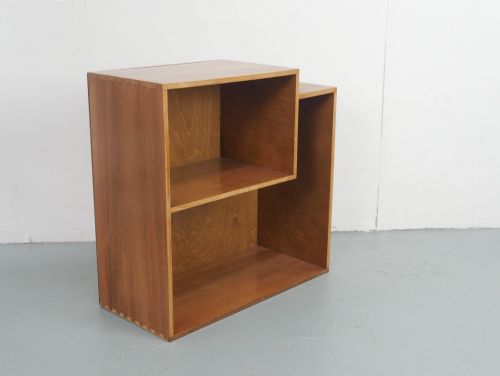
Even a modest stacking bookcase manages to look entirely industrious while holding your paperback collection.
Heal & Son·Heals of London
The Heals Cabinet Glossary
- Limed oak
- A wood finish created by applying a white pigment into the open grain of oak to produce a pale, matte surface. This treatment became popular in British furniture during the early twentieth century.
- Stacking bookcase
- A modular bookcase composed of separate modular sections with glass-fronted lifting doors. These units allowed owners to expand their library vertically.
- Linen press
- A tall storage piece traditionally designed for household textiles, featuring upper cabinet doors enclosing sliding trays and lower drawers. Examples from the nineteenth century show robust framing.
- Arts and Crafts
- A design movement emphasising handcraftsmanship, simple forms, and natural materials. This style rejected mass-produced ornamentation in favour of honest construction.
Heals Cabinet: Frequently Asked Questions
What defines a heals cabinet?
A heals cabinet encompasses storage furniture produced or retailed by the London firm, known for clean lines and functional design. These items range from compact bedside units to large sideboards.
They reflect the changing tastes of British domestic interiors from the late nineteenth century through the Art Deco period.
How do I identify the period?
Dating relies on stylistic markers such as heavy Victorian mouldings, Arts and Crafts simplicity, or the geometric forms of 1930s Art Deco. Materials like limed oak and specific hardware also point to distinct decades.
Maker stamps and labels help confirm the exact era of manufacture.
Where were these cabinets used?
These pieces served practical storage roles throughout the home, from bedrooms and libraries to dining rooms and hallways. Bookcases and stacking units organised libraries, while wardrobes and tallboys managed clothing.
Smaller pieces like bedside cabinets fitted into domestic sleeping quarters.
How do I care for the wood?
Solid oak and walnut surfaces benefit from regular dusting with a dry cloth and occasional application of appropriate natural wax. Avoiding direct sunlight and extreme temperature changes preserves the finish.
Limed oak surfaces require gentle cleaning to protect the pale grain infill.