


Hanging Porch Light
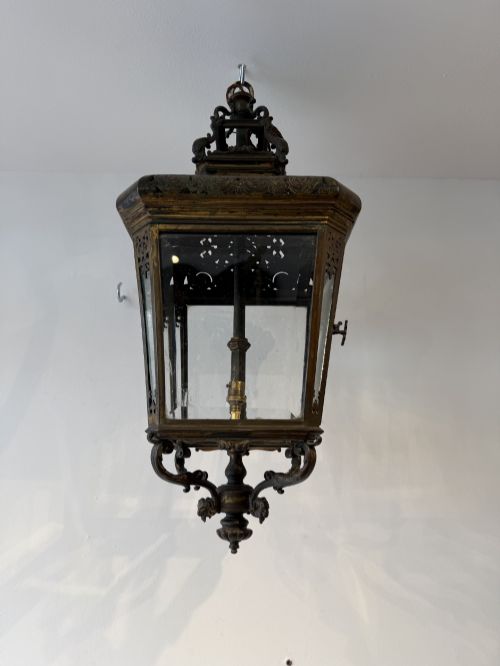
A hanging porch light brings genuine period character to an entrance, casting warm illumination through bevelled glass and patinated metal.
Hanging Porch Light
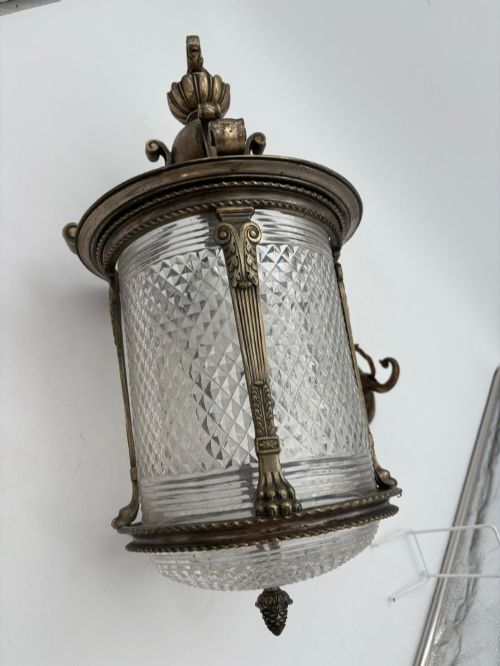
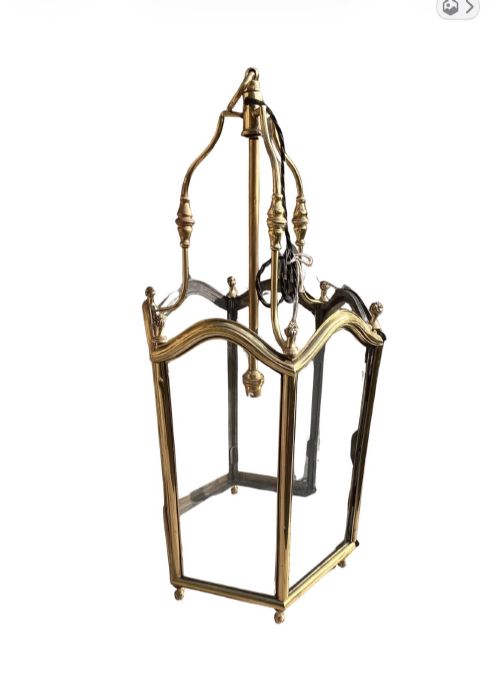
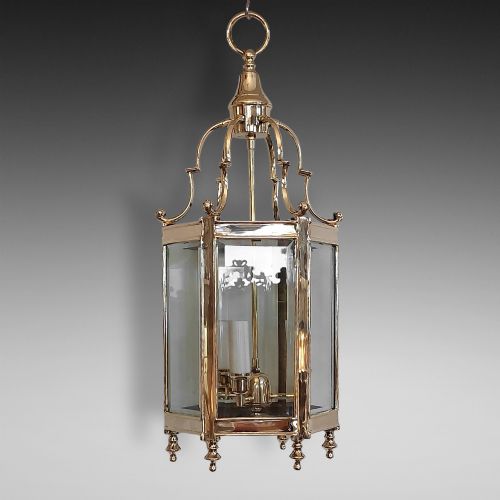
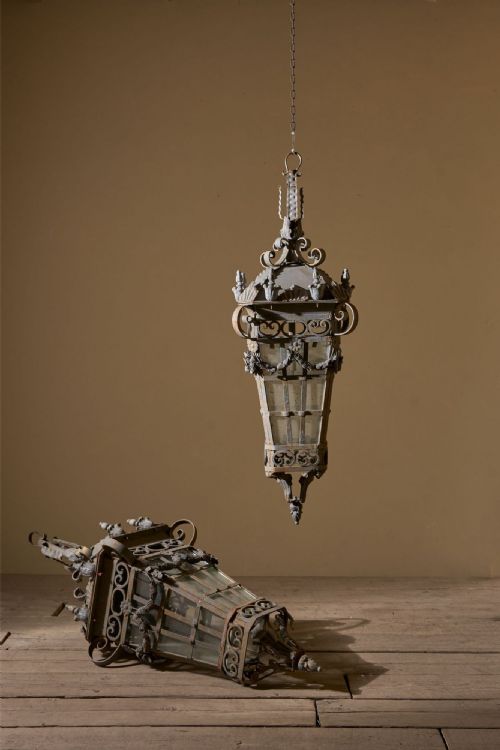
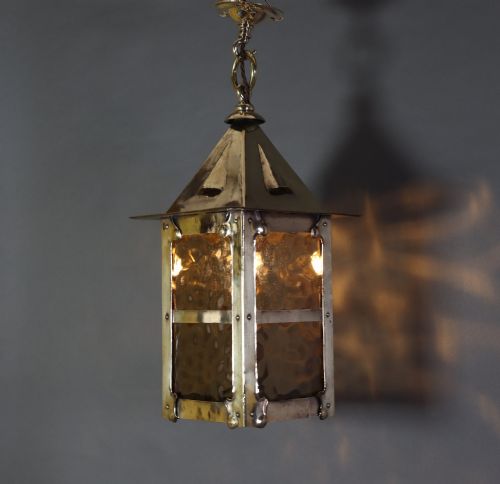
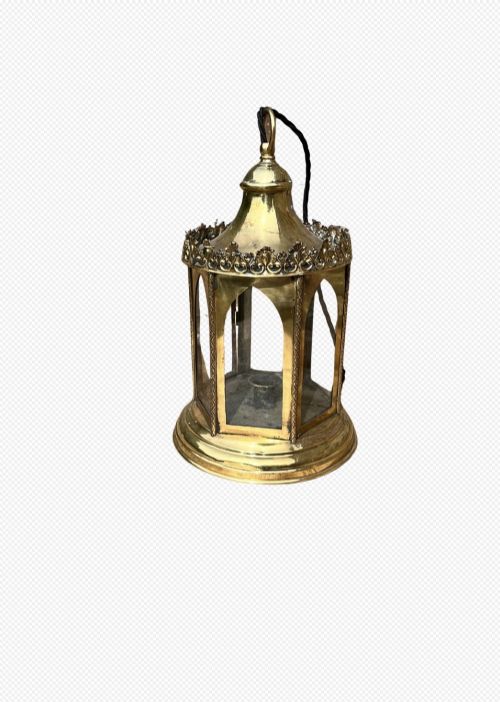
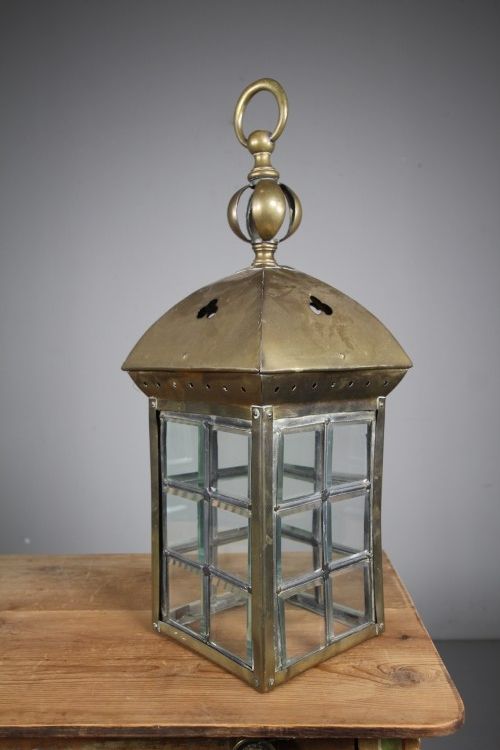
When you search for a hanging porch light, you encounter lanterns and hall pendants designed to illuminate exterior entrances and vestibules. The pieces found here span from the nineteenth century through the Edwardian period and the early twentieth century, taking forms such as hexagonal frames, box lanterns, and rounded domes.
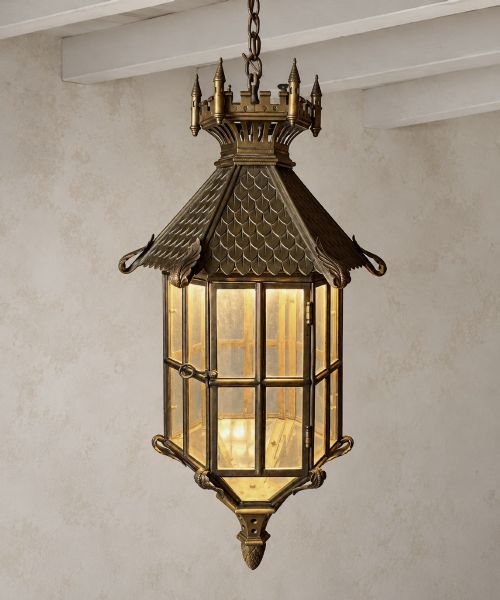
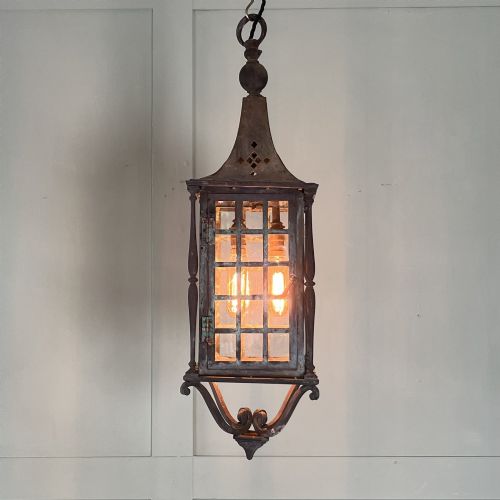
You are most likely to meet brass and copper constructions alongside iron and zinc examples. These fixtures reflect historic domestic architecture, featuring styles ranging from Victorian and Gothic Revival to Arts and Crafts and French designs.
How they were made
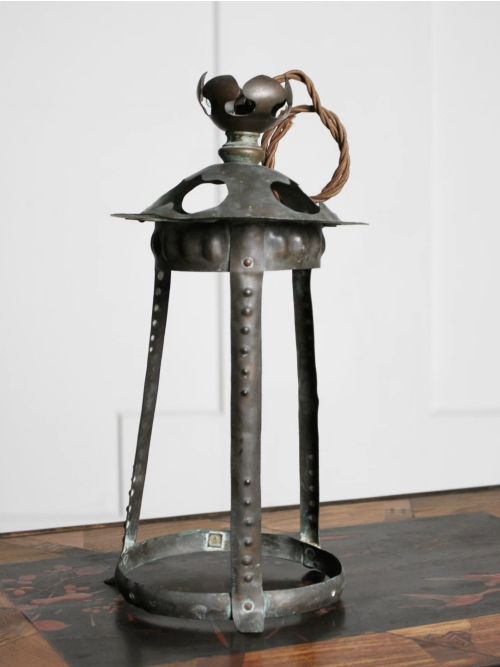
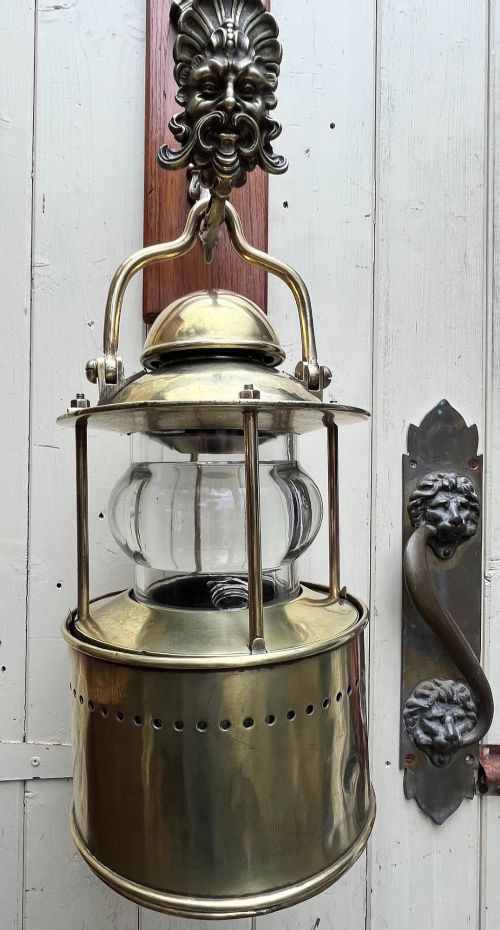
Makers constructed these lanterns using durable metals suited to sheltered outdoor environments or grand hallways. Brass, copper, bronze, and wrought iron form the structural frameworks, shaped by hand or cast in heavy sections.
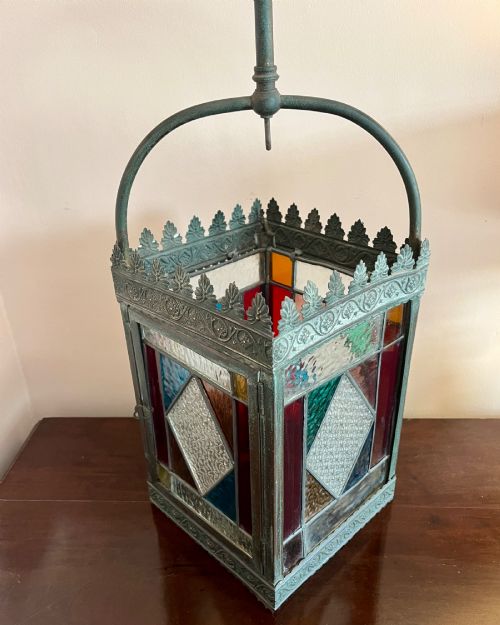
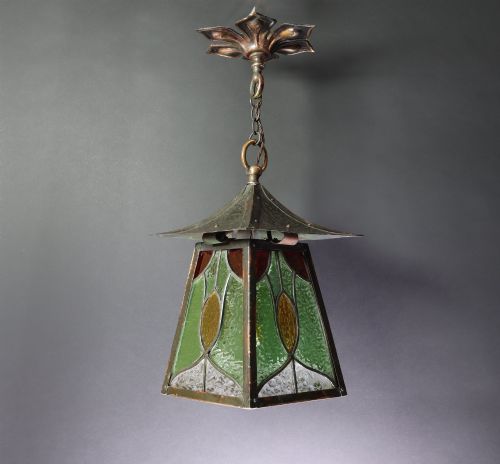
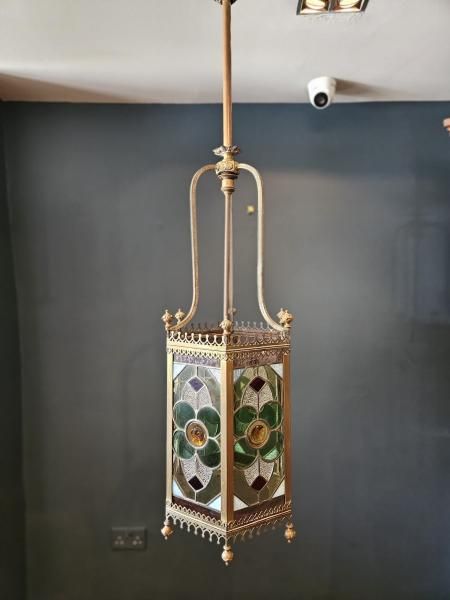
Glazing techniques define the panels held within these metal cages. Workers incorporated clear glass, leaded glass, and stained glass, sometimes utilising lead came or zinc channels to secure individual panes.
Hanging Porch Light Retail Price Guide 2026
Typical asking prices for hanging porch light among the pieces listed under this phrase on Sellingantiques today, from the lower quarter to the upper quarter. They describe what is for sale here now, not the wider market.
Listings feature brass, copper, wrought iron, and bronze materials across Victorian, Edwardian, and early twentieth-century periods.
What varies in quality
The calibre of a hanging porch light rests on the weight of its metalwork and the precision of its assembly. Heavier gauge brass, thick cast bronze, and substantial copper show superior substance compared to lighter pressed sheets.
Artistry in the decorative details separates standard utility fixtures from finer examples. Hand-worked iron scrolling, precise leaded geometric glass, and distinct period motifs like shamrocks or green man masks indicate higher workshop standards.
Voysey·Pugin
The Hanging Porch Light Glossary
- Hexagonal form
- A six-sided geometric shape frequently utilised in the design of traditional hall and porch lanterns to distribute light evenly.
- Leaded glass
- Individual panes of glass held together by strips of lead came, creating decorative patterns within the lantern frame.
- Gothic Revival
- An architectural and decorative style drawing inspiration from medieval forms, often featuring pointed arches and heavy ironwork.
- Arts and Crafts
- A design movement emphasising hand craftsmanship, honest materials, and simple functional forms without excessive ornament.
- Patina
- The natural surface ageing and oxidation that develops on metals like copper and bronze over decades of exposure.
Hanging Porch Light: Frequently Asked Questions
Where should a hanging porch light be placed?
These fixtures suit covered exterior entranceways, porches, and grand entrance halls where overhead suspension is possible.
Ensure the scale of the lantern matches the proportion of the doorway and provides adequate clearance below.
How do I identify a Victorian lantern?
Victorian examples often display heavy brass or copper framing, sometimes incorporating Gothic Revival details or elaborate pressed ornamentation.
Look for construction methods and material weights characteristic of nineteenth-century metalworking shops.
Are these lights electrified?
Many surviving antique lanterns have been adapted for modern electrical wiring while retaining their historic metal frames and glass panels.
Check individual descriptions to see if wiring has been updated for contemporary home installation.
What is an Arts and Crafts porch light?
Arts and Crafts lighting focuses on visible hand craftsmanship, simple geometric lines, and honest use of materials like hammered copper and brass.
These pieces typically avoid excessive Victorian ornamentation in favour of understated functional design.