



Hanging Plate Display
A hanging plate display presents ceramics securely on walls, combining practical storage with decorative impact.
Hanging Plate Display
A hanging plate display encompasses wall-mounted shelving and racks designed to hold ceramics safely in view. These pieces range from substantial oak dresser racks to lighter display shelves and cabinets.
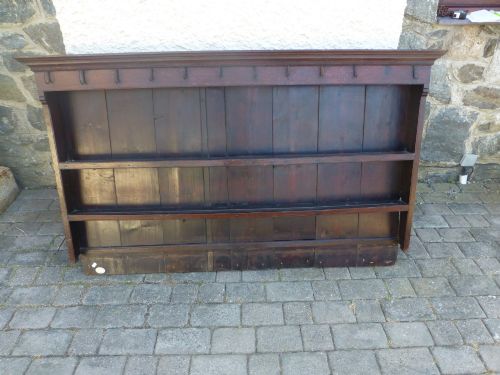
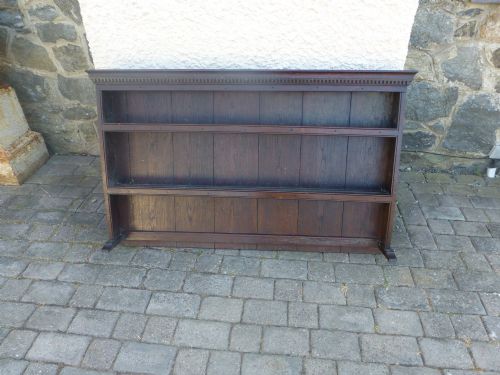
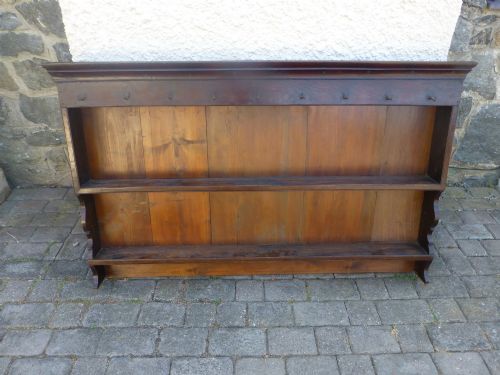
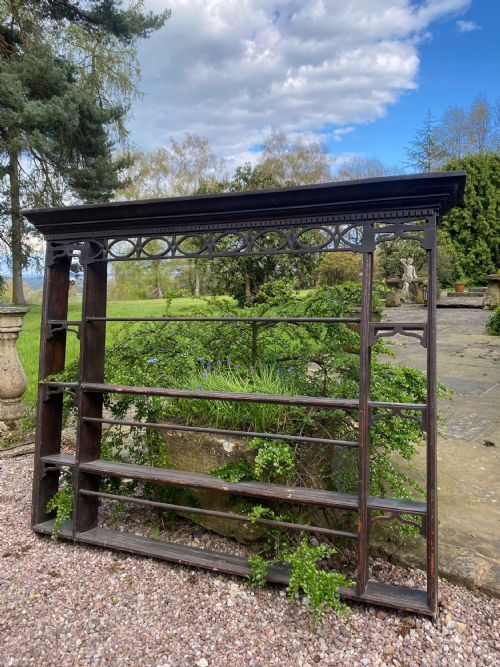
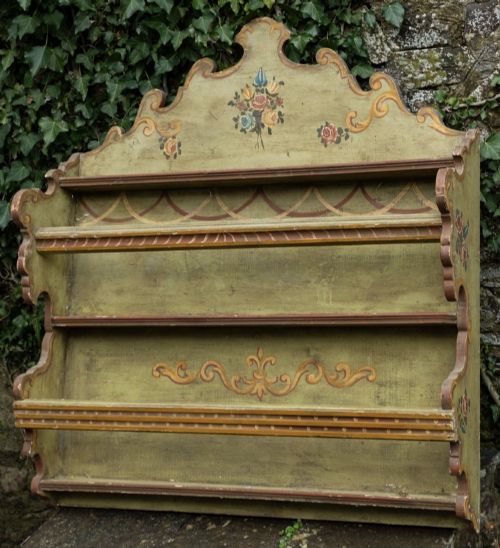
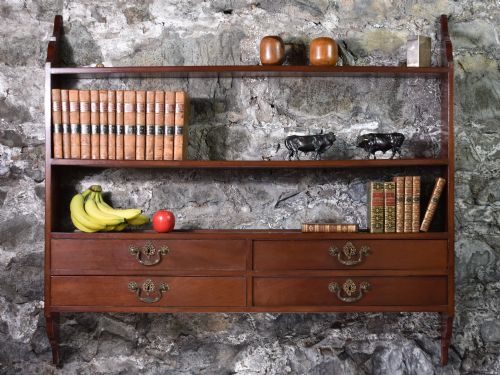
The most common form encountered on this page is the wooden plate rack, often originating from the eighteenth or nineteenth century. Pieces take various forms, including pine delft racks, mahogany hanging shelves, and decorative wall display units.
Materials and construction
Makers utilised solid timbers such as oak, mahogany, pine, and cherry wood to construct these racks and shelves. Structural elements often incorporate joinery suited to supporting the weight of ceramics.
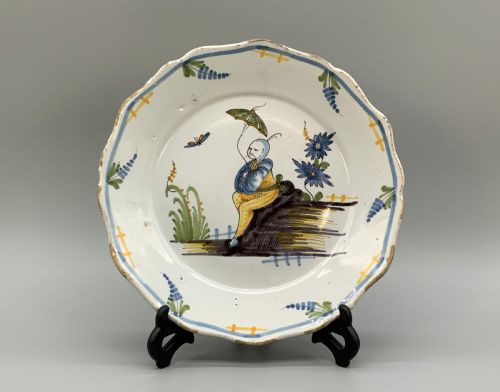
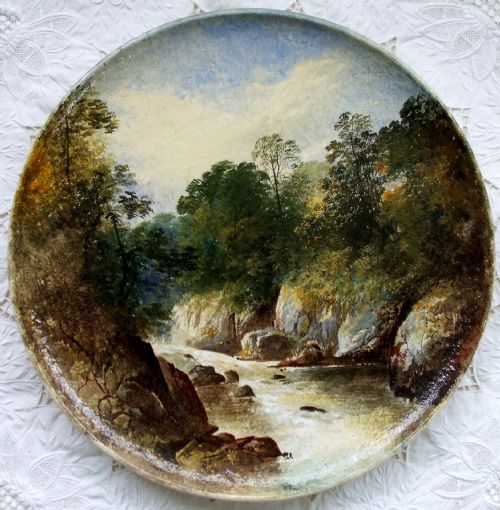
Surfaces feature painted finishes, natural wood grains, and marquetry details. Ceramic components involve porcelain, enamel, and glazed earthenware.
Listings feature oak, mahogany, pine, and porcelain pieces spanning the seventeenth century through to the Edwardian era.
Distinctions in quality
Quality rests upon the selection of timber and the execution of joinery. Finer examples display thoughtful proportions and careful timber matching.
Decorative elements such as fretwork, painted surfaces, and marquetry distinguish superior pieces from utilitarian storage items.
The Hanging Plate Display Glossary
- Delft rack
- A wall-mounted wooden framework specifically designed to display plates and chargers upright. These racks typically feature grooved plate rails and protective retaining ledges.
- Charger
- A large decorative plate utilised primarily for presentation rather than dining. These items frequently occupy the central display tier of a wall rack.
- Imari
- A style of Japanese porcelain featuring distinctive blue, iron red, and gilt decoration. Such ceramics appear frequently within nineteenth-century display settings.
- Fretwork
- Openwork ornamentation carved into wood panels or borders. This technique frequently decorates the crests of eighteenth-century pine and oak racks.
Hanging Plate Display: Frequently Asked Questions
How were hanging plate displays used?
These racks and shelves served to store and display ceramic plates, chargers, and platters within domestic spaces. They kept everyday or decorative tableware accessible and visible.
Kitchens and dining rooms typically accommodated these wall-mounted units to save floor space while exhibiting pottery collections.
How do I hang a heavy wooden rack?
Solid wood racks require secure fixing into wall studs or masonry using appropriate heavy-duty brackets and screws. The substantial weight of oak or mahogany structures demands robust wall anchors.
Professional installation ensures the piece safely supports both the framework and the heavy ceramic plates placed upon it.
What woods were used for these racks?
Cabinetmakers employed native timbers such as oak, mahogany, pine, and cherry wood for construction. Oak and mahogany appeared frequently in eighteenth-century workshops.
Pine and painted wood became common choices for country and regional furniture during subsequent periods.
Can these shelves hold modern plates?
Most antique racks accommodate standard plate sizes within their traditional grooved ledges and rails. Deeper channels support thicker earthenware and heavy decorative chargers.
Measuring the depth of the display groove helps confirm whether modern dinnerware fits securely into older shelving.