





Hanging Display Shelving
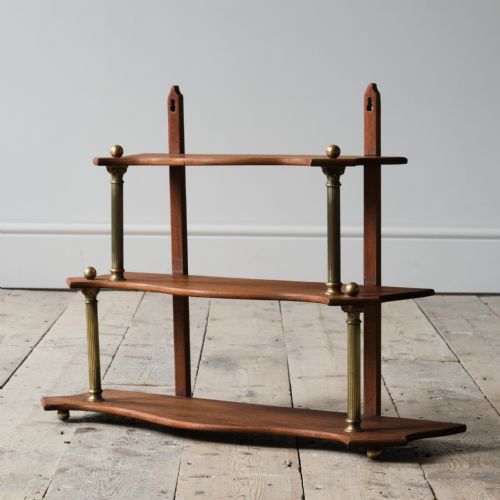
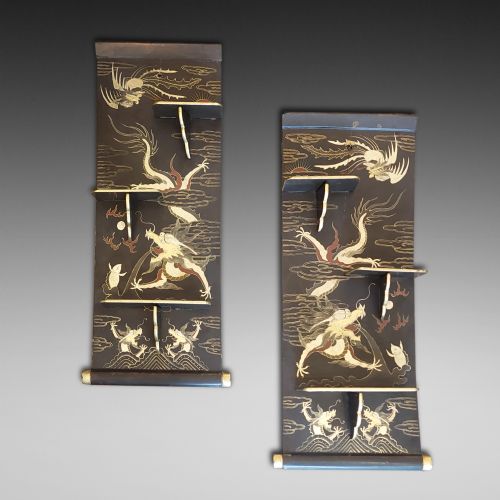
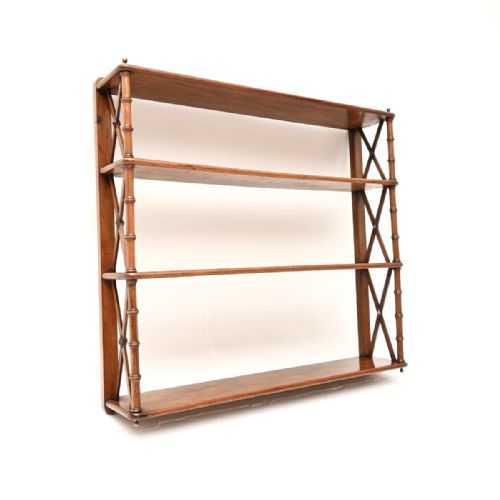
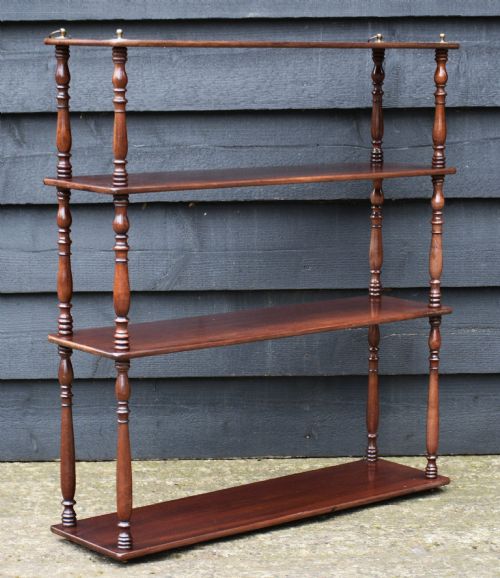
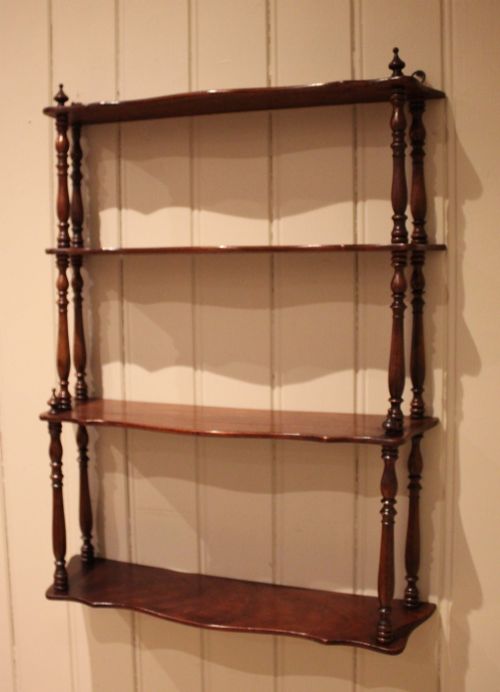
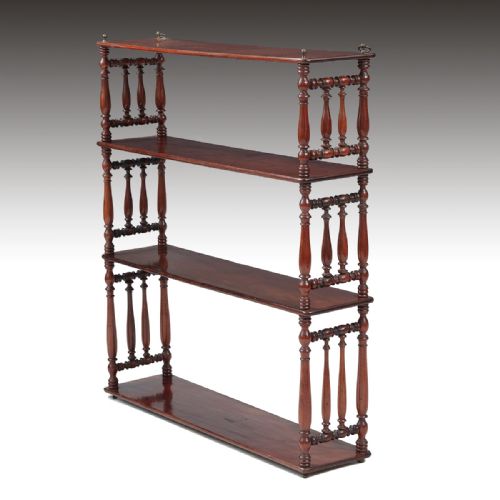
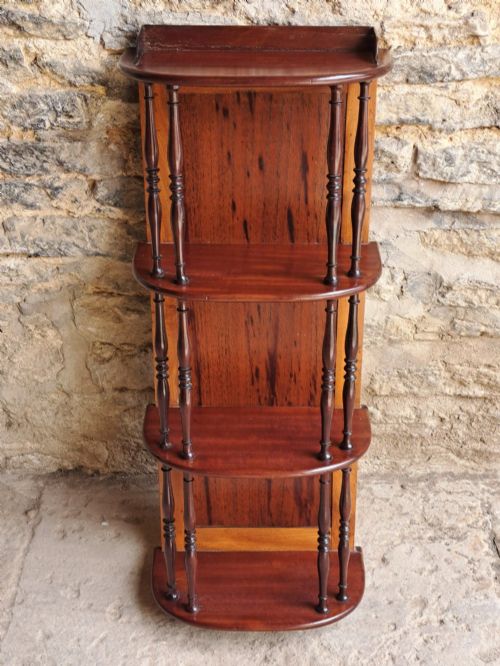
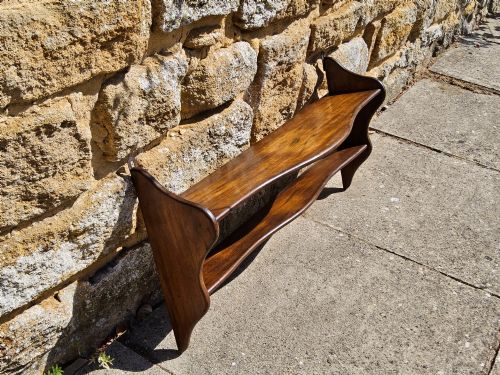
These hanging display shelving pieces lift your collections off the floor to showcase ceramics and books upon the wall.
Hanging Display Shelving
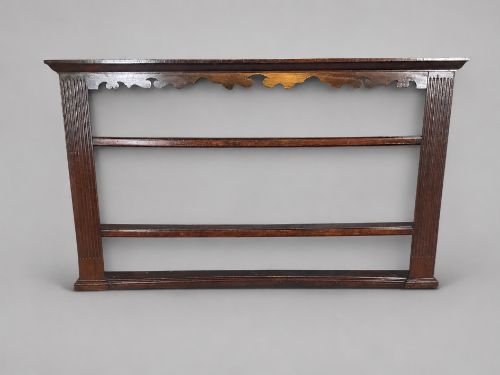
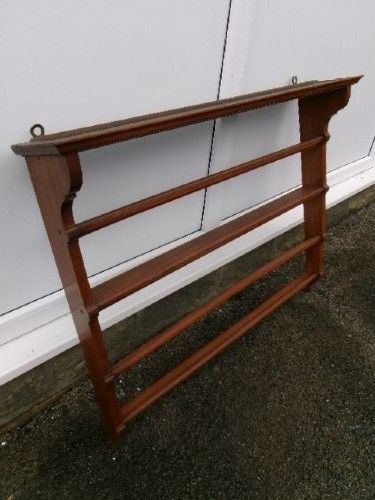
Hanging display shelving encompasses wall shelves, cabinets, plate racks, and corner units designed to mount directly onto interior walls. The selection here leans heavily towards nineteenth-century mahogany iterations alongside Georgian, Victorian, and Edwardian examples.
Buyers will encounter various formats ranging from open tiered bookcases to enclosed wall cabinets and corner cupboards. Pieces span multiple origins including English workshops, French ateliers, and Italian makers.
The form exists to utilise vertical wall space for storage and display without crowding the room with heavy floor-standing furniture. These units serve both practical and decorative purposes across domestic interiors.
Materials and construction methods
Cabinet makers utilised dense hardwoods such as mahogany, walnut, oak, and rosewood, often pairing them with brass fixings, ebonised detailing, or inlaid satinwood. Lighter alternatives like satin birch, cherry wood, and painted woods also appear across the periods.
Construction techniques include traditional joinery adapted for secure wall mounting, with decorative elements ranging from plain polished timber surfaces to hand-painted finishes, lacquer, and carved Gothic Revival motifs.
Hanging Display Shelving Retail Price Guide 2026
Typical asking prices for hanging display shelving among the pieces listed under this phrase on Sellingantiques today, from the lower quarter to the upper quarter. They describe what is for sale here now, not the wider market.
Assessing quality in hanging display shelving
Quality reveals itself in the selection of timber grain, the precision of the joinery, and the subtlety of decorative carving or inlay work. Finer examples display balanced proportions and robust mounting structures that support the weight of books or ceramics securely.
The distinction between standard utility shelving and finer display pieces rests on decorative ambition, such as detailed fretwork, waterfall tiers, or specialised regional craftsmanship like Sorrento inlay.
George Edmund Street
The Hanging Display Shelving Glossary
- Wall shelves
- Open tiers mounted to a vertical surface for displaying books or objects. These provide immediate visibility to the items placed upon them.
- Plate rack
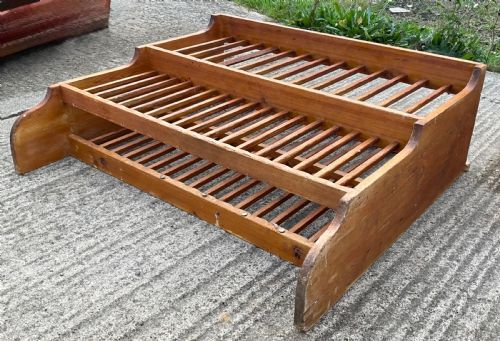
- A specialised shelving format featuring vertical slats or grooves to hold plates upright. This design protects tableware while putting ceramic patterns on display.
- Corner shelves
- Shelving units constructed with a ninety-degree angle to fit neatly into room corners. They make efficient use of otherwise neglected architectural spaces.
- Waterfall shelves
- Shelving units featuring descending tiers that step forward as they move down. This cascading silhouette creates a distinct visual rhythm on the wall.
- Ebonised wood
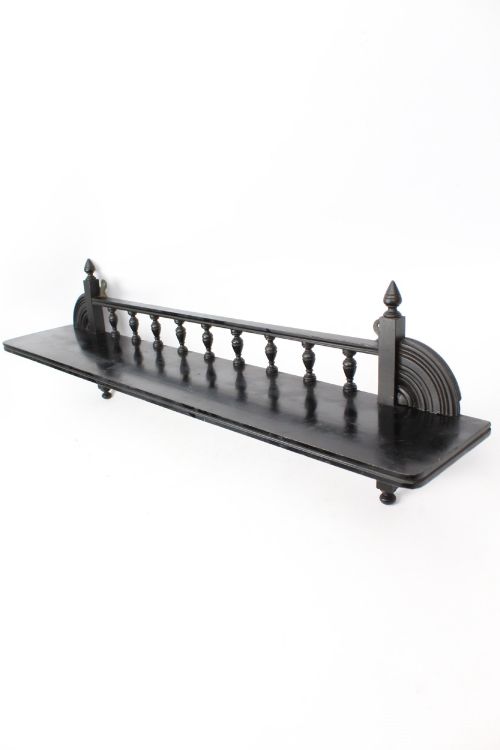
- Timber treated with a dark chemical stain or finish to imitate ebony. This technique was particularly favoured during the Victorian Aesthetic Movement.
Hanging Display Shelving: Frequently Asked Questions
How do I hang antique wall shelves safely?
Antique wall shelves require heavy-duty fixings matched to the weight of the timber and the type of wall construction in your home. Professional installation ensures the piece fastens securely into structural studs or masonry.
Distributing weight evenly across the shelves prevents undue strain on the historic joints and mounting brackets over time.
What periods do these hanging shelves come from?
The selection spans several centuries, featuring eighteenth-century Georgian designs, nineteenth-century Victorian and Regency pieces, and early twentieth-century Edwardian examples. Each period brings distinct timber choices and decorative styles to the wall.
Victorian pieces often showcase robust mahogany or Gothic Revival ebonisation, while Edwardian versions frequently utilise lighter satinwood or inlaid mahogany.
Can these shelves hold heavy books?
Many wall-mounted bookcases and sturdy mahogany units were built to accommodate collections of heavy volumes. Assessing the depth of the shelves and the condition of the backboards indicates whether a piece suits books or lighter display objects.
Smaller bracketed shelves function best for cabinet porcelain, decorative plates, and small ornaments rather than dense libraries.
How do I care for antique polished timber?
Maintaining antique timber involves keeping shelves away from direct sunlight and dramatic temperature shifts that cause wood to warp or dry out. Regular dusting with a soft, dry cloth preserves the polished surface.
A light application of appropriate beeswax feeds the wood without building up heavy chemical residues that dull the grain.