





Handwoven Wool Prayer Rug
A handwoven wool prayer rug brings tribal artistry and centuries of nomadic weaving tradition directly into your living space.
Handwoven Wool Prayer Rug
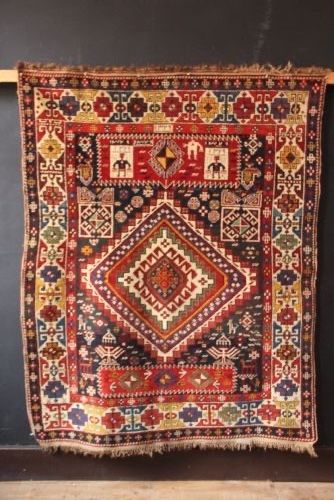
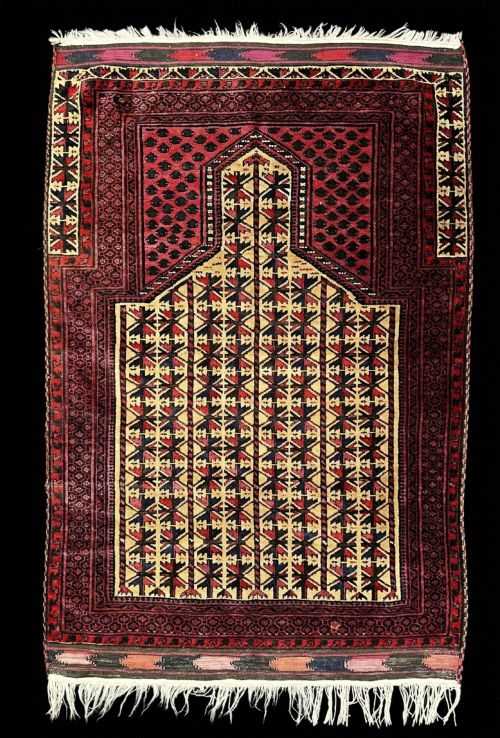
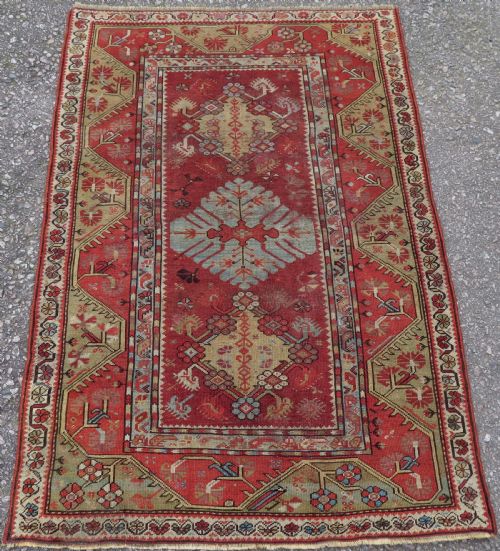
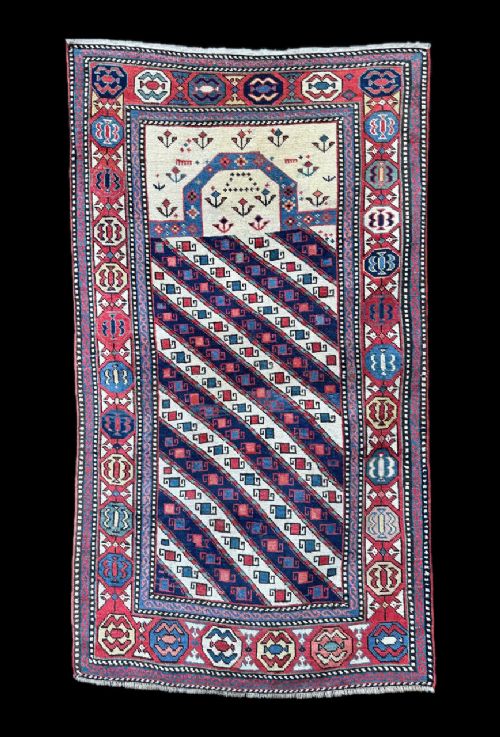
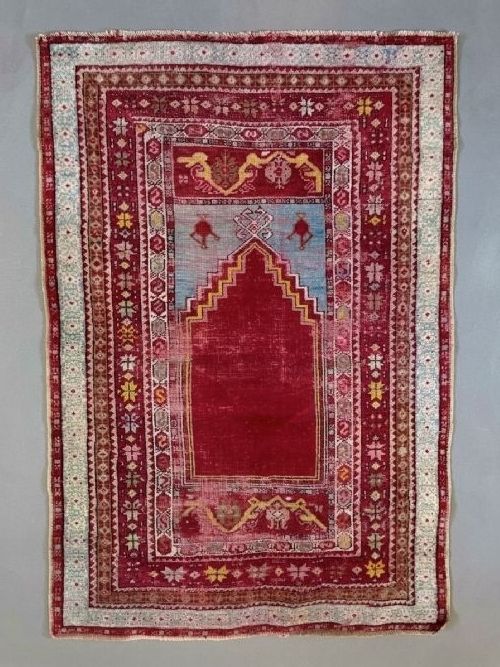
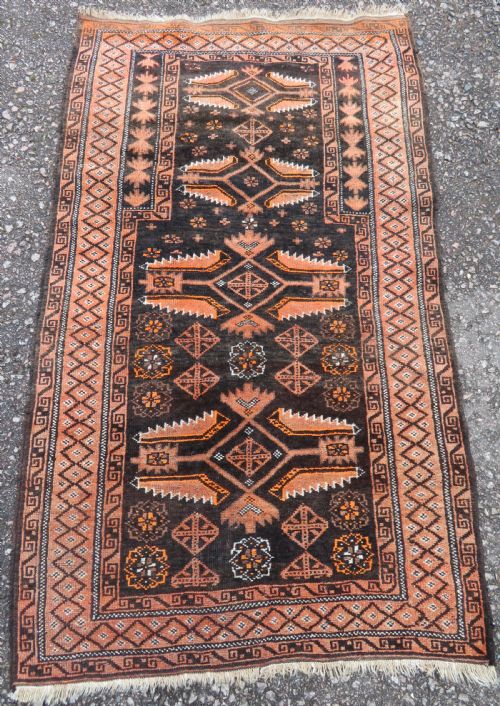
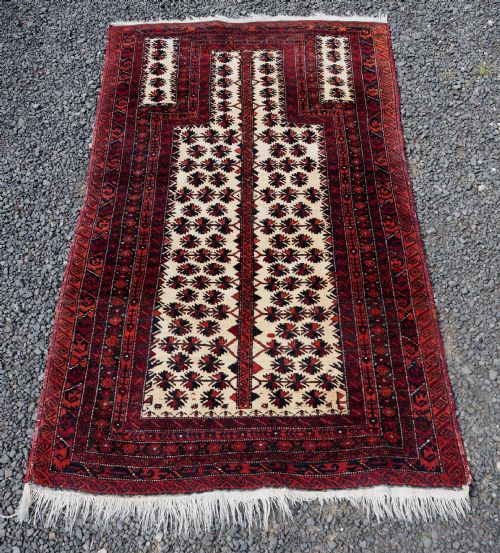
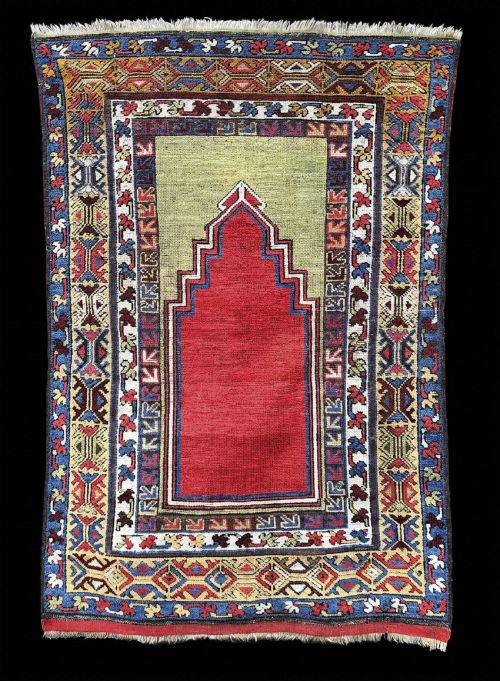
A handwoven wool prayer rug is a portable textile created for personal devotion, typically distinguished by a directional niche or architectural motif pointing toward Mecca. These textiles emerge primarily from village and nomadic traditions across Anatolia, the Caucasus, Persia, and Afghanistan.
The pieces you encounter on this page span the nineteenth and early twentieth centuries, reflecting diverse regional aesthetics from Turkish Milas and Konya workshops to Baluch and Turkmen tribal camps.
Makers utilised traditional formats, often incorporating single or multiple arches known as mihrabs, alongside geometric symbols and floral elements that identify the specific tribal group or weaving centre.
Materials and construction methods
Weavers constructed each handwoven wool prayer rug using durable wool for the pile, frequently paired with cotton foundations or camel hair and camel wool for natural colour variation and soft texture.
Natural dyes provide the foundational palette across these historical pieces, yielding rich tones that age with considerable depth over decades of use.
Handwoven Wool Prayer Rug Retail Price Guide 2026
Typical asking prices for handwoven wool prayer rug among the pieces listed under this phrase on Sellingantiques today, from the lower quarter to the upper quarter. They describe what is for sale here now, not the wider market.
Listings feature pieces dated from the mid-nineteenth century through the 1930s, utilising wool, cotton, and camel hair.
Distinctions in quality and execution
Quality in a handwoven wool prayer rug rests upon the precision of the knotting, the handling of the pile, and the clarity of the design motifs within the field.
Examples that demonstrate superior execution often display balanced proportions, saturated natural dyes, and crisp rendering of architectural prayer arches or intricate lattice patterns.
The Handwoven Wool Prayer Rug Glossary
- Mihrab
- The arched niche design found on prayer rugs that indicates the direction of prayer. This architectural motif forms the visual centre of the textile.
- Kilim
- A flatweave textile produced without a pile. Many prayer rugs incorporate kilim end panels woven with supplementary technique.
- Seh Mihrab
- A triple arch design layout featuring three distinct prayer niches across the upper field. This configuration appears frequently in Afghan and Turkmen weaving traditions.
- Natural Dyes
- Colourants derived from plant, insect, and mineral sources prior to the widespread adoption of synthetic aniline dyes. These materials produce harmonious, ageing palettes.
Handwoven Wool Prayer Rug: Frequently Asked Questions
What is a prayer rug?
A prayer rug is a small carpet designed specifically for individual daily prayers, featuring a directional niche that the worshipper points toward Mecca during use.
Historically, weavers in nomadic and village communities created these pieces for personal or communal devotion, incorporating protective symbols and regional patterns into the pile.
How do I identify a prayer rug?
The primary identifier is the mihrab, an arch or niche shape at one end of the rug that directs the user during prayer.
These textiles are generally smaller than room-sized carpets, making them portable and suited for personal placement on floors.
Where were these rugs made?
These textiles originate from regions with rich weaving traditions, including Anatolia, the Caucasus, Persia, and Afghanistan.
Different tribes and villages, such as the Baluch, Turkmen, and Kazak groups, developed distinct wool preparation methods, colour palettes, and geometric or floral motifs.
How should I care for an antique rug?
Protect antique wool textiles by keeping them out of direct sunlight and using a breathable rug underpad beneath them on the floor.
Vacuum gently without using a rotating brush roll, and consult a specialist experienced in historic textiles for any professional cleaning needs.