

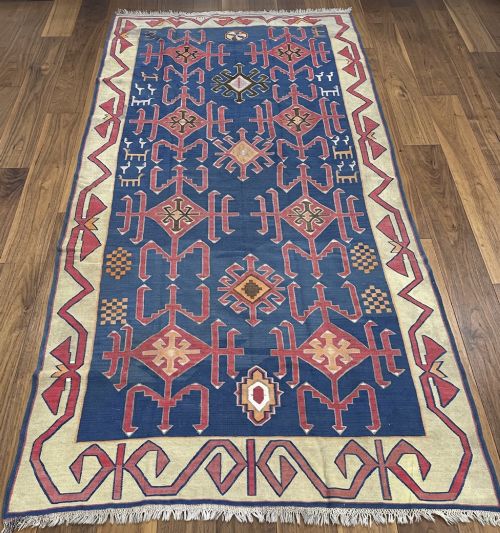
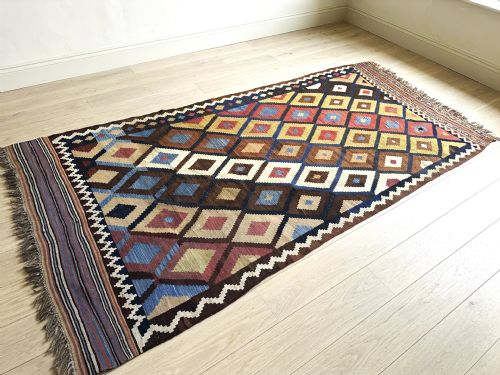
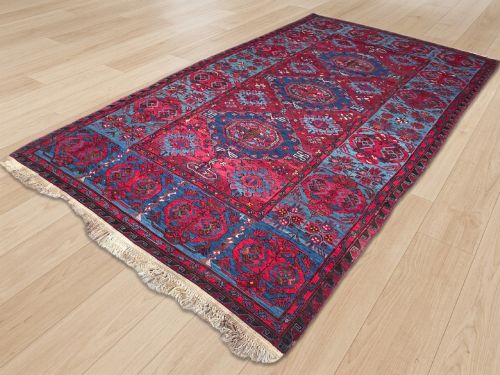
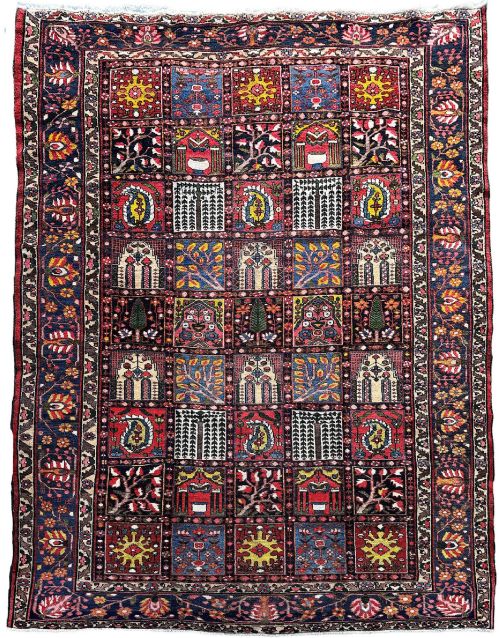
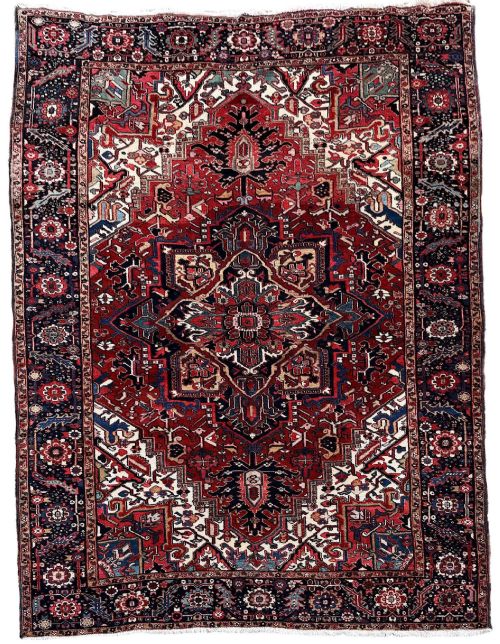
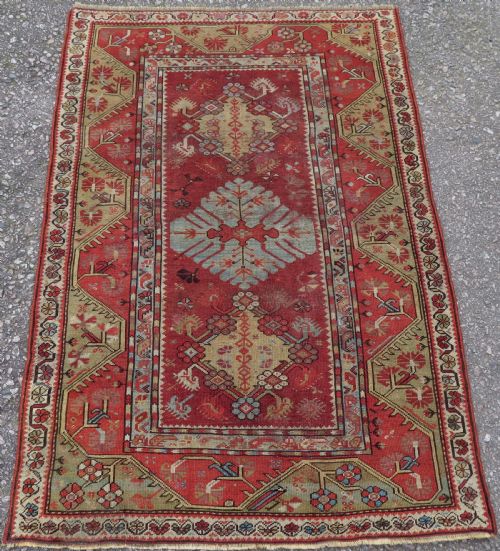
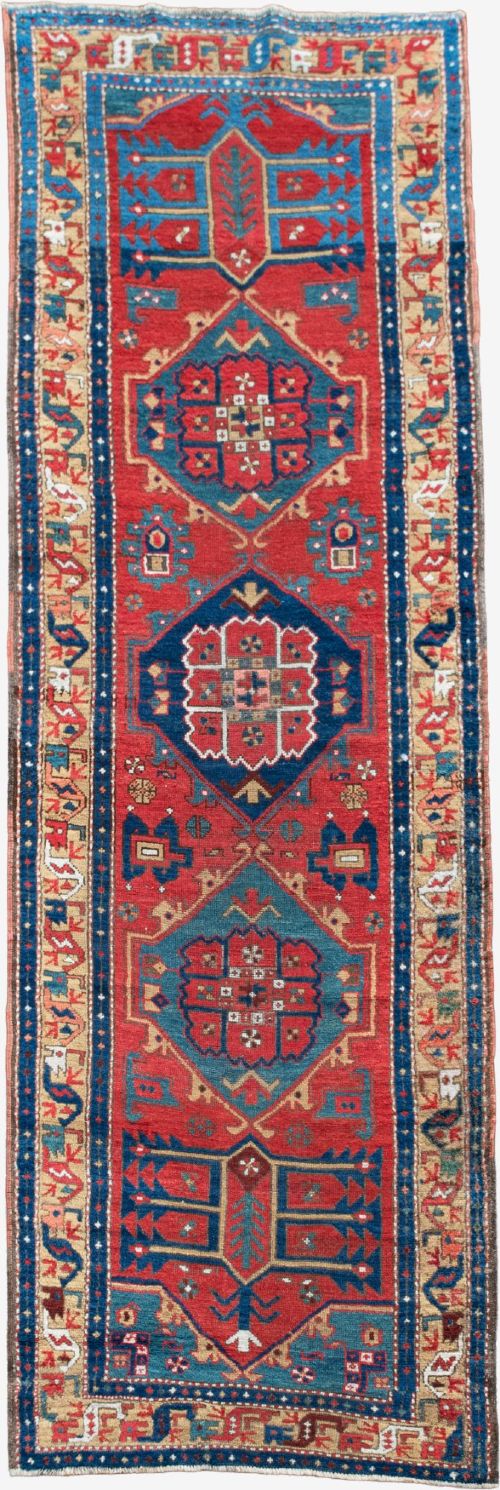
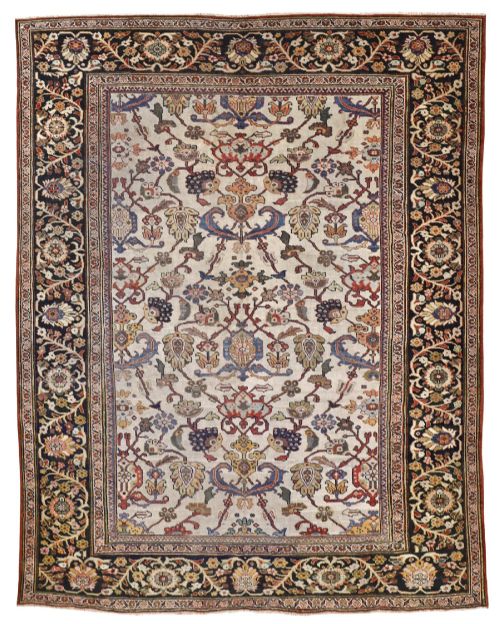
Handwoven Vintage Carpet
When you search for handwoven vintage carpet, you encounter traditional floor coverings created by tribal and village makers across the nineteenth and early twentieth centuries.
Handwoven Vintage Carpet
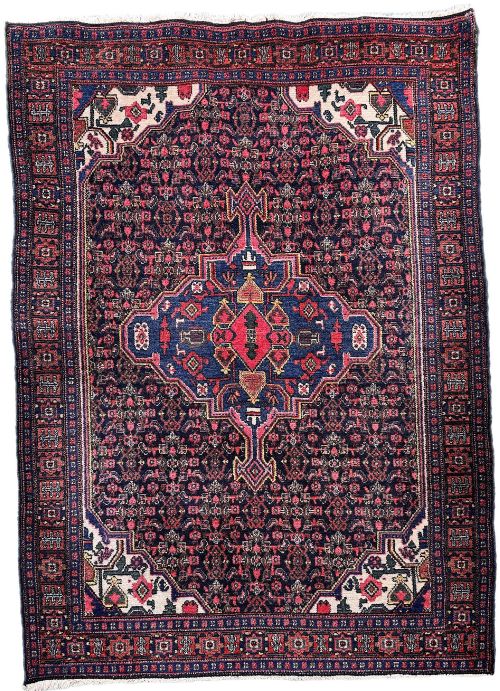
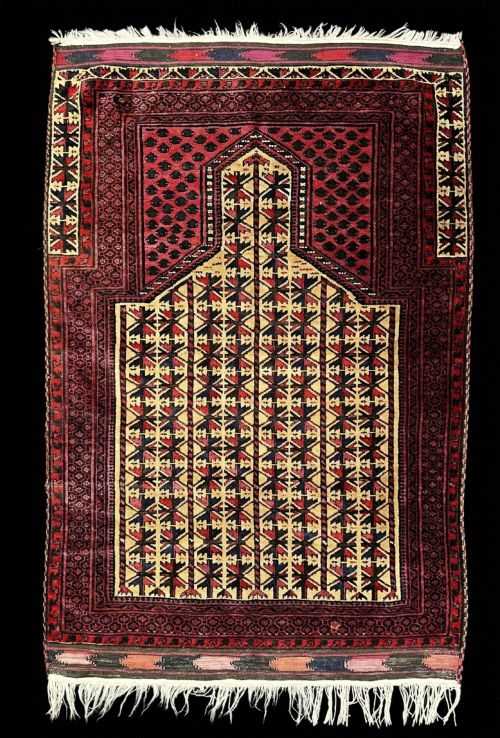
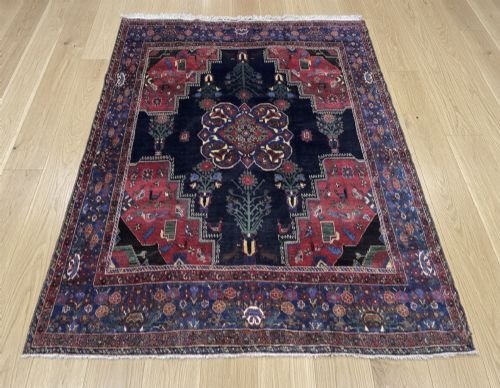
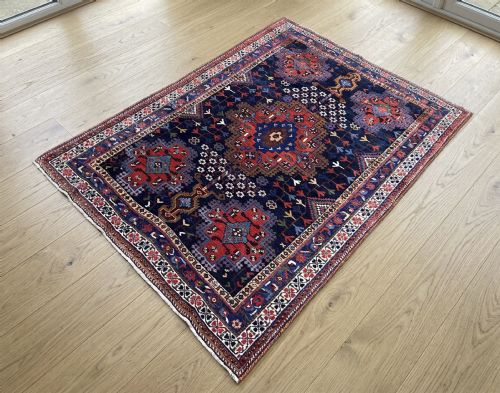
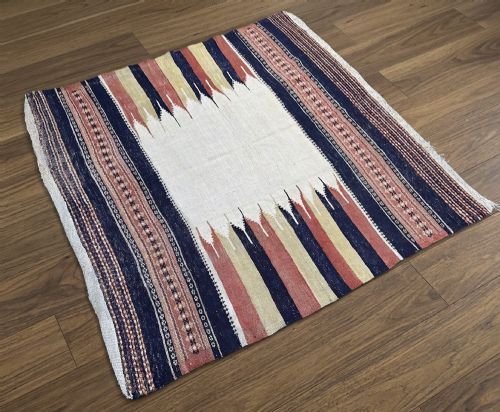
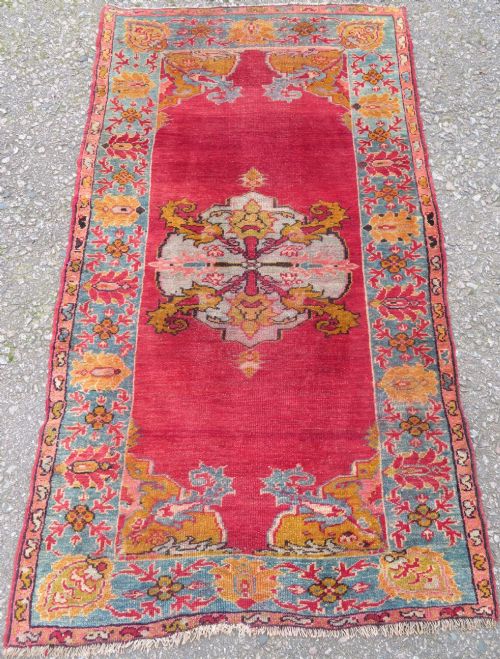
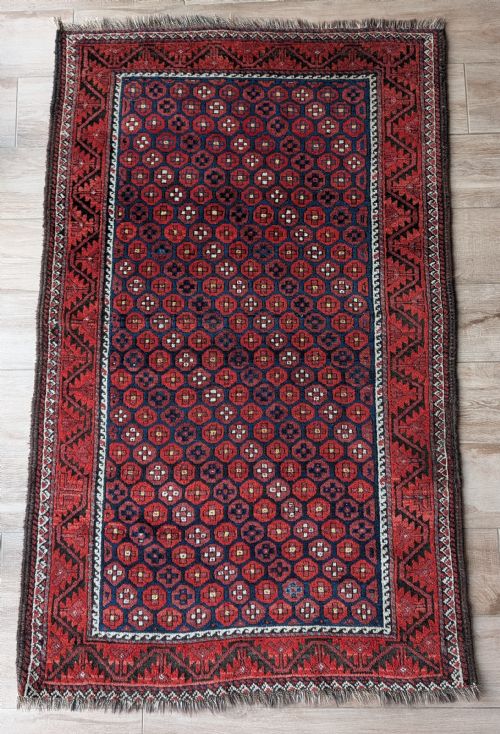
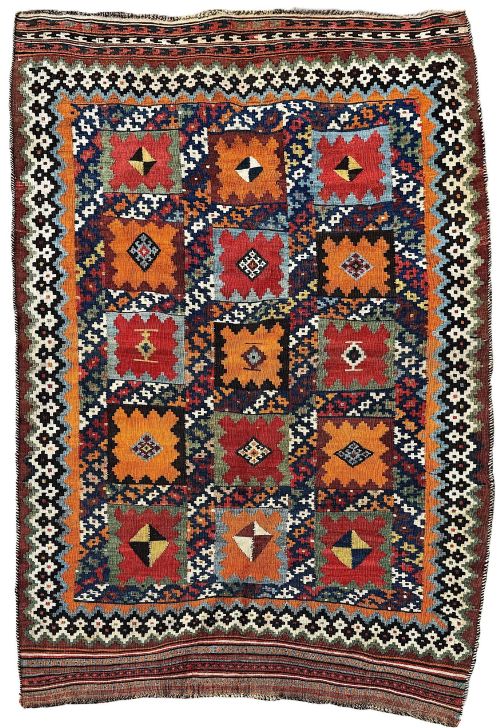
A handwoven vintage carpet encompasses room-size carpets, runners, area rugs, prayer rugs, and flatweaves originating from regions such as Persia, the Caucasus, Anatolia, and Central Asia. These items span periods from the mid-nineteenth century up to the 1930s, reflecting diverse regional aesthetics.
The most common examples on this page are Persian Heriz carpets, Caucasian tribal rugs, and Afghan village carpets. Buyers encounter formats ranging from compact saddle bags and small scatter rugs to substantial room carpets and long runners.
Materials and construction methods
These floor coverings rely on natural materials, predominantly hand-spun wool and cotton foundations, alongside specialty fibres like cactus silk and sabra fibre found in Moroccan examples. Weavers knotted or flatwove these materials by hand on upright looms.
Makers utilised natural dyes to colour the wool, producing deep reds, blues, and earthy tones that age with distinct character. The structural integrity depends on the tightness of the weave and the quality of the wool pile.
Handwoven Vintage Carpet Retail Price Guide 2026
Typical asking prices for handwoven vintage carpet among the pieces listed under this phrase on Sellingantiques today, from the lower quarter to the upper quarter. They describe what is for sale here now, not the wider market.
Listings feature pieces dated across the nineteenth century, 1880, 1890, 1900, 1910, 1920, and 1930.
Distinctions in quality
Quality rests in the precision of the tribal design, the saturation and depth of the natural dyes, and the density of the wool pile. Finer knotting allows for crisper geometric or floral medallion motifs.
Condition and wear also separate examples, where even distressed surfaces show the underlying strength of the hand-spun foundation threads. The integrity of the original borders and selvedges completes the assessment.
The Handwoven Vintage Carpet Glossary
- Flatweave
- A textile produced without a pile by interlocking warp and weft threads together. Examples include kilims and soumaks.
- Medallion
- A central ornamental design motif placed in the middle of the carpet field. These often take geometric or floral shapes.
- Warp
- The stationary vertical threads stretched across the loom that form the structural foundation. Weavers tie the wool knots directly onto these threads.
- Weft
- The horizontal threads passed through the warp to hold the knots in place. They determine the firmness of the woven body.
- Prayer rug
- A small format textile featuring a mihrab or arch design indicating the direction of prayer. These were historically used for personal devotion.
Handwoven Vintage Carpet: Frequently Asked Questions
How do I date an antique rug?
Dating relies on stylistic markers, dye analysis, and structural characteristics typical of specific weaving communities active in the nineteenth or early twentieth centuries. Certain village patterns and natural dye palettes help narrow down the period of production.
Comparison with documented tribal pieces from regions like the Caucasus or Persia provides further chronological context for each item.
Are these carpets suitable for heavy foot traffic?
Traditional hand-spun wool and sturdy cotton foundations provide natural durability for everyday use in living spaces and hallways. Regular rotation and appropriate underlays help protect the pile from excessive wear.
Many village and tribal carpets were built for practical domestic life and tolerate normal household activity well.
How do I clean a vintage wool carpet?
Gentle surface cleaning and periodic professional dusting maintain the integrity of natural wool and plant dyes. Harsh chemical treatments and excessive water should be avoided.
Consulting a specialist familiar with antique textiles ensures the proper care of delicate fibres.
What is the difference between a kilim and a carpet?
A kilim is a flatwoven textile with no pile, created by interweaving warp and weft threads to form flat geometric patterns. A carpet incorporates a dense pile of knotted wool standing upright from the foundation.
This structural difference gives carpets a plush texture while flatweaves remain lightweight and reversible.