



Handwoven Vanity Bag
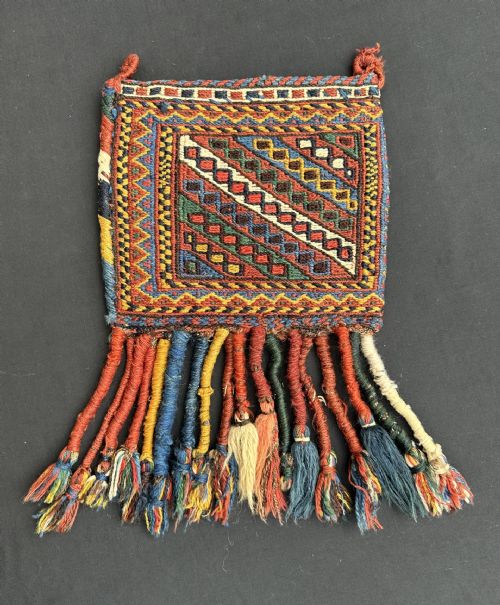
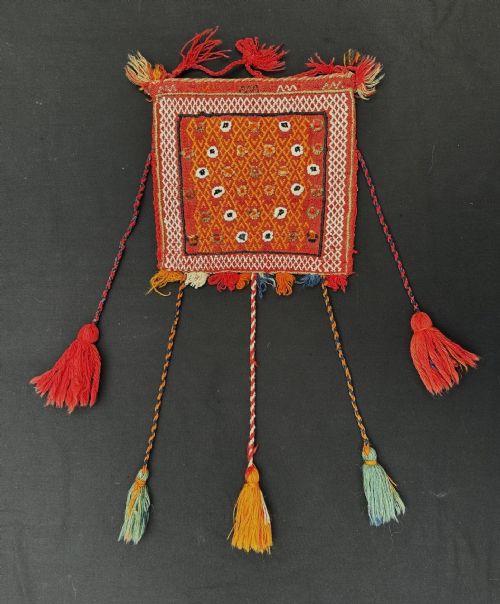
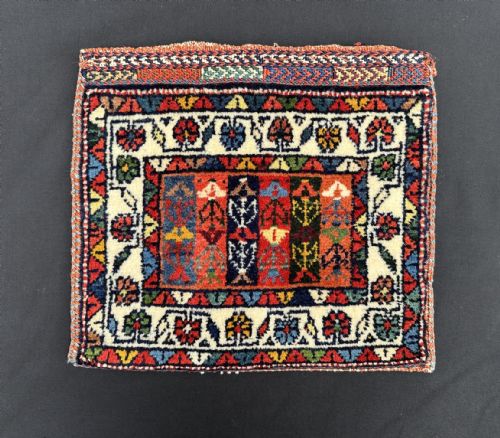
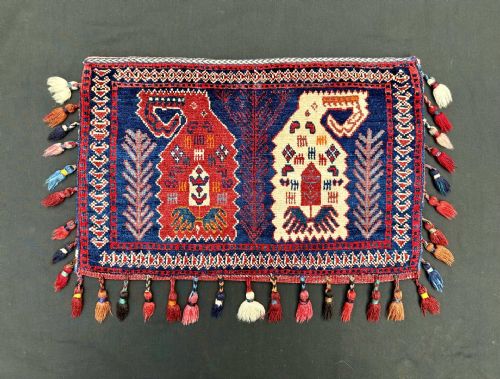
These handwoven vanity bag pieces are tribal textiles created by Persian nomads, offering both practical storage and rich cultural history.
Handwoven Vanity Bag
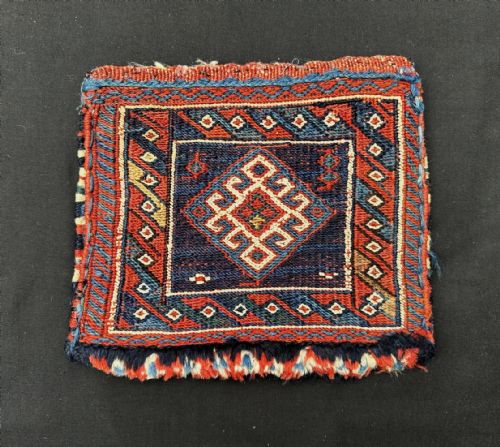
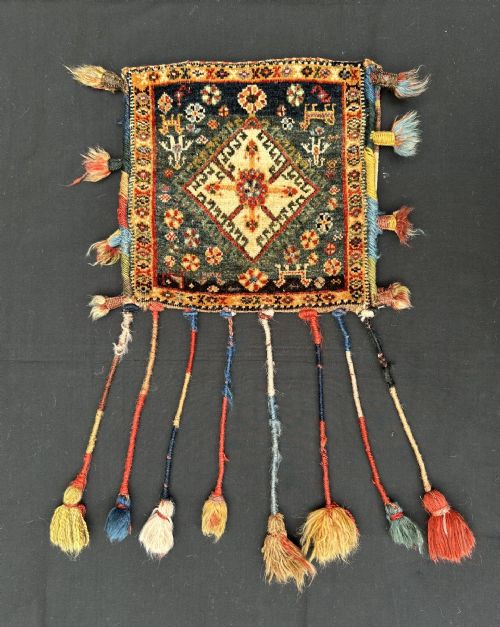
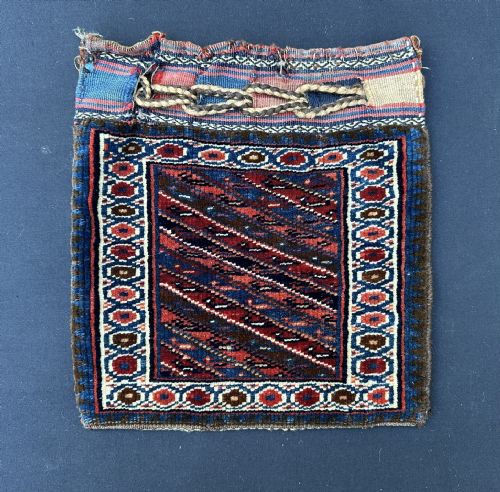
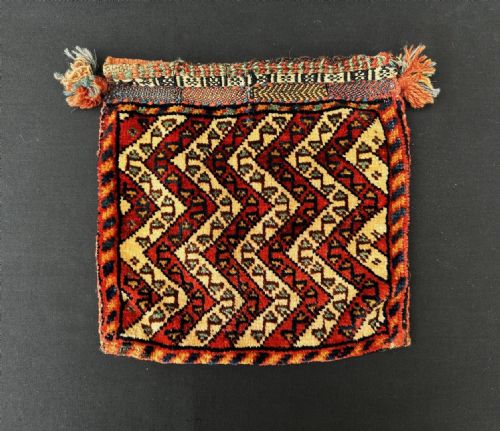
A handwoven vanity bag is a tribal textile originating from various regions of Persia, including South-West Persia, North Persia, and the Jebal Barez Mountains. The pieces available here represent specific groups such as the Qashqa'i Confederacy, Afshar nomads, Bakhtiari tribes, and Sistan Baluch makers.
These items typically manifest as tribal bags, storage pouches, and trappings created across the late nineteenth and early twentieth centuries. They function as portable containers that reflect the distinct weaving traditions and regional aesthetics of their makers.
The forms range from single-sided pouches to double-sided vanity bags, capturing the utilitarian yet decorative arts of tribal societies. Each piece connects directly to the domestic and nomadic life of Persian tribal groups from eighteen-eighty to nineteen-twenty.
Materials and construction
The construction of a handwoven vanity bag relies primarily on wool and cotton foundations and pile, worked by skilled tribal weavers. Natural dyes provide the distinct colour palettes seen across these nineteenth and twentieth-century textiles.
Certain examples incorporate cowrie shells into their surface design, adding texture and traditional ornamentation to the woven structure. These materials reflect the accessible resources of the Persian nomads and tribal confederacies who produced them.
Handwoven Vanity Bag Retail Price Guide 2026
Typical asking prices for handwoven vanity bag among the pieces listed under this phrase on Sellingantiques today, from the lower quarter to the upper quarter. They describe what is for sale here now, not the wider market.
Some nomadic weavers thoughtfully added cowrie shells to their vanity bags so you could jingle your way through the desert in style.
Assessing quality in tribal bags
Quality in a handwoven vanity bag depends upon the tightness of the weave and the complexity of the tribal patterns executed by the maker. Finer knotting and well-preserved natural dyes elevate certain examples above simpler utility pouches.
The condition of the wool, cotton, and any applied elements like cowrie shells determines the structural integrity of the bag. Tribal pieces retaining clear attribution to specific groups such as the Qashqa'i or Afshar demonstrate distinct regional artistry.
The Handwoven Vanity Bag Glossary
- Vanity bag
- A portable tribal pouch used by Persian nomads for personal storage and small possessions. These items combine practical utility with traditional textile artistry.
- Tribal bag
- A woven container produced by nomadic or village groups for storage and domestic use. They are characterised by regional motifs and durable materials like wool and cotton.
- Natural dye
- Colouring derived from plant, animal, or mineral sources rather than synthetic chemicals. These substances create the rich, organic hues found in antique Persian textiles.
- Cowrie shell
- Small marine mollusc shells historically used as currency, decoration, and protective amulets. They occasionally appear stitched onto tribal bags and trappings.
- Confederacy
- An alliance of various tribes or clans acting under shared leadership, such as the Qashqa'i. This social structure influences the shared design vocabulary of their textiles.
Handwoven Vanity Bag: Frequently Asked Questions
What did nomads use a vanity bag for?
Nomadic weavers used a handwoven vanity bag to store personal items, mirrors, and small ornaments during travel. These pouches were essential personal accessories in daily nomadic life.
They also served as decorative storage within tents, showcasing the weaving skill and cultural identity of the family who made them.
Where were these tribal bags made?
These bags were produced across various regions of Persia by groups such as the Afshar, Qashqa'i, and Bakhtiari tribes. Each region developed distinct patterns and colour combinations.
Weavers from areas like Fars Province, Kerman Province, and West Persia contributed their own specific stylistic variations to the tradition.
How do I date an antique vanity bag?
Dating relies on examining the wool quality, the composition of natural dyes, and the specific tribal attribution visible in the motifs. Pieces in the current selection span from eighteen-eighty to the early twentieth century.
Structural characteristics and regional weaving styles help place each textile within this late nineteenth to early twentieth-century timeframe.
How should I care for a textile bag?
Display your handwoven vanity bag away from direct sunlight to protect the natural dyes from fading over time. Gentle, periodic dusting helps maintain the wool and cotton fibres.
Avoid hanging heavy objects inside the pouch to preserve the structural integrity of the historical weave.