




Handwoven Tapestry
A handwoven tapestry brings warmth and historic textile art into a room through rich wool, silk, and flatweave designs.
Handwoven Tapestry
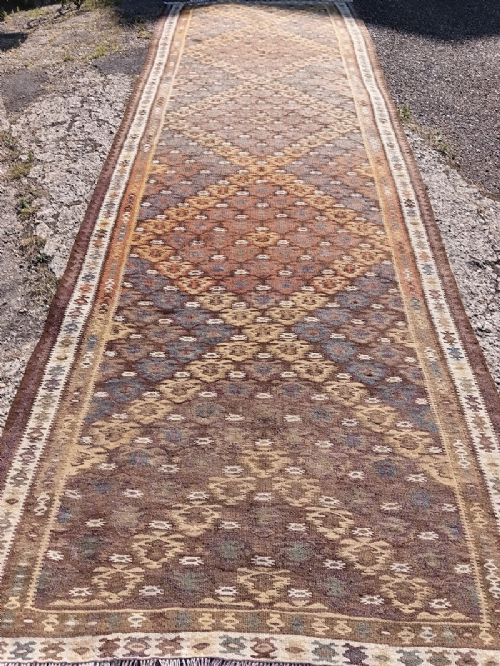
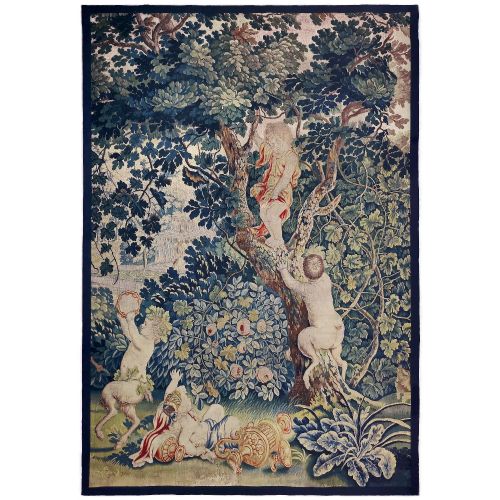
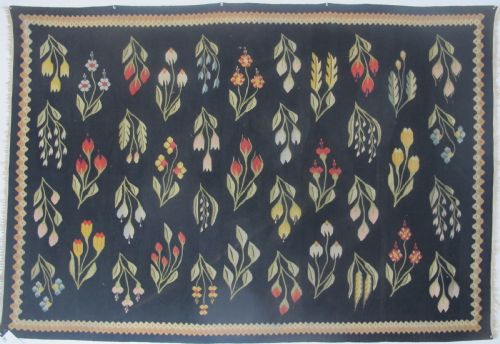
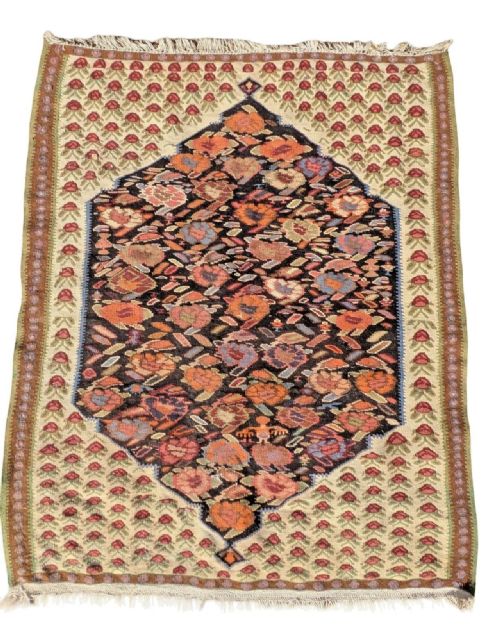
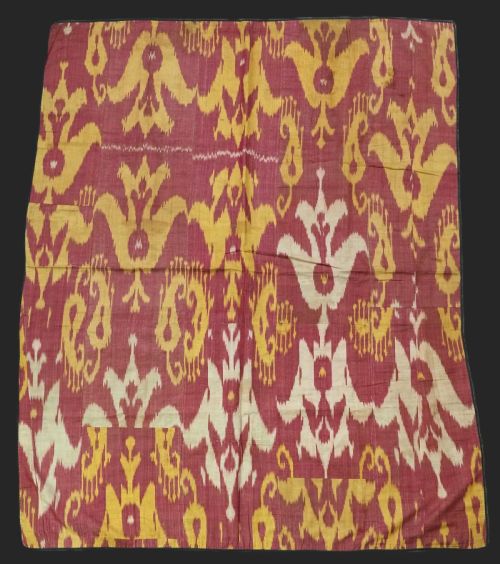
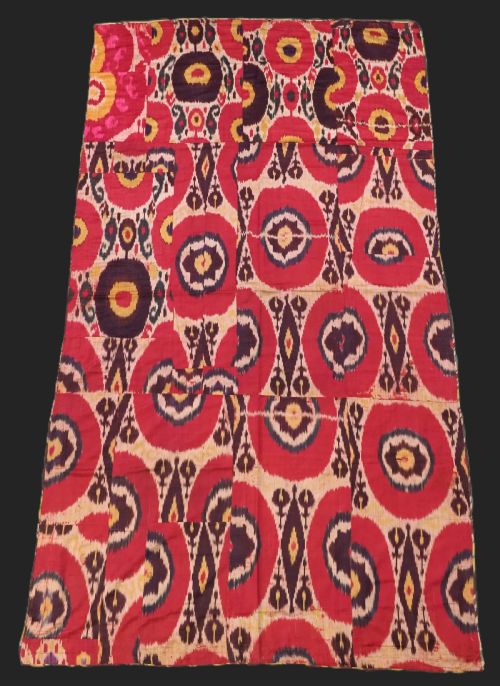
A handwoven tapestry encompasses a diverse range of historic woven and embroidered textiles, including rugs, kilims, cushions, panels, and large decorative hangings. These pieces originate from various traditions across Europe, Central Asia, and the Near East, reflecting distinct regional weaving practices.
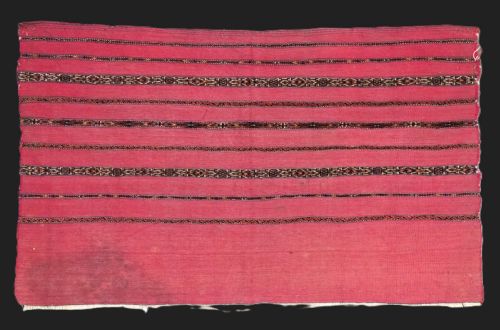
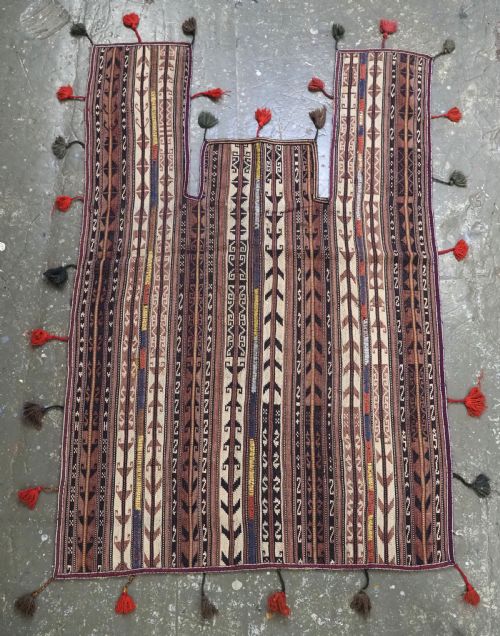
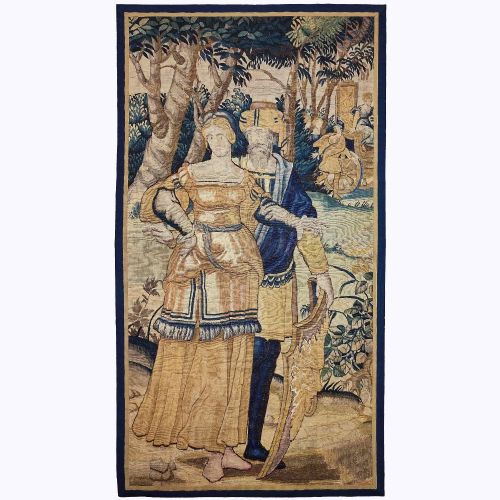
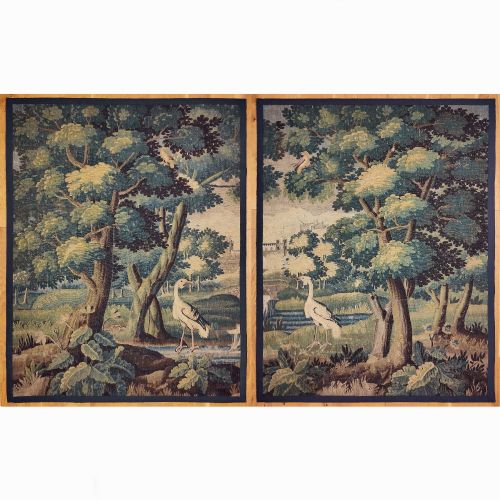
Buyers browsing this category frequently encounter flatweave kilims, tribal rugs, and decorative panels from the nineteenth and early twentieth centuries. European examples such as French Aubusson weaves and Romanian floral designs appear alongside Central Asian tribal works like Uzbek Suzanis and Turkmen chuval faces.
The selection ranges from small cushions and narrow yurt bands to room-sized carpets and multi-strip panels. Each object demonstrates specific local functional purposes, from floor coverings and horse blankets to eating cloths and wall hangings.
Materials and Construction Techniques
These textiles rely predominantly on natural fibres such as wool, cotton, silk, and linen, often prepared as hand-spun yarn or combined with semi-silk adras. Weavers utilised natural dyes to achieve deep colour palettes on camel hair, red, and neutral grounds.
Construction methods vary from traditional flatweaving and tapestry techniques to intricate embroidery and needlepoint. Many larger Central Asian kilims and Suzanis are constructed by joining multiple narrow strips together to form a cohesive surface.
Handwoven Tapestry Retail Price Guide 2026
Typical asking prices for handwoven tapestry among the pieces listed under this phrase on Sellingantiques today, from the lower quarter to the upper quarter. They describe what is for sale here now, not the wider market.
Listings feature textiles spanning from the sixteenth century through the mid-twentieth century, including French Aubusson panels and Central Asian tribal flatweaves.
Evaluating Quality and Execution
Quality in these textiles rests upon the fineness of the weave, the clarity of the graphic or floral design, and the integrity of the materials. Tighter weaves and precise execution of complex tribal or European motifs separate finer works from simpler utility pieces.
The stability of the natural dyes and the preservation of the original borders or passementerie significantly influence the character of an individual piece. Depth and nuance in the colour palette indicate careful dye preparation and skilled execution.
The Handwoven Tapestry Glossary
- Kilim
- A flatwoven carpet or rug produced without a pile, common in traditional Near Eastern and Central Asian weaving. These textiles often feature sharp geometric or stylized floral patterns.
- Suzani
- A type of embroidered tribal textile originating from Uzbekistan and surrounding regions, traditionally worked in silk or cotton on a ground fabric. They frequently display bold floral motifs intended for domestic display.
- Sofreh
- A traditional woven or embroidered cloth used during meals or dough preparation in nomadic and village households. These pieces often exhibit restrained geometric or banded compositions.
- Passementerie
- Ornamental edgings, fringes, or trimmings applied to textiles and soft furnishings. This term frequently appears in relation to European decorative panels and cushions.
- Rya
- A traditional Scandinavian piled rug known for its deep, plush texture and distinct regional patterns. These textiles evolved from functional cold-weather bed covers into decorative floor coverings.
Handwoven Tapestry: Frequently Asked Questions
How do I clean an antique tapestry?
Historic textiles require gentle handling and professional specialist cleaning rather than standard domestic washing methods. Surface dust can be carefully removed using low-suction vacuuming through a protective mesh screen.
Harsh detergents and mechanical agitation damage fragile wool, silk, and natural dye fibres. Consulting a textile conservator ensures the longevity of woven wall hangings and rugs.
Where were these textiles made?
The pieces originate from diverse cultural regions across Europe, Persia, and Central Asia. Specific origins recorded in the inventory include France, Romania, Anatolia, the Caucasus, and Uzbekistan.
Nomadic tribes, village workshops, and European ateliers each contributed distinct regional styles and weaving techniques. Geography dictates the specific motifs, materials, and structural formats found within each group.
Can I use these rugs on the floor?
Many flatwoven kilims and tribal rugs were originally constructed for floor use or heavy domestic utility. Sturdier wool and flatweave structures withstand moderate foot traffic in domestic settings.
Delicate silk panels, antique embroideries, and fragile wall hangings function better as decorative wall displays or protected surface accents. Assessing the weave density helps determine whether a piece suits a floor environment.
How do I hang a textile on the wall?
Hanging a textile safely requires distributing the weight evenly across the entire upper edge to prevent local distortion. Sewing a supportive linen sleeve along the back allows a padded metal or wooden rod to carry the load.
Direct nailing or adhesive mounting damages historic fibres and accelerates structural wear. Proper display also involves avoiding direct, strong sunlight to protect natural dyed colours from fading.