


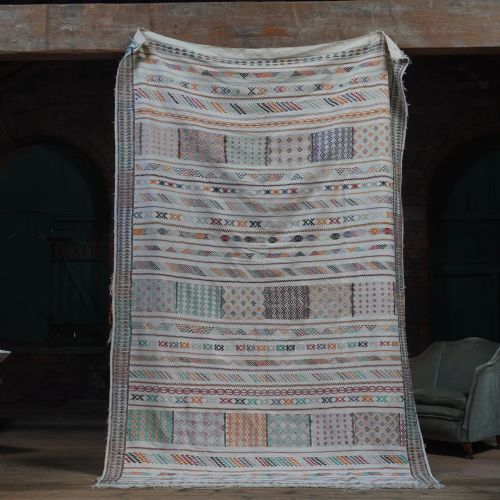
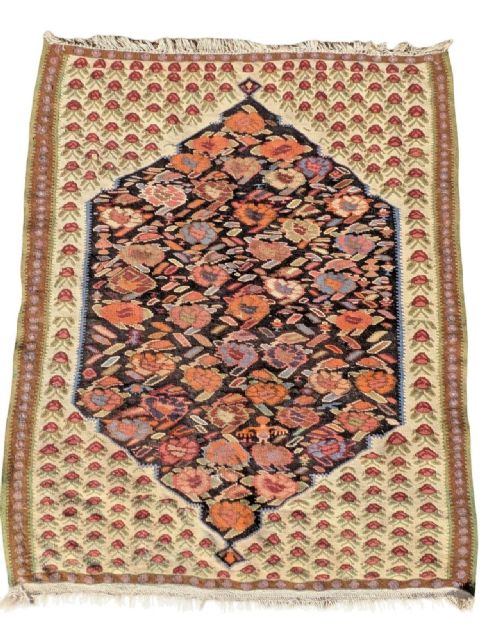
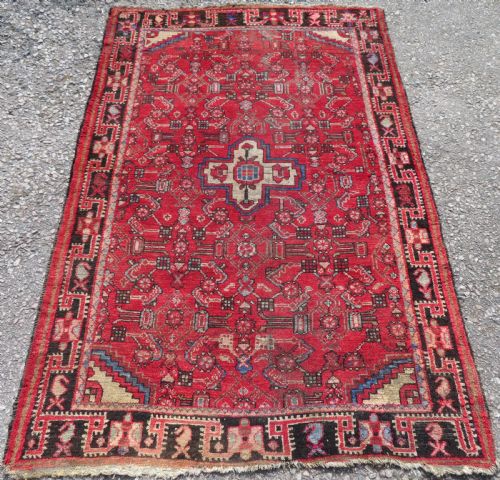
Handwoven Runner Rug
A handwoven runner rug brings long, narrow floor spaces to life with historic tribal patterns and rich wool texture.
Handwoven Runner Rug
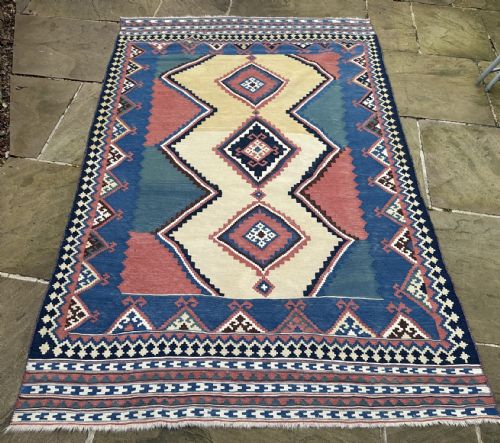
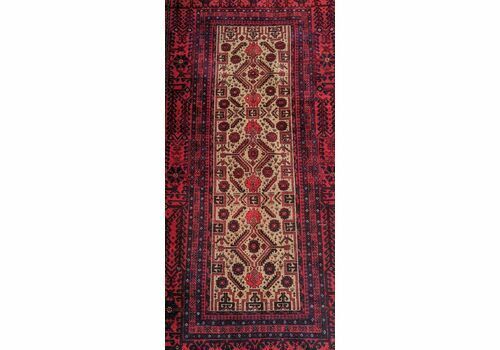
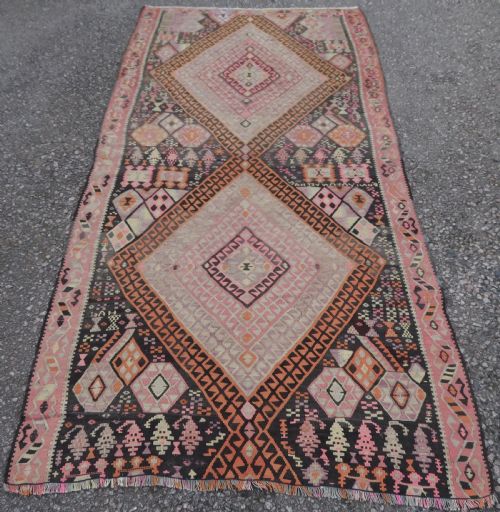
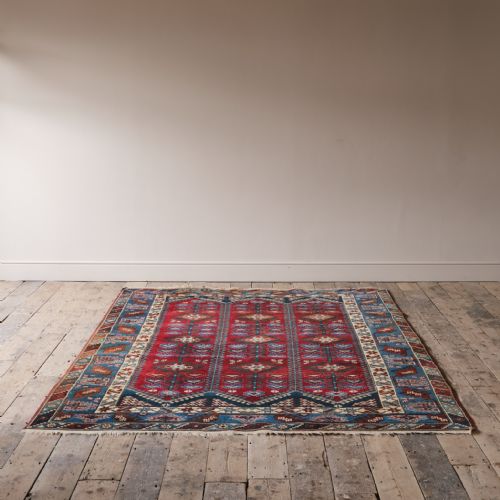
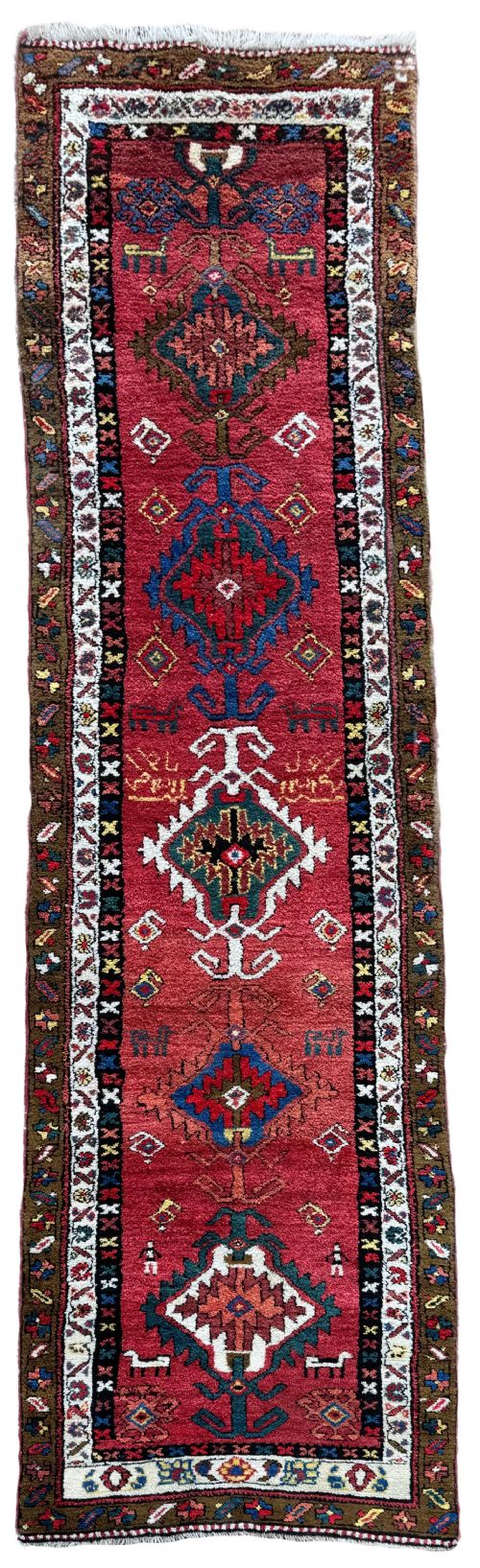
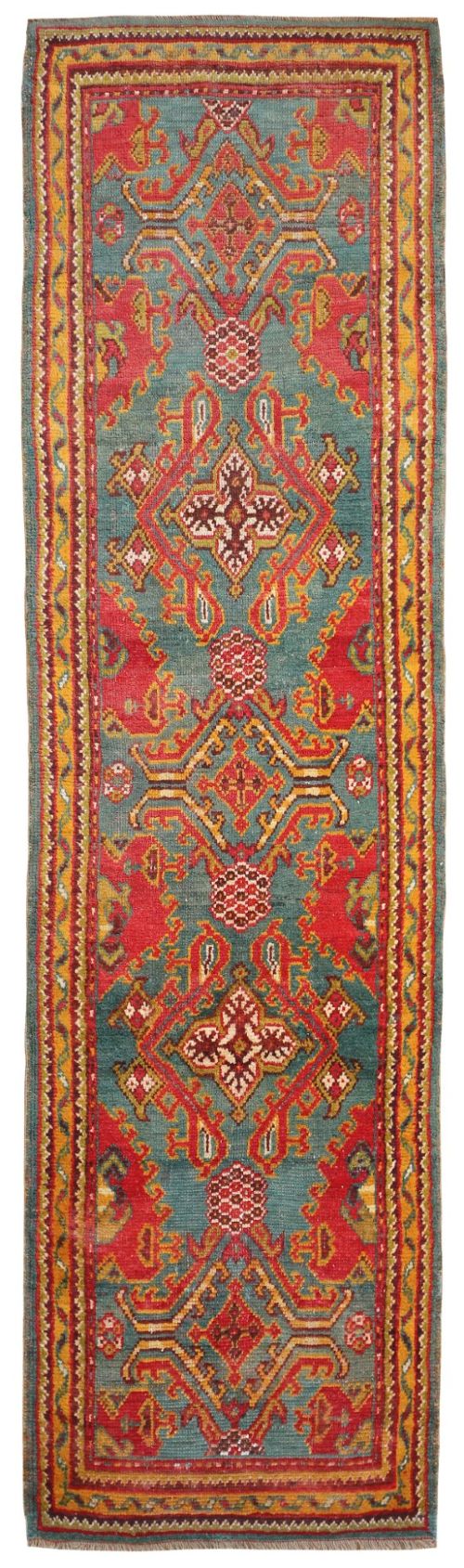
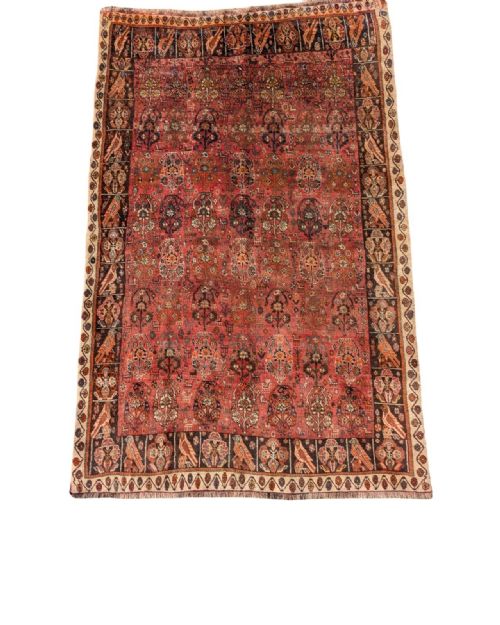
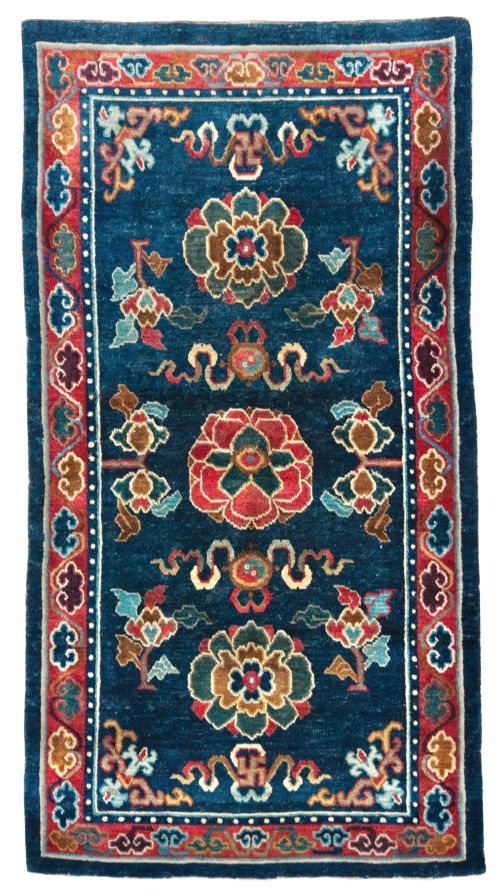
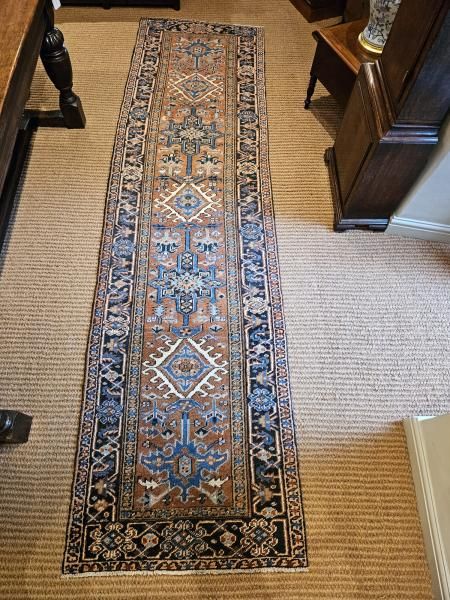
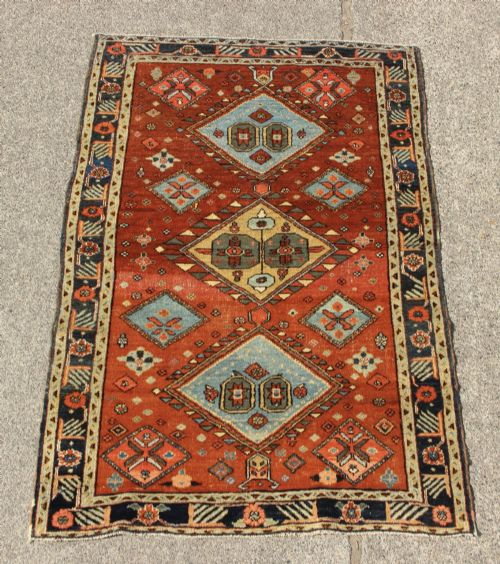
A handwoven runner rug is a long, narrow textile traditionally produced by tribal and village weavers across Persia, Anatolia, the Caucasus, and beyond. These pieces bridge utilitarian floor coverings and folk art, offering durable construction designed for corridors, staircases, and hallways. The format accommodates narrow domestic spaces while displaying the weavers' traditional geometric and floral motifs.
This selection draws predominantly from late nineteenth-century specimens up to the 1930s. Buyers frequently encounter regional Persian runner types alongside Anatolian, Caucasian, and Kurdish examples. The assortment spans flatwoven kilims and pile carpets woven on vertical or horizontal looms using local materials.
Materials and construction
These textiles rely on wool and cotton as foundational elements, utilising hand-spun wool for resilient pile and sturdy cotton for warps and wefts. Weavers employed natural dyes extracted from plants and minerals to colour the fleece, creating rich tones that mature gracefully over decades. Certain regional variants incorporate alternative textiles such as cactus silk or sabra fibre.
The construction method involves hand-knotting pile wool onto a sturdy foundation or interlocking weft threads to form flatwoven kilims and tapestries. Village and nomadic weavers worked from memory or tribal tradition rather than rigid paper cartoons, passing complex border geometries and central medallions down through generations.
Handwoven Runner Rug Retail Price Guide 2026
Typical asking prices for handwoven runner rug among the pieces listed under this phrase on Sellingantiques today, from the lower quarter to the upper quarter. They describe what is for sale here now, not the wider market.
Some nineteenth-century weavers slipped intentionally irregular motifs into their geometric borders to ward off the evil eye and claim humility before perfection.
Judging quality
Quality rests upon the tightness of the knotting or weave, the integrity of the foundation threads, and the clarity of the design motifs. Superior examples maintain straight, consistent margins along the long runner format, demonstrating high technical skill by the weaver. Denser knotting ensures the rug retains its structural resilience under heavy foot traffic.
The depth and brilliance of the natural dye palette influence the visual appeal, as well-executed botanical dyes develop a nuanced patina over time. The sophistication of the tribal iconography and the balance of the border systems distinguish exceptional pieces from ordinary utilitarian work.
The Handwoven Runner Rug Glossary
- Kilim
- A flatwoven textile produced without a pile by tightly interweaving warp and weft strands. These pieces are lightweight and historically served as floor coverings or utilitarian storage sacks.
- Warp
- The vertical threads stretched lengthwise on the loom before weaving begins. These form the structural skeleton of the rug and often show exposed fringes at either end.
- Weft
- The horizontal threads passed across the warp to hold the knots or flatweave in place. Beating down the weft firmly creates the dense structure characteristic of older tribal rugs.
- Prayer rug
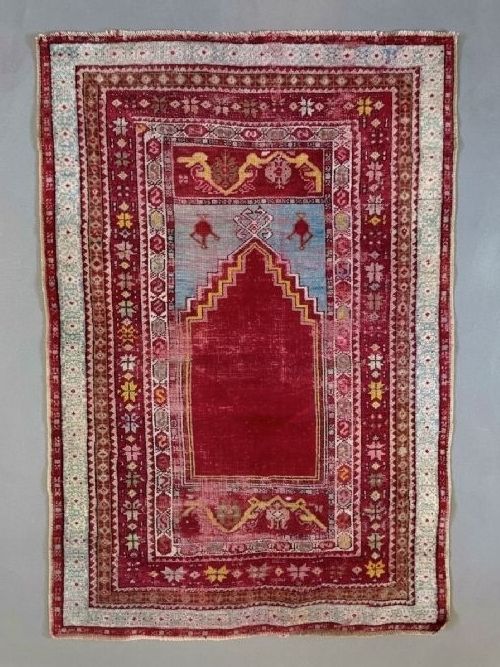
- A small format textile featuring a characteristic mihrab or arch design indicating the direction of Mecca. These pieces were traditionally used for daily devotional prayers.
- Natural dyes
- Colourants derived from organic sources such as madder root, indigo, and walnut shells. These materials yield complex, harmonious tones that age with distinct character.
Handwoven Runner Rug: Frequently Asked Questions
How do I care for an old runner rug?
Vacuum gently using suction attachment without the rotating brush bar to protect the old wool pile and foundation. Rotate the runner periodically to ensure even wear across high-traffic zones in hallways and corridors.
Professional washing by a specialist familiar with antique textiles is recommended every few years to remove embedded grit. Avoid harsh chemical cleaners and keep the textile away from prolonged direct sunlight.
Where should I place a runner rug?
These long, narrow textiles suit hallways, corridors, entryways, and narrow gallery spaces where standard rectangular rugs do not fit. They also function effectively alongside narrow kitchen islands or beside beds.
Use a quality underlay beneath the textile to prevent slipping on smooth wooden or tiled floors and to reduce friction against the foundation threads.
How do I identify the tribal origin?
Origin is determined by examining specific design motifs, border arrangements, wool characteristics, and colour palettes. Different tribes and regions, such as Heriz, Hamadan, or the Caucasus, employed distinct geometric or floral repertoires.
Structural details such as selvedge finishes and knotting density further help attribute the piece to particular weaving traditions.
What is the difference between pile and flatweave?
Pile rugs are created by knotting individual strands of wool onto the warp threads and shearing the ends to form a plush surface. This method offers warmth, thickness, and soft underfoot texture.
Flatweaves, such as kilims, lack a pile and are constructed by interweaving the coloured weft threads directly through the warp. This results in a thinner, lighter textile with a smooth finish on both sides.