

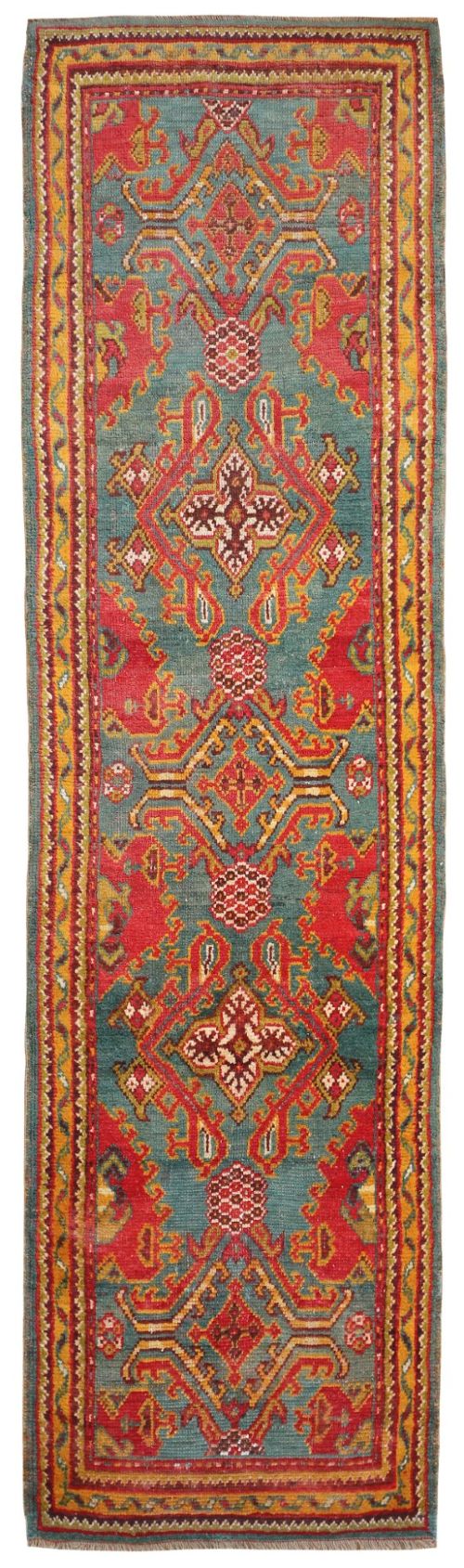
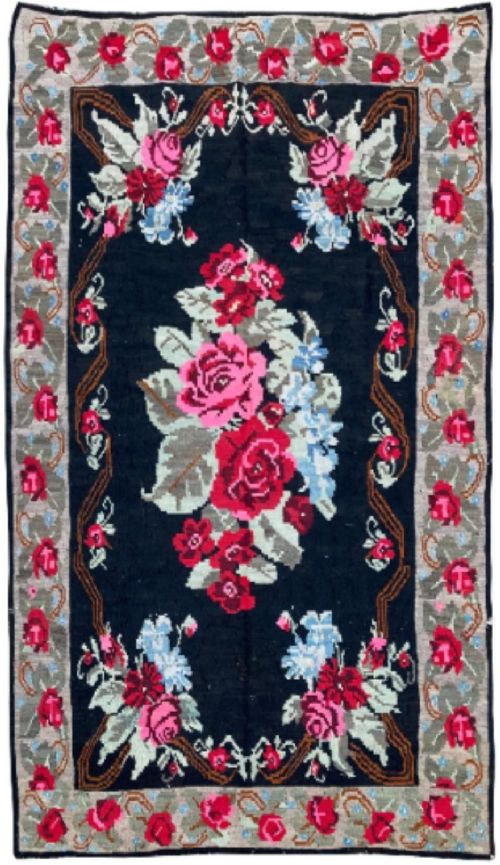
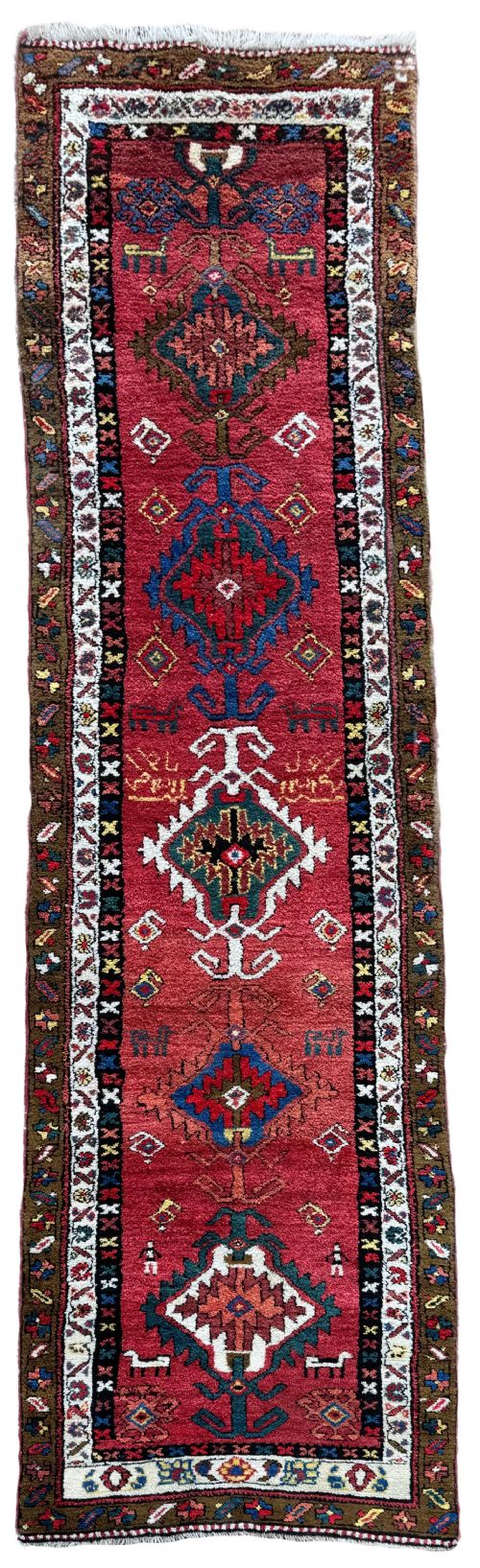
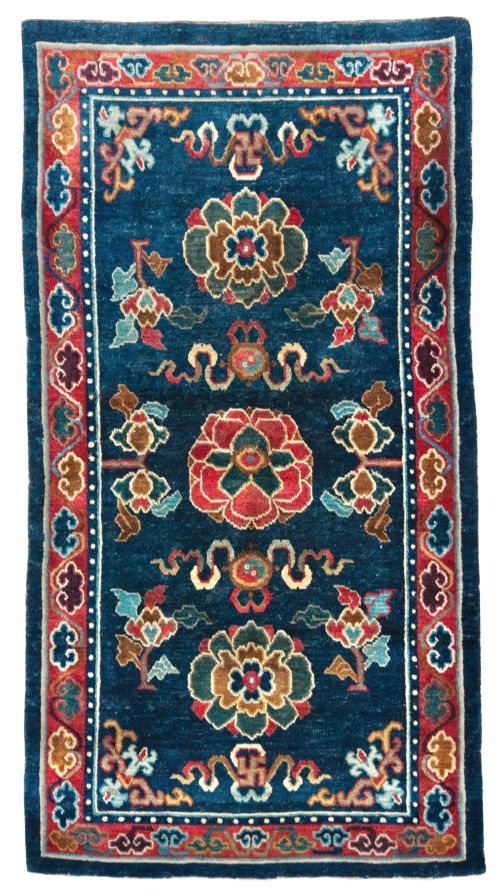
Handwoven Runner Carpet
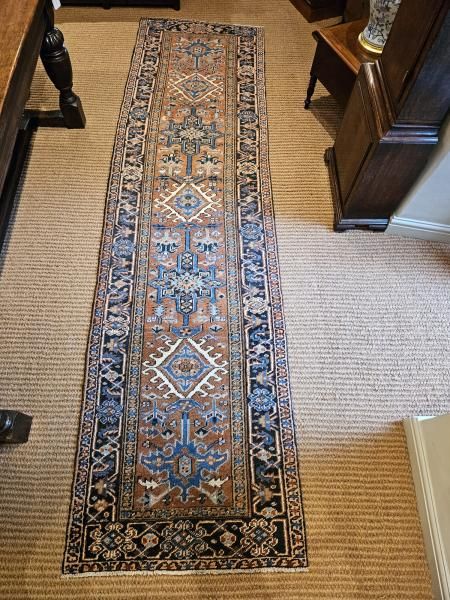
A handwoven runner carpet brings warmth and enduring pattern to a hallway, formed from wool and natural dyes across tribal traditions.
Handwoven Runner Carpet
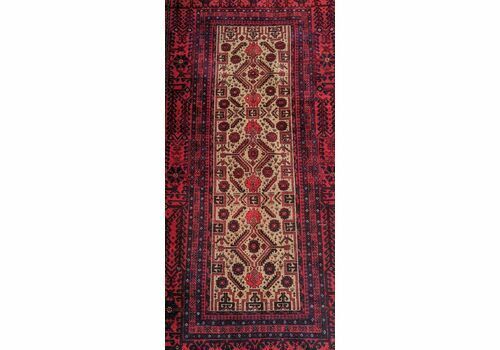
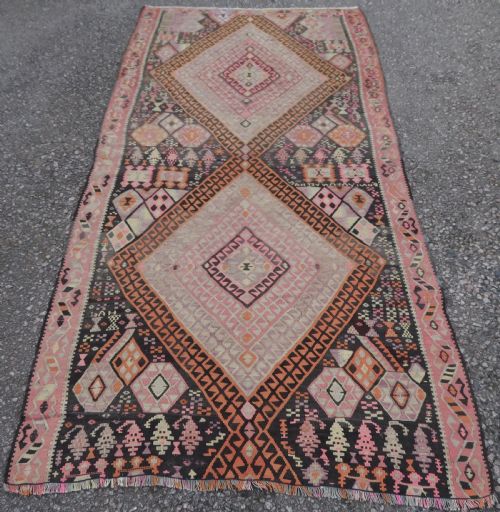
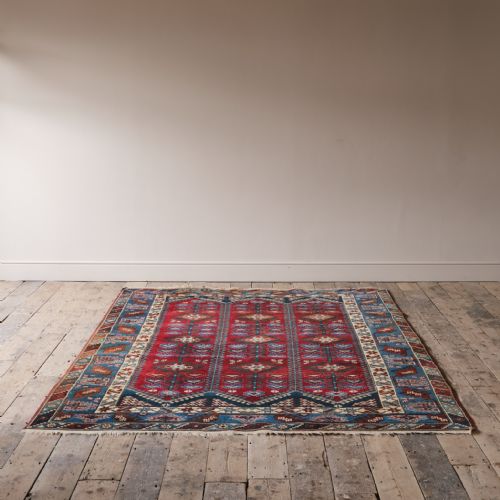
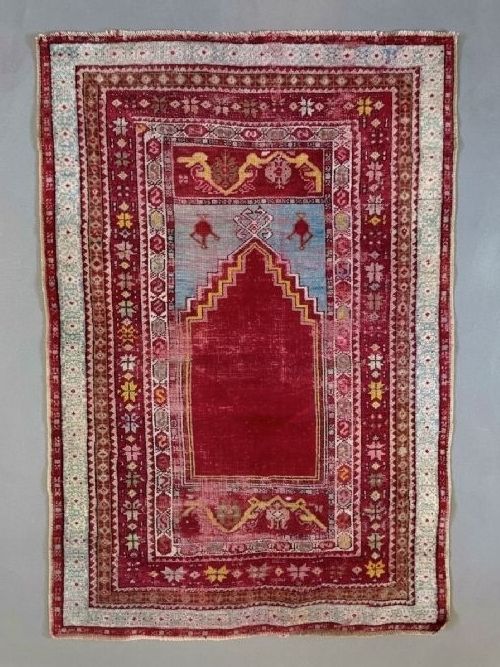
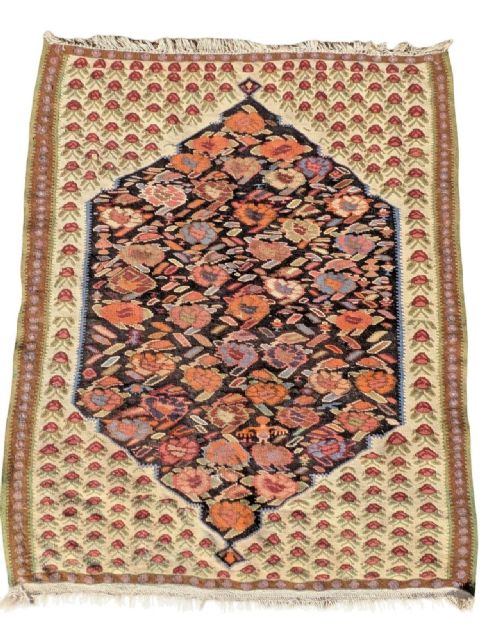
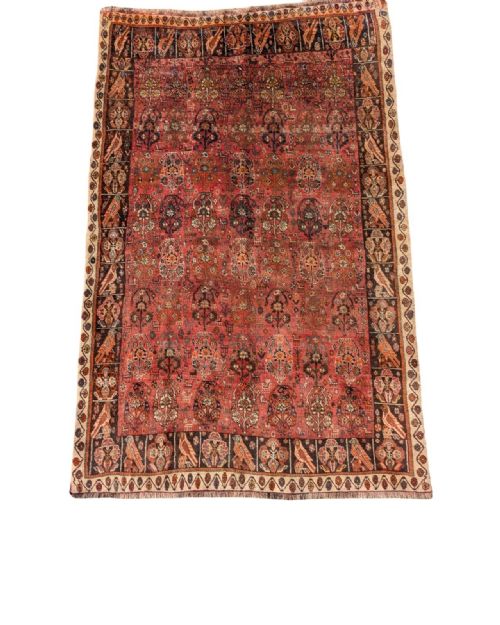
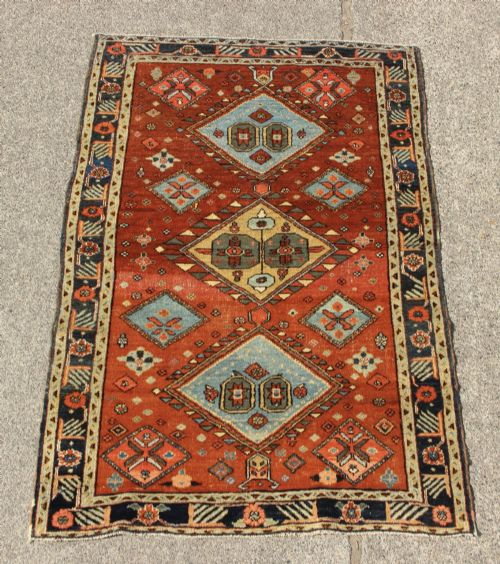
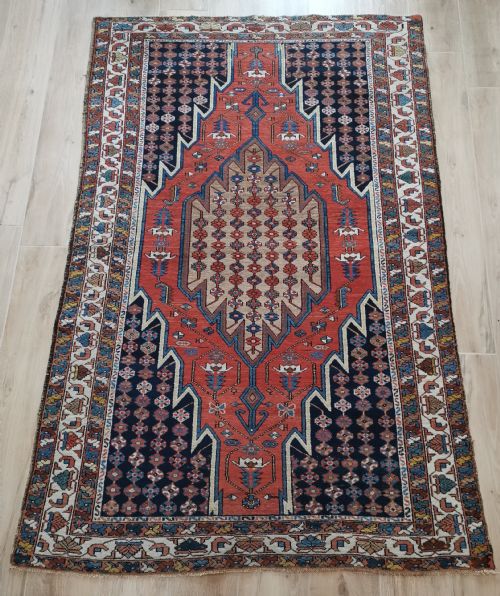
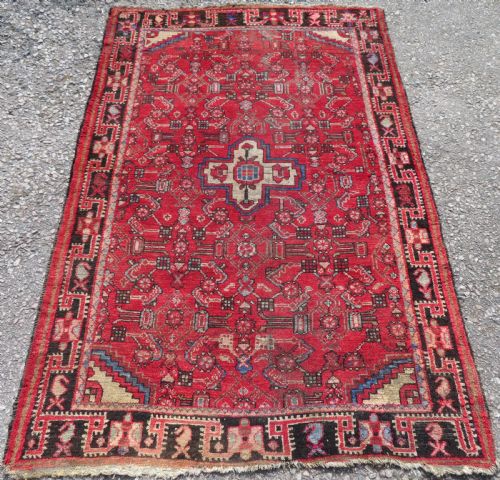
When searching for a handwoven runner carpet, buyers encounter narrow, elongated floor coverings intended for corridors, staircases and narrow rooms. These textiles emerge from diverse regional workshops and nomadic weaving traditions, spanning Persian, Caucasian, Anatolian and Tibetan origins.
The pieces available here date from the nineteenth century through the interwar decades of the twentieth century. Forms range from geometric tribal village runners to curvilinear city carpets, executed in wool, cotton and flat-weave kilim structures.
What varies in quality
Quality rests upon the density of the knotting, the integrity of the wool and the depth of the natural dyes. Tightly packed knots create a resilient pile that withstands heavy foot traffic over generations.
The artistry of the design and the balance of the proportions distinguish superior examples from ordinary production. Original edge bindings and intact ends preserve the structural integrity of the piece.
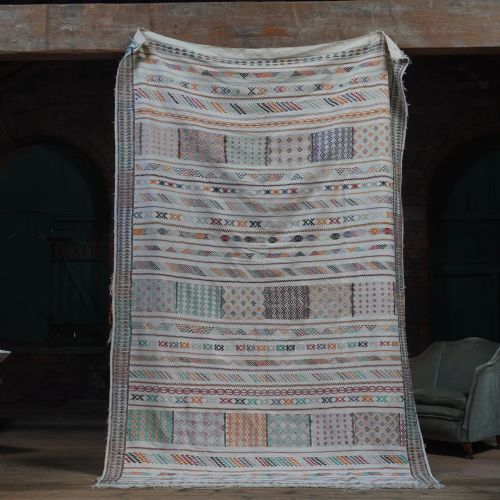
The selection includes pieces spanning the nineteenth century and several decades of the twentieth century, worked in wool, cotton and cactus silk.
The Handwoven Runner Carpet Glossary
- Runner
- A long, narrow carpet designed specifically for corridors, hallways and stairs. These pieces guide movement through domestic spaces.
- Kilim
- A flat-woven carpet produced without a pile by tightly interlocking warp and weft threads. This technique yields a lightweight, reversible textile.
- Natural dyes
- Colourants extracted from plants, insects and minerals before synthetic aniline dyes became widespread. They impart a rich, varied patina to the wool.
- Warp
- The vertical threads stretched upon a loom that form the structural skeleton of the carpet. Wefts and knots are worked across these stationary strands.
- Pile
- The vertical tufts of wool clipped to a uniform height that create the soft surface of a knotted carpet. Dense pile protects the foundational weave underneath.
Handwoven Runner Carpet: Frequently Asked Questions
Where should I place a runner carpet?
These elongated textiles suit narrow domestic spaces such as hallways, corridors and entryways where floorboards require softening. They also function effectively alongside long dining tables or beside bedroom furniture.
Because corridors experience frequent foot traffic, selecting a piece with a dense wool pile ensures the textile maintains its structure and appearance over decades of daily use.
How do I care for an older wool carpet?
Regular gentle vacuuming without a rotating brush roll prevents dust and grit from settling into the wool pile. Professional cleaning by specialists in antique textiles ensures the natural dyes remain stable.
Keeping the carpet away from direct, harsh sunlight protects the natural dye colours from fading unevenly across the length of the runner.
What is the difference between knotted and flat-woven pieces?
Knotted carpets feature a plush pile created by individual yarn strands tied to the warp threads, offering a thicker and softer underfoot texture. Flat-woven pieces lack this pile, consisting entirely of interlocking warp and weft yarns that create a smooth, thin surface.
Both methods produce durable floor coverings, though kilims and flat-weaves are lighter and easier to lift for cleaning.
How can I tell the origin of a tribal runner?
Regional origins reveal themselves through specific design motifs, colour palettes and structural techniques. Persian, Caucasian and Anatolian weavers each employed distinct geometric symbols or floral arrangements characteristic of their specific villages and nomadic groups.
Examining the materials used in the foundation threads and the style of the edge finishing provides further clues to the geographic source of the weaving.