

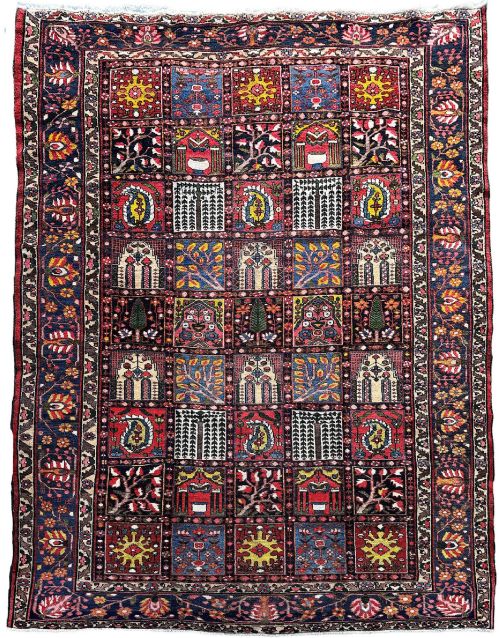
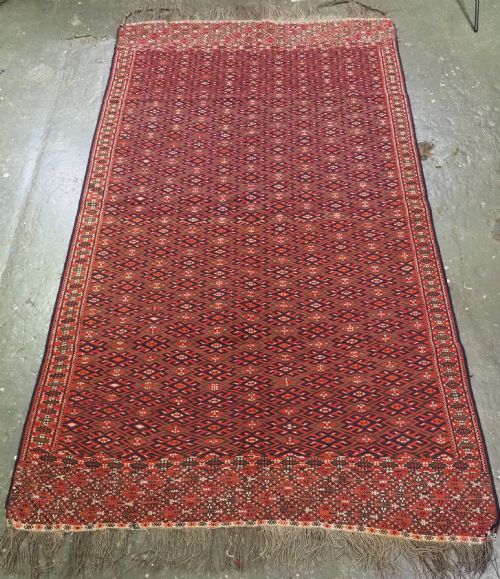
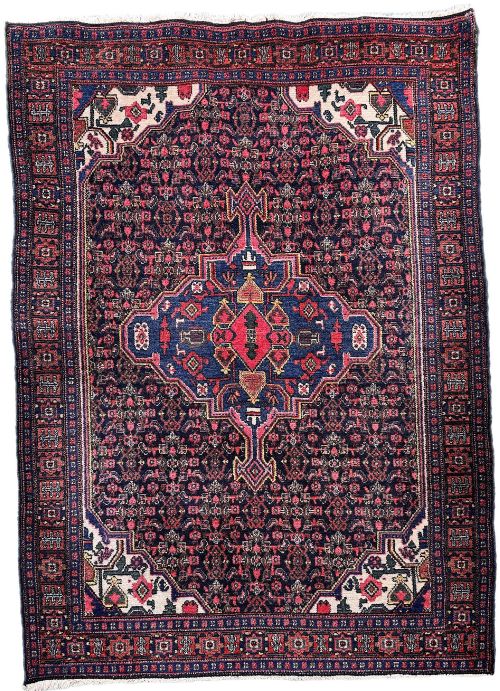
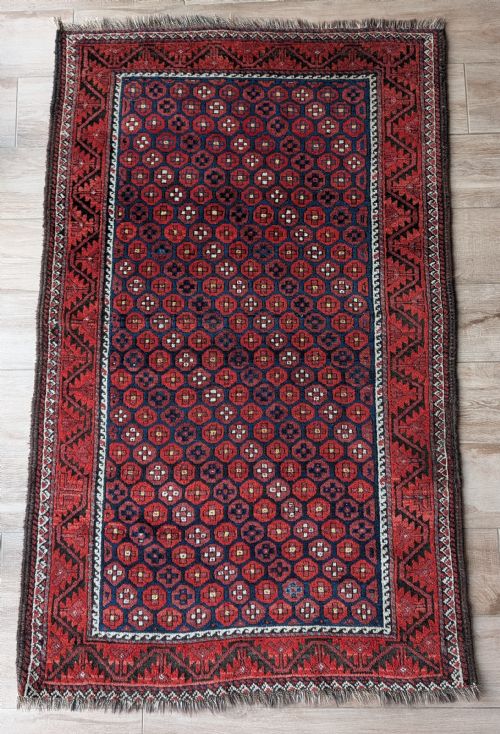
Handwoven Red Carpet
These handwoven red carpet examples bring tactile warmth and regional character into a room through centuries-old textile traditions.
Handwoven Red Carpet
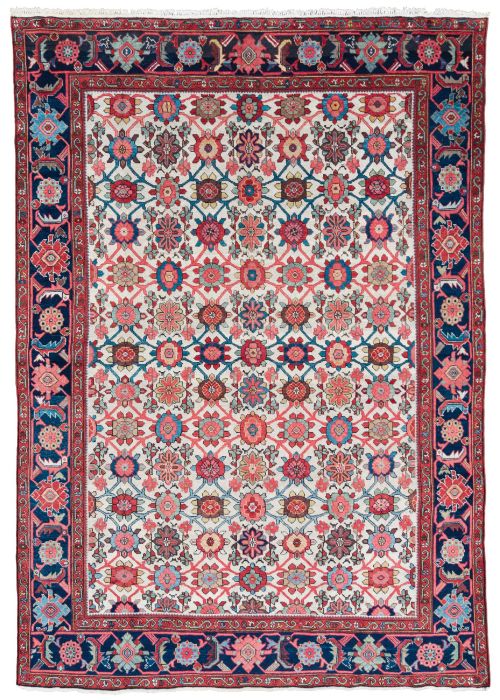
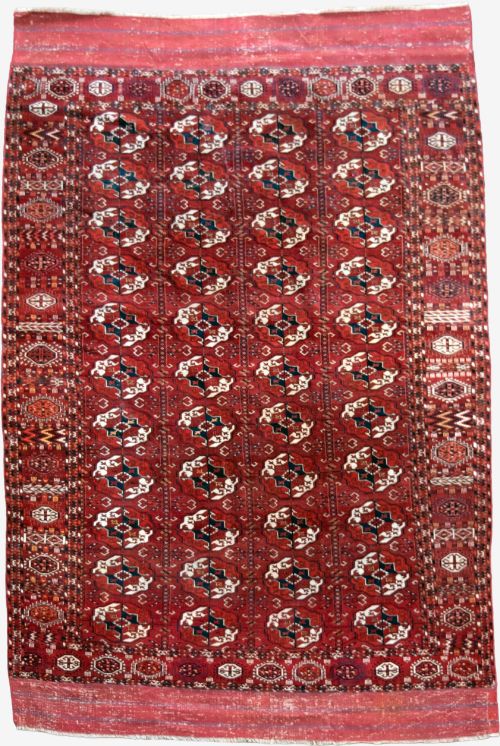
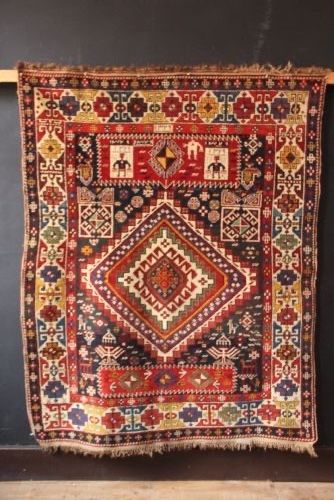
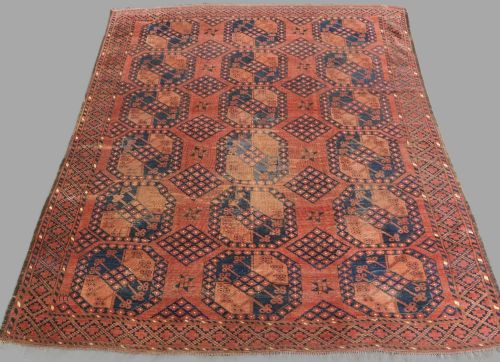
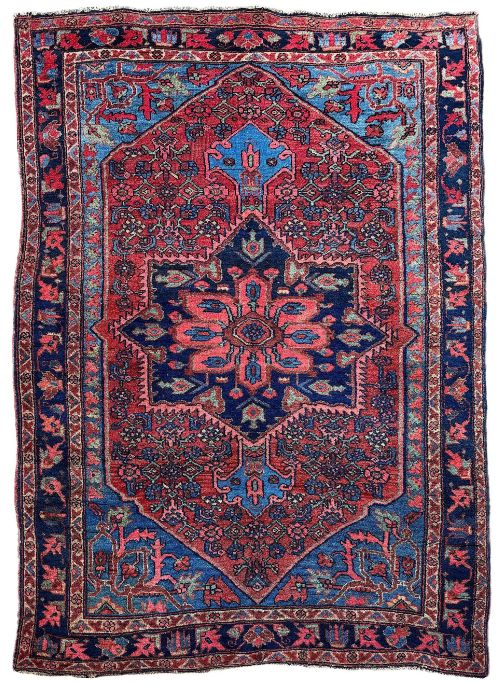
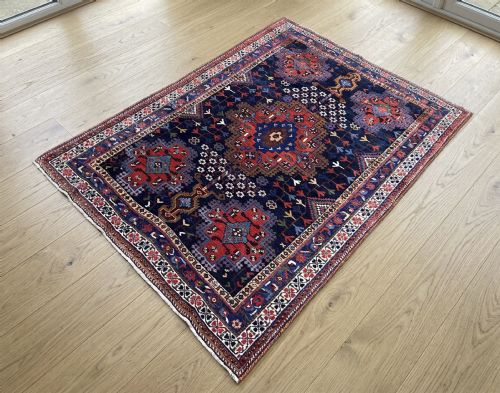
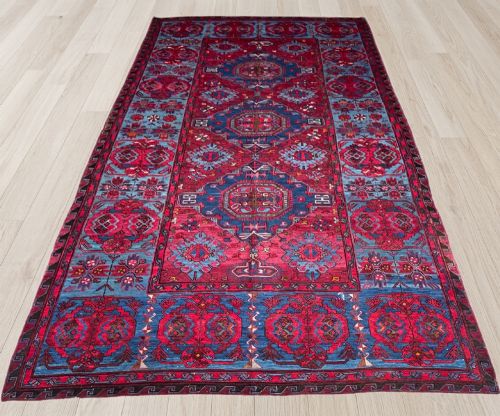
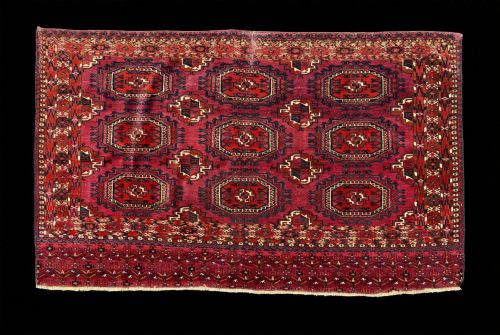
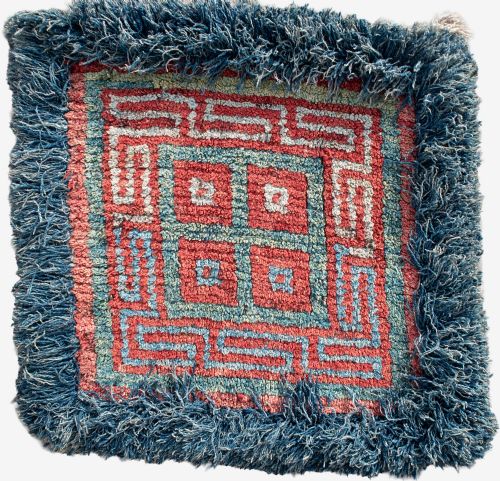
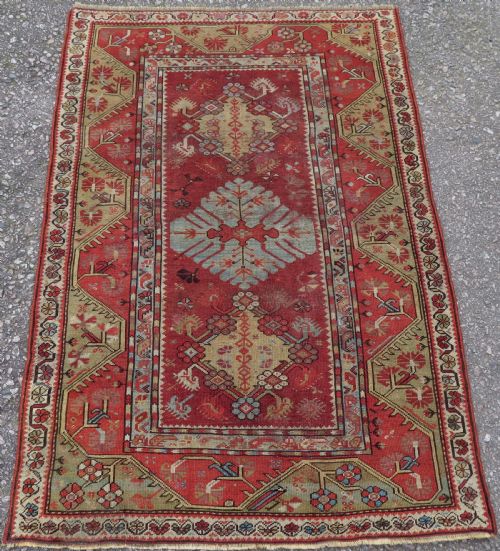
A handwoven red carpet encompasses woven floor coverings and cushions originating from Persian, Caucasian, Anatolian, and Turkmen tribal traditions. These pieces range from large area carpets and runners to smaller village rugs, saddle bags, and cushions.
The selections span the nineteenth century through the mid-twentieth century, capturing periods from the 1870s to the 1950s. Buyers encountering this category will find various tribal and regional designs including Heriz, Kazak, Baluch, Qashqai, and Yomut styles.
How they were made
Construction relies primarily on wool and cotton foundation materials, utilising hand-spun wool and Tibetan wool for the pile. Artisans employed traditional knotting and weaving techniques alongside natural dyes to create durable textiles.
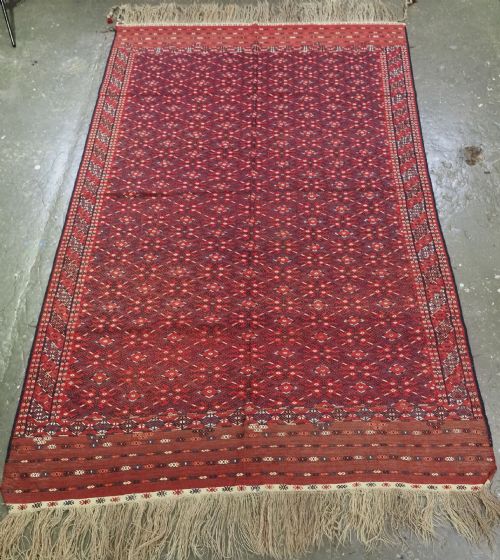
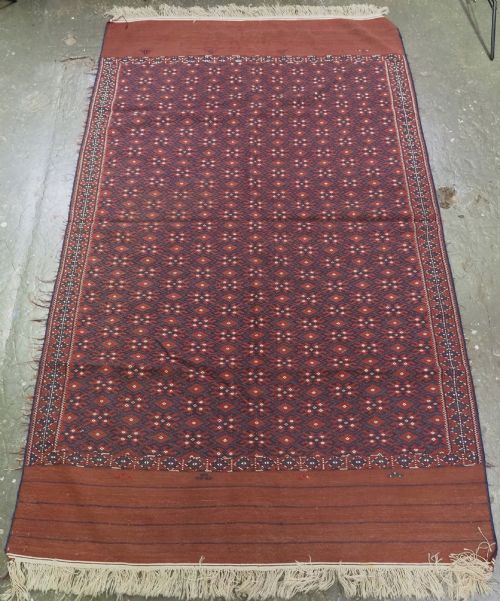
Weavers utilised regional techniques characteristic of specific tribes and villages, producing structures like Soumak flatweaves and knotted pile carpets. The integration of natural dyes ensures depth of colour that matures distinctively over time.
Handwoven Red Carpet Retail Price Guide 2026
Typical asking prices for handwoven red carpet among the pieces listed under this phrase on Sellingantiques today, from the lower quarter to the upper quarter. They describe what is for sale here now, not the wider market.
Available forms include area carpets, runners, prayer rugs, saddle bags, cushions, and flatwoven Soumak pieces.
What varies in quality
Quality rests in the precision of the weave, the handling of natural dyes, and the integrity of the wool. Finer pieces demonstrate tighter knot densities and clearer execution of traditional motifs.
The distinction between standard village production and exceptional tribal work lies in the vibrancy of the palette and the balance of the composition. Materials selection, particularly the use of hand-spun wool and rich natural dyes, elevates the textile.
The Handwoven Red Carpet Glossary
- Pile
- The cut surface of the carpet formed by the ends of knotted yarn. This layer provides the soft texture and absorbs foot traffic.
- Warp
- The vertical foundation threads stretched tightly on the loom before weaving begins. These parallel threads support the entire structure of the textile.
- Weft
- The horizontal threads passed alternately over and under the warp threads to bind the knots in place. This grid provides structural stability.
- Soumak
- A flatweave technique involving wrap-threads around the warps to create a durable surface without a cut pile. This method produces crisp geometric patterns.
- Medallion
- A central ornamental design motif placed in the field of the carpet. These focal elements often draw inspiration from regional architectural and botanical traditions.
Handwoven Red Carpet: Frequently Asked Questions
How do I care for an antique rug?
Vacuum gently without using a beating brush head to protect the wool pile and foundation fibres. Rotate the textile periodically to ensure even wear across high-traffic areas.
Professional cleaning by specialists in antique textiles is recommended every few years. Avoid harsh chemical cleaners and direct prolonged sunlight to preserve the natural dyes.
Where were these carpets made?
The pieces originate from regions spanning Persia, the Caucasus, Anatolia, and Central Asia. Specific villages, nomadic tribes, and oasis settlements produced distinct regional designs.
Nomadic groups like the Qashqai, Baluch, and Yomut Turkmen wove utilitarian items and floor coverings using local materials. Town workshops in places like Heriz and Shirvan created larger format carpets with structured compositions.
How can I tell the age of a rug?
Age is assessed through material analysis, dye characteristics, and structural wear patterns. Hand-spun wool and early natural dye palettes often indicate nineteenth or early twentieth-century origins.
Stylistic markers and regional knotting techniques also help narrow down the period. Structural irregularities typical of hand-built village looms distinguish older pieces from later reproductions.
Can these rugs be used in modern interiors?
These versatile textiles ground modern living spaces by introducing rich textures and historical depth. Runners suit hallways and kitchens, while larger carpets anchor sitting rooms.
Pairing antique tribal rugs with contemporary furniture creates a balanced interior scheme. The enduring palette of natural red tones complements both neutral and colourful surroundings.