


Handwoven Persia Wall Hanging
When you search for handwoven persia wall hanging, you find genuine tribal textiles and bags from nomadic groups, selected to bring rich colour and texture to interior spaces.
Handwoven Persia Wall Hanging
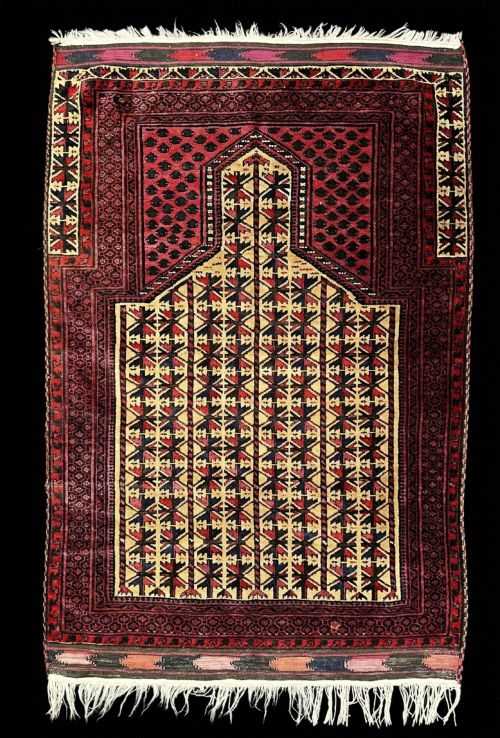
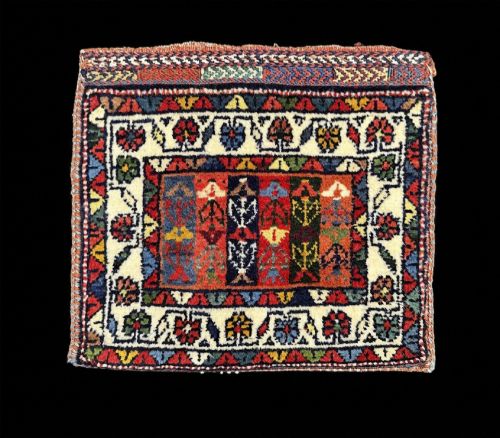
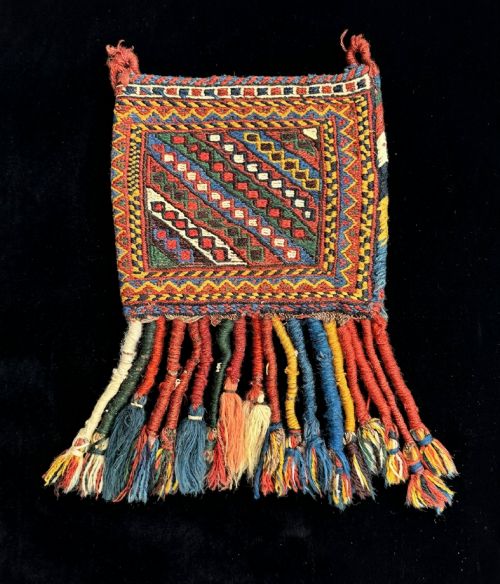
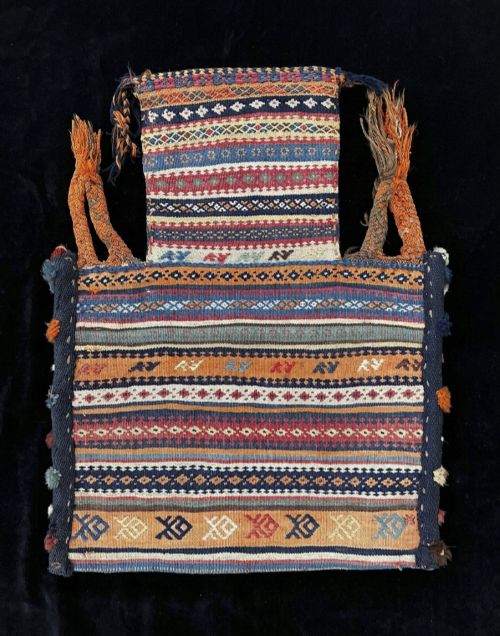
These items originate as utilitarian tribal objects from various regions of Persia, created by nomadic and village groups for daily life. When used as a handwoven persia wall hanging, they transition from functional bags and covers into decorative focal points.
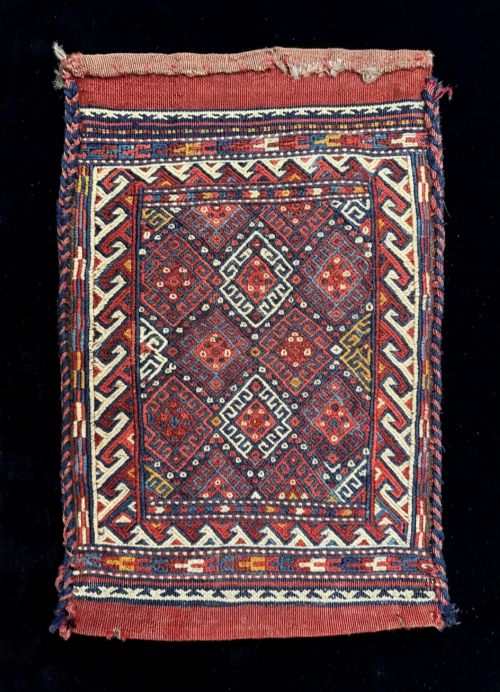
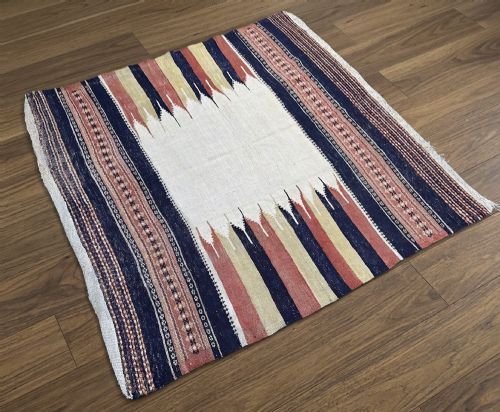
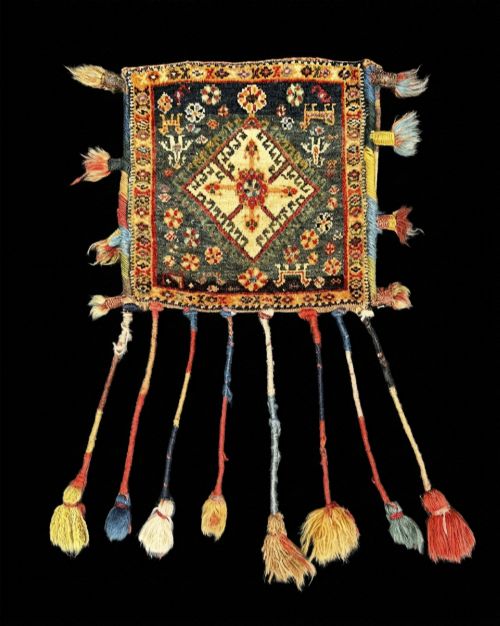
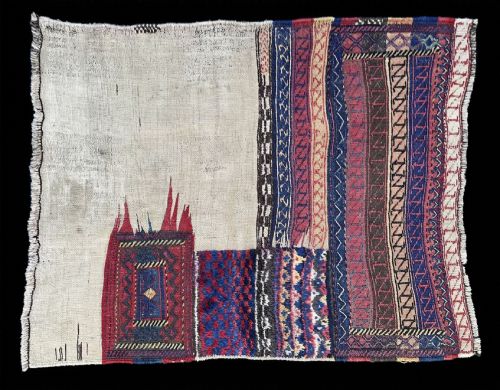
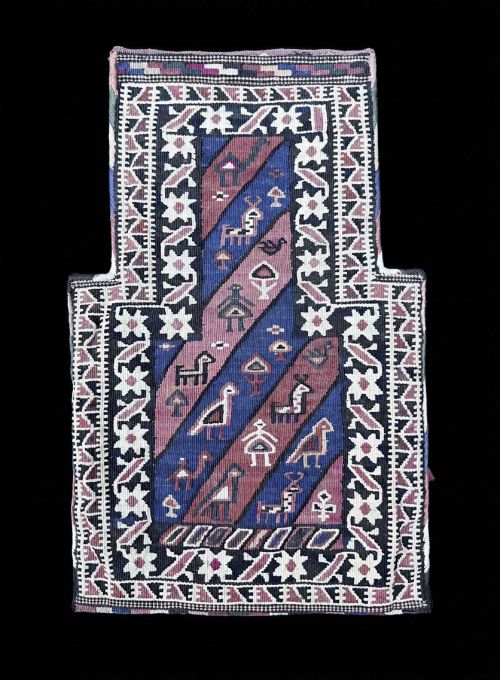
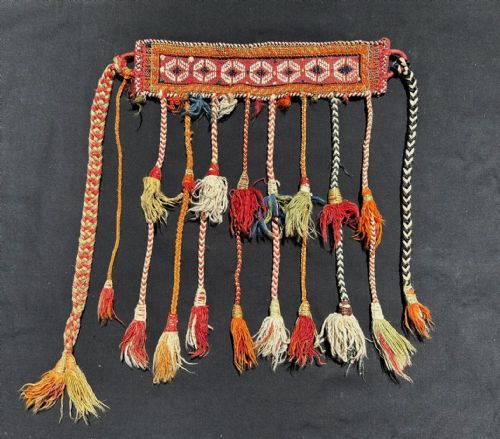
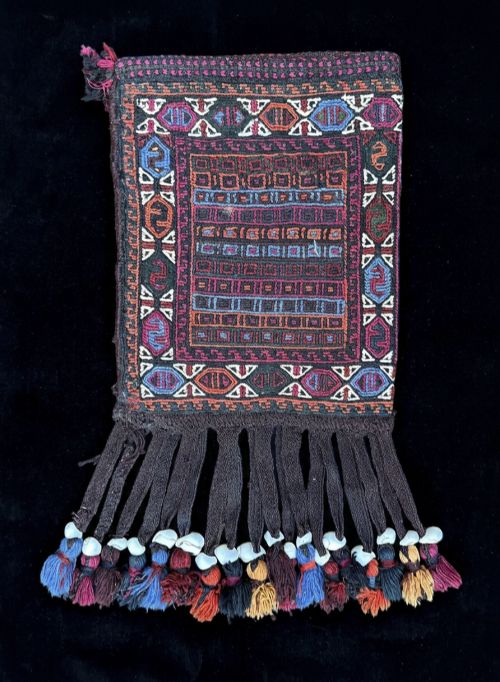
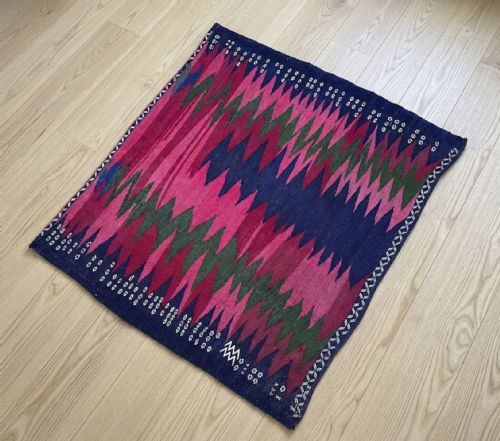
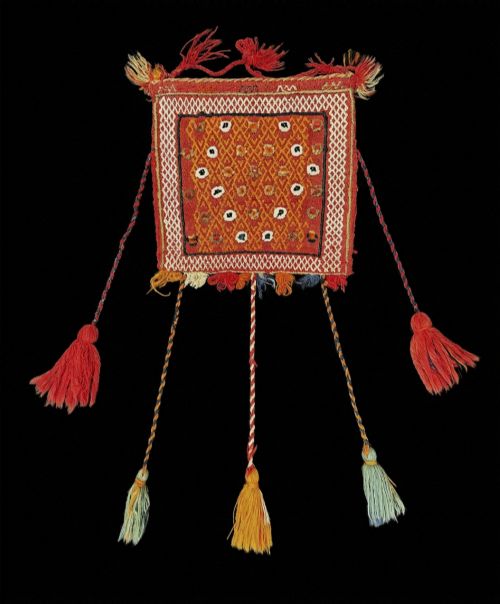
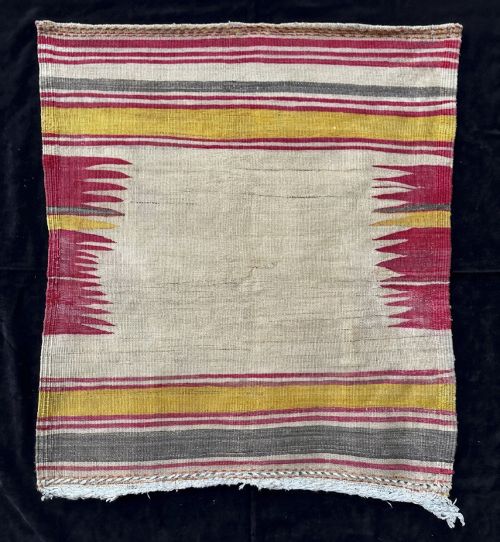
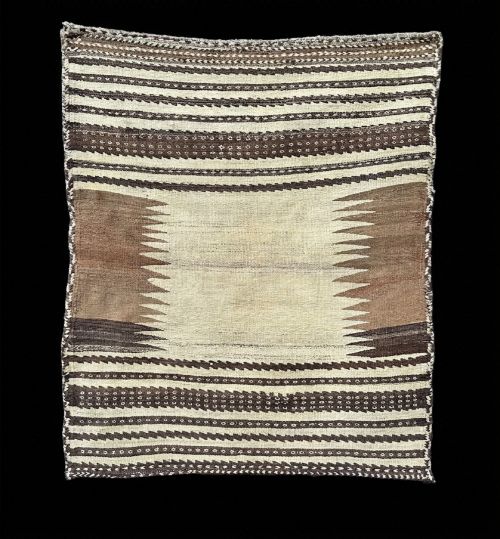
The selection includes tobacco bags, salt bags, vanity bags, bread sofreh, and horse blankets originating from groups such as the Afshar, Qashqa'i, Luri, and Shahsavan. Pieces span the late nineteenth century into the early twentieth century, reflecting distinct regional weaving traditions.
Buyers encounter forms that range from complete saddle bags and wheat-sacks to flatweave sofreh dining kilims. Each textile carries the specific pattern language of its maker and tribe.
Materials and construction methods
Weavers utilised wool, hand-spun wool, cotton, goat hair, and leather to construct these durable textiles. Natural dyes provide the enduring colour palette found across the pieces.
Certain items incorporate embellishments such as cowrie shells and metal details alongside structural elements. These materials reflect the practical demands of nomadic life and the availability of local resources.
Handwoven Persia Wall Hanging Retail Price Guide 2026
Typical asking prices for handwoven persia wall hanging among the pieces listed under this phrase on Sellingantiques today, from the lower quarter to the upper quarter. They describe what is for sale here now, not the wider market.
Some tribal bags still retain their original cowrie shells, once believed to ward off the evil eye while travelling.
Evaluating the standard of execution
Quality rests in the fineness of the weave, the clarity of the tribal motifs, and the richness of the natural dye palette. A tighter construction and well-balanced proportions distinguish finer examples.
The integrity of the materials, from hand-spun wool to supplementary elements like cowrie shells and leather bindings, marks the distinction between standard and exceptional pieces.
The Handwoven Persia Wall Hanging Glossary
- Sofreh
- A flatweave textile traditionally used for spreading during meals or handling bread. These pieces often feature geometric patterns and serve effectively as wall displays.
- Tacheh
- A large storage sack or wheat-sack produced by tribal groups for domestic use. They exhibit robust construction and dense pattern work.
- Kilim
- A flatweave textile made without a pile, resulting in a smooth surface. This technique allows sharp geometric designs to emerge clearly.
- Nomadic
- Pertaining to groups that move seasonally with their livestock. This lifestyle influences the portable nature and durable materials of their woven possessions.
- Natural Dyes
- Colourants derived from plants, minerals, and insects rather than synthetic compounds. They develop a soft patina over time.
Handwoven Persia Wall Hanging: Frequently Asked Questions
How do I hang a textile safely?
Mounting requires a method that distributes the weight evenly across the top edge of the textile without piercing the fabric. A fabric sleeve can be stitched to the reverse to hold a wooden baton.
Alternatively, a specialised display system with gentle gripping clamps secures the piece securely against the wall surface.
What tribes made these pieces?
The pieces originate from various nomadic and confederacy groups across different regions of Persia. Prominent names include the Afshar, Qashqa'i, Luri, Bakhtiari, and Shahsavan.
Each group maintains distinct geometric motifs, colour combinations, and weaving structures that identify their origin.
How old are these wall hangings?
The items listed date from the latter half of the nineteenth century through the early decades of the twentieth century. Specific decades represented include the 1870s, 1880s, 1890s, 1900s, 1910s, and 1920s.
Age is determined through material analysis, dye types, and structural characteristics typical of these periods.