



Handpainted Porcelain
These handpainted porcelain pieces combine delicate brushwork with historic ceramic forms, offering collectors a tangible link to eighteenth and nineteenth century domestic display.
Handpainted Porcelain
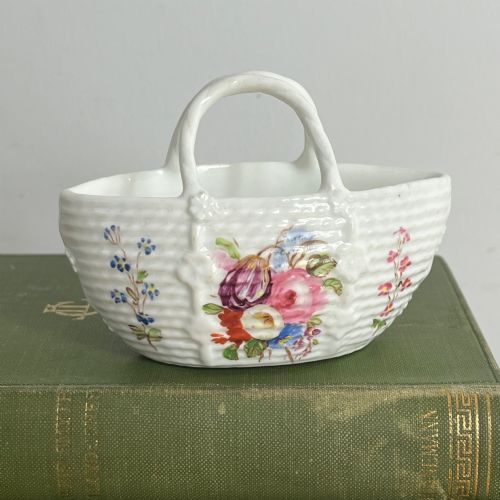
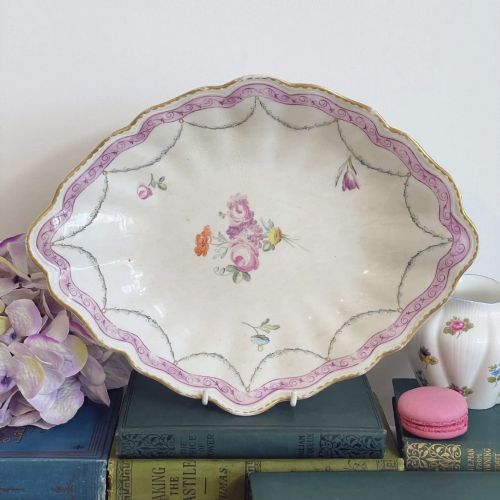
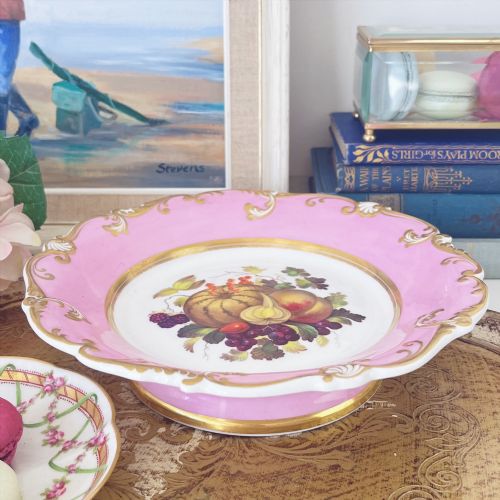
When you search for handpainted porcelain, you encounter items ranging from Georgian tea services to Edwardian decorative vessels. The pieces recorded on this page span the eighteenth, nineteenth, and early twentieth centuries, featuring domestic ceramics such as dessert services, teacups, saucers, and decorative vases.
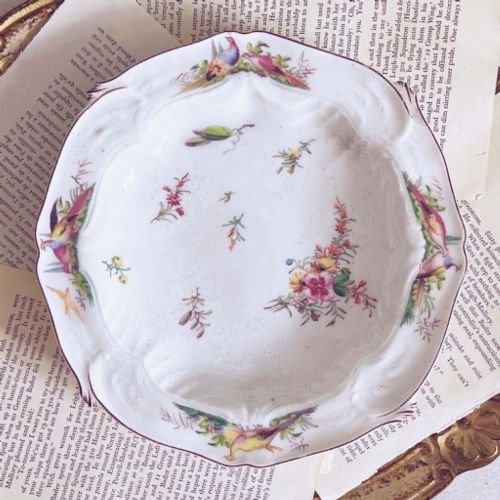
The domestic forms include footed comports, serving dishes, and teacups adorned with floral motifs, birds, and insects. Eighteenth-century examples sit alongside nineteenth-century works from factories like Grainger Lee and H & R Daniel.
Buyers are most likely to meet nineteenth-century tablewares and decorative objects decorated with polychrome enamel flowers or botanical subjects. These items reflect the domestic dining and drawing room habits of their respective periods.
Materials and Techniques
The material base consists of hard-paste porcelain, soft-paste porcelain, and bone china, which were shaped into plates, jugs, and vessels before firing. Potters applied ceramic pigments by hand using fine brushes to create detailed botanical and avian scenes.
Gilding and gold leaf were frequently added to rims and handles to enhance the decorative finish of the ceramics. Enamel colours were fused to the porcelain body through high-temperature kilns, securing the painted designs.
Handpainted Porcelain Retail Price Guide 2026
Typical asking prices for handpainted porcelain among the pieces listed under this phrase on Sellingantiques today, from the lower quarter to the upper quarter. They describe what is for sale here now, not the wider market.
Several makers chose to paint tiny insects alongside floral bouquets, giving houseflies and beetles an unexpected permanence on porcelain.
Evaluating Quality
Quality in these ceramics rests upon the crispness of the brushwork and the precision of the polychrome enamel application. Finer pieces demonstrate superior control in miniature painting, particularly in botanical details and ornithological subjects.
The refinement of the porcelain paste and the application of gold gilding also distinguish standard production from exceptional factory output. Well-preserved gilding and balanced forms indicate higher execution standards among period makers.
Grainger Lee And Co·Flight Barr And Barr·H And R Daniel·Royal Doulton·Herend·Meissen·Kpm Berlin·Royal Bonn
The Handpainted Porcelain Glossary
- Soft-paste porcelain
- A ceramic composition fired at lower temperatures than hard-paste porcelain, producing a slightly warm, creamy body common in eighteenth-century British manufacture.
- Comport
- A raised dish or bowl used during dessert services for displaying fruit and sweetmeats on the dining table.
- Polychrome
- Decoration employing several distinct colours in the painted design, often seen in floral and bird motifs.
- Gilding
- The application of gold leaf or gold paint to ceramic surfaces, typically accentuating rims, handles, and borders.
Handpainted Porcelain: Frequently Asked Questions
How were these porcelain pieces used?
Many of these items served practical functions in Georgian and Victorian households, particularly for taking tea or presenting dessert courses to guests.
Other objects functioned purely as decorative items, such as painted vases and ginger jars displayed in drawing rooms.
How do I care for antique porcelain?
These ceramics require gentle hand washing in warm water with mild soap, avoiding abrasive sponges that might damage the surface enamels.
Displaying pieces away from direct sunlight protects the painted polychrome colours and gold leaf from fading over time.
How can I tell the period of a piece?
Stylistic indicators such as Rococo curves or Art Nouveau contours offer initial clues regarding the manufacturing era of the ceramic object.
Factory marks, paste composition, and the specific style of handpainted flora or fauna further narrow down the date of production.
What is the difference between bone china and porcelain?
Bone china incorporates animal bone ash into the ceramic paste, creating a durable body with a slightly translucent appearance when held to the light.
Traditional porcelain relies on kaolin and petuntse, yielding a different density and texture that varies between eighteenth-century soft-paste and later hard-paste bodies.