






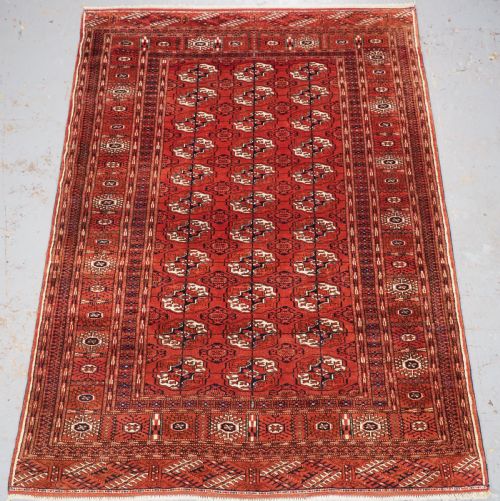

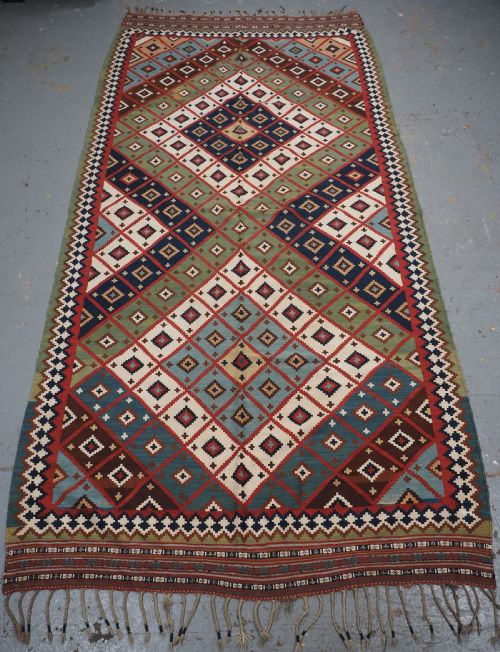


Handmade Woven Rug
These handmade woven rug pieces bring tactile tribal heritage into a room, offering genuine nomadic textiles from the nineteenth and early twentieth centuries.
Handmade Woven Rug
When you search for a handmade woven rug, you encounter traditional tribal weavings, village carpets, and nomadic utility bags originating from Persia, Anatolia, and Central Asia. The pieces available here span from the mid-nineteenth century through the early twentieth century, reflecting the distinct artistic traditions of tribal confederacies and village communities.
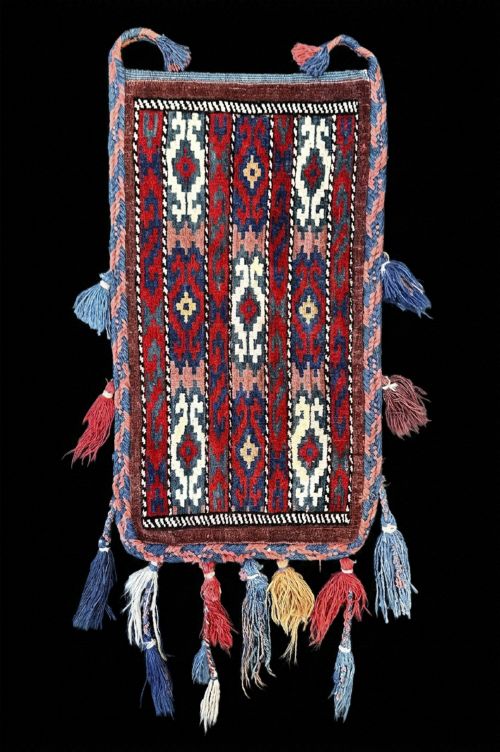
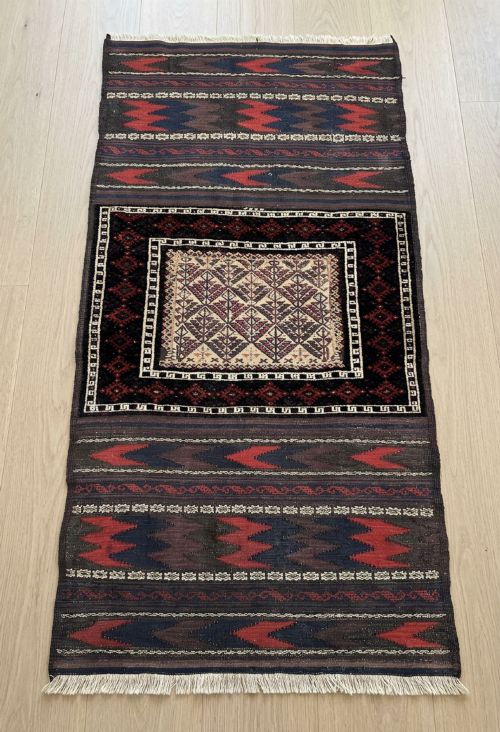
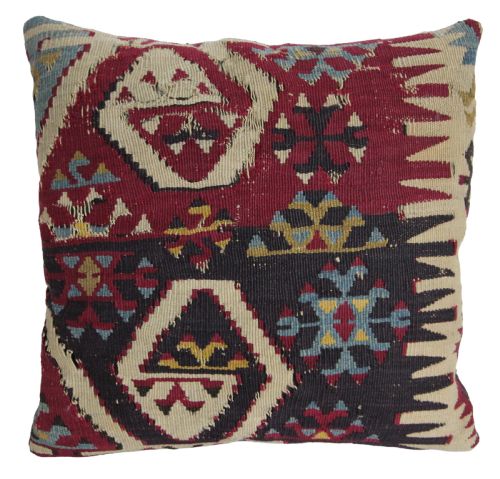
You are most likely to meet Turkmen torba faces, Baluch nomad rugs, Qashqai kilims, and Anatolian village prayer rugs among these listings. Forms range from large floor carpets and slit-woven kilims to smaller yurt rugs, dowry weavings, and utilitarian storage bags adapted for interior display.
Materials and construction
These textiles rely predominantly on wool and hand-spun wool for their primary pile and structural foundations, frequently supplemented by cotton highlights and occasional goat hair for durability. Weavers employed traditional hand-knotting and flat-weaving techniques, occasionally constructing larger formats in multiple joined strips.
The choice of natural fibres and local spinning methods imparts a variable texture and structural integrity unique to each tribal group. Cotton appears structurally or as highlights in specific Turkmen and Anatolian examples, providing crisp contrast against deep wool grounds.
Handmade Woven Rug Retail Price Guide 2026
Typical asking prices for handmade woven rug among the pieces listed under this phrase on Sellingantiques today, from the lower quarter to the upper quarter. They describe what is for sale here now, not the wider market.
The listings span the nineteenth and early twentieth centuries, featuring wool, hand-spun wool, cotton, and goat hair across tribal forms.
Evaluating the standard of work
Quality in these tribal textiles rests upon the density of the weave, the precision of the tribal motifs, and the depth of the natural dyework. Finer knotting and tightly beaten flat-weaves indicate greater maker skill and extend the functional lifespan of the weaving.
The distinction between standard examples and superior pieces also involves the clarity of regional design execution, such as well-drawn guls or balanced mina khani patterns. Harmonious colour retention and structural integrity further elevate the standing of a textile within its tribal group.
The Handmade Woven Rug Glossary
- Torba
- A small, wide tribal bag face produced by Turkmen nomads, traditionally used for storage inside a yurt. These pieces display characteristic gul patterns and refined border work.
- Chuval
- A large Turkmen storage bag face woven in tented communities, often featuring repeated primary guls. Collectors prize these for their rich wool and tribal iconography.
- Kilim
- A flat-woven carpet or textile produced without a pile by tightly interweaving warp and weft threads. This technique creates geometric patterns visible from both sides.
- Gul
- A medallion or repeating octagonal motif used extensively in Central Asian tribal weaving. Each distinct design identifies the specific tribe or clan that produced the textile.
- Ensi
- A specialised Turkmen tent door hanging featuring a cruciform design layout. These rugs served a protective and decorative threshold function in nomadic dwellings.
Handmade Woven Rug: Frequently Asked Questions
How were these bags used?
Nomadic groups utilised torbas, salt bags, and chuvals for household storage inside tents and yurts. They held personal possessions, utensils, or provisions during seasonal migrations.
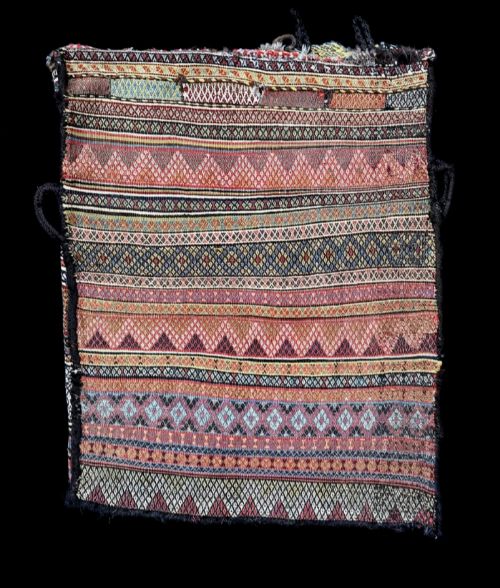
Over time, collectors separated these decorative faces from their plain backings for display as wall hangings or small floor textiles.
How do I clean a tribal rug?
Gentle surface vacuuming without a beater bar removes loose dirt from the wool pile. Professional specialist cleaning remains essential for addressing deep-seated dust.
Avoid immersion washing or harsh chemical treatments that can damage historic hand-spun wool and natural dyes.
Where did these pieces originate?
The listings originate from distinct regions including Persia, Anatolia, and Western Afghanistan. Nomadic confederacies and village weavers produced them using local materials.
Tribes such as the Yomut, Tekke, Saryk, Baluch, and Qashqai maintained distinct design vocabularies tied to their specific geographic locations.
How do I date these textiles?
Stylistic indicators, structural characteristics, and natural dyetypes help establish the approximate period of a weaving. Nineteenth-century examples often display specific regional palettes and softer wool handles.
Comparing structural elements like selvedges and end finishes against known tribal corpora provides a reliable chronological framework.