




Handmade Wool Runner
These handmade wool runner selections offer resilient floor coverings woven by nomadic and village weavers across Persia, Turkey, and Central Asia.
Handmade Wool Runner
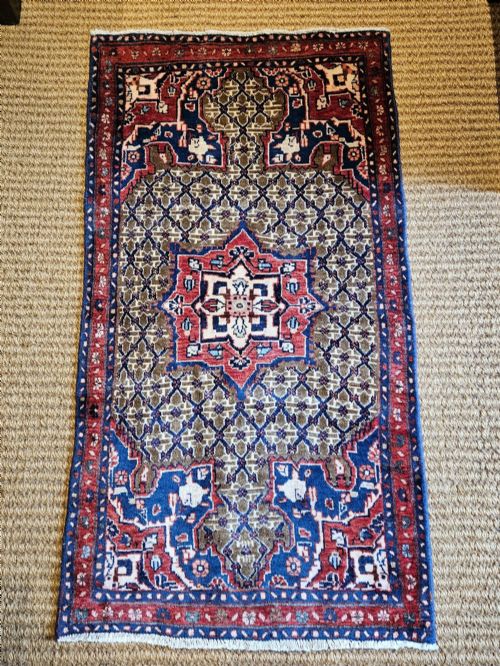
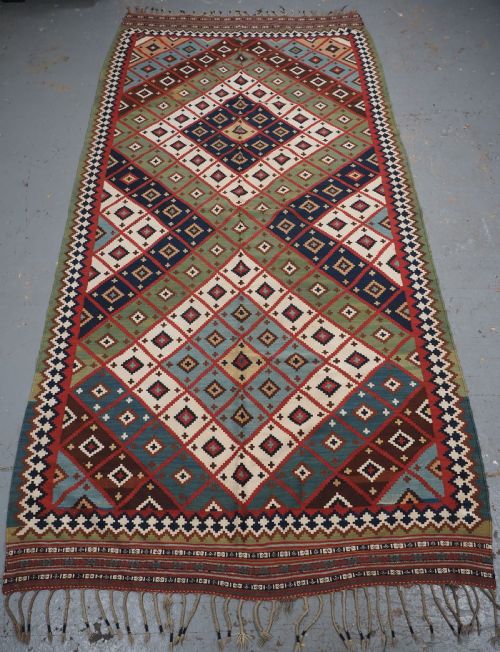
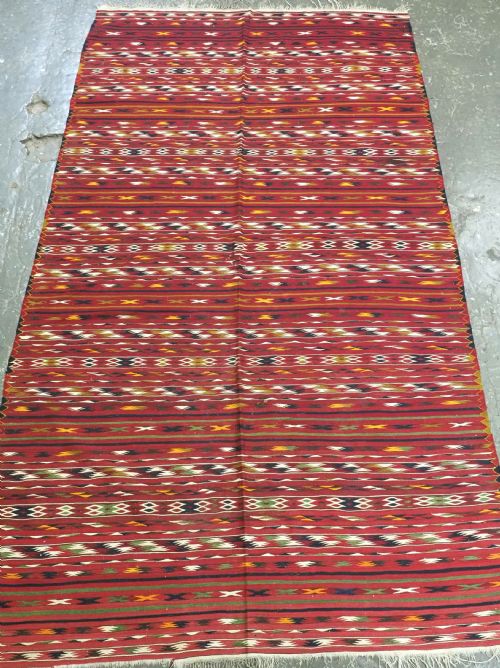
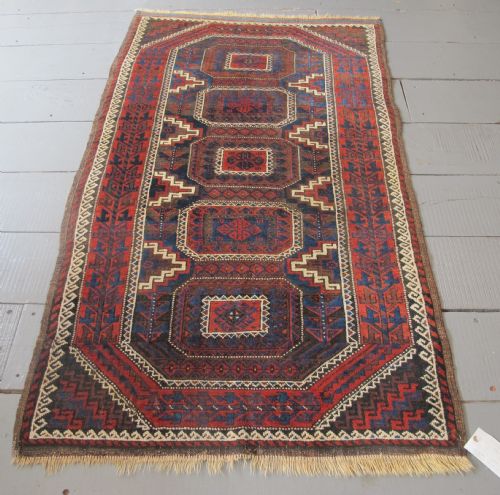
A handmade wool runner provides a long, narrow format originally woven for corridors, tent floors, and hearths by tribal and village communities. When searching for a handmade wool runner, buyers encounter antique Persian village pieces, Baluch tribal works, and Turkmen tribal weaves originating from the mid-nineteenth century through the early twentieth century.
These floor coverings span distinct regional identities, including Anatolian traditional prayer rugs, Uzbek yurt rugs woven in strips, and Khorassan Baluch pieces. Each example reflects the utilitarian requirements of pastoral and village life translated into geometric and floral floor textiles.
How they were made
Weavers constructed these textiles using wool and hand-spun wool for the pile, foundation, and flatweave structures. Cotton also appears in the structural foundations of specific village and tribal formats.
Production methods involved knotting or flatweaving techniques executed on portable or stationary looms. Certain regional pieces, such as Uzbek yurt rugs, required joining multiple woven strips together to achieve the final format.
Handmade Wool Runner Retail Price Guide 2026
Typical asking prices for handmade wool runner among the pieces listed under this phrase on Sellingantiques today, from the lower quarter to the upper quarter. They describe what is for sale here now, not the wider market.
Current listings feature pieces spanning from the mid-nineteenth century to the nineteen-twenties, incorporating wool, hand-spun wool, and cotton materials.
What varies in quality
The degree of fineness in the weave dictates the structural integrity and precision of the geometric or floral motifs rendered across the surface. Tighter knotting or denser flatweaving permits more intricate pattern definition and longevity under foot traffic.
The character and saturation of the dyestuffs influence the visual depth of the textile over time. Variations in wool preparation and spinning likewise determine the tactile weight and resilience of the pile.
The Handmade Wool Runner Glossary
- Pile
- The upright loops or cut ends of yarn that form the usable surface of a rug. This layer absorbs foot traffic and displays the woven pattern.
- Kilim
- A flatwoven textile produced without a raised pile. These pieces rely on interlocking or slit-weave techniques to create geometric patterns.
- Sofreh
- A spread or cloth utilised for dining, food preparation, or domestic storage within tribal households. These items frequently display distinctive regional iconography.
- Prayer rug
- A small format textile featuring a mihrab or arch design intended to indicate the direction of prayer. Village weavers adapted these compositions for domestic settings.
Handmade Wool Runner: Frequently Asked Questions
Where were these rugs made?
The pieces originate from regions across Persia, Turkey, and Central Asia, including Khorassan, Anatolia, and tribal territories.
Weavers in villages, nomadic camps, and settlements produced them for domestic use and local trade.
How do I clean an antique rug?
Gentle surface brushing and professional specialist cleaning are recommended for antique wool textiles. Harsh chemicals and excessive moisture damage hand-spun wool and traditional dyes.
Regular rotation prevents uneven wear from foot traffic and sunlight exposure.
What is a tribal rug?
Tribal rugs are floor coverings and utility textiles produced by nomadic or semi-nomadic groups rather than urban workshops. They typically feature geometric motifs and regional colour palettes passed down through generations.
These designs express the cultural identity and storytelling traditions of specific clans.
How old are these pieces?
The available selection dates from the mid-nineteenth century through the early twentieth century. Specific periods represented include the eighteen-fifties, eighties, nineties, and nineteen-hundreds to twenties.
Stylistic conventions and structural evidence help establish these approximate dates.