





Handcrafted Area Rug
A handcrafted area rug brings warmth and intricate woven artistry to a room, offering genuine historical character for your floor.
Handcrafted Area Rug
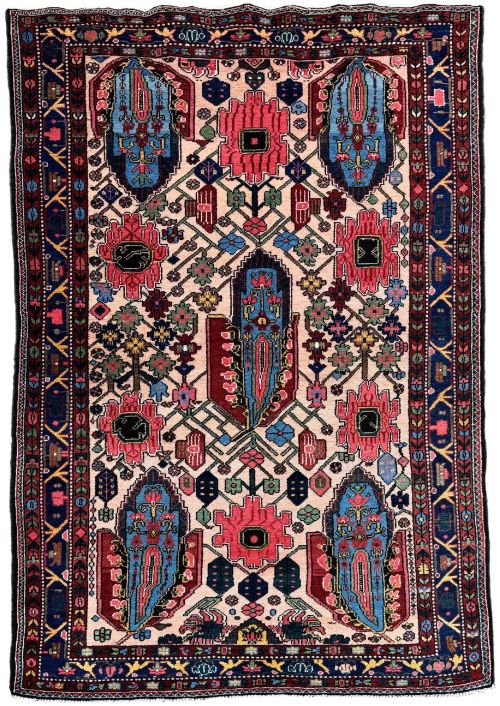
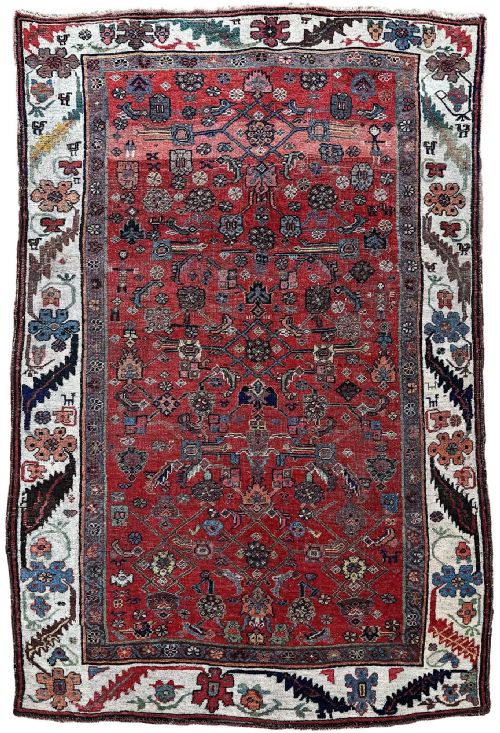
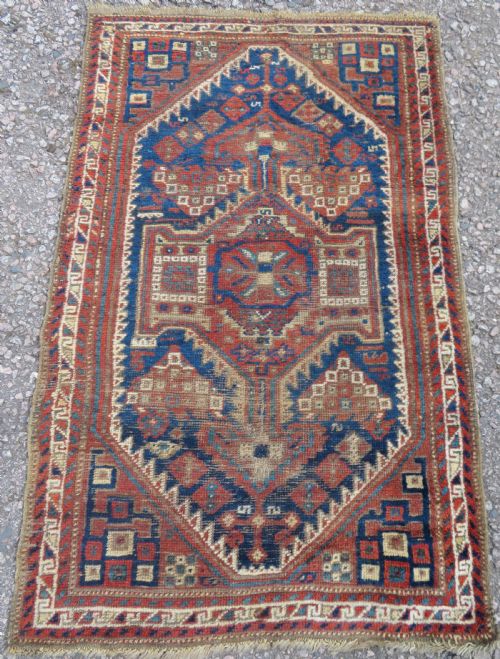
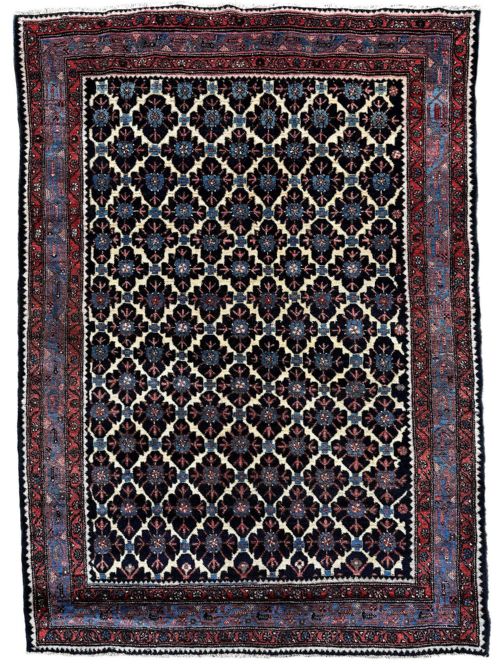
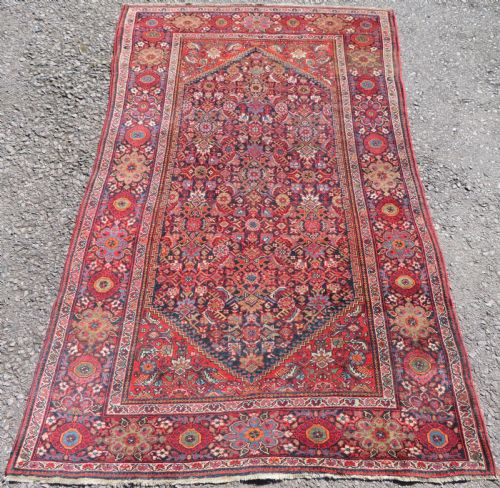
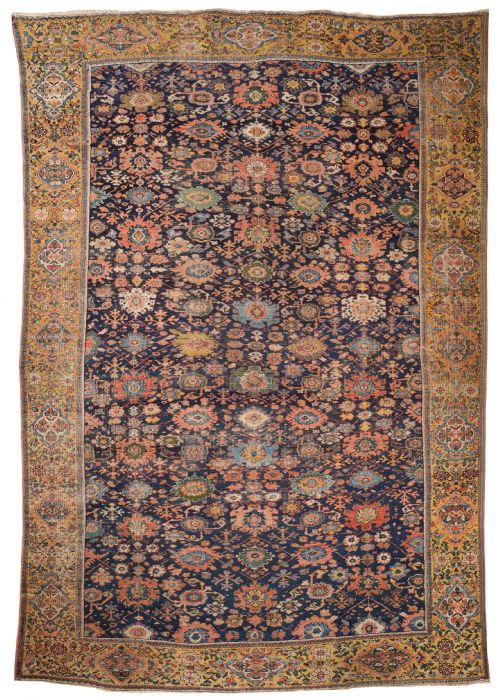
When you search for a handcrafted area rug, you encounter centuries-old weaving traditions originating primarily from Persian, Turkish, Caucasian, and Kashmiri workshops. These floor coverings span the late nineteenth and early twentieth centuries, featuring distinct regional designs such as Heriz, Bidjar, Malayer, and tribal styles like Khamseh, Qashqai, and Yomut Turkmen.
The pieces you are most likely to meet on this page are antique village and city rugs constructed with wool pile on cotton foundations, or flatwoven Soumak and kilim structures. They bring rich earthy tones, saturated reds, and scarce green grounds into domestic spaces, serving as functional historical textiles.
Each handcrafted area rug reflects the specific aesthetic of its origin, whether it is the geometric precision of a Caucasian Perepedil or the fine curvilinear floral motifs of a Tabriz or Kashan carpet. They anchor a room with distinct historical provenance and tactile depth.
How they were made
These textiles were produced using traditional hand-knotting and flatweaving techniques on upright wooden looms, employing natural animal and plant fibres. Weavers utilised resilient wool for the soft pile, ensuring durability underfoot.
The foundational warps and wefts consist of spun cotton, providing structural stability and crisp definition to the geometric and floral patterns. Artisans also incorporated chain stitch embroidery methods in specific Kashmiri pieces, creating textured surface designs.
Handcrafted Area Rug Retail Price Guide 2026
Typical asking prices for handcrafted area rug among the pieces listed under this phrase on Sellingantiques today, from the lower quarter to the upper quarter. They describe what is for sale here now, not the wider market.
Some antique Yomut Turkmen palas pieces incorporate surprising palette choices, proving that nomadic weavers loved a bold visual experiment.
What varies in quality
The fineness of the weave and the complexity of the knot density distinguish the top tier of these textiles from simpler village productions. Greater knot counts allow for sharper curvilinear precision and more intricate pictorial detailing within the field.
The quality of the wool and the depth of the natural dye palette also dictate the distinction of a piece. Superior materials retain rich saturated tones and develop a harmonious patina over decades of use.
The Handcrafted Area Rug Glossary
- Pile
- The upright loops or cut ends of yarn that form the soft surface of a rug. This forms the tactile body of the textile.
- Warp
- The vertical threads stretched tightly on the loom that serve as the structural skeleton of the rug. Fringe ends typically originate from these foundational threads.
- Weft
- The horizontal threads passed across the warps to bind the knots in place. Together with the warp, it forms the flat foundation grid.
- Soumak
- A flatweaving technique that wraps supplementary weft threads over and under the warp threads to create a textured, durable fabric without a pile. It results in a distinct braided appearance on the reverse.
- Kilim
- A tapestry-woven carpet or rug produced without a pile. These flatweaves showcase sharp geometric patterns formed by leaving small slits where different colour areas meet.
Handcrafted Area Rug: Frequently Asked Questions
How do I clean an antique rug?
Gentle surface brushing and professional specialist washing maintain the integrity of natural wool fibres and dyes.
Avoid harsh chemical treatments and heavy mechanical agitation to protect the antique foundation.
Are these rugs suitable for daily use?
Traditional wool and cotton construction provides remarkable resilience for normal domestic foot traffic in living spaces.
Using a quality underlay prevents sliding and reduces friction between the floor and the antique foundation.
How do I identify a tribal rug?
Tribal pieces typically display geometric motifs, bold amulets, and less rigid symmetry than formal city workshop carpets.
They reflect the nomadic or village heritage of the makers through spontaneous design choices and earthy colour palettes.
What is a Herati design?
The Herati pattern is a classic Persian motif consisting of a central rosette enclosed by a rectangle and flanked by curved leaves.
This repeating field design creates a balanced, continuous visual rhythm across the woven surface.