

Hand Printed Art
Hand printed art brings centuries of cartography, portraiture, and natural history into modern interiors through ink, paper, and hand applied colour.
Hand Printed Art
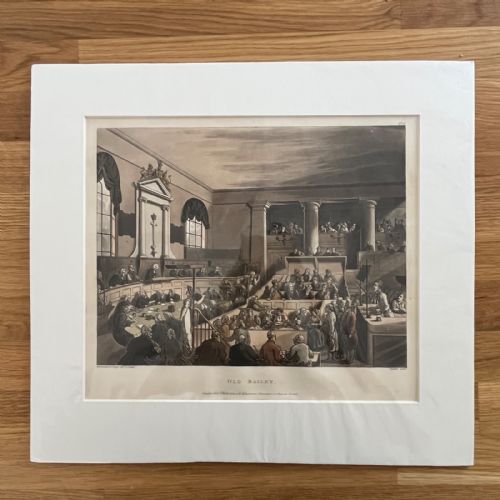
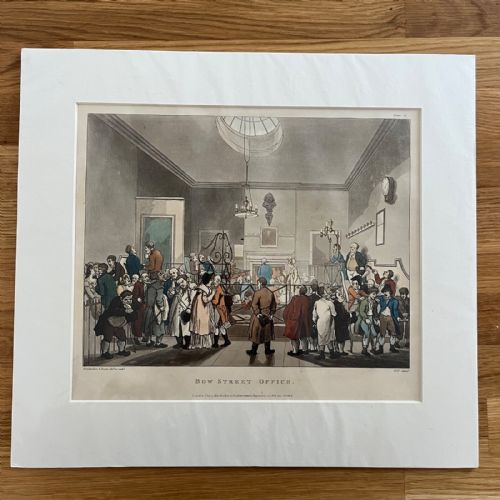
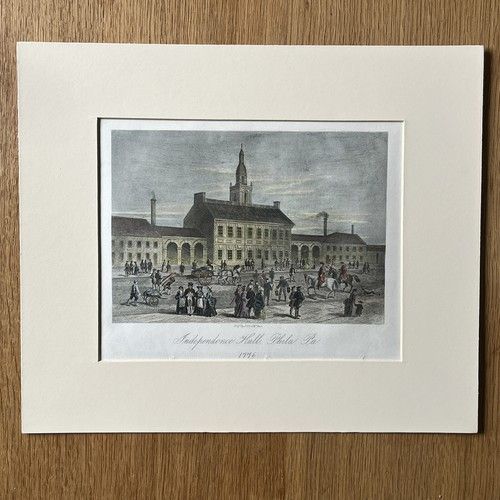
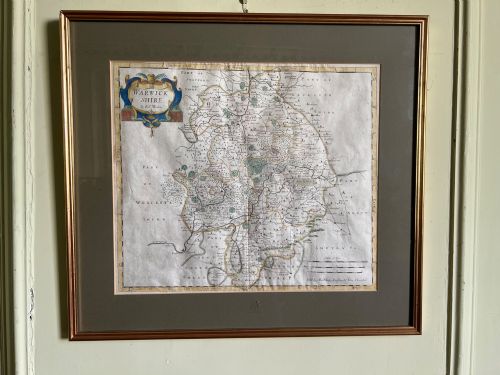
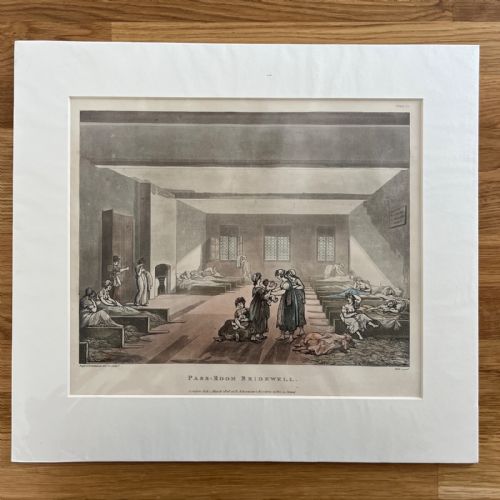
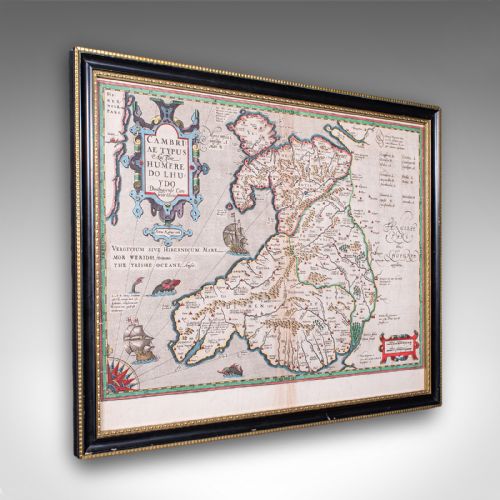
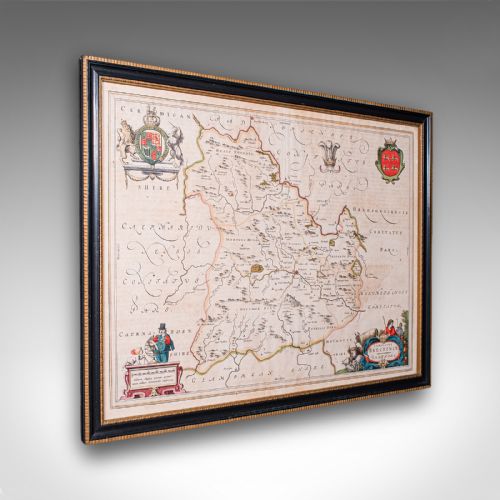
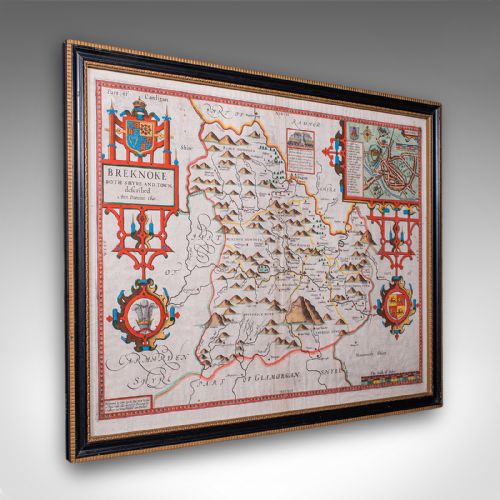
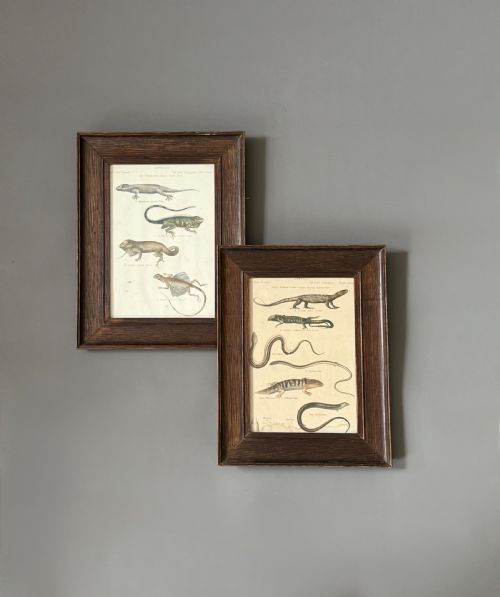
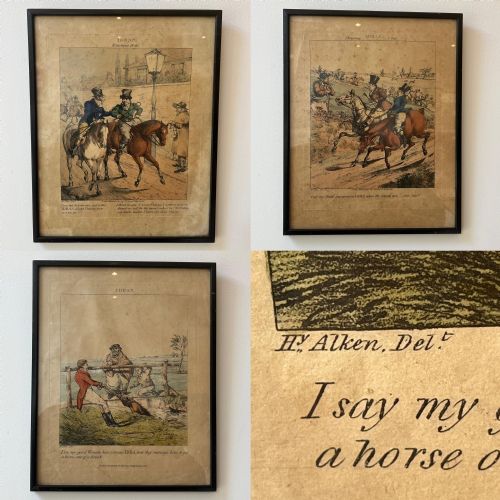
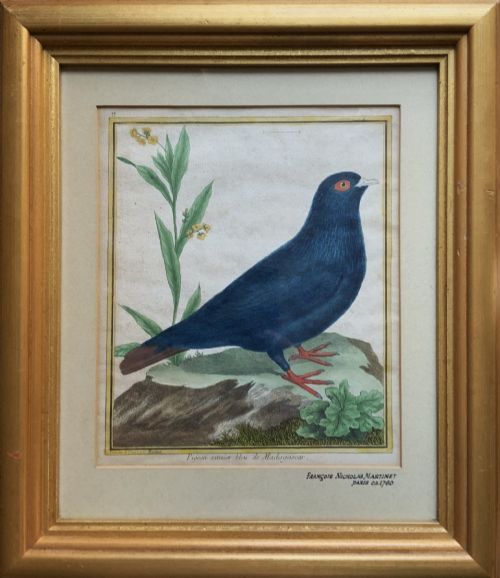
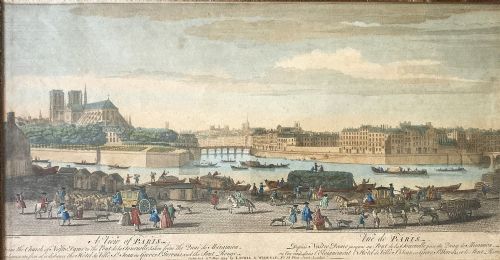
Hand printed art encompasses historic maps, botanical studies, zoological plates, and architectural scenes produced across the seventeenth, eighteenth, and nineteenth centuries. When exploring hand printed art, buyers encounter framed copperplate engravings, lithographs, and woodcuts originating from British, Dutch, French, and German presses.
How they were made
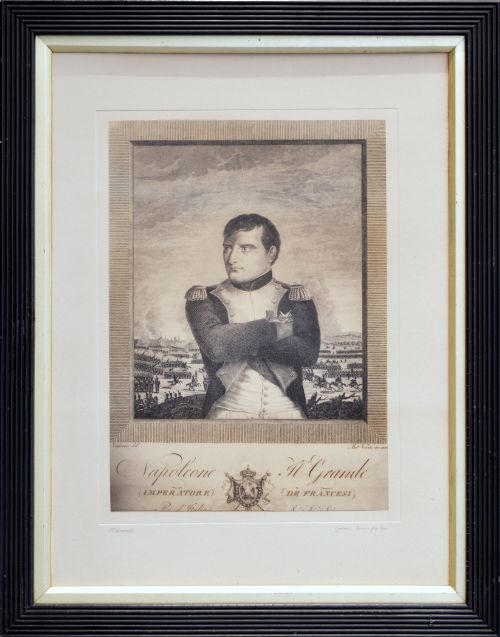
Makers produced these works by carving lines into copper plates or drawing upon lithographic stones, then applying ink by hand before transferring the image onto paper. Artisans frequently enhanced monochrome impressions afterwards by adding watercolour washes or highlights by brush.
Framing materials matched the period of publication, utilising burr wood, simple hogarth mouldings, or gilt wood to protect the delicate paper supports and watercolours inside.
Hand Printed Art Retail Price Guide 2026
Typical asking prices for hand printed art among the pieces listed under this phrase on Sellingantiques today, from the lower quarter to the upper quarter. They describe what is for sale here now, not the wider market.
Listings span multiple centuries from the seventeenth century through to the Art Deco era, encompassing paper, glass, wood, and gold leaf.
What varies in quality
The distinction between tiers rests upon the precision of the initial plate impression and the skill behind any supplementary hand colouring. Crisp lines, well preserved paper free from excessive toning, and contemporary rather than modern pigment applications separate standard decorative plates from superior collector examples.
Completeness also dictates value, particularly with cartography where margins remain intact and historical cartouche details stay clear. Original binding creases or early hand annotation add provenance that elevates certain prints above ordinary editions.
Robert Morden·Joan Blaeu·John Speed·Thomas Frye·Louis Icart
The Hand Printed Art Glossary
- Engraving
- An intaglio printmaking technique where an artist cuts lines directly into a metal plate using a burin. The resulting grooves hold the ink for transfer under pressure.
- Lithography
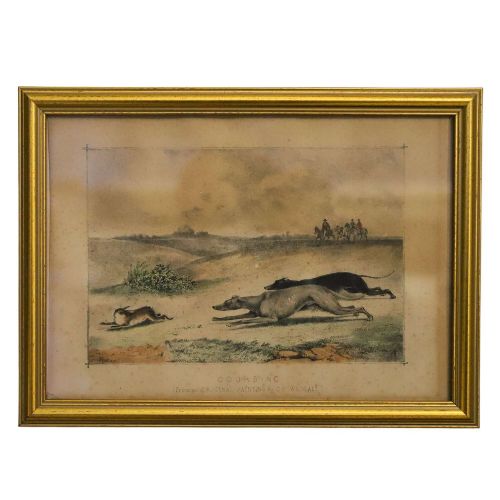
- A planographic printing method based on the chemical repulsion of oil and water, utilising a flat stone or metal plate. Artists draw directly onto the surface to create tonal gradations.
- Cartography
- The study and practice of making maps, represented here through historic atlas excerpts and regional county surveys. These plates often incorporate elaborate decorative title cartouches.
- Mezzotint
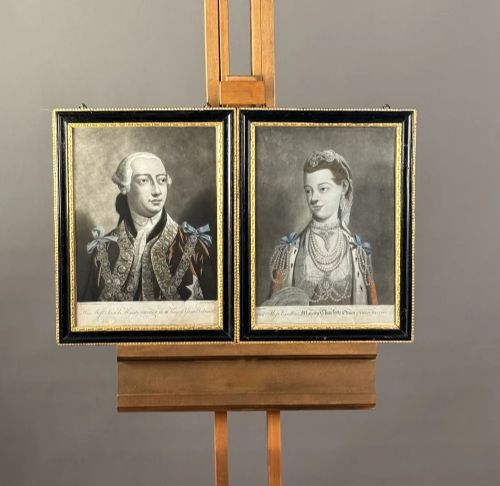
- A tonal printmaking process where the printing plate is roughened uniformly to produce dark backgrounds, allowing artists to scrape away areas for lighter highlights.
- Kalamkari
- A traditional Indian method of hand painting or block printing onto textiles, producing wall art featuring narrative scenes and botanical motifs.
Hand Printed Art: Frequently Asked Questions
How should I hang antique prints?
Keep framed pieces away from direct sunlight to prevent the watercolour pigments and paper from fading over time. Ensure rooms maintain stable humidity levels to protect the paper and wooden frames.
Group smaller botanical or map engravings together on neutral walls to create a balanced gallery display that highlights their shared historical aesthetic.
Are these maps and prints original?
The inventory comprises period impressions printed in the centuries stated, rather than modern photographic reproductions. Each piece reflects the printing technology and paper stocks typical of its specific era.
Examining the plate marks and paper texture helps confirm the period origin of individual engravings and lithographs.
What is hand colouring?
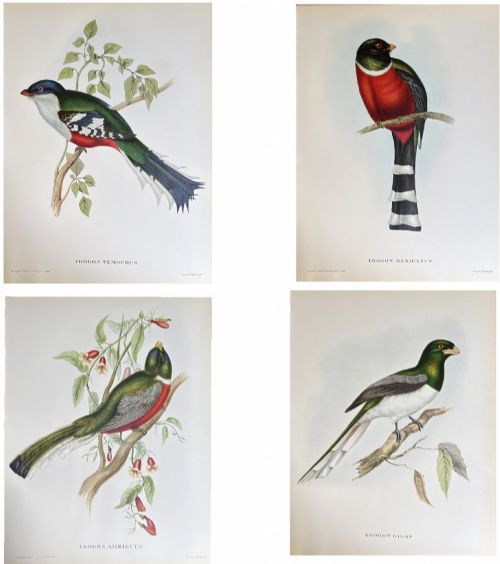
Hand colouring involves the careful application of watercolours or tints to a black and white printed impression using fine brushes. Artisans performed this work by hand shortly after printing to enhance the visual detail of subjects like birds, maps, and portraits.
This technique means no two hand coloured plates share identical pigment shades, even within the same published series.
How do I identify the age of a map?
Age is determined through typographical styles, cartographic details, paper characteristics, and maker signatures embedded within the plate. Spelling variations in placenames and the style of the decorative cartouche often point to a specific decade.
Reference works detailing cartographers and atlas publications provide exact comparative data for dating regional maps.