






Hand Painted Vanity
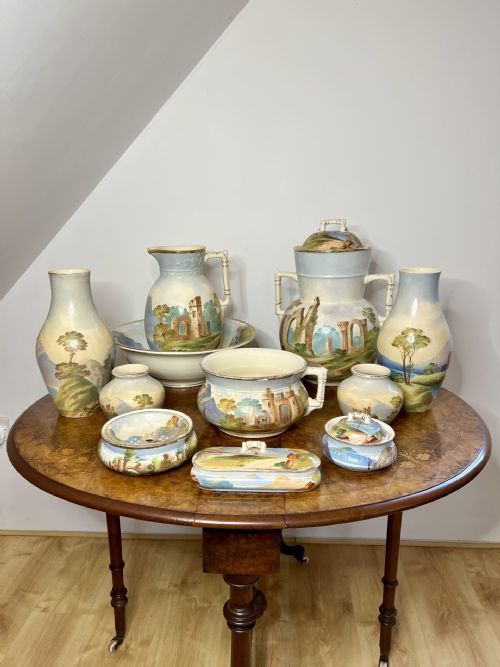
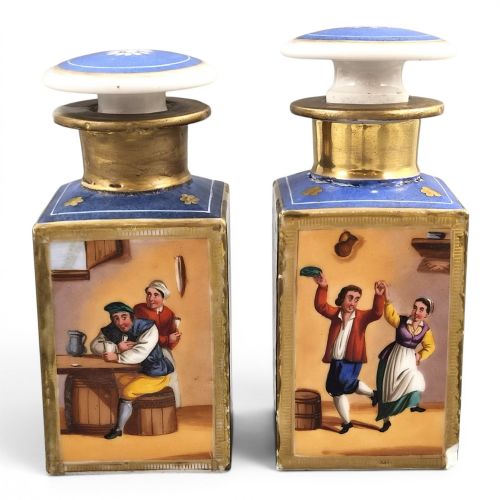
These hand painted vanity pieces bring individual painted artistry to daily dressing, combining functional objects with delicate surface decoration.
Hand Painted Vanity
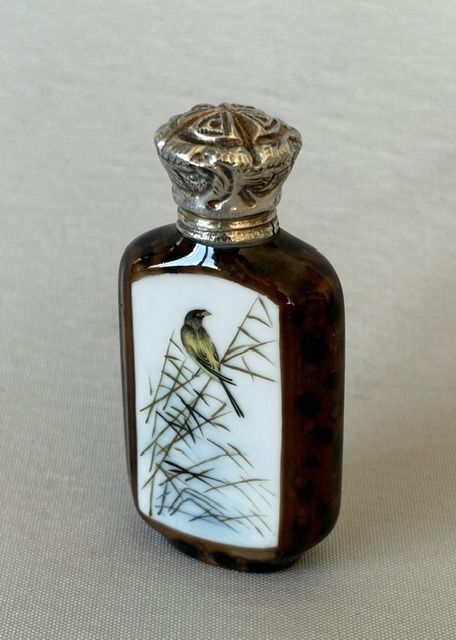
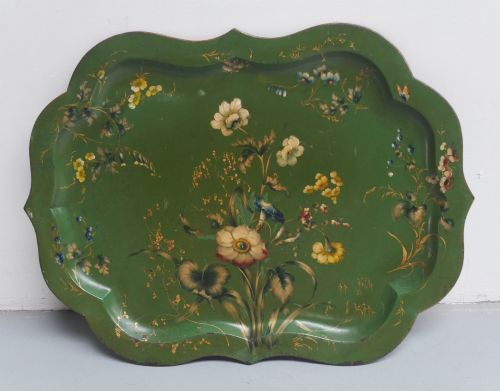
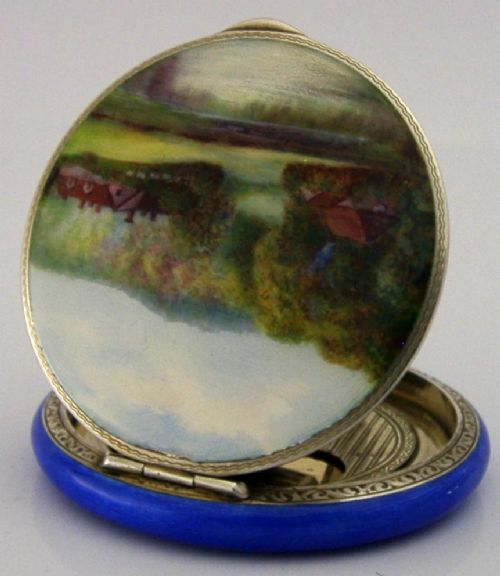
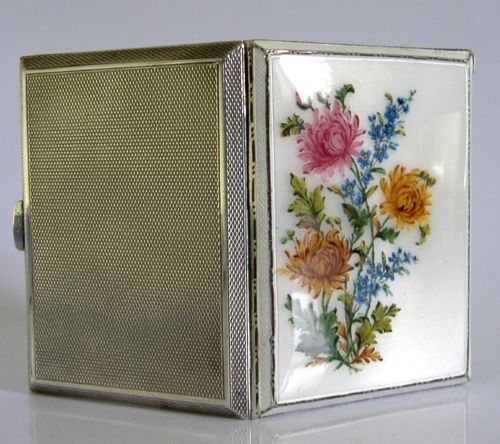
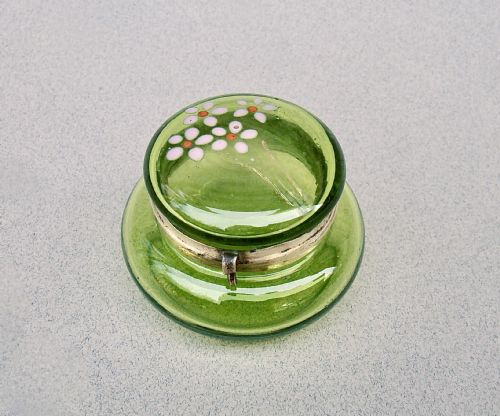
A hand painted vanity selection encompasses small personal items and larger dressing furniture created to hold cosmetics, jewellery, and writing materials. The smaller pieces include enamel patch boxes, porcelain scent bottles, sterling silver powder compacts, and glass trinket jars intended for the dressing table.
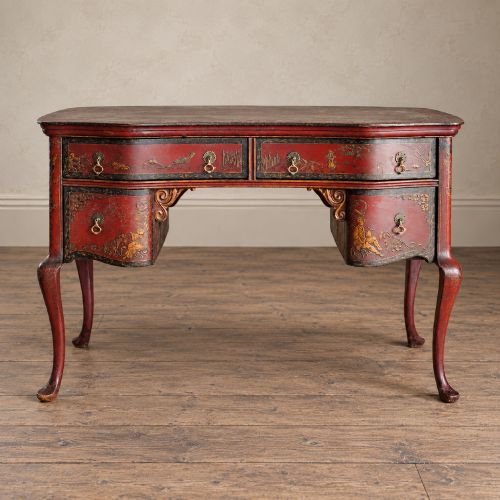
Larger examples take the form of satinwood dressing tables, kidney-shaped desks, and mirrored bedroom furniture decorated with painted motifs. These items span periods from the eighteenth century through the Victorian, Edwardian, and Art Deco eras, with notable representation from French and English workshops.
Buyers seeking a hand painted vanity object will encounter diverse decorative traditions, ranging from floral porcelain plaques set into silver mountings to lacquered Chinoiserie surfaces. The selection bridges intimate personal accessories and the larger furniture pieces designed to organise a nineteenth or twentieth-century dressing room.
How they were made
Craftsmen utilised base materials such as satinwood, brass, glass, and porcelain, applying pigments directly to the surface by hand. Enamel works involved fusing powdered glass to metal substrates under high heat before adding fine painted details.
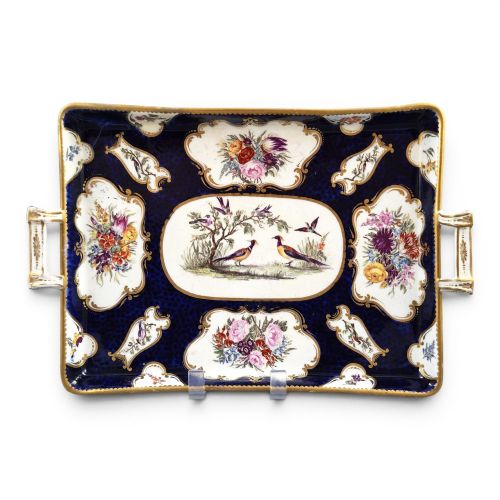
Porcelain and glass items frequently received hand-applied gilt detailing alongside figurative or floral scenes. Wooden dressing furniture relied on careful timber preparation, often featuring satinwood grounds finished with delicate painted borders or lacquered Chinoiserie designs.
Hand Painted Vanity Retail Price Guide 2026
Typical asking prices for hand painted vanity among the pieces listed under this phrase on Sellingantiques today, from the lower quarter to the upper quarter. They describe what is for sale here now, not the wider market.
A tiny eighteenth-century box once held small silk patches designed to hide facial blemishes.
What varies in quality
The distinction between tiers rests upon the precision of the brushwork and the integrity of the original surface decoration. Pieces displaying finer, more deliberate miniature painting on porcelain or enamel command attention for their artistic execution.
The choice of structural materials also defines the grade, with solid sterling silver mounts, heavy cut glass, and select satinwood outperforming simpler plated metals and secondary timbers. Preservation of the original hand-applied paintwork without heavy modern restoration dictates the standing of each piece.
Jacob Petit·Royal Worcester·James Giles·Joseph Meissonnier
The Hand Painted Vanity Glossary
- Guilloche
- Enamel applied over a metal surface that has been machine-turned with an intricate geometric pattern. This technique allows light to reflect through the translucent coloured enamel layers.
- Chinoiserie
- European interpretations of Chinese and East Asian artistic styles, popular in furniture and decorative objects. Artisans used lacquering and painted motifs to evoke oriental landscapes.
- Satinwood
- A lustrous timber native to India and Ceylon, prized for its golden sheen and smooth grain. It served as a favoured ground for painted dressing tables and writing desks during the eighteenth and nineteenth centuries.
- Patch box
- A small, hinged container fitted with an interior mirror, originally used to hold cosmetic silk patches worn on the face. Georgian examples frequently featured copper bases with hand-painted enamel lids.
- Ormolu
- Gilded bronze mounts applied to porcelain vessels, mirrors, and furniture. The technique involves treating bronze with an amalgam of gold and mercury to produce a rich metallic finish.
Hand Painted Vanity: Frequently Asked Questions
How do I clean enamel pieces?
Enamel surfaces require gentle wiping with a soft, dry cloth to remove dust without disturbing the delicate pigments. Moisture should be kept away from any exposed metal mounts or mirrored interiors.
Harsh chemical cleaners or abrasive cloths must be avoided entirely, as they will scratch the vitreous enamel surface and ruin the hand-painted details.
What is Bilston enamel?
Bilston enamel refers to decorative painted enamelware produced in the English town of Bilston during the eighteenth century. These items typically comprise small boxes and scent bottles created on a copper core.
The industry was celebrated for producing miniature painted scenes and sentimental inscriptions under high-temperature firing, creating durable yet ornate personal accessories.
Are dressing table jars usable?
Antique vanity jars and scent bottles can hold modern perfumes and cosmetics if the glass or porcelain interiors remain free from hairline cracks. However, collectors often use them purely for display to preserve their fragile painted surfaces.
Fitted stoppers and silver mounts should be handled with care, as historic adhesives or cork seals may have degraded over the decades.
How do I date painted satinwood?
Dating painted satinwood furniture involves examining the construction methods of the drawers, the backing timbers, and the style of the painted floral or classical motifs. Edwardian pieces often display lighter, airier neoclassical revival painting compared to earlier Victorian work.
Examining the wear patterns on the painted surfaces and the composition of the wood helps confirm whether the decoration is contemporary with the piece's manufacture.