



Hand Painted Minton China
Hand painted minton china brings delicate artistry to the table, offering finely decorated porcelain plates, tea sets, and vases for the discerning collector.
Hand Painted Minton China
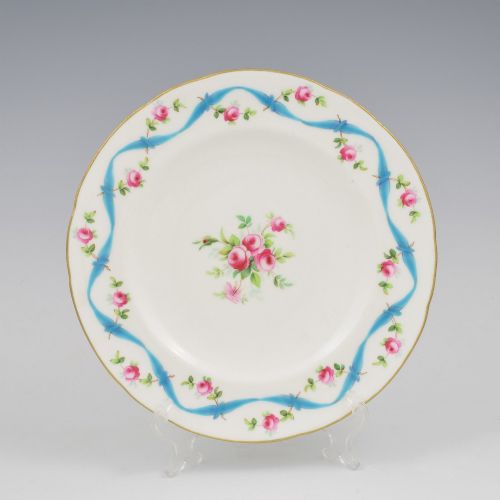
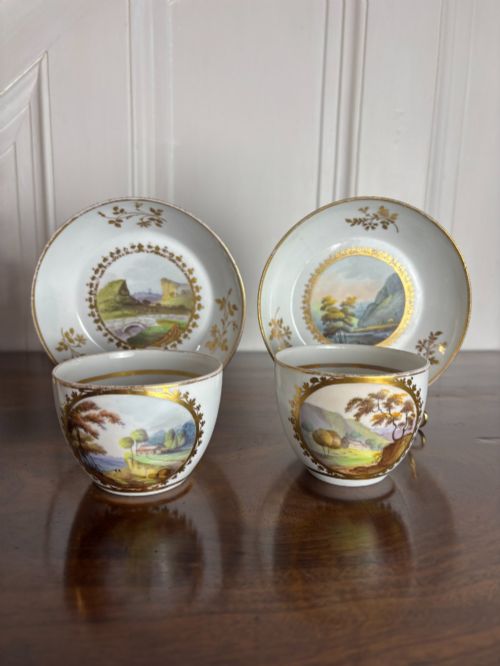
When you search for hand painted minton china, you encounter nineteenth-century porcelain shaped into cabinet plates, teacups and saucers, decorative plates, and tea services. These ceramic pieces range from early nineteenth-century Georgian and Regency examples to later Victorian designs.
The objects most frequently met on this page include decorative plates and dessert services featuring hand-painted floral motifs, landscapes, and armorial designs. Forms such as the Newcastle shape basketweave plate demonstrate the factory's skill in combining moulded textures with painted decoration.
How they were made
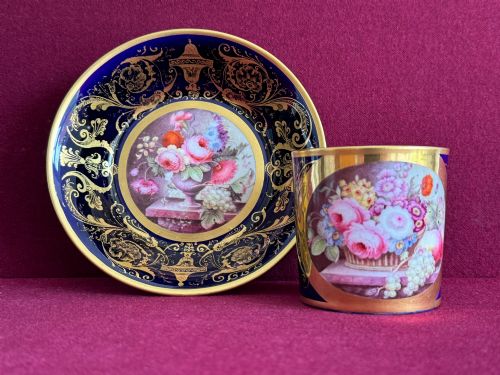
Makers utilised fine porcelain and bone china as the primary canvas for these objects, applying intricate brushwork by hand. Painters employed enamel colours alongside gold leaf and gilt highlights to create rich surface decoration.
Techniques varied from delicate landscape scenes and Kakiemon tiger motifs to pearl jewelling and raised gilding. Potters also shaped clay into basketweave patterns and figurative statuettes before applying glaze and colours.
Hand Painted Minton China Retail Price Guide 2026
Typical asking prices for hand painted minton china among the pieces listed under this phrase on Sellingantiques today, from the lower quarter to the upper quarter. They describe what is for sale here now, not the wider market.
Tigers painted in the Japanese Kakiemon revival style peer out from nineteenth-century tea sets.
What varies in quality
Quality in these ceramics rests upon the precision of the hand-painted detail and the complexity of the design. Pieces decorated by known artists or featuring elaborate gilding and jewelling represent the finer end of production.
The sophistication of the form also distinguishes the range, with moulded basketweave textures and sculptural figurines requiring higher skill than standard plates. The preservation of the enamel colours and gold leaf over time influences the standing of each piece.
Thomas Steel
The Hand Painted Minton China Glossary
- Bone china
- A type of soft-paste porcelain containing bone ash, providing strength and a bright white body for painting.
- Cabinet plate
- A decorative plate intended for display in a cabinet rather than for everyday dining use.
- Gilding
- The application of gold leaf or gold dust to the surface of the porcelain to create metallic highlights.
- Kakiemon
- A style of Japanese enamelled porcelain decoration featuring asymmetrical designs, adopted by European factories.
- Coffee can
- A straight-sided cylindrical porcelain cup used for drinking coffee during the Regency and Victorian periods.
Hand Painted Minton China: Frequently Asked Questions
What periods do these pieces date from?
The pieces span the Georgian, Regency, and Victorian eras, encompassing the nineteenth century. Most examples date from the 1820s through to the 1870s.
Production methods and artistic styles evolved during this timeframe, moving from early floral patterns towards Japanese-inspired aesthetic designs and revival styles.
How were these ceramic items used?
Many items served practical functions within domestic dining and tea rituals, including tea services, cups, saucers, and dessert plates. Other objects, such as cabinet plates and vases, served primarily decorative purposes in the home.
Figurines like the gardeners with flowers functioned as ornamental sculptures for display on mantelpieces or tables.
How do I identify different styles?
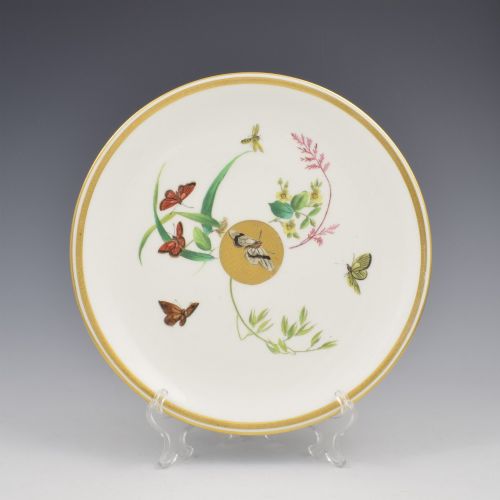
Styles reflect the shifting tastes of the nineteenth century, ranging from Regency floral arrangements to Rococo revival and Aesthetic Movement designs. Specific motifs like Japanese style suns and butterflies or Kakiemon tigers signal distinct artistic influences.
Moulded forms such as basketweave textures provide further clues to the manufacturing period and design approach.
What materials make up these objects?
The items consist primarily of porcelain and bone china bodies. Artisans applied enamel paints, gold leaf, and gilding to the glazed ceramic surfaces.
Specialist techniques include pearl jewelling, where raised enamel dots simulate precious stones on the painted ground.