


Hand Painted Meissen Figure
These hand painted meissen figure pieces are remarkable specimens of European ceramic art, sought after by collectors for their intricate modelling and vibrant enamel decoration.
Hand Painted Meissen Figure
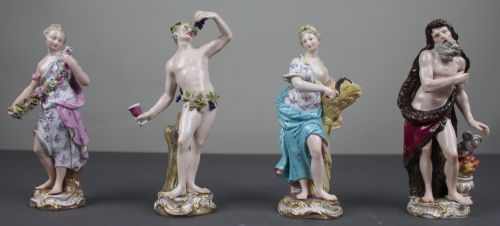
When you search for a hand painted meissen figure, you encounter porcelain sculpture spanning from the eighteenth century to the early twentieth century. The selection ranges from single figures of street traders and gardeners to pairs of lovers and allegorical sets representing the seasons.
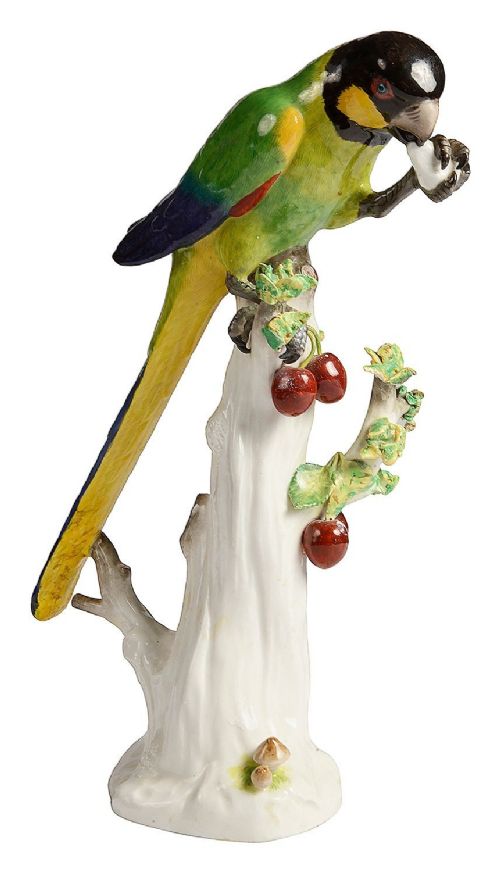
Nineteenth-century examples frequently adopt rococo revival styling, mirroring earlier eighteenth-century dynamism with elaborate scrollwork and naturalistic bases. You also find birds such as parrots and hoopoes, modelled with detailed plumage and vivid coloration.
Alongside genuine eighteenth-century pieces originating from the German factory, the selection includes nineteenth-century interpretations and related continental porcelain makers working in a similar aesthetic. These objects served primarily as ornamental centrepieces for aristocratic and bourgeois interiors.
How They Were Made
Production relies upon hard-paste porcelain, fired at high temperatures to achieve a dense and durable body before the application of glaze. Artisans then paint the surface by hand using mineral enamels, occasionally incorporating gold leaf and gilt highlights to accentuate garments and bases.
Complex compositions require multiple moulded sections joined together with liquid porcelain slip prior to firing. Sculptors such as Johann Joachim Kändler designed dynamic models that demanded exceptional skill from both the mould-maker and the painter.
A porcelain Cupid caught in disguise demonstrates that eighteenth-century sculptors enjoyed a playful sense of humour behind the solemn facade of royal craftsmanship.
What Varies in Quality
Quality rests primarily upon the crispness of the modelling and the precision of the hand-painted enamelwork. Superior examples retain sharp facial expressions, delicate hand details, and clean separation between colours without muddy blending.
The sophistication of the composition also separates standard production from exceptional work, particularly in multi-figure groups like the Four Seasons or romantic pairs. Early eighteenth-century specimens demonstrate a vitality in posture and drapery that later revival pieces sometimes interpret more rigidly.
Johann Joachim Kändler·Helena Wolfsohn
The Hand Painted Meissen Figure Glossary
- Hard-paste porcelain
- A dense, vitrified ceramic compound composed of kaolin and petuntse, fired at very high temperatures. This material forms the durable white body characteristic of genuine factory output.
- Enamel
- Vitreous pigments applied over the glaze and fired again to fuse with the surface. These colours provide the rich palette seen on garments, flowers, and plumage.
- Gilt
- A thin layer of gold applied to the porcelain surface for decorative emphasis. It highlights rococo scrollwork, garment edges, and accessory details.
- Rococo Revival
- A nineteenth-century design movement that reinterprets the asymmetrical curves, C-scrolls, and ornamental exuberance of the mid-eighteenth century. This style frequently appears in nineteenth-century bases and supporting framework.
Hand Painted Meissen Figure: Frequently Asked Questions
How do I identify a true eighteenth-century piece?
Examine the character of the modelling, the subtlety of the enamel palette, and the weight of the hard-paste porcelain body. Earlier figures often display greater anatomical precision and softer, more integrated colour transitions.
Compare the style of the base and the complexity of the scrollwork against documented examples from the period. Factory marks, where present, offer further guidance, though they require careful contextual comparison.
Were these figures meant for display?
These porcelain sculptures functioned strictly as ornamental art for wealthy households, frequently displayed on dining tables or mantelpieces. They demonstrated the owner's cultivation and wealth through sophisticated pastoral and allegorical subjects.
Unlike utilitarian tableware, they were designed solely to be admired for their artistic merit and conversation-sparking narratives.
How should I care for antique porcelain figures?
Keep them away from direct sunlight to prevent any fading of the delicate hand-painted enamels and gilt highlights. Dust them very gently with a soft, dry brush rather than using water or chemical cleaners.
Ensure they rest on a stable, vibration-free surface away from high-traffic areas to protect delicate extremities like fingers, leaves, and bird wings.
What subjects are most common?
Common subjects include pastoral figures such as grape harvesters, street traders, and gardeners engaged in daily rural tasks. Allegorical groups representing the Four Seasons or pairs of romantic lovers also appear frequently.
Bird models, including parrots and hoopoes perched on tree trunks, represent another prominent category within this tradition.