


Hand Painted Lighting
Hand painted lighting brings together brass, glass and porcelain illuminated by human brushwork across Victorian and 1920s interiors.
Hand Painted Lighting
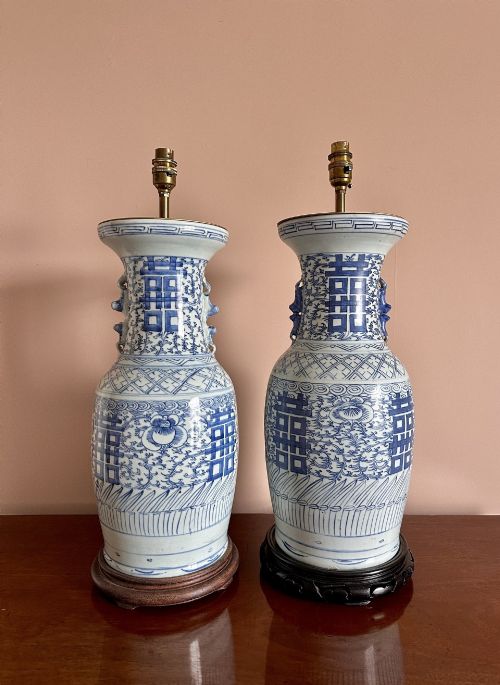
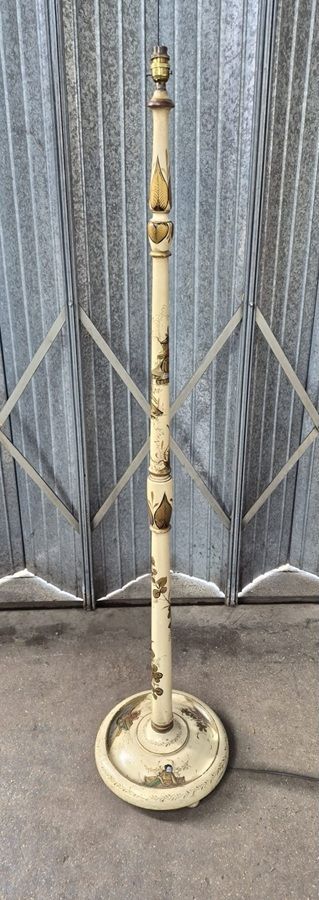
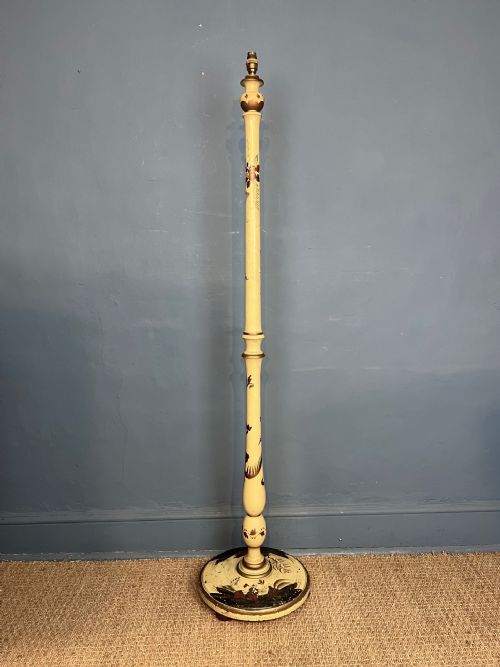
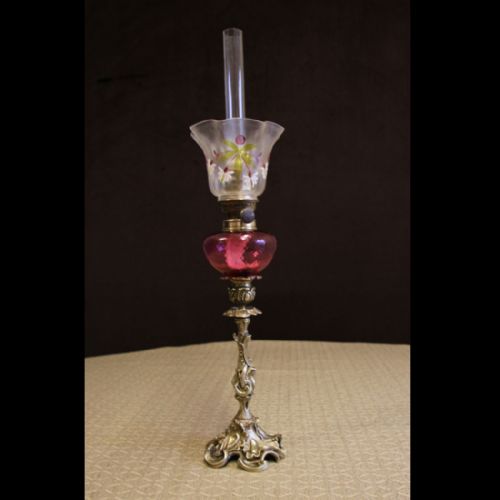
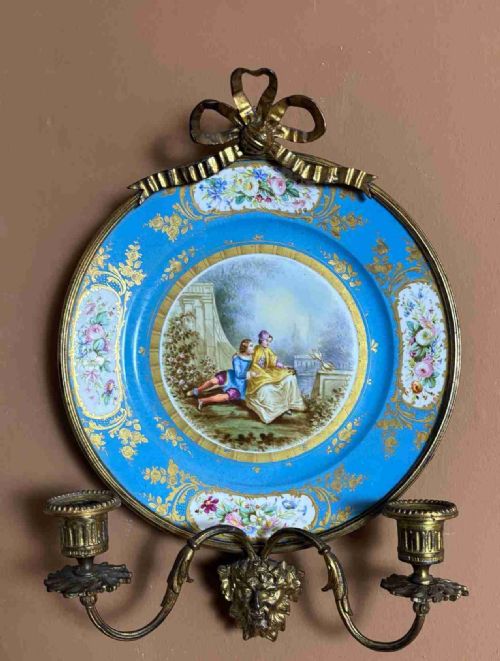
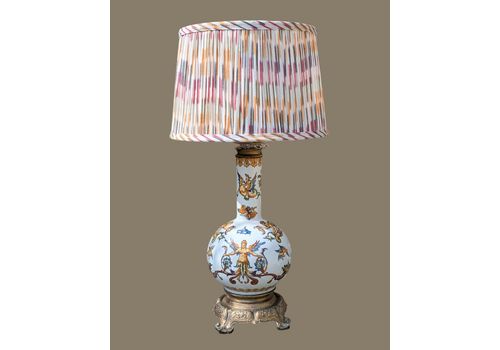
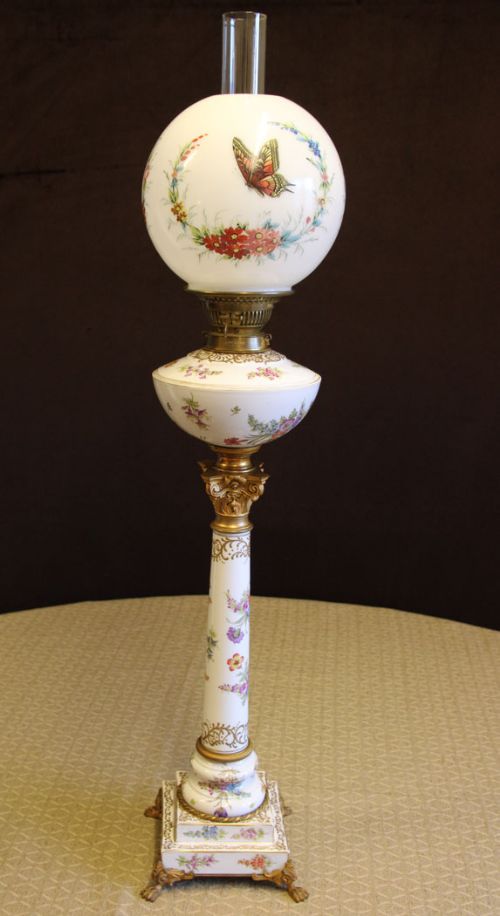
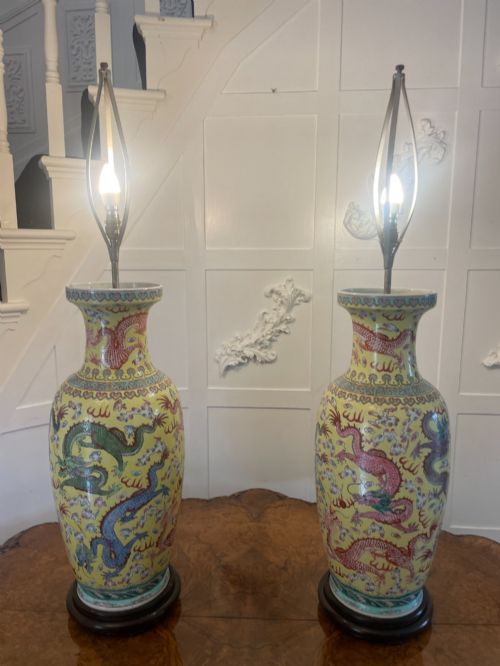
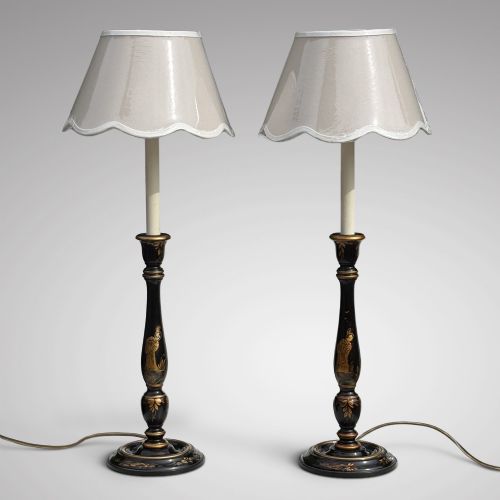
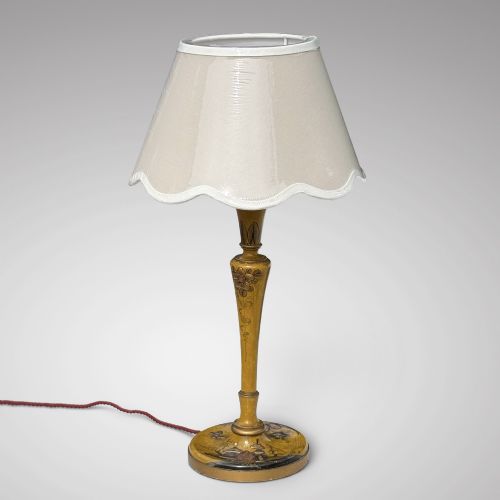
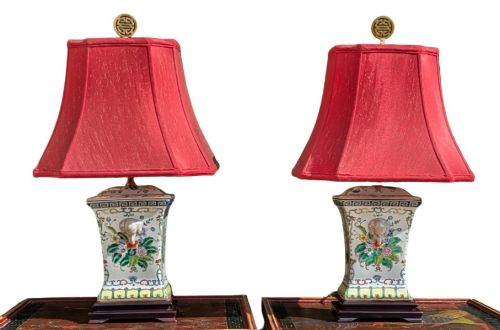
Hand painted lighting encompasses table lamps, oil lamps, standard lamps and mantel lustres created across the nineteenth and early twentieth centuries. These objects merge functional illumination with decorative artistry, originating from diverse styles including Victorian, Chinoiserie, Kashmiri folk art and Edwardian designs.
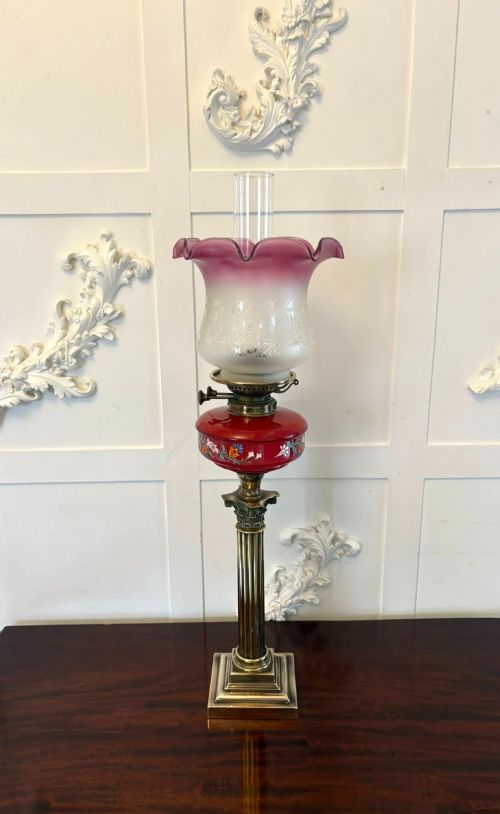
The most common examples on this page are Victorian brass oil lamps with glass fonts and twentieth-century lacquer table lamps. Buyers encounter pieces ranging from tall standard lamps to small mantel lustres, utilising porcelain, glass and wood.
Origins span English, French, Chinese, Japanese and Indian workshops, reflecting global trade and aesthetic influences. A buyer looks for surviving decorative schemes that retain their original pigment and structural integrity.
How they were made
Makers combined turned brass, blown or pressed glass, and carved wood as foundations for painted decoration. Porcelain bodies from Chinese export kilns and European potteries provided smooth surfaces for intricate brushwork.
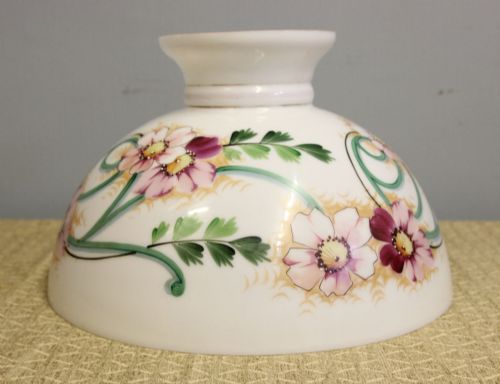
Techniques relied on oil-based pigments, gilt gold applications and lacquer layers applied over wood or papier-mâché. Glass shades and fonts were often hand-enameled or painted with winter scenes and floral motifs before kiln firing.
Metal components such as Corinthian columns and ormolu mounts were cast and polished to support fragile glass and ceramic reservoirs. Wiring or burner fittings were subsequently integrated into the structural core.
Hand Painted Lighting Retail Price Guide 2026
Typical asking prices for hand painted lighting among the pieces listed under this phrase on Sellingantiques today, from the lower quarter to the upper quarter. They describe what is for sale here now, not the wider market.
Some railway inspectors once carried lanterns equipped with tri-colour lenses to signal trains across Victorian tracks.
What varies in quality
Quality rests in the precision and durability of the hand-painted details upon the glass, porcelain or lacquer. Superior brushwork displays fine lines and balanced composition, whereas lesser examples show hurried execution and faded pigments.
The integrity of the underlying material dictates overall standard, separating solid brass and heavy crystal from lighter composite metals and thin glass. Original matching components, such as paired mantel lustres or matching shades, elevate a piece above assembled pairs.
The harmony between the painted decoration and the form of the lamp determines visual balance. Master artisans aligned motifs with the contours of the ceramic vase or wooden twist column.
Sevres·Royal Worcester·Barr Flight and Barr·Moorcroft·Hinks and Taylor Tunnicliff
The Hand Painted Lighting Glossary
- Mantel lustre
- A decorative glass or porcelain mantel ornament hung with cut glass prisms. These pieces often feature painted floral panels and sit alongside lighting in period rooms.
- Chinoiserie
- European decorative style reflecting Chinese artistic influences, characterised by lacquerwork, gilt motifs and painted figures. It appears widely on standard and table lamps from the early twentieth century.
- Ormolu
- Gilded bronze mounts applied to porcelain and glass bodies for structural support and ornamentation. It is commonly found on nineteenth-century French and English pieces.
Hand Painted Lighting: Frequently Asked Questions
How do I safely light an antique oil lamp?
Antique oil lamps utilise cotton wicks submerged in oil reservoirs beneath metal burners. Modern owners generally convert these pieces to electricity or display them unlit to preserve the delicate glass and brass mechanisms.
When conversion occurs, internal wiring runs through the old burner without altering the exterior brass or glass font. This maintains the visual integrity of the Victorian design while ensuring domestic safety.
How do I clean painted glass lamp shades?
Painted glass surfaces require gentle cleaning with lukewarm water and a soft cloth to avoid removing the hand-applied enamels. Harsh chemical solvents strip vintage pigments instantly.
Dry the glass thoroughly after washing and inspect the edges where the shade fits into the brass gallery. Avoid submerging painted metal parts in water.
What is the difference between an oil lamp and a standard lamp?
Oil lamps feature a lower reservoir designed to hold fuel and a burner with a chimney, originating mostly in the nineteenth century. Standard lamps are tall floor-standing lighting fixtures designed for electric bulbs.
Many period oil lamps later undergo conversion into table lamps by running an electrical cord through the central column. Standard lamps remain taller and usually feature weighted bases for floor placement.
How do I identify Kashmiri papier-mâché lamps?
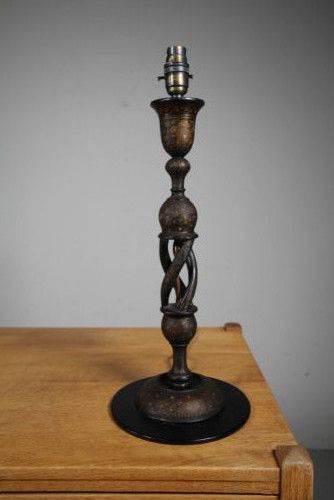
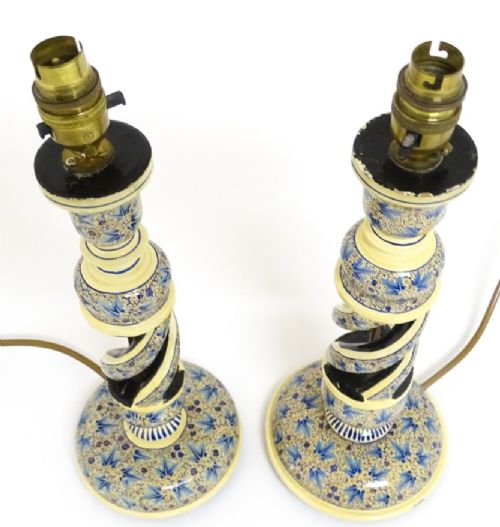
Kashmiri lamps display intricate hand-painted floral or gilt patterns across papier-mâché or turned wooden bodies. They often date to the early twentieth century and exhibit lightweight construction.
The tactile surface reveals a layered lacquer finish that protects the painted decoration from daily wear. Twist columns and gourd shapes appear frequently in this tradition.