


Hand Painted Lacquer
Hand painted lacquer pieces bring vibrant colour and intricate narrative scenes into a room, spanning cabinets, tables, and decorative accessories.
Hand Painted Lacquer
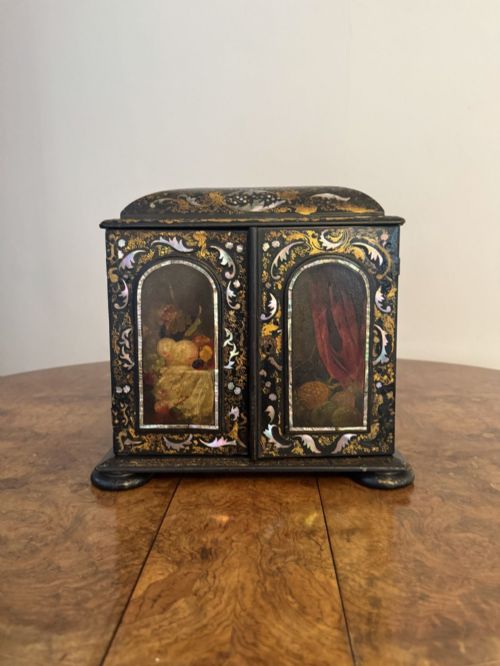
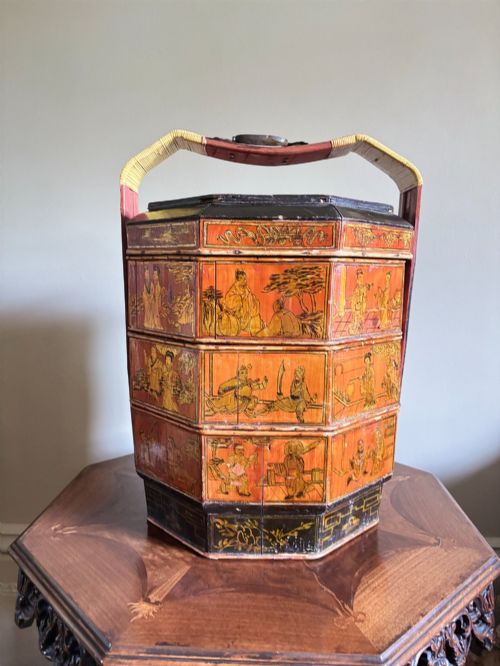
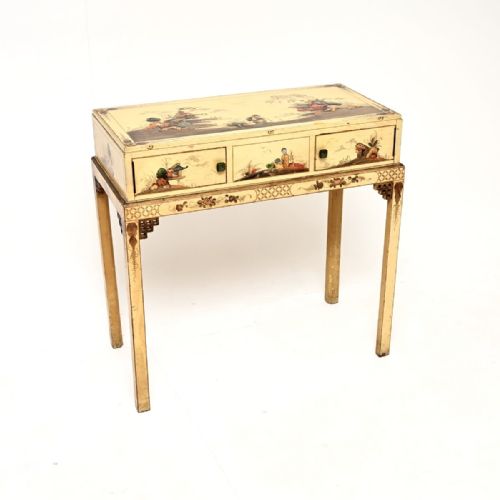
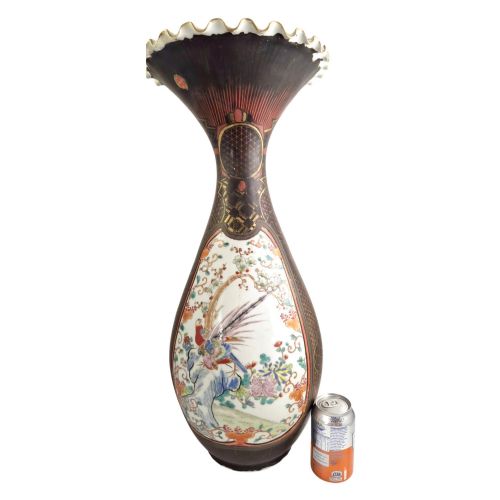
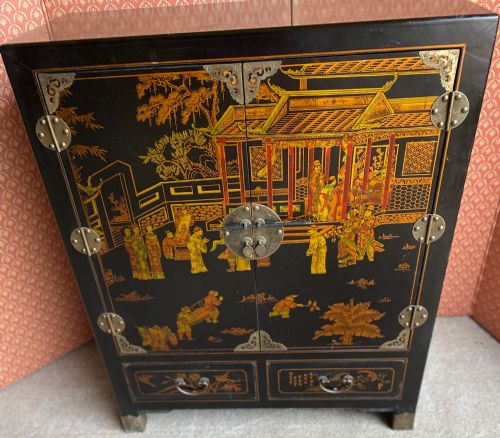
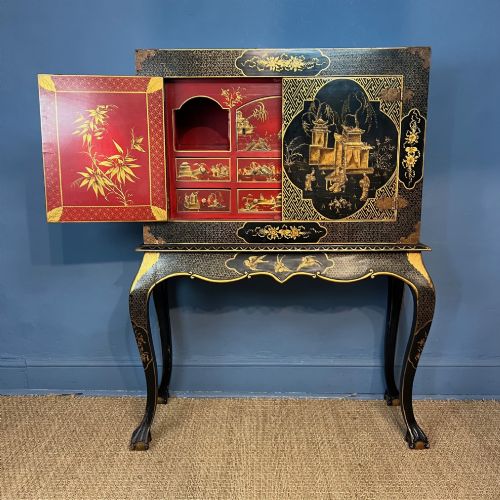
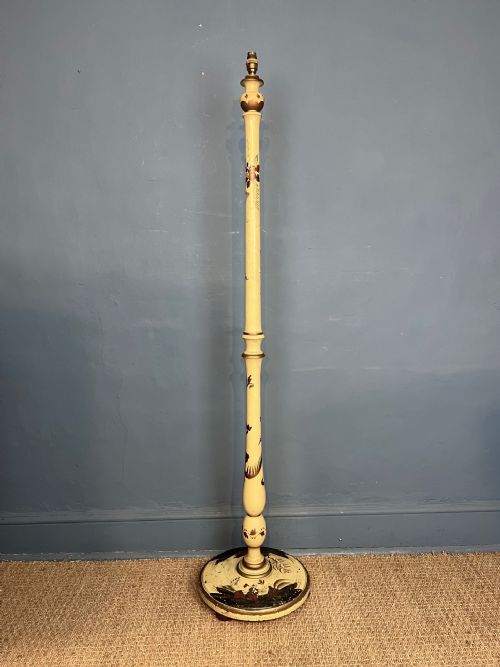
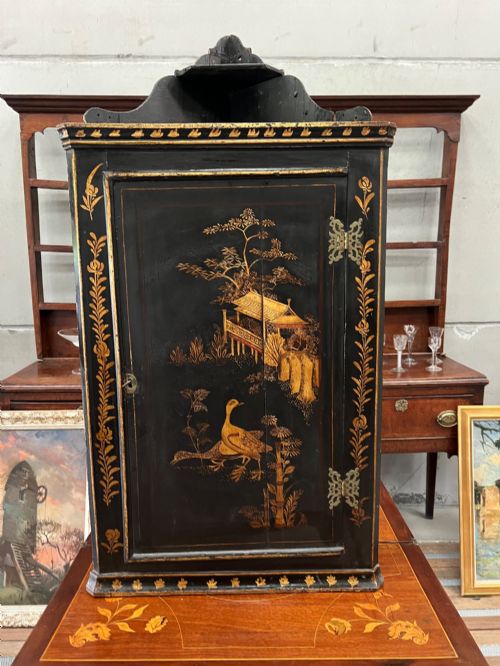
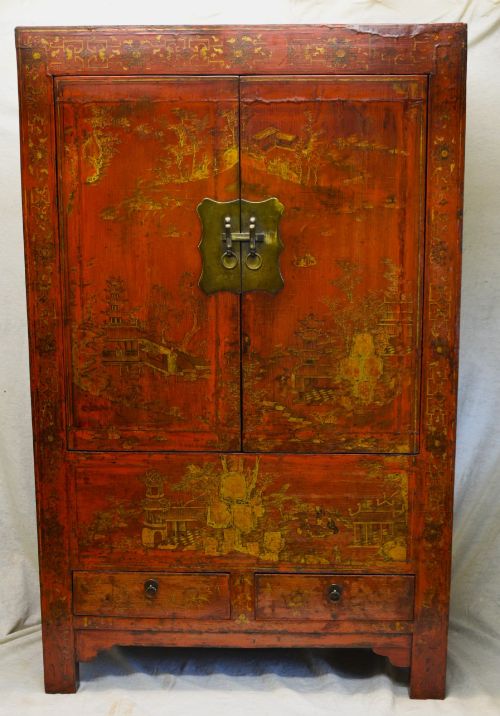
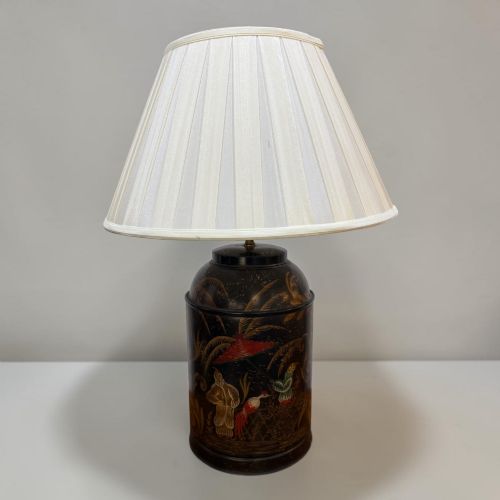
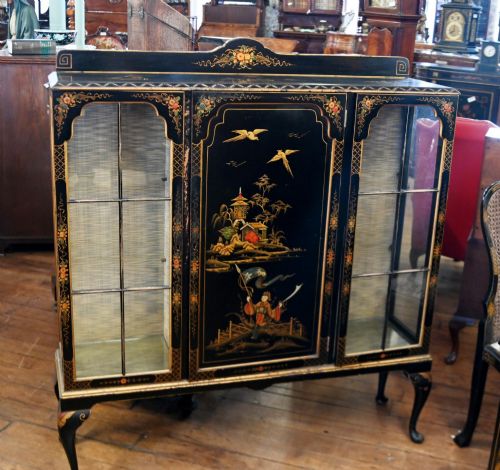
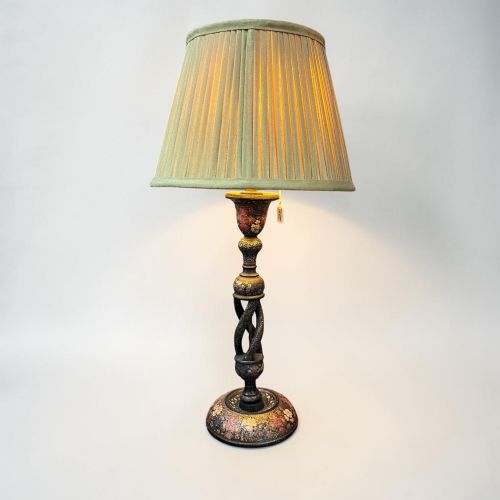
Hand painted lacquer encompasses functional furniture and decorative objects adorned with detailed pigments, covering forms such as coffee tables, cabinets, wedding baskets, and table lamps. Pieces frequently display Chinoiserie or Kashmiri design motifs, reflecting varied global production centres from the nineteenth and early twentieth centuries.
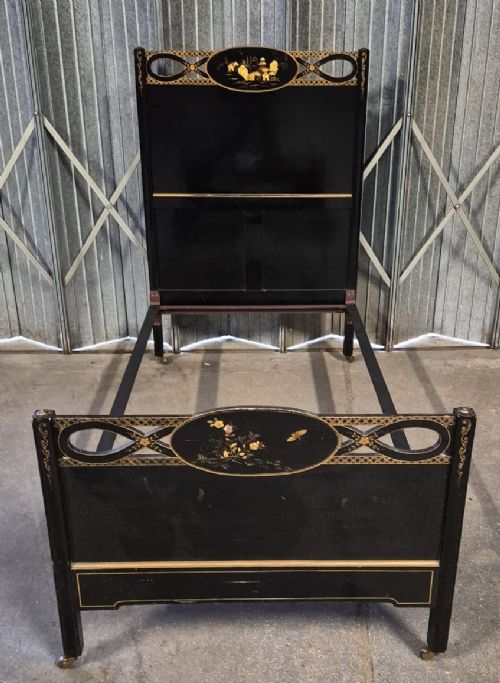
Buyers encounter items ranging from large bedroom suites and six-panel room dividers down to small letter openers, fire bellows, and wine coasters. The selection leans heavily toward Chinoiserie occasional tables, wedding cabinets, and papier-mache items originating from diverse stylistic traditions including Qing dynasty works and Edwardian interpretations.
How they were made
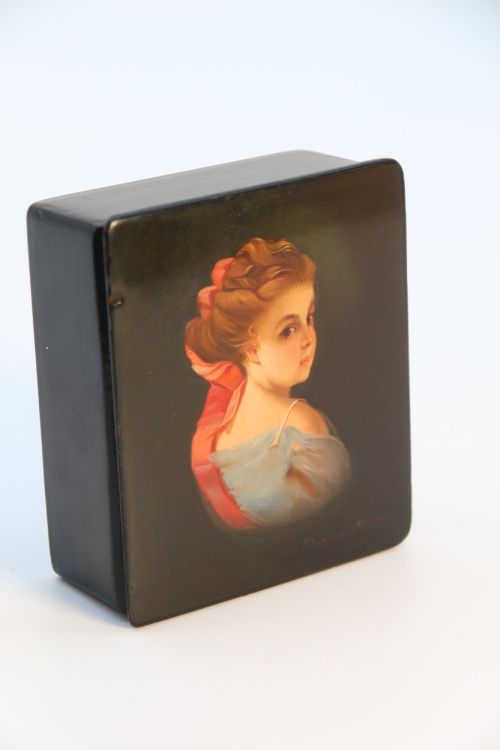
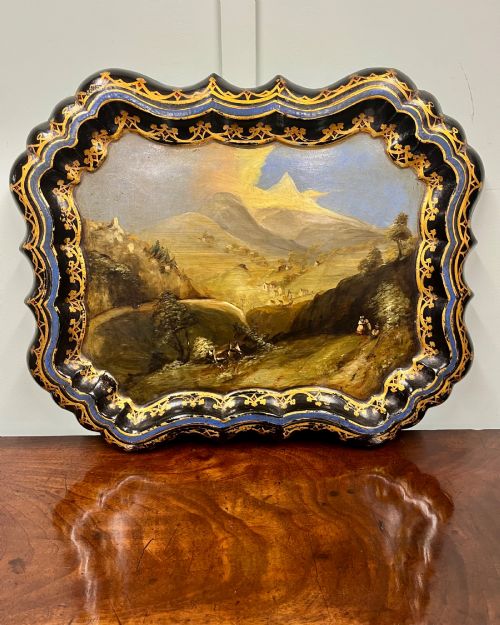
Artisans built these items using wood, bamboo, and papier-mache as structural bases, applying multiple layers of lacquer to achieve smooth surfaces. Paint, gold leaf, and gilt details were then meticulously added by hand to create figurative scenes and floral patterns.
Hardware components such as brass often complemented the wooden and lacquered constructions, particularly on cabinets, chests, and storage boxes. Papier-mache items utilised moulded paper pulp treated with durable finishes before receiving their hand-painted decoration.
Hand Painted Lacquer Retail Price Guide 2026
Typical asking prices for hand painted lacquer among the pieces listed under this phrase on Sellingantiques today, from the lower quarter to the upper quarter. They describe what is for sale here now, not the wider market.
Materials documented across the pieces include solid wood, bamboo, brass, papier-mache, and gold leaf.
What varies in quality
The refinement of the hand-painted decoration determines the visual impact of each piece, distinguishing simple surface ornamentation from intricate narrative illustration. Mastery in applying gold leaf and layered pigments creates depth and longevity within the painted designs.
The choice of structural material also influences the integrity of the piece, with solid timber frames and well-preserved papier-mache bases holding up better over decades of use. Consistency in the lacquer finish without excessive surface disruption marks the higher tiers of craftsmanship.
The Hand Painted Lacquer Glossary
- Chinoiserie
- European decorative style reflecting Chinese artistic influences, commonly featuring figures, pagodas, and landscapes painted in gold and colours on lacquered surfaces.
- Lacquer
- A durable resin finish applied in multiple coats to wood or papier-mache, providing a smooth protective surface suitable for detailed painting.
- Papier-mache
- A composite material made from paper pulp or layers of paper bound with adhesive, moulded into trays, boxes, and lamps, then lacquered and painted.
- Gilt
- Application of gold leaf or gold paint to highlight specific decorative elements, frames, and figures across wooden and lacquered objects.
- Etagere
- An open shelving unit with multiple tiers designed for displaying decorative objects, often constructed from bamboo or wood in Chinoiserie styles.
Hand Painted Lacquer: Frequently Asked Questions
How do I care for hand painted lacquer furniture?
Keep items away from direct sunlight and excessive moisture to protect the delicate paintwork and lacquered surfaces from fading or cracking.
Dust gently with a soft, dry cloth and avoid harsh chemical cleaners that can strip the protective finishes.
What is the difference between Chinoiserie and Kashmiri lacquer?
Chinoiserie pieces typically showcase European interpretations of Chinese motifs, featuring figures, landscapes, and pavilions rendered in gold or contrasting paint on dark backgrounds.
Kashmiri items often rely on papier-mache foundations decorated with intricate floral and botanical patterns in vibrant multi-coloured palettes.
Where were papier-mache items used in the home?
Smaller papier-mache objects like trays, letter racks, and snuff boxes served functional purposes on desks, side tables, and in drawing rooms.
Larger items such as table lamps and decorative boxes brought colour and texture to living spaces and mantelpieces.
How can I tell the age of a lacquer cabinet?
Examine the construction methods, wood types, and wear patterns on the interior surfaces and hardware to determine the period of manufacture.
Stylistic cues such as Edwardian proportions or Qing dynasty influences help place items within specific nineteenth and early twentieth-century windows.