

Hand Painted Famille Rose
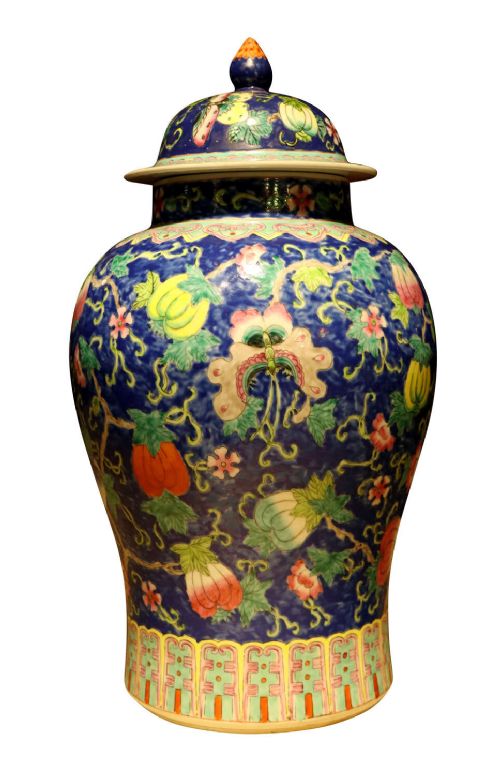
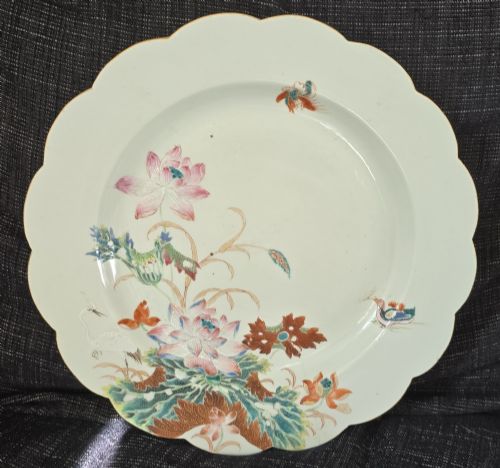
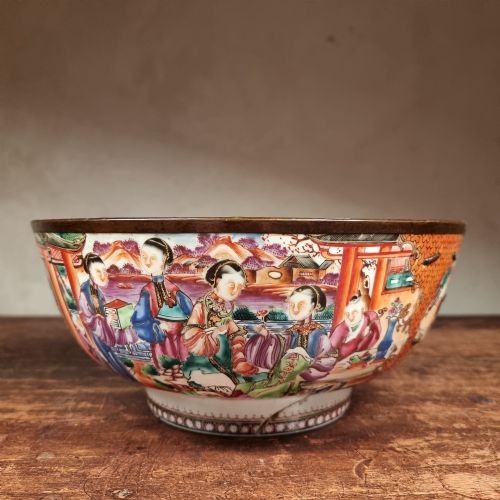
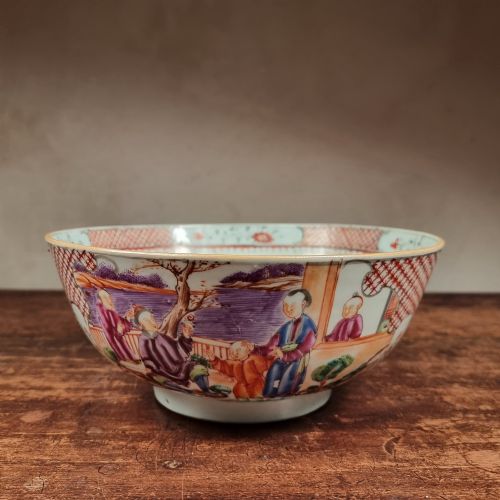
Hand painted famille rose ceramics bring vibrant enamel palettes and intricate floral or figural scenes into domestic interiors.
Hand Painted Famille Rose
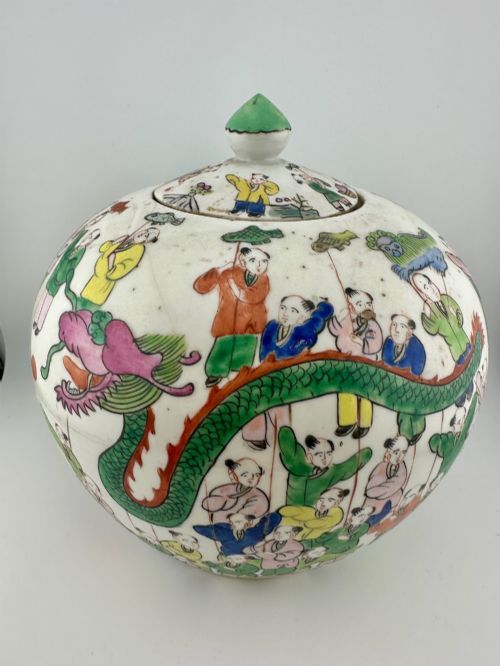
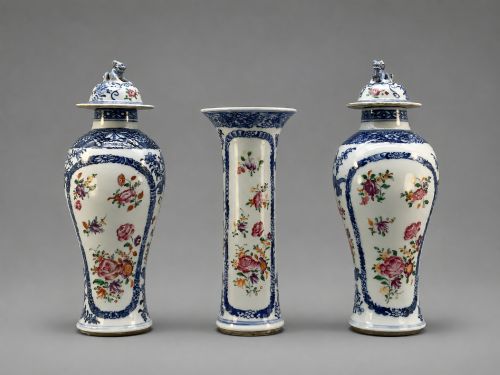
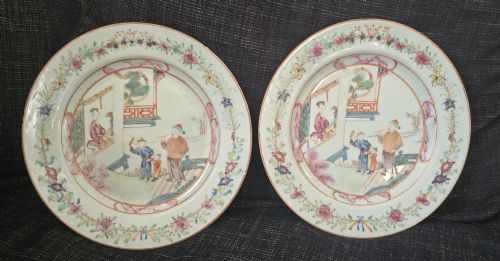
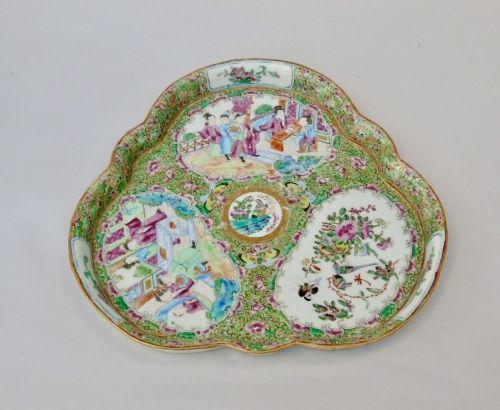
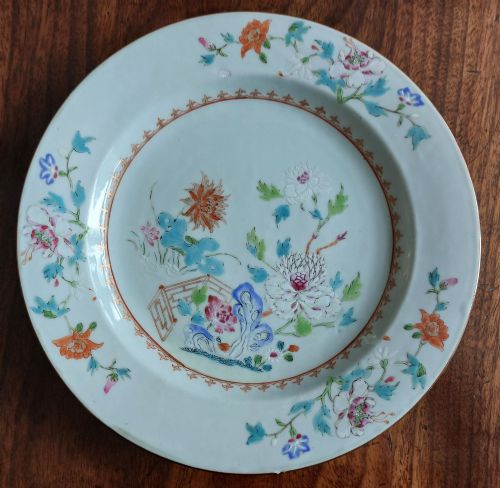
When searching for hand painted famille rose, buyers encounter ceramics spanning the eighteenth and nineteenth centuries, alongside twentieth-century examples. The selection includes decorative bowls, vases, teapots, and dishes originating from Chinese export workshops and French revival traditions.
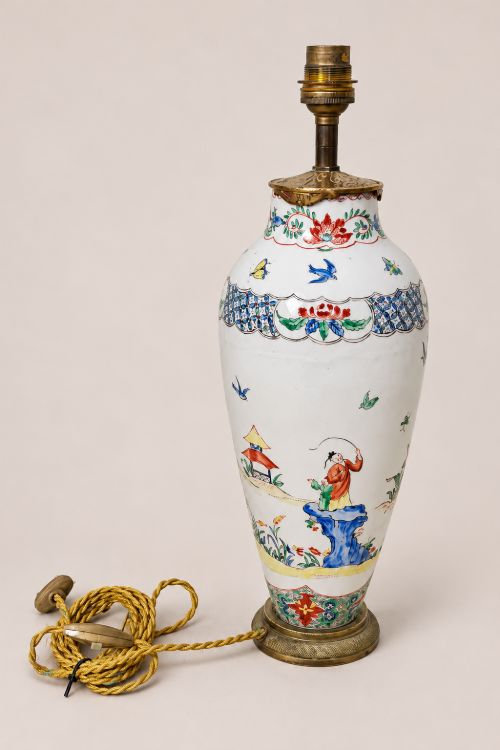
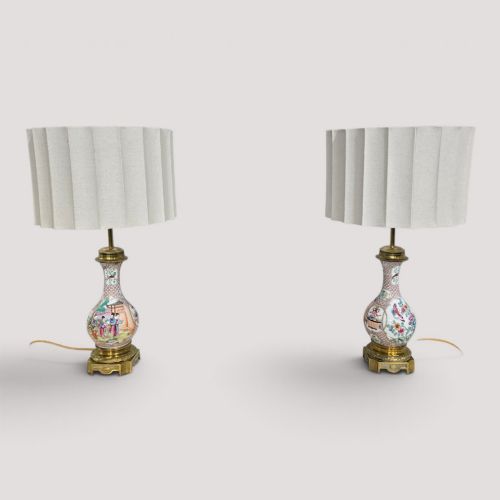
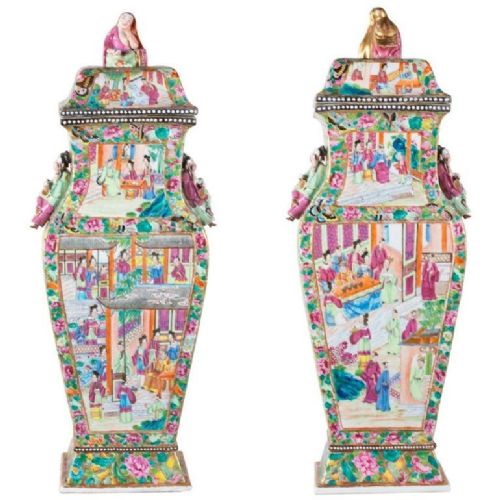
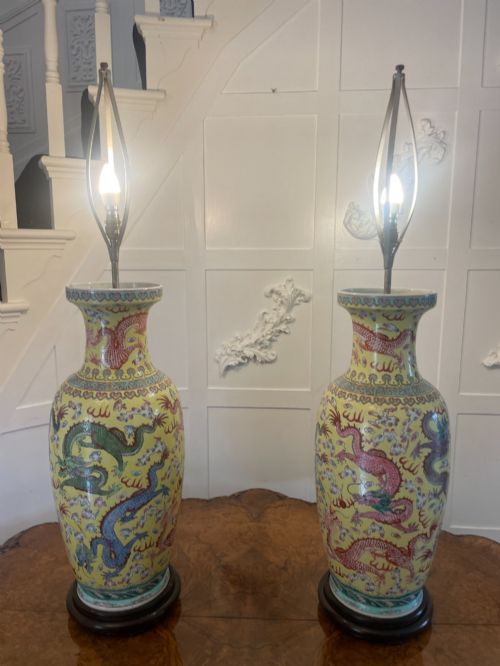
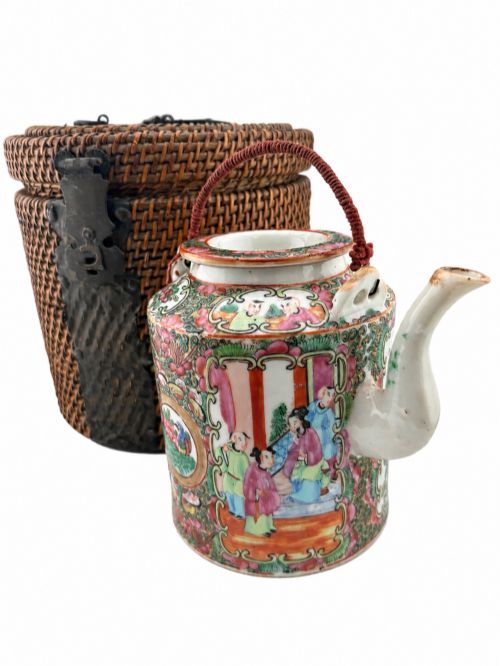
Vessels range from large punch bowls and monumental floor vases to smaller snuff bottles, travelling teapots with wicker cases, and table lamps converted from porcelain bodies. Forms incorporate scalloped edges, hexagonal planters, moon flasks, and garlic-head vases.
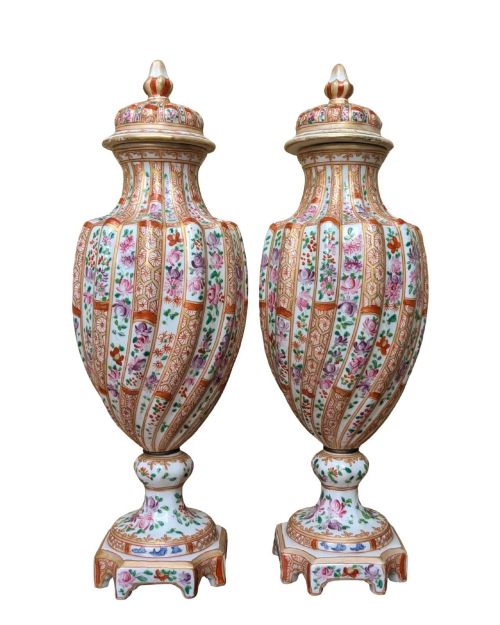
Origin points primarily trace to Chinese dynasties and the Republic period, with specific regional output represented by Canton ceramics. European interpretations such as French Chinoiserie also appear through makers working in nineteenth-century porcelain styles.
Materials and methods
Makers utilised porcelain bodies as the foundation for these works, applying base glazes before building decorative surfaces. Overglaze enamel paints provided the characteristic pink and multi-coloured pictorial schemes.
Detailing relied on the addition of gold leaf, gilt highlights, and metal mounts. Supplementary elements such as wood stands and wicker cases accompanied functional objects like teapots and bowls.
Hand Painted Famille Rose Retail Price Guide 2026
Typical asking prices for hand painted famille rose among the pieces listed under this phrase on Sellingantiques today, from the lower quarter to the upper quarter. They describe what is for sale here now, not the wider market.
Current listings feature porcelain, enamel, gold leaf, and wood across the 18th, 19th, and 20th centuries.
Variations in quality
Execution of the painted motifs separates standard production from exceptional pieces, visible in the precision of brushwork depicting figures, birds, and botanical subjects. The distribution of enamel thickness and the vibrancy of the palette determine visual depth.
Form complexity and scale influence overall execution, from simple domestic dishes to heavily potted jardinières and large floor vases requiring advanced kiln management. The integration of gilt accents and secondary materials like original wicker cases adds structural and historical integrity.
Edme Samson·Samson of Paris
The Hand Painted Famille Rose Glossary
- Famille Rose
- A palette of ceramic enamel colours dominated by opaque pink, introduced during the Qing dynasty. This grouping succeeded earlier green and yellow enamel families.
- Canton
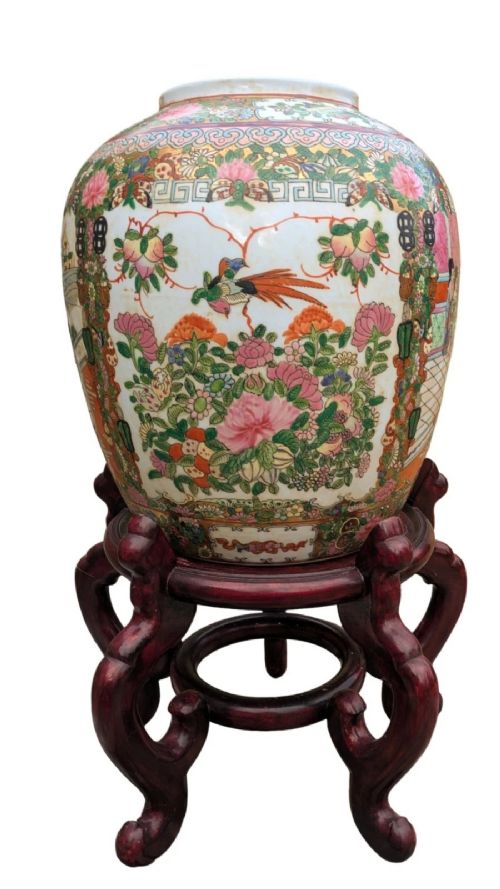
- A style of Chinese export porcelain decorated in workshops near Guangzhou, typically featuring crowded panels of figures, birds, and flowers.
- Qianlong
- An eighteenth-century imperial reign period associated with high-standard porcelain production and intricate enamel work. Pieces from this era often carry specific reign marks.
- Overglaze Enamel
- Pigments applied on top of a fired and glazed ceramic surface, requiring a subsequent low-temperature kiln firing to bond the colours. This technique allows for a wide spectrum of hues.
- Eggshell Porcelain
- An extremely thin, lightweight ceramic body produced in Chinese kilns, particularly associated with delicate bowls and cups from the nineteenth century.
Hand Painted Famille Rose: Frequently Asked Questions
How do I date a famille rose bowl?
Dating relies on stylistic markers, baseline materials, and imperial reign marks when present on the base. Eighteenth-century examples often exhibit finer potting and distinct palette choices compared to later nineteenth-century Canton production.
Changes in export trade patterns and manufacturing techniques through the Republic period and twentieth century provide further chronological context for individual vessels.
Were these pieces made for export?
Many items were created specifically for international markets through Chinese export trade networks, adapting traditional motifs for European and Western tastes. This exchange resulted in forms like punch bowls, tea services, and decorative table wares.
Other examples remained within domestic spheres or were produced by European makers adopting Chinese styles, such as French Chinoiserie porcelain.
What is the difference between Canton and other wares?
Canton porcelain is characterised by dense, colourful panel decorations filled with figures, birds, and butterflies, typically produced in southern workshops. Other regional traditions focus on solitary botanical studies or narrative scenes.
Palette density and border patterns also help distinguish Canton output from imperial or alternative provincial kilns.
How should I display porcelain lamps safely?
Vase lamps require stable placement on level surfaces away from heavy foot traffic to prevent accidental tipping. Consideration must be given to the weight distribution of the ceramic body relative to the electrical fittings and shade.
Professional wiring checks ensure the internal components match current safety standards without altering the historic porcelain.