





Hand Painted Delft Jars
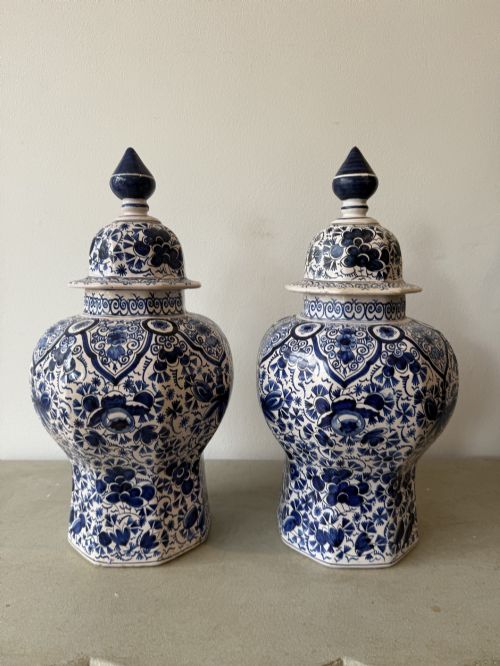
Hand painted delft jars bring hand-brushed cobalt and tin-glazed earthenware straight into your rooms.
Hand Painted Delft Jars
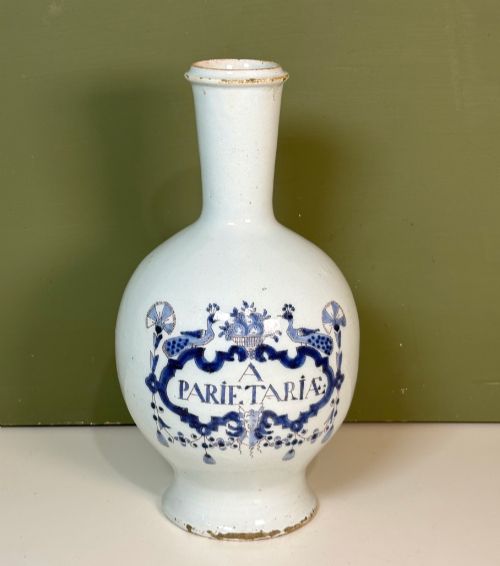
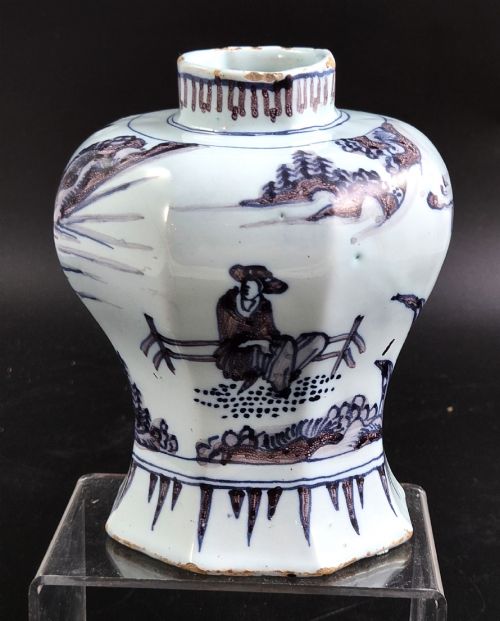
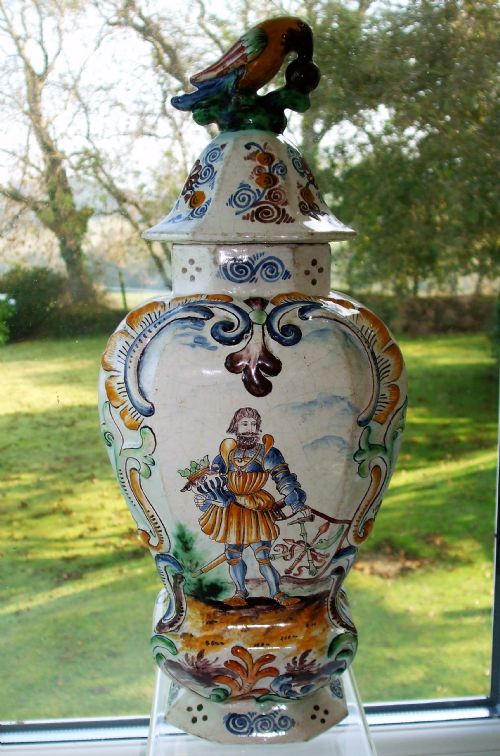
Hand painted delft jars encompass earthenware vessels shaped as vases, lidded jars, apothecary jugs, and albarello drug jars. When searching for hand painted delft jars, you encounter forms ranging from large nineteenth-century vases to seventeenth-century blue and white chinoiserie pieces.
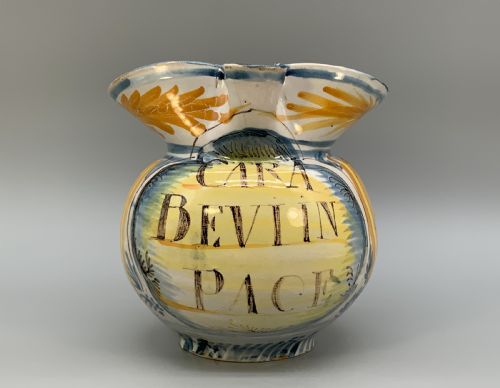
The objects span multiple centuries, with significant representation from the seventeenth, eighteenth, and nineteenth centuries. Styles vary from Dutch Baroque and Chinoiserie to Italian traditional faience, reflecting diverse regional production centres.
How They Were Made
Potters shaped ceramic and earthenware bodies before applying a tin glaze that provided an opaque white surface. Cobalt pigment and polychrome colours were then hand-painted directly onto the unfired glaze.
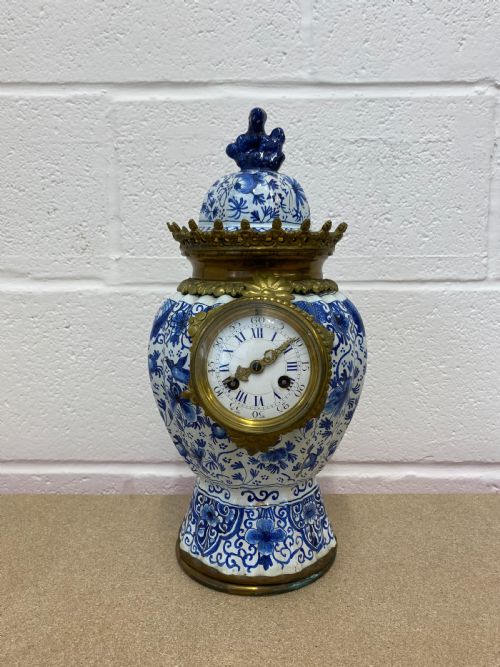
Certain pieces incorporate additional materials such as brass fittings and hardwood mounts, particularly when adapted into nineteenth-century table lamps or fitted with covers.
Hand Painted Delft Jars Retail Price Guide 2026
Typical asking prices for hand painted delft jars among the pieces listed under this phrase on Sellingantiques today, from the lower quarter to the upper quarter. They describe what is for sale here now, not the wider market.
Materials recorded across the selection include cobalt pigment, brass, hardwood, and traditional glaze.
What Varies in Quality
Quality rests upon the crispness of the hand-painted cobalt pigment or polychrome brushwork, with finer pieces displaying detailed botanical and avian motifs. The smoothness and opacity of the tin glaze also differentiate simpler utility vessels from decorative display pieces.
The integrity of the earthenware body and the survival of original matching lids significantly influence the character of each jar, as many historical vessels have lost their covers over the centuries.
The Hand Painted Delft Jars Glossary
- Tin-Glazed Earthenware
- Pottery coated with a lead glaze made opaque by the addition of tin oxide. This white surface served as a canvas for hand-painted decoration.
- Albarello
- A type of cylindrical earthenware jar used in pharmacies to hold ointments and dry drugs. They often feature flared rims and waisted bodies.
- Chinoiserie
- European decorative style reflecting Chinese artistic influences. This aesthetic appears frequently in seventeenth and eighteenth-century blue and white motifs.
- Polychrome
- Decoration employing multiple colours rather than a single pigment. In these listings, it typically involves manganese, yellow, and blue hues.
Hand Painted Delft Jars: Frequently Asked Questions
How do I date an old delft jar?
Dating relies on examining the characteristics of the earthenware body, the tin glaze, and the painting style. Earlier pieces often display thinner potting and distinct cobalt tones compared to later nineteenth-century examples.
Changes in form, from seventeenth-century baroque vessels to nineteenth-century decorative jars and lamps, also help establish the period of manufacture.
Were these jars used to store medicines?
Many specific forms, such as pharmacy jugs and albarello drug jars, were made for apothecary shops to hold dried herbs, syrups, and ointments. Other larger lidded vases and baluster vessels served purely decorative purposes in homes.
The hand-painted decoration often indicated the intended contents or simply added visual richness to domestic and commercial interiors.
How should I clean my delft jar?
Dust these tin-glazed earthenware pieces gently with a soft, dry cloth to protect the delicate surface and hand-painted pigments. Avoid using water, harsh detergents, or abrasive cleaners on old ceramic glazes.
Display the jars away from direct sunlight and areas prone to sudden temperature changes to preserve the glaze and earthenware body.
What is the difference between delft and faience?
Delft specifically refers to tin-glazed earthenware made in the Netherlands, particularly in the town of Delft from the seventeenth century onward. Faience is the broader European term for tin-glazed pottery produced in France, Italy, and other regions.
Both categories utilise similar ceramic techniques and tin glazes, though regional painting styles and clay bodies help distinguish their origins.