



Hand Painted Decorative Bowl
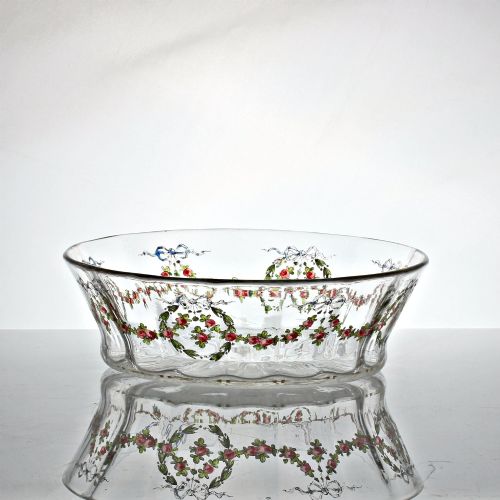
A hand painted decorative bowl brings colour and craftsmanship to a room, offering centuries of ceramic artistry from China, Japan, and Europe.
Hand Painted Decorative Bowl
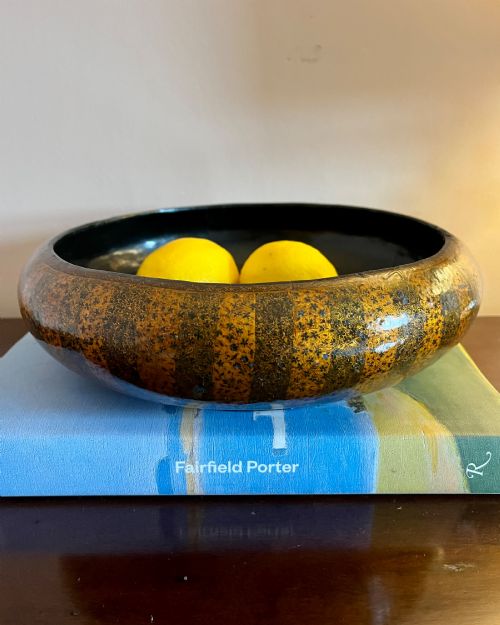
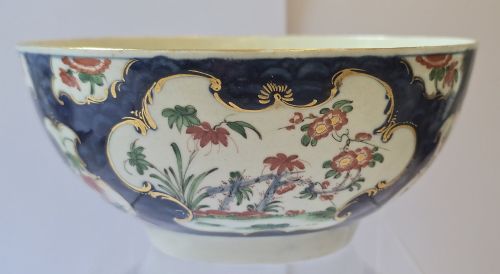
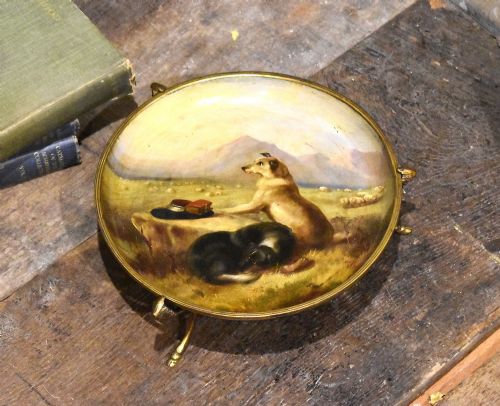
When searching for a hand painted decorative bowl, a buyer encounters a diverse selection of ceramics spanning the eighteenth, nineteenth, and early twentieth centuries. These vessels serve primarily as centrepieces, cabinet dishes, and decorative bowls intended for display rather than utility.
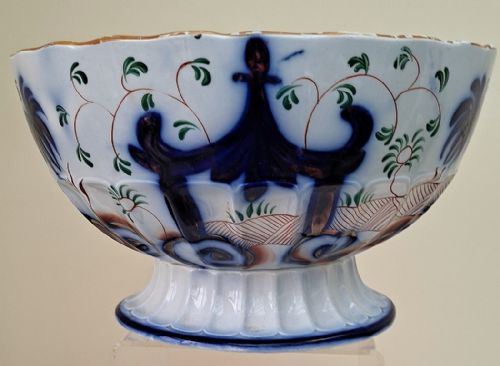
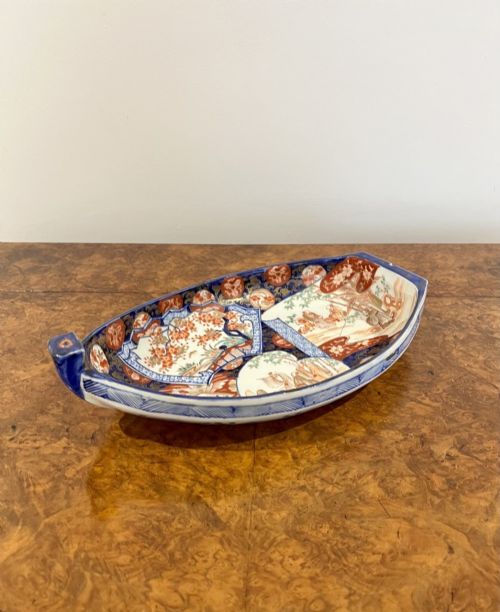
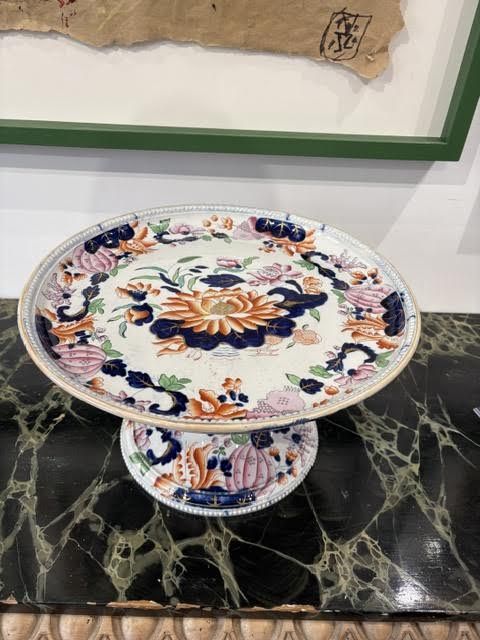
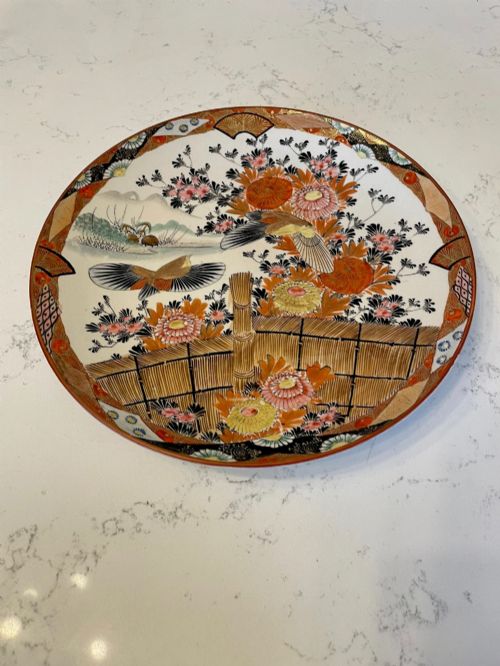
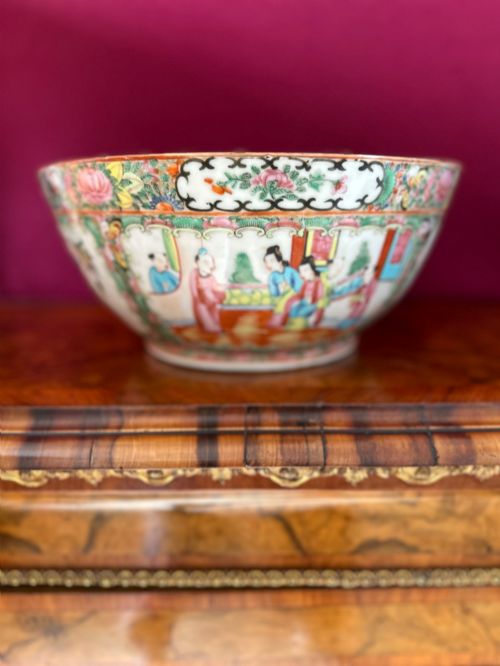
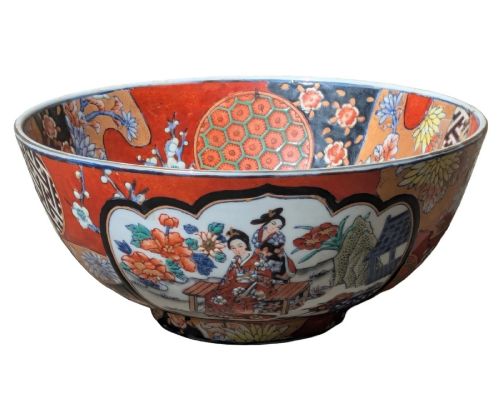
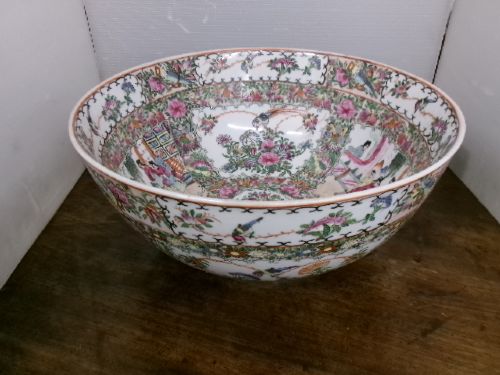
The assortment on this page draws heavily from Japanese Imari porcelain, Chinese Canton and Famille Rose wares, and British pottery traditions including Gaudy Welsh and Spode. Pieces range from large scalloped edge bowls and punch bowls to footed dishes and lidded porcelain stands.
Originating from varied global workshops, these items reflect specific regional aesthetics, such as the intricate patterns of the Meiji period or the rich cobalt blues of Victorian English earthenware.
How they were made
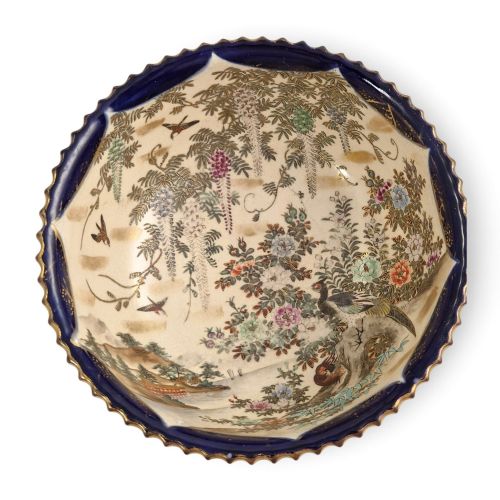
Potters and artisans utilised fine porcelain, earthenware, and felspar porcelain, shaping them into bowls, dishes, and centrepieces. Cobalt glaze, enamel, and gold leaf were applied by hand to create intricate surface patterns.
Many items incorporate gilding and gilt bronze mounts, particularly French and English cabinet pieces from the nineteenth century. Firing techniques and hand painting methods varied by region, resulting in distinct glazes and textural finishes.
Hand Painted Decorative Bowl Retail Price Guide 2026
Typical asking prices for hand painted decorative bowl among the pieces listed under this phrase on Sellingantiques today, from the lower quarter to the upper quarter. They describe what is for sale here now, not the wider market.
The inventory includes Japanese Imari, Chinese Canton, French Sevre, and British regional pottery such as Gaudy Welsh and Spode.
What varies in quality
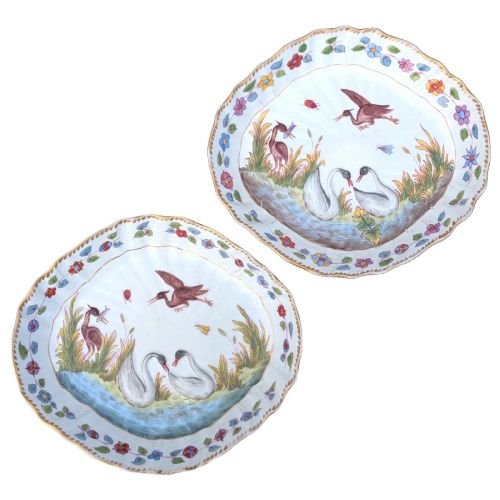
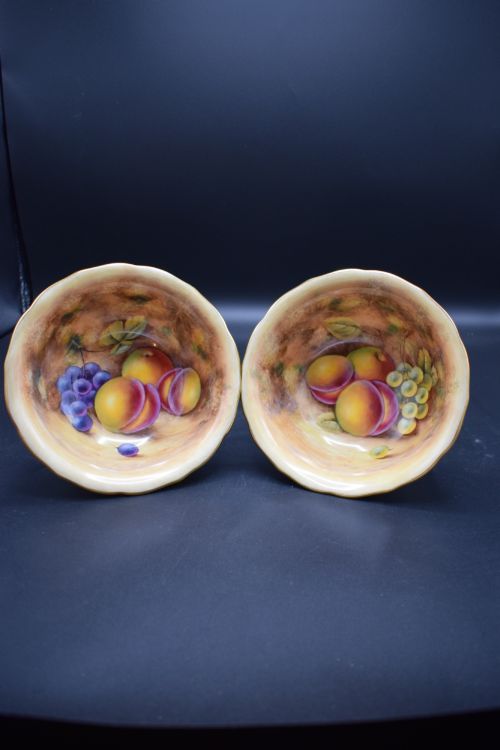
The standard of a hand painted decorative bowl rests on the precision of the brushwork and the vibrancy of the pigments used in the design. Pieces featuring detailed hand-rendered motifs, such as intricate floral arrangements or figures, demonstrate superior artistic execution.
The weight and purity of the porcelain or earthenware body, alongside the richness of the gilding and cobalt glaze, dictate the overall grade of the object. Master signatures and attribution to notable potteries or workshops elevate the standing of an individual piece.
Coalport·Royal Doulton·Mann And Co·David Dewsberry
The Hand Painted Decorative Bowl Glossary
- Imari
- A style of Japanese porcelain decorated in underglaze blue and overglaze red, gold, and other colours. These wares were widely exported to Europe.
- Famille Rose
- A major palette of Chinese ceramic glazes featuring opaque pink or purple enamel. The style gained prominence during the Qing dynasty.
- Gilt
- Covered thinly with gold leaf or gold paint. This technique accentuates rims, handles, and decorative motifs on porcelain and bronze mounts.
- Cobalt Glaze
- A deep blue ceramic pigment applied under the glaze. It remains stable at high firing temperatures and defines traditional blue and white wares.
- Cabinet Dish
- A decorative ceramic plate or bowl intended for display in a cabinet rather than dining use. These pieces often feature exceptional artistic detail.
Hand Painted Decorative Bowl: Frequently Asked Questions
What is a hand painted decorative bowl used for?
These vessels were created primarily for display as centrepieces, cabinet dishes, or decorative bowls within the home. Historically, larger examples such as punch bowls served functional roles during gatherings before transitioning to decorative objects.
Today, collectors use them to introduce historical colour and traditional ceramic artistry into interior spaces. They sit on tables, sideboards, and within display cabinets.
How do I identify Japanese Imari porcelain?
Japanese Imari pieces are characterised by a distinct palette combining underglaze cobalt blue with overglaze iron red and gold highlights. They frequently feature intricate floral and panel designs.
Many examples found on this page date from the nineteenth century and the Meiji period, often displaying scalloped or hexagonal edges.
What is the difference between Chinese Canton and Famille Rose?
Chinese Canton wares typically feature vibrant panels filled with figures, birds, and foliage, often framed by dense floral borders. The term encompasses porcelain produced for export during the nineteenth century and earlier.
Famille Rose refers specifically to the pink enamel palette introduced during the Qing dynasty, which appears frequently across various Chinese export bowls and dishes.
How should I care for an antique ceramic bowl?
Antique bowls and dishes require gentle handling due to their age and delicate hand-painted surfaces. Dust them softly with a dry cloth and avoid harsh chemical cleaners that might damage the glaze or gilding.
Keep them away from direct sunlight and areas subject to sudden temperature fluctuations to preserve the enamel and gold leaf.