

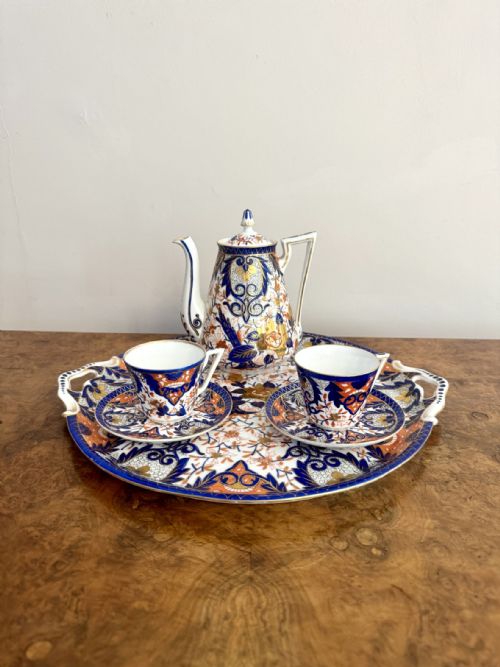
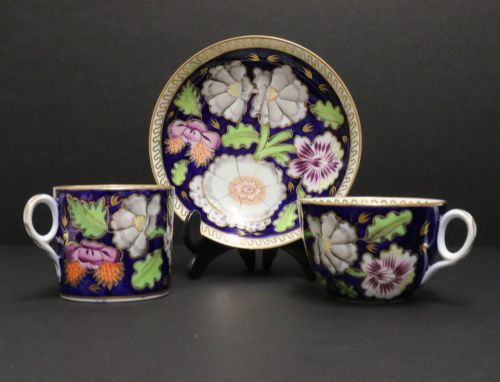
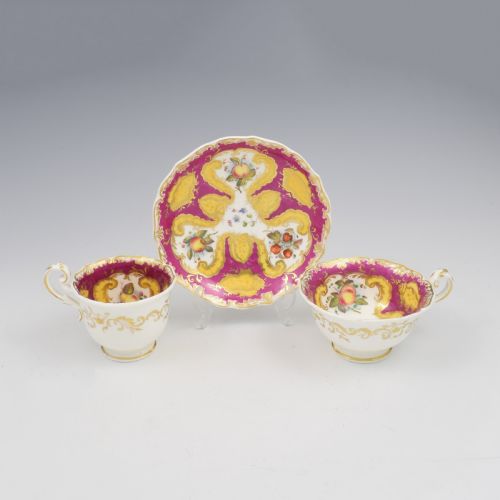
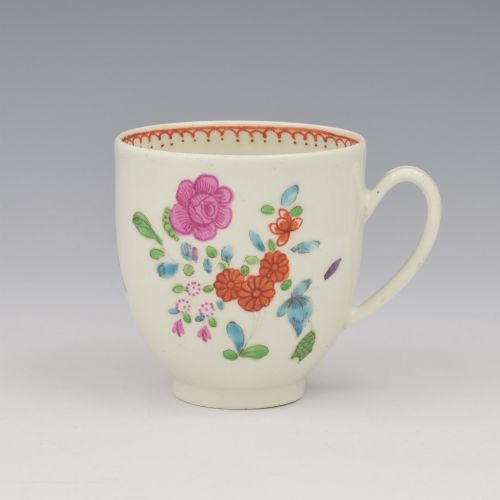
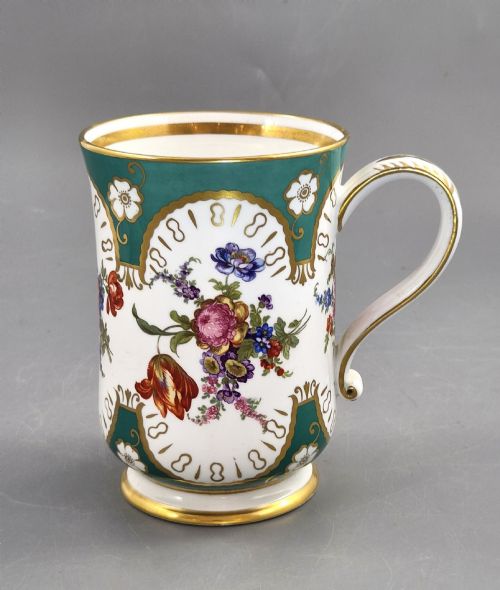
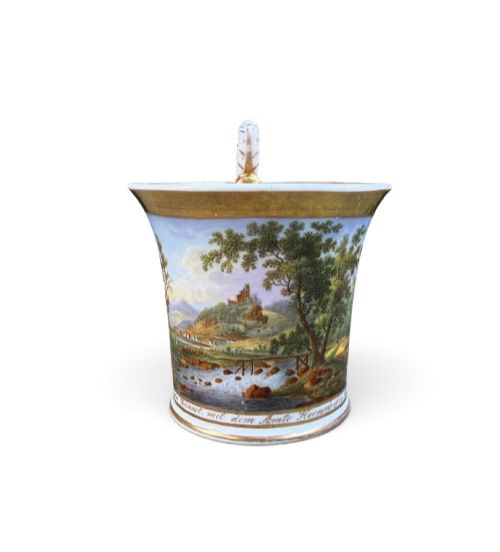
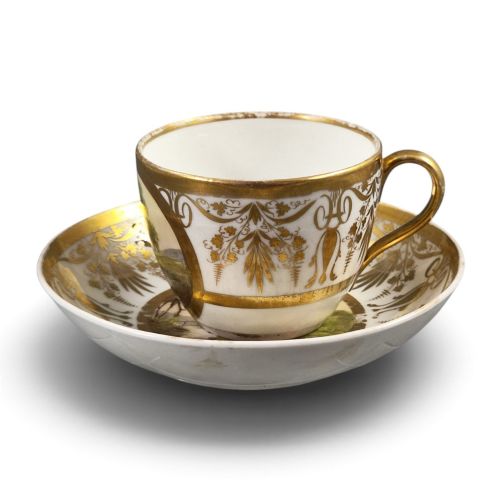

Hand Painted Coffee Cup
These hand painted coffee cup pieces are delicate porcelain vessels decorated by hand from the eighteenth, nineteenth, and early twentieth centuries, prized by collectors for their intricate painted details and historical forms.
Hand Painted Coffee Cup
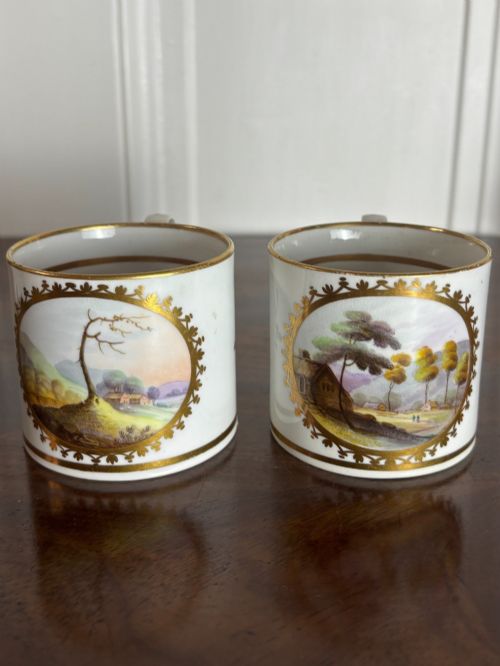
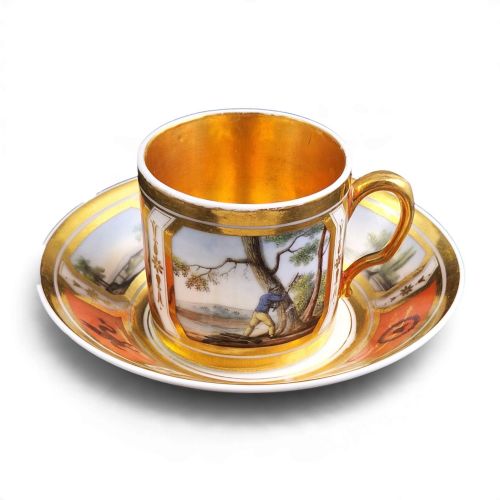
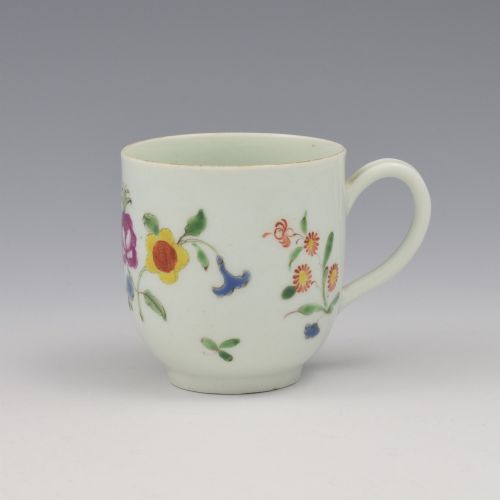
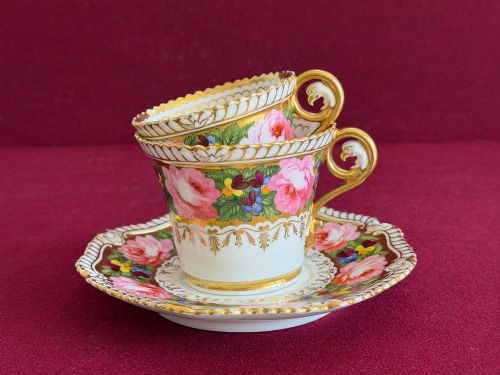
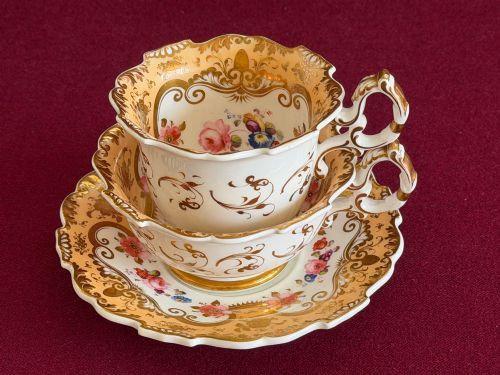
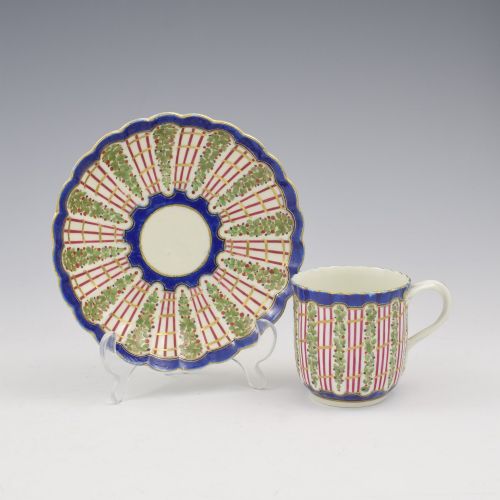
A hand painted coffee cup typically takes the form of a coffee can, demitasse, cabinet cup, or part of a larger trio and tea service. Collectors encounter pieces spanning the eighteenth century through to the art deco era of the 1920s and 1930s.
The selection ranges from early English factories like Worcester and Liverpool to continental porcelain makers such as Meissen, Sèvres, and KPM Berlin. These vessels served the affluent classes for morning coffee or afternoon refreshment, shaped by changing tastes from Georgian neoclassicism to Rococo Revival.
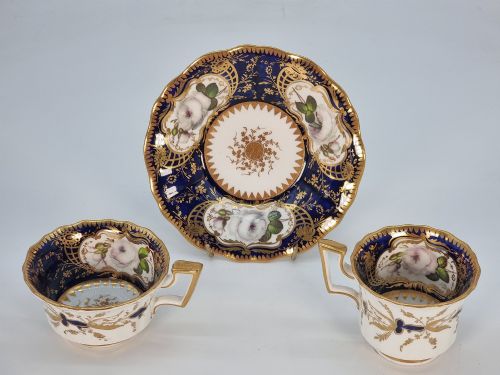
Many survivors are part of trios containing a teacup, coffee cup, and matching saucer, or complete sets used in formal settings. Their forms reflect the specific drinking habits of their period, moving from straight-sided cylindrical coffee cans to flared or footed cabinet cups.
Materials and production methods
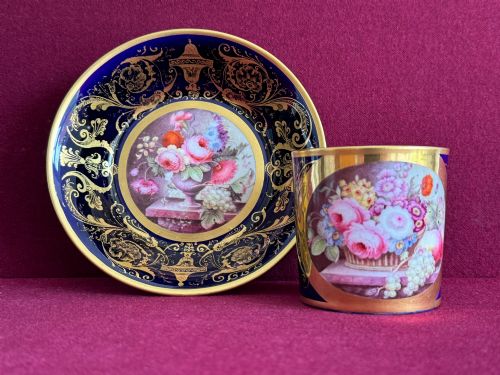
Potteries utilised hard-paste porcelain, soft-paste porcelain, and bone china as the ceramic base for these vessels. Artisans then applied enamel pigments by hand, frequently incorporating gold leaf and gilding to highlight rims, handles, and painted panels.
The decorative process required multiple firings in kiln ovens to set the underglaze cobalt blue, polychrome floral enamels, and overglaze metallic gold. Skilled painters executed detailed landscapes, Chinese figures, botanical studies, and topographical views directly onto the glazed ceramic surface.
Hand Painted Coffee Cup Retail Price Guide 2026
Typical asking prices for hand painted coffee cup among the pieces listed under this phrase on Sellingantiques today, from the lower quarter to the upper quarter. They describe what is for sale here now, not the wider market.
Listings feature porcelain vessels spanning the eighteenth century through to art deco designs from the 1930s.
Determinants of quality
Quality rests in the precision and artistic merit of the hand-painted decoration, whether depicting botanical specimens, figures, or landscapes. Superior examples exhibit exceptional brushwork control, vibrant enamels, and finely tooled gilding executed by named artists or prominent factory workshops.
The sophistication of the porcelain body and the complexity of the form also dictate standing. Finely potted tea and coffee wares with well-balanced handles and crisp moulding sit at the upper end of the range compared to standard factory production.
H & R Daniel·Chamberlain Worcester·Richard Chaffers·Coalport John Rose·KPM Berlin·Flight & Barr Worcester·Rockingham·Derby·Minton·Sevres·Clarice Cliff·Royal Worcester·Meissen·Davenport·Spode·Hadley Worcester·Hutschenreuter
The Hand Painted Coffee Cup Glossary
- Demitasse
- A small cup used for serving strong espresso or Turkish coffee. These diminutive vessels often accompany saucers in matching sets from the nineteenth and twentieth centuries.
- Trio
- A matching ceramic set consisting of a teacup, a coffee cup, and a saucer. They were popular in British and European households for entertaining guests.
- Soft-paste porcelain
- A ceramic composition made from white clay and glass frit rather than hard-paste materials. It was widely used by early English and continental potteries before bone china became dominant.
Hand Painted Coffee Cup: Frequently Asked Questions
How do I identify a coffee can?
A coffee can is distinguished by its straight, cylindrical walls without the tapering body found on standard teacups. They were produced extensively during the Georgian and Regency periods.
Most examples feature a simple loop handle and sit on a flat base. They were frequently paired with a matching saucer as part of a breakfast or afternoon service.
What is a porcelain trio?
A trio consists of three matching ceramic pieces: a teacup, a coffee cup, and a saucer. This combination allowed households to serve different hot beverages using coordinated tableware.
Factories across Britain and Europe manufactured trios in various decorative patterns, ranging from hand-painted florals to elaborate topographical scenes.
How should I display cabinet cups?
Cabinet cups and saucers are delicate decorative items that require secure placement away from direct sunlight and heavy foot traffic. Many collectors house them within enclosed glass display cabinets to protect the gilding and enamel surfaces from dust and accidental damage.
Because these pieces were intended for display rather than daily use, keeping them stable on flat, vibration-free shelving preserves their structural integrity.
How do I date an antique cup?
Dating relies on examining the factory marks, porcelain body composition, and stylistic cues such as Regency or Rococo Revival shapes. Blue underglaze marks, pattern numbers, and painter signatures often provide clues to the exact decade of manufacture.
Comparing the potting style and handle shape against known factory timelines helps narrow down the production era to specific periods like the eighteenth century or the Victorian epoch.