




Hand Painted Bird Platter
A hand painted bird platter brings feathered detail to a table, combining ceramic ground with careful brushwork across centuries of manufacture.
Hand Painted Bird Platter
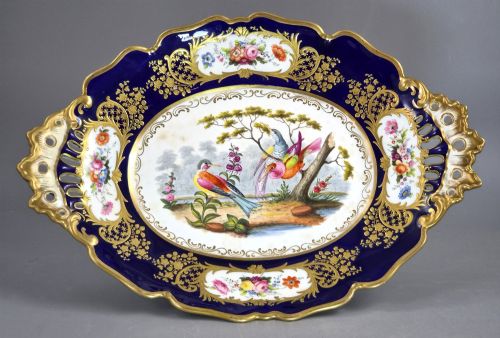
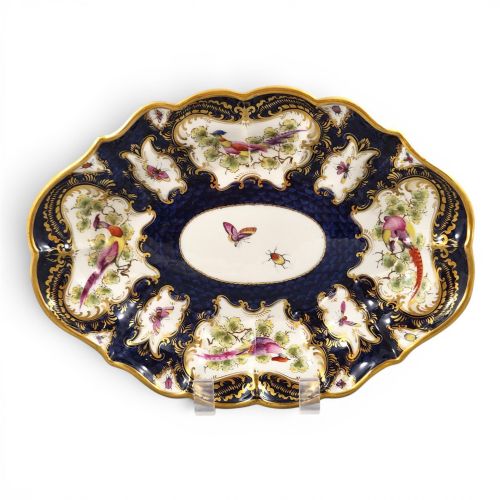
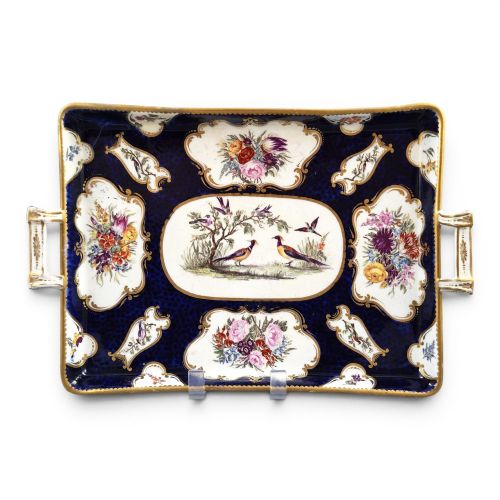
A hand painted bird platter covers a range of large serving dishes, chargers, and decorative plates created across the nineteenth and early twentieth centuries. These pieces appear in forms such as oval serving dishes, shallow bowls, and broad wall chargers made from porcelain, earthenware, and ceramic. The selection spans English factories, continental European works, and Japanese export traditions.
Buyers meet examples shaped by distinct regional aesthetics, from Regency and Victorian Rococo Revival serving pieces to Japanese Imari and Meiji period chargers. English plates often display cobalt blue borders and exotic bird painting influenced by historical Worcester traditions. Meanwhile, continental and Asian workshops contribute polychrome glazes, gilt highlights, and intricate hand-brushed avian motifs.
Materials and construction
Makers formed these platters using ceramic, earthenware, and porcelain bodies, shaping them into broad chargers, deep oval dishes, and shallow bowls. Once formed, the pieces received ground glazes to prepare the smooth surfaces necessary for detailed painting. Enamel pigments were then applied by hand to render the plumage, foliage, and surrounding scenery.
Many items incorporate gilding, gold leaf, or gold gilt along the rims and borders to frame the central bird subjects. Kiln firing fixed the enamel colours and metallic accents into the glaze, producing durable surfaces designed for both display and service.
Hand Painted Bird Platter Retail Price Guide 2026
Typical asking prices for hand painted bird platter among the pieces listed under this phrase on Sellingantiques today, from the lower quarter to the upper quarter. They describe what is for sale here now, not the wider market.
Materials span porcelain, earthenware, enamel, and gold leaf across English, European, and Asian pieces.
Assessing quality and execution
Quality rests in the precision of the brushwork and the clarity of the enamel painting, where controlled lines define the feathers and posture of the birds. Superior pieces exhibit balanced compositions that integrate floral or geometric borders with the central avian subject without crowding the ceramic ground.
The application of gilding and the depth of the glaze also distinguish individual platters, as clean kiln firings preserve the brilliance of the gold leaf and the purity of the background colours. Maker attributions and signed works reflect the standards of established factories and workshops.
H and R Daniel·Coalport·Royal Worcester·Bassano pottery works·Meissen
The Hand Painted Bird Platter Glossary
- Charger
- A large decorative plate or platter traditionally used for service or display on a wall or sideboard. These items typically measure significantly wider than standard dining plates.
- Imari
- A Japanese export porcelain style characterised by underglaze blue, iron red, and supplementary gold colours. The aesthetic influenced European ceramic design throughout the nineteenth century.
- Gilding
- The application of gold leaf, gold gilt, or powdered gold to ceramic surfaces. This technique highlights rims, handles, and decorative borders on platters.
- Enamel
- Opaque or translucent glass-like material fused to a ceramic body through firing. It provides the vibrant pigment used for hand painted bird subjects.
- Polychrome
- Decoration employing multiple distinct colours within a single design. This method allowed makers to render naturalistic plumage and surrounding foliage.
Hand Painted Bird Platter: Frequently Asked Questions
How were bird platters used?
These pieces served as functional serving vessels for meat, dessert, or fruit during formal dining. Larger chargers were also hung on walls or displayed on sideboards as purely decorative objects.
Over time, many of the platters transitioned from active dining service to cabinet or wall display due to the delicate nature of their hand painted surfaces and gilt edges.
How do I identify the period?
Dating relies on body materials, factory marks, and stylistic indicators such as nineteenth century Rococo Revival moulding or Meiji period Japanese motifs. Examining the foot ring, glaze consistency, and hand-painting technique helps narrow the decade of production.
Comparative study of known factory patterns, such as Worcester blue scale or Imari palettes, provides further context for specific pieces.
Can I use these platters daily?
While structurally sound, antique porcelain and earthenware require careful handling to preserve delicate enamels and gold leaf. Hand washing is essential, as modern dishwashers will damage the historic glaze and metallic decoration.
Displaying them on plate stands or wall mounts protects the surfaces from cutlery wear and accidental impact during daily use.
What is the difference between English and Japanese pieces?
English platters frequently employ porcelain or earthenware with transfer-printed outlines finished with hand-painted enamels, drawing on Worcester or continental traditions. Japanese export pieces, including Imari and Kutani items, often feature dense polychrome palettes and hand-brushed motifs directly on porcelain bodies.
Both traditions produced bird imagery, but the framing borders and brushwork styles reflect distinct regional aesthetics of the nineteenth century.