



Hand Painted Animal
Hand painted animal figures bring character to a room, spanning carved wooden toys, porcelain birds, and earthenware figures.
Hand Painted Animal
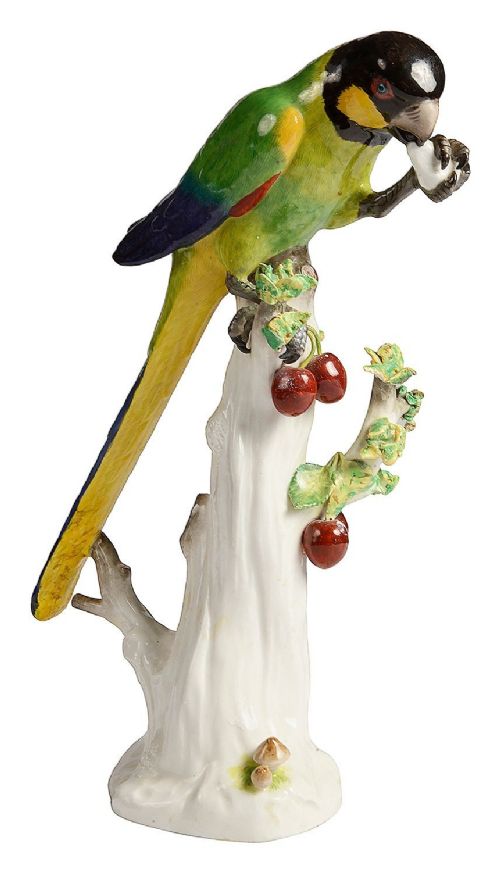
When you search for hand painted animal, you encounter a varied selection of sculptural forms, decorative ceramics, and antique toys spanning the seventeenth century through to the mid-twentieth century. The material record ranges from humble folk art wooden horses and carousel figures to refined Meissen parrots and Derby porcelain stags.
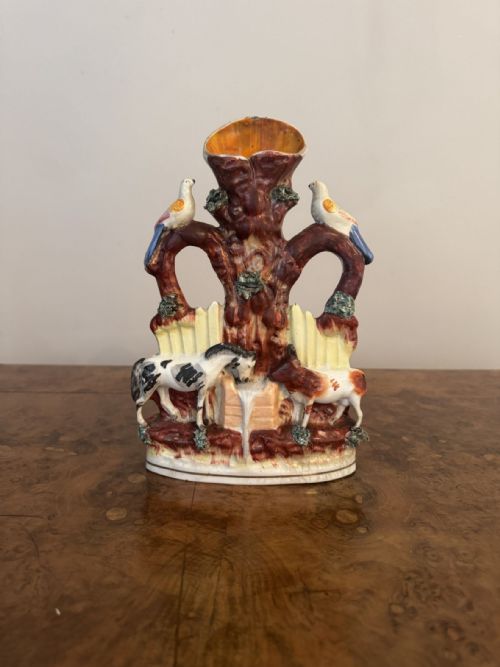
You are most likely to meet Victorian Staffordshire dogs, painted wooden toys including Noahs Ark sets, and European porcelain figurines on this page. These pieces reflect diverse cultural traditions, covering English earthenware, German decorative porcelain, Alpine folk art, and Chinese export wares.
How they were made
Makers shaped these pieces from wood, earthenware, porcelain, and metal, applying paint, glaze, and gilt to finish the surfaces. Wooden items often display carved forms finished with naive brushwork, while ceramic figures utilise moulded clay painted with coloured glazes or enamel.
Porcelain examples like those from Nymphenburg or Meissen involve firing shaped paste before meticulous hand painting brings feathers, fur, and anatomical details to life. Cast metal and papier-mache also appear, demonstrating the range of media utilised by artisans.
Hand Painted Animal Retail Price Guide 2026
Typical asking prices for hand painted animal among the pieces listed under this phrase on Sellingantiques today, from the lower quarter to the upper quarter. They describe what is for sale here now, not the wider market.
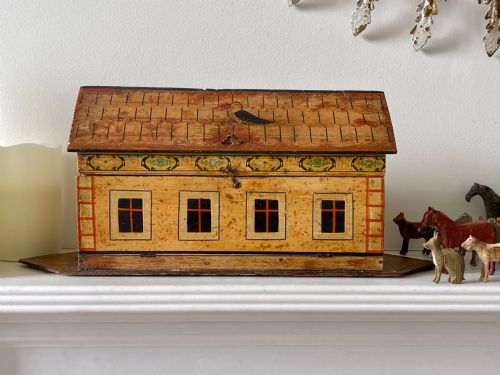
Over fifty wooden animals and birds squeeze inside a single antique Noahs Ark set alongside four figures.
What varies in quality
Quality rests in the precision of the modelling and the sensitivity of the brushwork applied to the surface. A piece executed with naturalistic proportions and careful pigment application differs markedly from a simpler, more rustic toy.
The choice of medium and the reputation of the workshop also shape the character of the object, distinguishing factory-produced porcelain from hand-carved folk art sculptures.
Nymphenburg·Meissen·Derby·Royal Worcester
The Hand Painted Animal Glossary
- Bocage
- Foliage background decoration modelled behind porcelain figures. It is often found on eighteenth-century ceramic animals and stags.
- Staffordshire figure
- Earthenware pottery figure made in the Staffordshire potteries. These pieces frequently depict dogs and other animals in a popular style.
- Spill vase
- A small holder designed to keep wooden spills for lighting fires. They are often incorporated into ceramic animal sculptures.
- Sancai glaze
- A three-colour glaze characteristic of Chinese ceramics. It appears on figures such as porcelain ducks.
- Naive art
- Artwork produced by self-taught individuals without formal training. This style is common in wooden animal sculptures and folk art toys.
Hand Painted Animal: Frequently Asked Questions
How do I date an antique hand painted animal figure?
Dating relies on identifying the material, glaze type, and manufacturing marks where present. Stylistic clues such as Victorian earthenware styles or folk art carving techniques also indicate the period.
Examining the wear patterns on the paint and the base helps confirm the age of the piece.
What materials were used for these animal sculptures?
Makers utilised wood, porcelain, earthenware, metal, enamel, and papier-mache across different eras. Each material demands specific techniques, from wood carving to ceramic moulding and glazing.
Painted finishes were then applied directly to the surface.
Are these antique animal figures fragile?
Porcelain and earthenware pieces require careful handling due to the delicate nature of fired clay and protruding details like bocage or ears. Wooden toys and cast metal objects generally prove more robust.
Placing them away from high-traffic edges protects them from accidental damage.
How were antique wooden animal toys used?
Wooden animal figures and Noahs Ark sets served as children's playthings or decorative items in family homes. Over time, surviving sets became collected as folk art.
Their hand-painted surfaces reflect the popular tastes of their period of manufacture.
What is folk art in animal figures?
Folk art encompasses objects carved and painted by makers working outside formal academic traditions. These pieces feature simplified forms and direct, expressive brushwork.
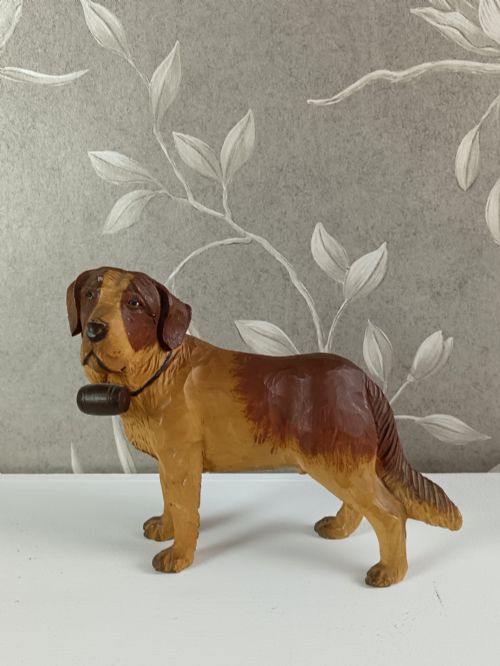
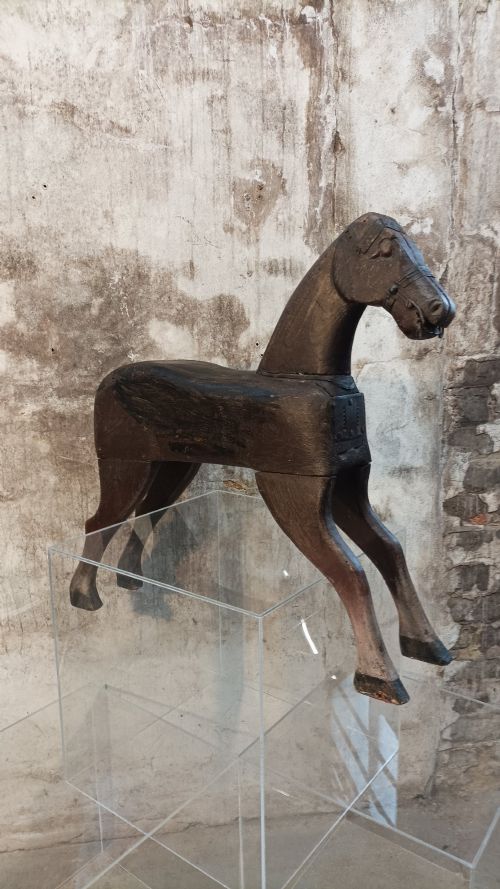
Examples include primitive wooden horses and rescue dog sculptures.