



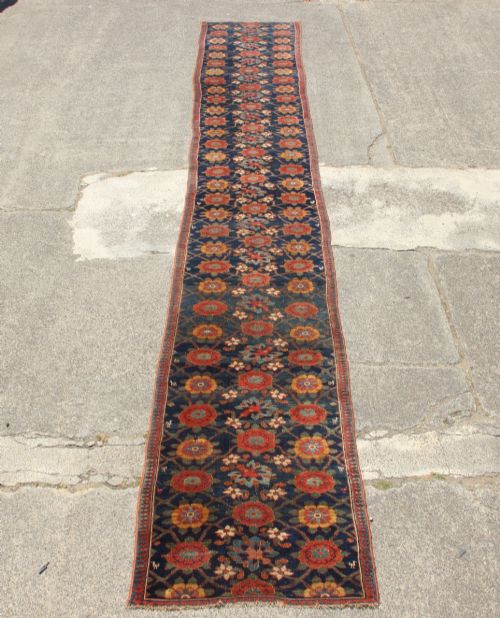
Hand Knotted Corridor Rug
A hand knotted corridor rug brings linear warmth to long spaces through traditional weaving methods originating across diverse regions.
Hand Knotted Corridor Rug
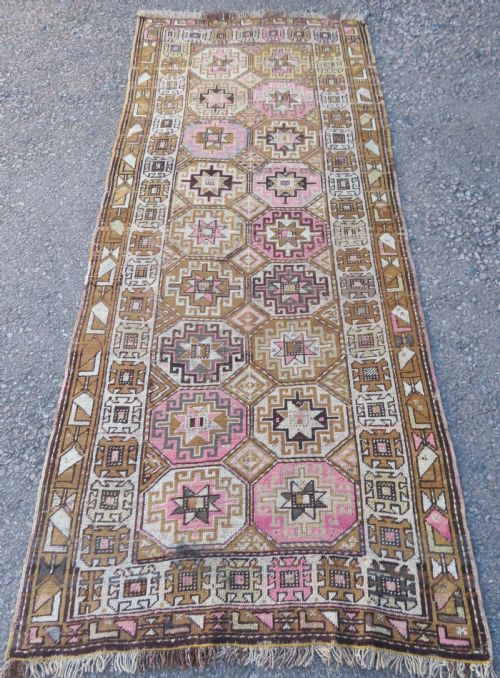
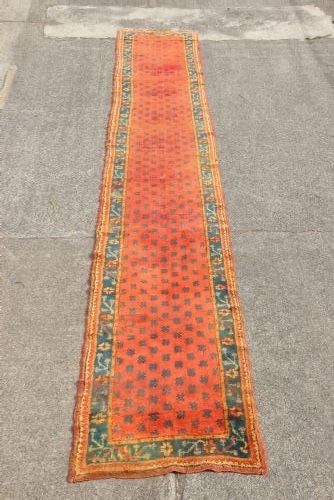
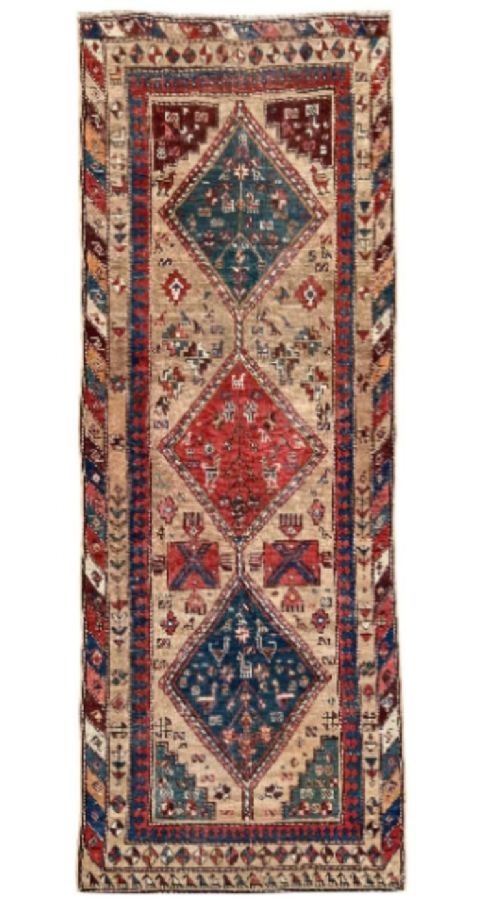
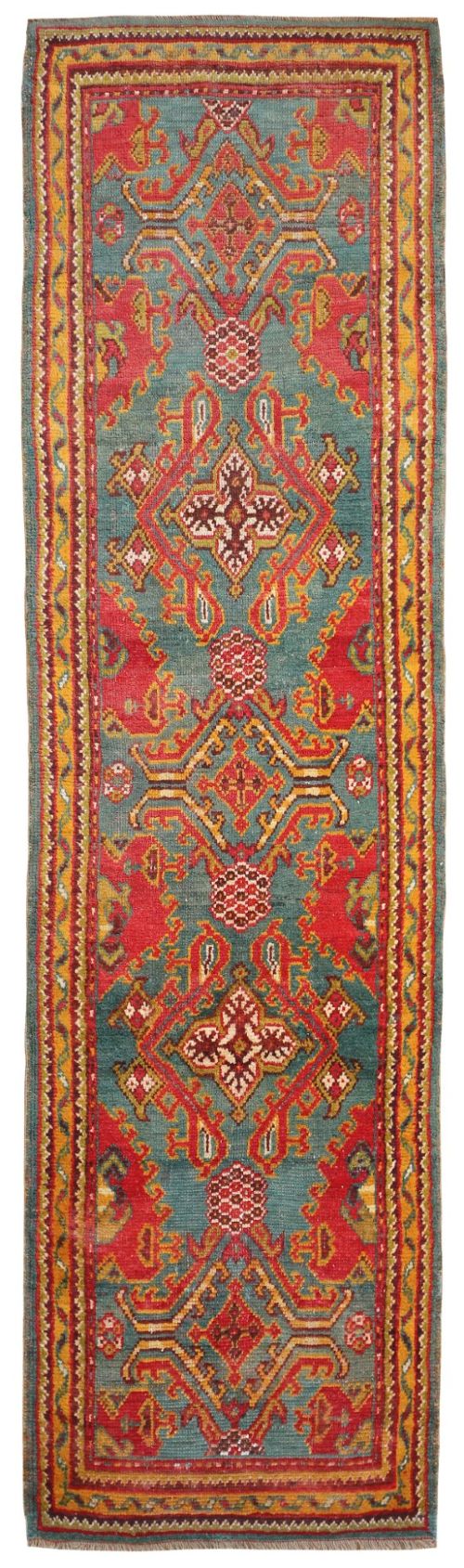
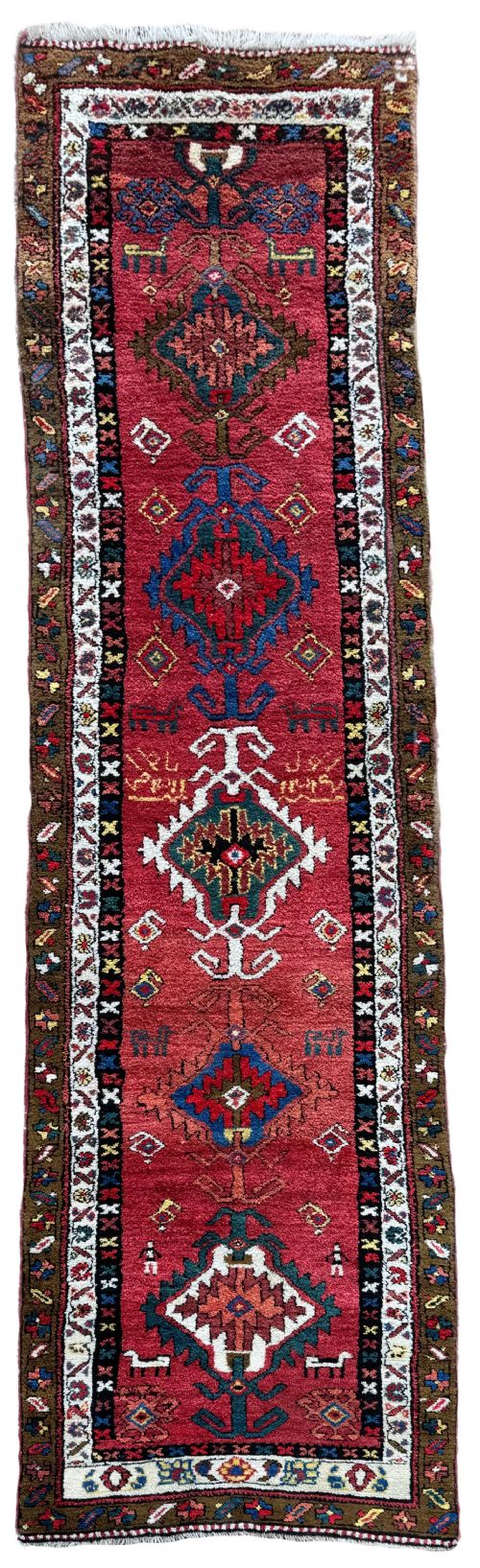
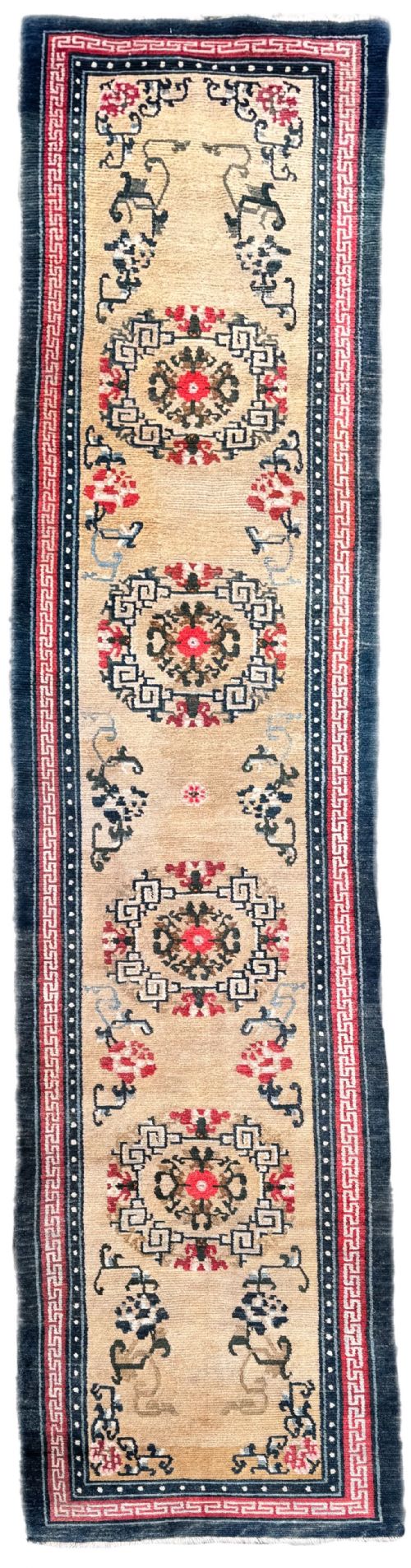
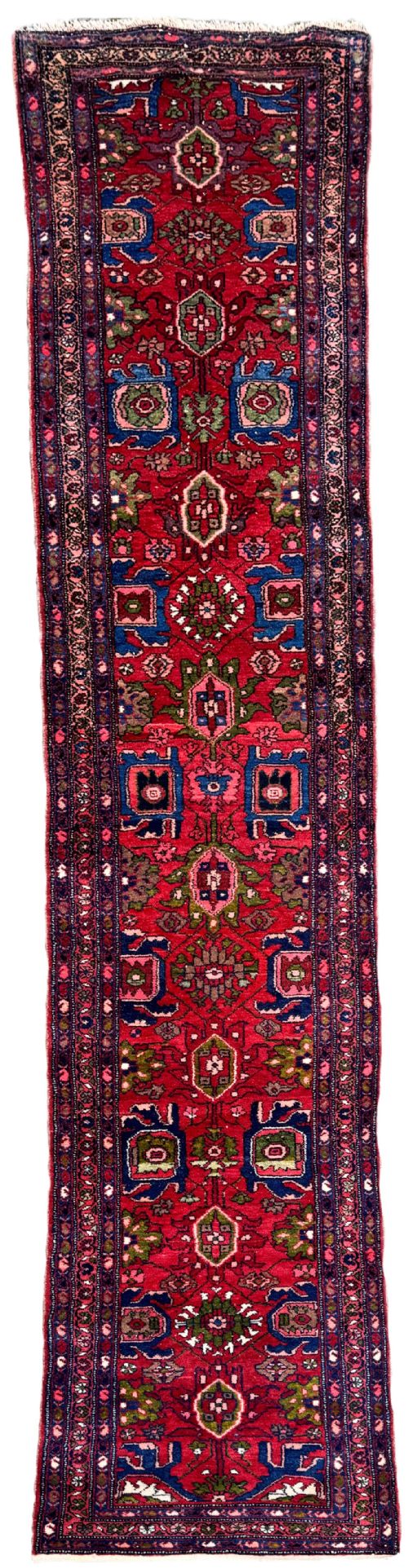
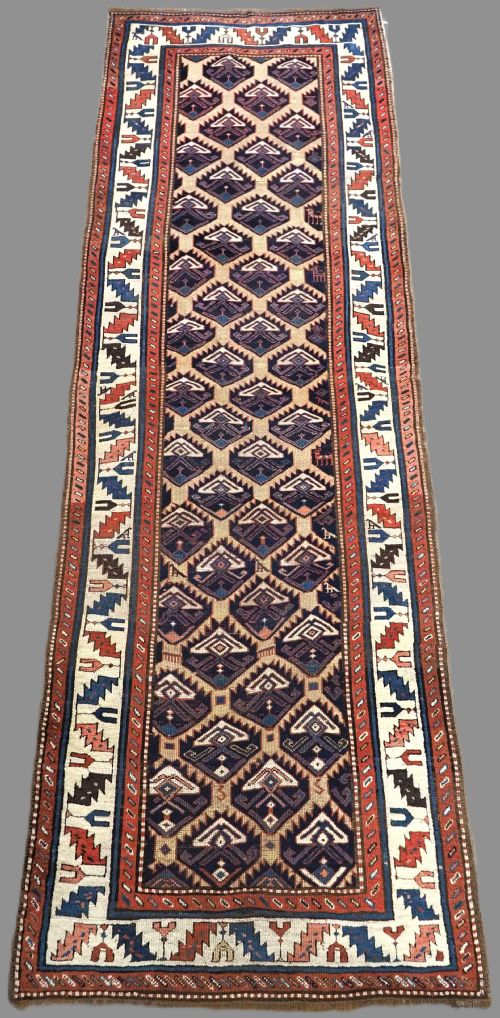
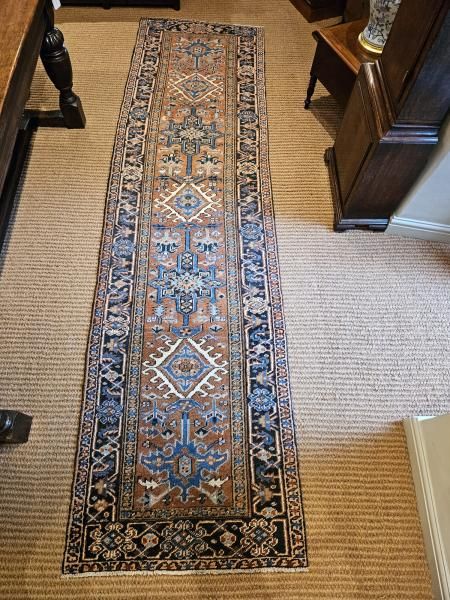
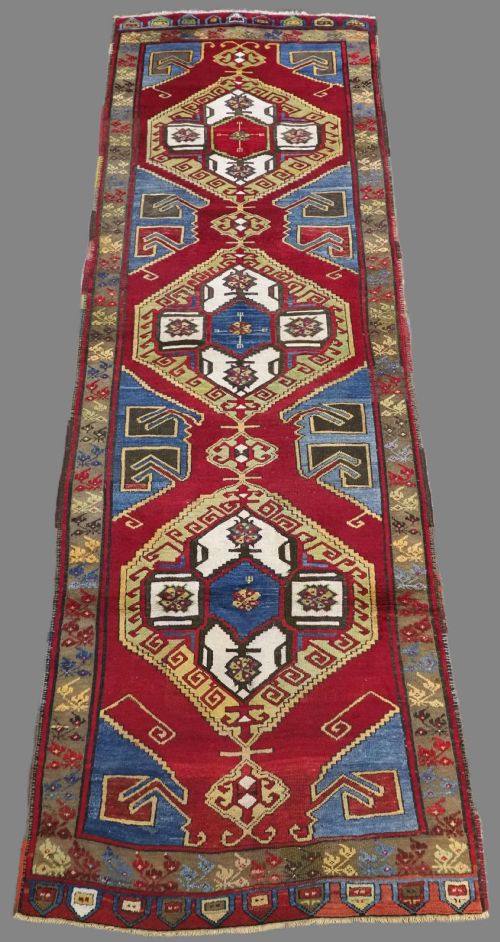
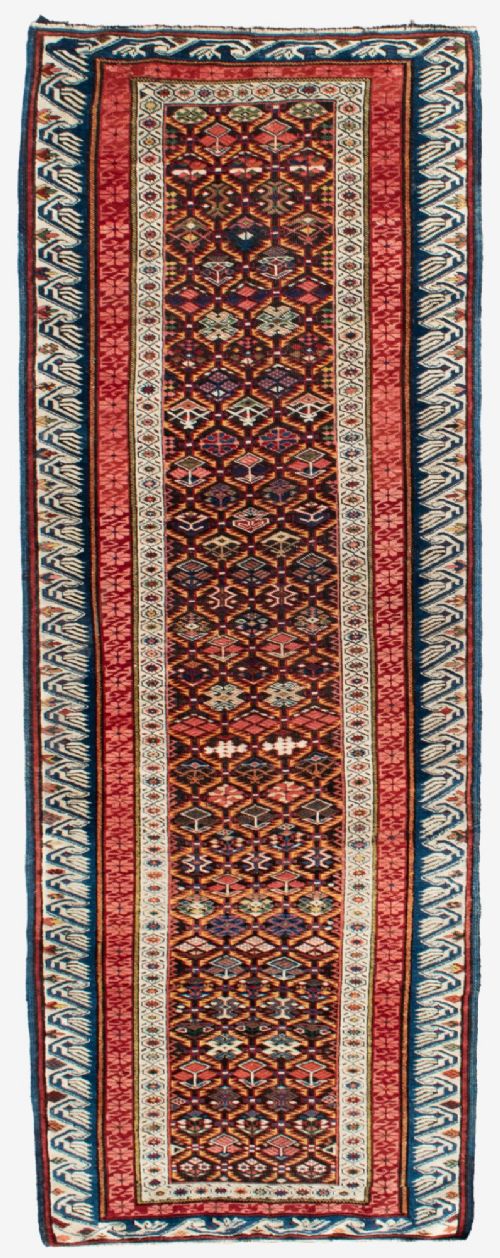
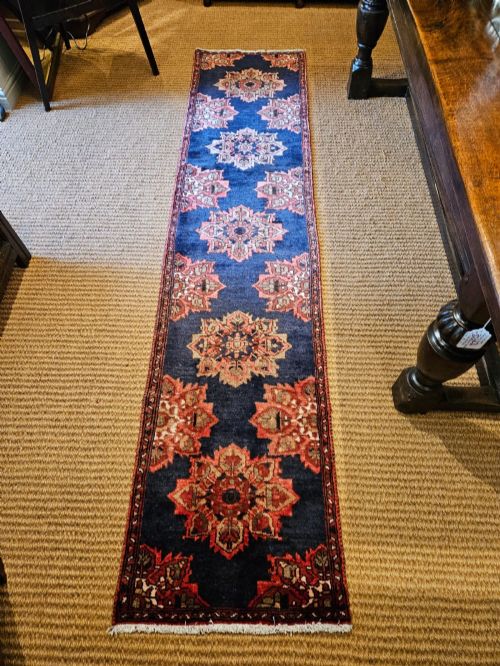
When searching for a hand knotted corridor rug, buyers encounter long narrow formats designed specifically for hallways, landings, and passages. These pieces span runner rugs, hallway runners, and long carpets originating from Persian, Caucasian, Turkish, and Tibetan weaving traditions.
The selection includes specific regional types such as Kurdish, Heriz, Ushak, Kazak, and Bakshaish pieces. Dating predominantly from the nineteenth and early twentieth centuries, these floor coverings utilise traditional tribal and village designs.
Formats vary from narrow proportions measuring under a metre wide to substantial lengths exceeding five metres. Buyers frequently choose these textiles to anchor high-traffic corridors with historical character and tactile depth.
Materials and construction
The pieces on this page are constructed primarily from wool pile knotted onto foundational cotton or wool warps and wefts. Artisans frequently employed hand-spun wool, which absorbs natural dyes unevenly to create subtle variations in tone across the surface.
The knotting technique secures the pile firmly to the foundation, producing a durable textile capable of withstanding generations of foot traffic in busy hallways. Edge finishes typically involve overcast selvedges alongside knotted or braided fringes at either end.
Listings span multiple decades of production, incorporating materials such as hand-spun wool, standard wool, and cotton across traditional Persian, Caucasian, and Anatolian styles.
Factors of quality
Quality in these floor coverings rests upon the density of the knotting and the precision of the geometric or floral design execution. Finer examples display intricate drawing within medallions and lattice work, requiring superior dexterity from the weaver.
The integrity of the wool foundation and the uniformity of the weave along extended lengths determine structural longevity. Variations in dye quality and wool preparation dictate how gracefully the pile wears over time.
The Hand Knotted Corridor Rug Glossary
- Kelleh
- A format designation for a rug that is longer than a standard room rug yet broader than a typical narrow runner. These room-size formats often originate from nineteenth-century workshops.
- Selvedge
- The bound side edge of a rug that protects the structure from fraying. Traditional examples utilise matching wool threads wrapped closely over several warp cords.
- Warp
- The vertical foundation threads stretched tightly on the loom before knotting begins. Cotton and wool are the standard materials used for this structural grid.
- Weft
- The horizontal threads passed across the warps between rows of knots to secure the pile in place. These threads are packed tightly during the weaving process.
- Mina Khani
- A repeating floral lattice pattern composed of four flowers arranged around a central motif. This traditional design appears frequently in Kurdish and Persian weaving.
Hand Knotted Corridor Rug: Frequently Asked Questions
Where should I place a corridor rug?
These narrow formats suit hallways, corridors, and extended landings where linear floor space requires softening. They also function effectively in long kitchens or beside bedroom furniture.
Ensure adequate clearance for doors to swing freely over the pile height before positioning the runner in tight passages.
How do I care for an old wool runner?
Regular gentle vacuuming without a rotating brush roll prevents dust accumulation within the wool pile. Professional cleaning suited to antique textiles maintains the integrity of the natural dyes.
Place a suitable underlay beneath the textile to prevent sliding on hard floors and to reduce friction against the foundation.
What is the difference between an Ushak and a Kazak runner?
Ushak runners originating from Turkey typically feature softer colour palettes and large-scale floral or geometric motifs. They often utilise relaxed knotting structures across expansive room-size or long runner formats.
Kazak runners from the Caucasus display bolder primary colours, stark geometric medallions, and sharper rectilinear patterns woven with denser wool piles.
How can I tell the age of a runner?
Dating relies upon examining the natural dye palette, wool consistency, and structural characteristics such as hand-spun fibres and weaver irregularities. Nineteenth-century pieces often display organic dye shifts and asymmetric tribal motifs.
Twentieth-century examples tend toward more standardised sizing and synthetic or semi-synthetic dye additions alongside machine-spun wool.