





Hand Etched Glass
Hand etched glass brings together centuries of decorative craft, offering everything from delicate drinking vessels to grand wall mirrors.
Hand Etched Glass
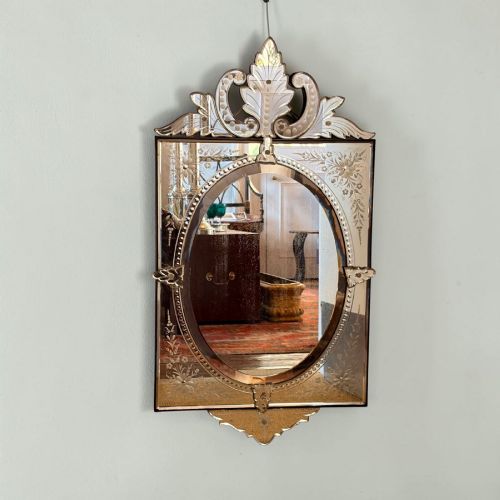
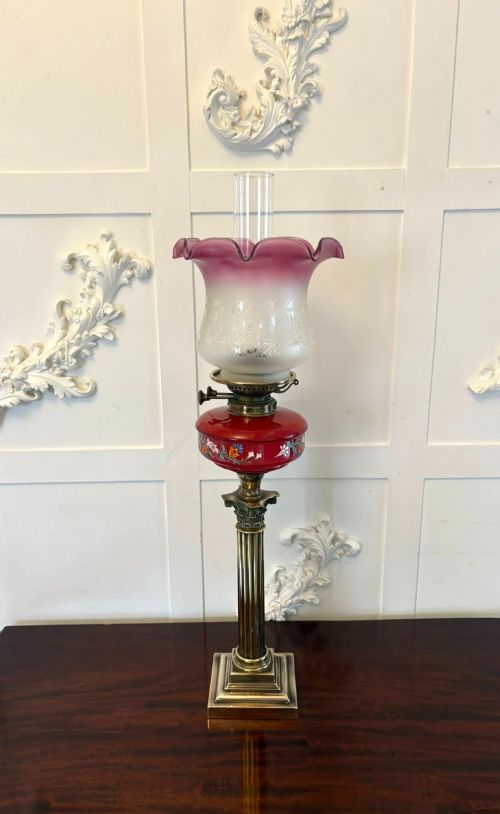
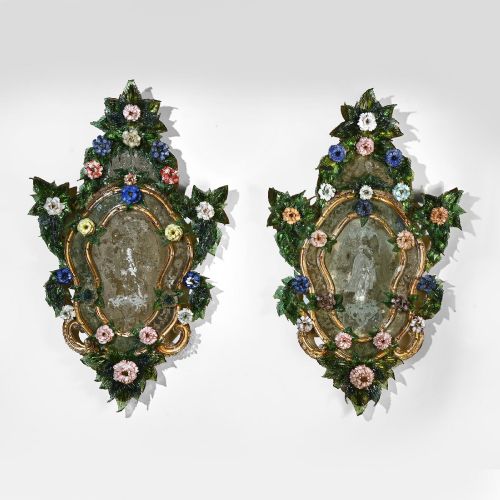
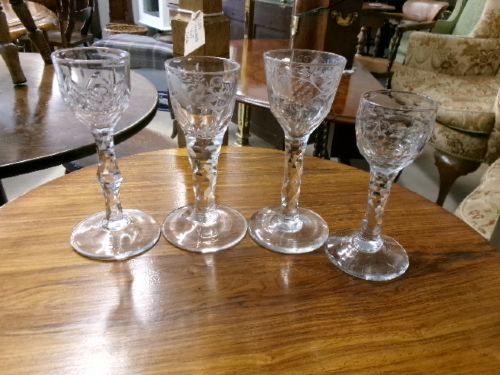
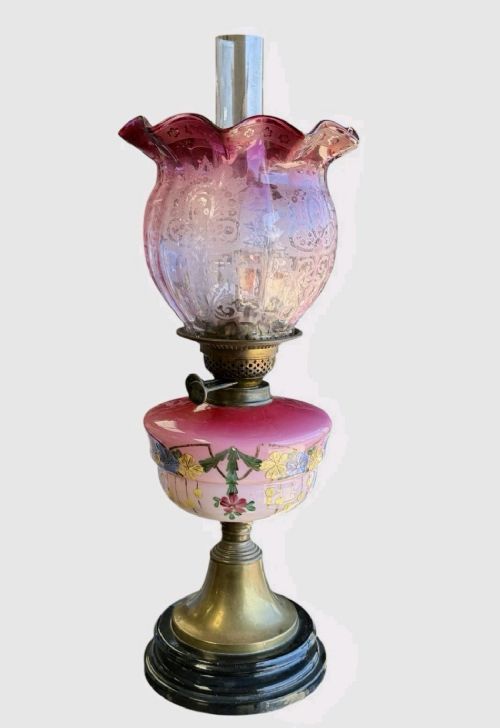
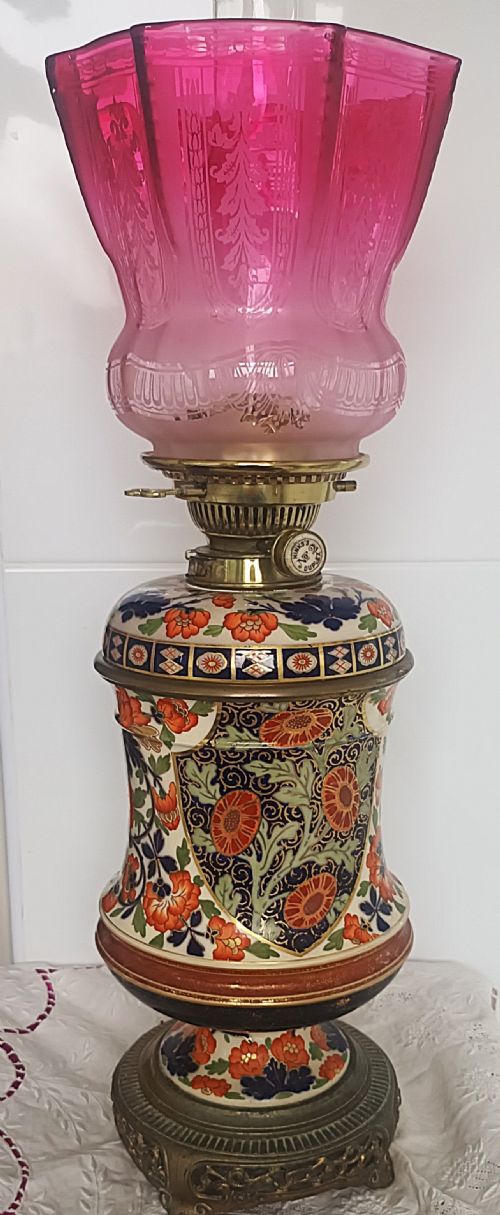
When searching for hand etched glass, buyers encounter a diverse selection of decorative and functional objects spanning multiple centuries. The inventory ranges from delicate Georgian and Victorian drinking glasses and gin vessels to larger domestic items such as oil lamps, ewers, and wall mirrors.
Objects appearing on this page originate from various notable production centres including English glassworks, Venetian workshops, and Murano. Common forms include table decanters, stemmed wine glasses, and decorative panels alongside household lighting with glass fonts and shades.
The materials paired with the glass vary widely according to the object type, frequently incorporating brass, wood, lead crystal, mirror glass, and enamel. Pieces date from the eighteenth century through the Victorian era and into the early twentieth century.
How they were made
Makers utilised clear and coloured materials, notably cranberry glass and lead crystal, shaping them through blowing, moulding, and wheel engraving. Surfaces were frequently embellished with hand painting, enamel work, and reverse painting alongside traditional acid or tool etching.
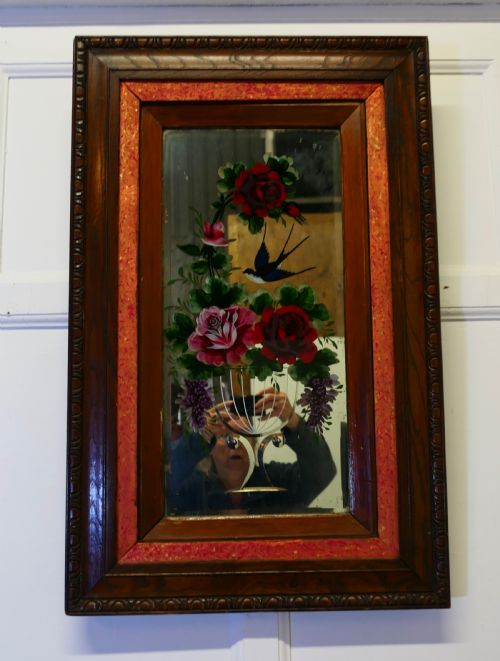
Lighting fixtures combined delicate glass fonts or shades with sturdy metal or ceramic mounts, utilising brass columns and bronze bases. Mirrors combined bevelled mirror glass with ornate frames in wood, brass, and painted finishes.
Hand Etched Glass Retail Price Guide 2026
Typical asking prices for hand etched glass among the pieces listed under this phrase on Sellingantiques today, from the lower quarter to the upper quarter. They describe what is for sale here now, not the wider market.
Even swans manage to find their way onto glass windows, swimming permanently across hand painted and etched panes.
What varies in quality
The distinction between standard domestic items and superior examples lies in the crispness and depth of the wheel engraving and surface etching. Fine pieces display precise control in decorative motifs, whether depicting floral arrangements, birds, or geometric patterns.
Material quality also dictates the tier of the piece, particularly the clarity of the lead crystal and the richness of coloured glass like cranberry. Integral components, such as matching glass shades on oil lamps or original brass and bronze mountings, elevate the overall integrity of the object.
The Hand Etched Glass Glossary
- Cranberry glass
- A rich red-pink transparent glass coloured with gold chloride, popular in Victorian lighting and tableware. It frequently appears in oil lamp fonts and decorative glassware.
- Lead crystal
- Heavy, high-clarity glass containing lead oxide, which increases brilliance and makes the material softer for detailed wheel engraving and cutting. It provides superior weight and light refraction in drinking vessels.
- Reverse painted
- A technique where artists paint directly onto the back of glass panels or mirror glass, viewed from the front to create a glossy, protected finish. This method appears on Victorian decorative mirrors and window panels.
- Wheel engraved
- A method of decorating glass by holding the vessel against a small rotating abrasive wheel. It creates deeper, more precise cuts than acid etching and is characteristic of fine Stourbridge production.
- Ewer
- A large jug with a wide spout and looped handle, historically used for water or wine. In glass, these pieces often feature elaborate etching and coloured bodies.
Hand Etched Glass: Frequently Asked Questions
How do I clean antique etched glass?
Wash pieces gently by hand using lukewarm water and mild, non-abrasive soap. Avoid submergeable metal mounts or painted areas to protect the original finishes.
Dry immediately with a soft, lint-free cloth to prevent water spots on the glass surface and to preserve any delicate wheel engraving.
Are these oil lamps safe to use?
Victorian oil lamps are primarily collected and displayed as decorative objects rather than functional household lighting. Converting them for modern electrical use requires professional rewiring.
Original burners and glass fonts should be inspected carefully before attempting any operational use with fuel or oil.
How can I tell Georgian glass from Victorian pieces?
Georgian drinking glasses often feature simpler, heavier proportions with faceted stems and broad foot bases. The glass metal itself frequently displays subtle characteristic imperfections from the period.
Victorian items tend to embrace more ornate decoration, vibrant colours like cranberry, and diverse application techniques including extensive enamel work and reverse painting.
Where was Stourbridge glass made?
Stourbridge glass refers to the renowned production originating from the industrial town in the West Midlands of England. This centre became famous for exceptional technical skill in glassmaking and wheel engraving.
Pieces from this region often demonstrate superior clarity and intricate surface detail that collectors prize today.