


Hand Engraved Islamic Brass
Hand engraved islamic brass pieces bring intricate metalwork into your home, offering centuries of decorative artistry from the Middle East.
Hand Engraved Islamic Brass
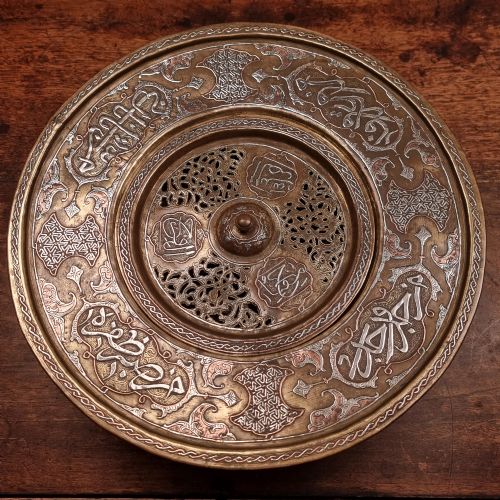
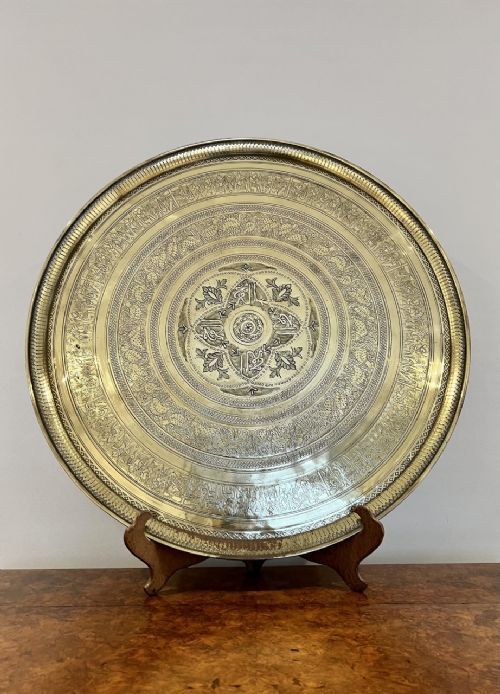
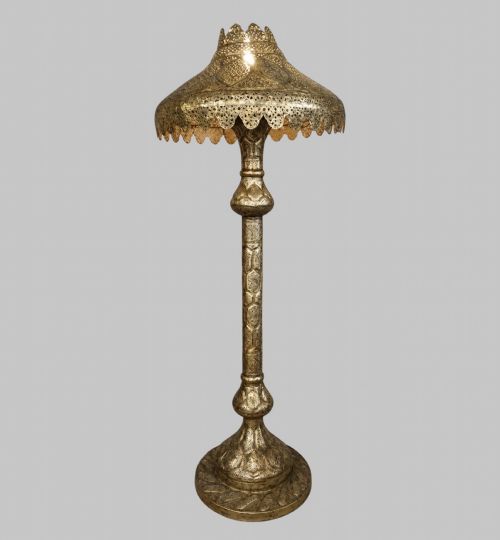
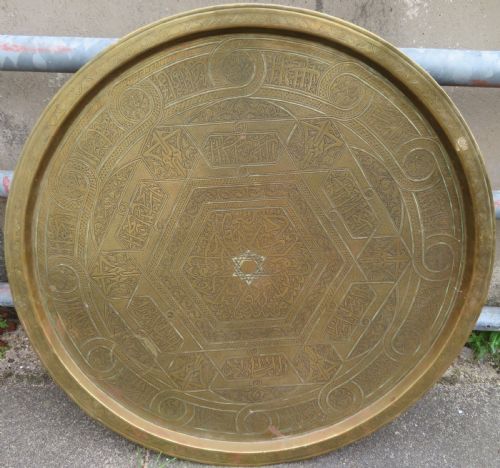
When you search for hand engraved islamic brass, you encounter a diverse selection of metalwork ranging from nineteenth-century basins and trays to floor lamps and candlesticks. The examples available here span multiple eras, including sixteenth-century pieces alongside Victorian and later twentieth-century revivals.
You are most likely to meet large decorative trays and basins bearing dense surface decoration, often associated with traditions from Egypt, Syria, and Persia. These objects encompass varied regional styles such as Mamluk, Qajar, and Moorish revivals.
Functional items like candlesticks and occasional tables also appear among the offerings, showing how traditional metalworking techniques were applied to domestic furnishings. Each piece demonstrates the enduring appeal of Middle Eastern craftsmanship across different periods.
Materials and construction
The objects are formed primarily from brass, copper, and patinated copper, frequently enhanced with mixed metals or silver inlay. Artisans hammered and cast these metals into substantial forms before applying meticulous hand-engraved patterns across the entire surface.
Inlaid silver details frequently contrast against darkened copper or bright brass grounds, highlighting intricate calligraphic inscriptions, geometric strapwork, and vegetal motifs. Some items also incorporate carved wood or hardwood structures, particularly in the case of tables and stands.
Current listings span from the sixteenth century through the nineteenth and twentieth centuries, featuring materials such as brass, copper, and mixed metal.
Assessing quality and execution
Quality in these metalwares rests upon the precision and depth of the hand engraving, where finer examples display crisply defined lines and complex, harmonious compositions. The density and intricacy of silver inlay further separate standard production pieces from exceptional items.
The weight of the metal and the integrity of the original patina contribute significantly to an object's overall character. Superior pieces maintain clear details across the entire decorative scheme without excessive wear to the engraved recesses.
The Hand Engraved Islamic Brass Glossary
- Cairoware
- A term used by collectors for nineteenth and early twentieth-century brass metalwork produced in Egypt, heavily decorated with silver and copper inlay. These items were often made specifically for the European export market.
- Mamluk Revival
- A nineteenth-century style that emulates the luxurious brasswork of the medieval Mamluk sultanate, characterised by bold Arabic inscriptions and geometric medallions. Artisans utilised complex silver and copper inlay to recreate the medieval aesthetic.
- Qajar Persian
- Pertaining to the art and metalwork of the Qajar dynasty in Persia, known for figurative engraving and intricate floral scrolls. Brass and copper objects from this period often feature finely hammered surfaces.
- Patinated Copper
- Copper that has been chemically treated or aged naturally to produce a darkened, stable surface coating. This finish highlights bright inlaid metals such as silver.
- Silver Inlaid
- A technique where fine silver wire or sheet is hammered into shallow grooves cut into a brass or copper base. This creates striking contrasting patterns across the object.
Hand Engraved Islamic Brass: Frequently Asked Questions
What are these brass objects?
These pieces comprise utilitarian and decorative metalwork such as trays, basins, candlesticks, and lamps originating from Middle Eastern traditions. They showcase traditional hand-engraving techniques passed down through generations.
Many items reflect specific regional revivals, incorporating classic motifs from Islamic art into forms suited for both traditional and contemporary interiors.
How were they used originally?
Trays and basins served functional roles in daily domestic life for washing, serving, and dining, often taking central positions in large households. Candlesticks and lamps provided essential illumination before the advent of electricity.
Over time, many of these durable metal items transitioned into purely decorative display pieces within Middle Eastern and European homes.
How do I care for hand engraved brass?
Maintenance requires gentle dusting with a soft cloth to protect the delicate engraved recesses and any inlaid silver wire. Avoid aggressive metal polishes that can strip away the historical patina and damage the inlay.
Keeping the objects in a stable environment away from excessive moisture preserves both the metal and any secondary materials like wood.
How can I tell different periods apart?
Earlier pieces from the sixteenth century typically display heavier construction and distinct regional epigraphy associated with medieval dynasties. Nineteenth-century revival pieces often exhibit brighter brass surfaces and cater to broader international tastes.
Stylistic markers such as Mamluk calligraphy or Qajar floral motifs help align pieces with their respective historical eras and workshops.