




Hand Engraved Glass
Hand engraved glass pieces bring together historic skill and tactile design, offering collectors tangible links to centuries of decorative glassmaking.
Hand Engraved Glass
Hand engraved glass encompasses decorative and functional vessels produced across multiple periods, including the eighteenth century and the Victorian era. When searching for hand engraved glass, buyers encounter drinking vessels such as goblets, wine glasses, ale glasses, and gin glasses, alongside larger forms like decanters, ewers, and vases.
The objects span formal Georgian drinking wares with faceted stems and decorated bowls through to late nineteenth century Stourbridge productions and early twentieth century ale glasses. Forms range from utilitarian desk accessories to ornamental vases and beakers.
How they were made
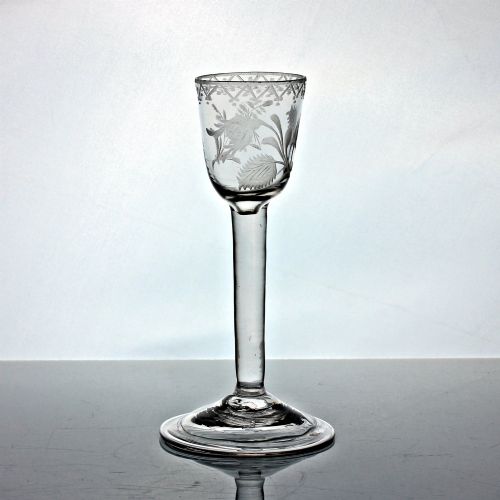
Maker utilise hand-blown glass and lead crystal formed into vessels before applying surface decoration through wheel engraving or etching. Artisans cut designs directly into the material using small rotating wheels or chemical agents to achieve intricate pictorial and geometric motifs.
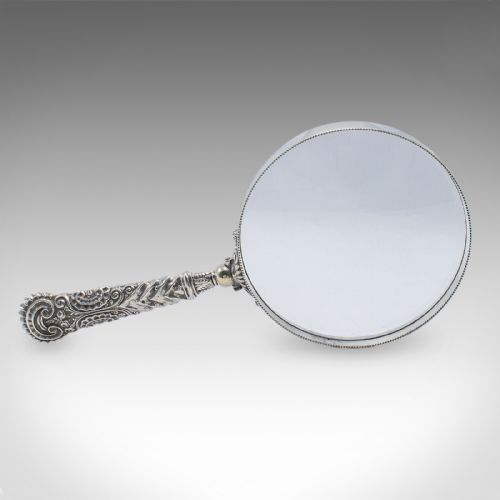
Certain items incorporate secondary materials such as silver plate for handles, mounts, and lids on claret jugs, jam pots, and dressing table components. Gold leaf and wooden elements occasionally appear alongside paper components in associated library aids.
Hand Engraved Glass Retail Price Guide 2026
Typical asking prices for hand engraved glass among the pieces listed under this phrase on Sellingantiques today, from the lower quarter to the upper quarter. They describe what is for sale here now, not the wider market.
Listings feature hand engraved glass across the eighteenth century, Victorian period, and twentieth century, utilising lead crystal and silver plate.
What varies in quality
Quality rests upon the depth, precision, and clarity of the wheel engraving or etching upon the glass body. Crisp execution of detailed motifs, such as botanical subjects or heraldic crests, distinguishes finer examples from simpler work.
The weight and purity of the lead glass or hand-blown material, combined with the harmonious integration of silver plate mounts where present, dictate the overall standing of the piece.
William Fritsche·Robert Sayer
The Hand Engraved Glass Glossary
- Wheel engraved
- Glass decorated by holding the vessel against the rotating edge of a small stone or copper wheel fed with an abrasive. This technique produces deep, lustrous cuts.
- Lead glass
- Glass containing lead oxide which increases brilliance, weight, and workability. It serves as the primary medium for high quality historic drinking vessels.
- Ale glass
- A tall, narrow drinking vessel designed specifically for consuming ale. They frequently feature engraved barley or hop motifs on the bowl.
- Claret jug
- A pouring vessel intended for serving red wine, usually featuring a glass body paired with a silver plated handle and mount. Many examples display floral or vine engraving.
- Stourbridge
- An English town renowned for its glass manufacturing industry during the nineteenth century. Production from this centre often exhibits advanced wheel engraving techniques.
Hand Engraved Glass: Frequently Asked Questions
How do I identify Georgian hand engraved glass?
Georgian pieces typically display characteristic stem formations such as plain or faceted stems supporting decorated bowls. The glass often shows the slight imperfections and weight associated with eighteenth century production methods.
Engraving subjects from this period frequently include Jacobite symbols or simple floral arrangements. Examining the foot base and pontil mark helps confirm the period of manufacture.
What is the difference between etched and engraved glass?
Engraved glass is worked mechanically using rotating wheels that cut directly into the surface to create deep, tactile designs. Etched glass utilises acid or other chemicals to eat away at the surface areas, resulting in shallower decoration.
Both methods decorate historical vessels but produce distinct tactile and visual qualities upon the glass body.
How should I clean antique hand engraved glass?
Wash pieces gently by hand using lukewarm water and mild detergent without abrasive sponges. Avoid sudden temperature changes to prevent thermal shock to older glass structures.
Dry the vessel carefully with a soft lint-free cloth to preserve the clarity of the material and the surrounding metal mounts.
Are Stourbridge glass pieces marked?
Stourbridge pieces rarely carry explicit factory marks, requiring attribution based on specific decorative techniques and glass quality. The presence of fine wheel engraving often indicates production from this English hub.
Comparison with documented examples helps establish the likely workshop origin.