


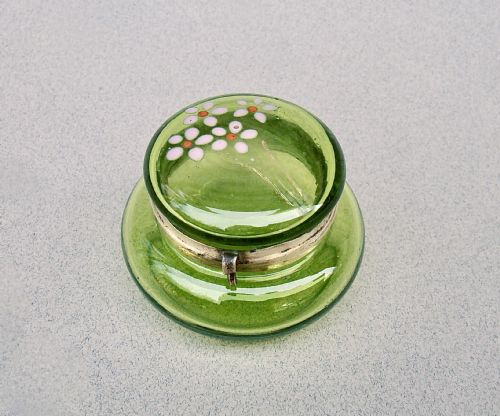

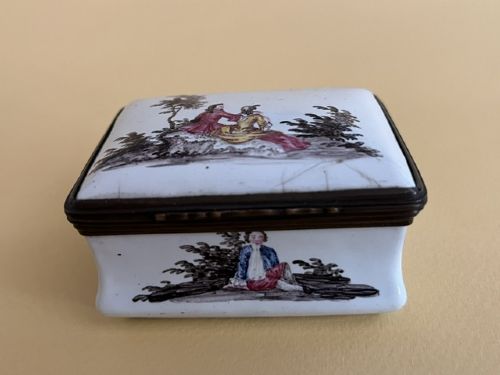


Hand Enamelled Box
A hand enamelled box offers a miniature canvas of fused glass and metal, prized for holding pins, powder or tobacco.
Hand Enamelled Box
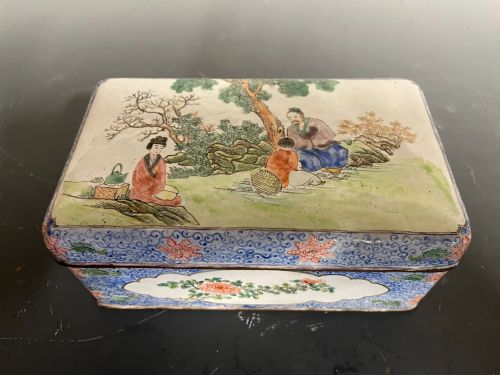
A hand enamelled box spans centuries of craftsmanship, taking the form of small trinket containers, patch boxes, snuff boxes, and cigarette cases. The selection relies heavily on eighteenth-century English production alongside twentieth-century silver and enamel vanity pieces.
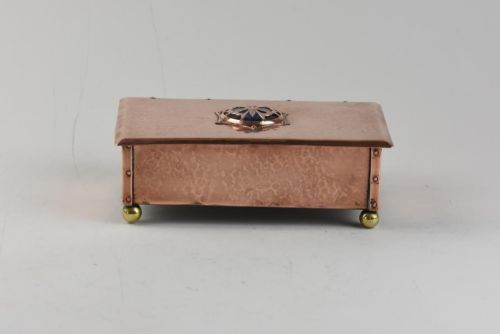
Makers from Georgian workshops in Bilston and South Staffordshire feature prominently alongside later Arts and Crafts copper and silver creations. Buyers encounter everything from delicate porcelain caskets with gilt detailing to sturdy brass and glass jars intended for the dressing table.
How they were made
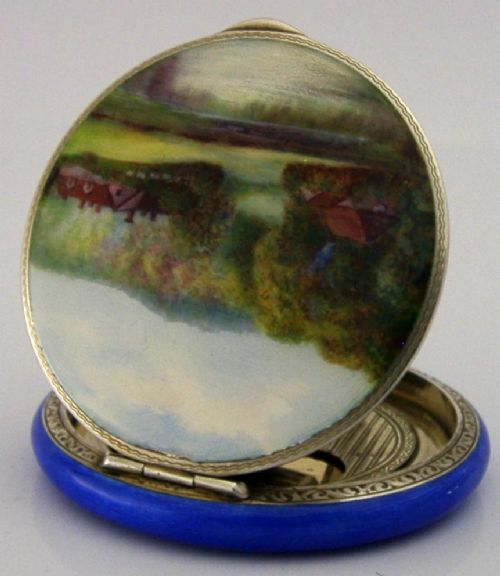
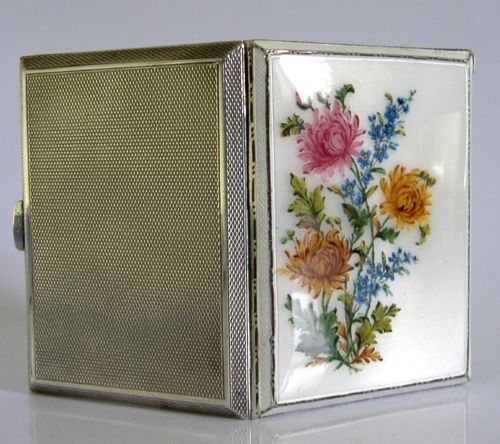
These pieces are constructed by fusing powdered glass onto metal bases such as copper, sterling silver, or gilt metal through high-temperature kiln firing. Artisans then hand paint intricate floral motifs, portraits, or geometric patterns directly onto the hardened enamel surface.
Many examples incorporate specialised techniques like cloisonné, where thin metal wires create cells for distinct enamel colours, or guilloche, featuring machine-turned patterns beneath translucent enamel layers. Mounts are often cast in brass, pewter, or silver with hinged lids and fitted clasps.
Hand Enamelled Box Retail Price Guide 2026
Typical asking prices for hand enamelled box among the pieces listed under this phrase on Sellingantiques today, from the lower quarter to the upper quarter. They describe what is for sale here now, not the wider market.
An arts and crafts pewter box on display depicts a small boy and girl wearing traditional wooden clogs.
What varies in quality
The standard of execution in the hand-painted decoration separates ordinary production from exceptional artistry, visible in the brushwork's precision and the depth of colour achieved in the kiln. Finer pieces maintain crisp registration in multi-coloured designs without blurring at the edges of the metal divisions.
The integrity of the metal mounts and the retention of the original hinge mechanisms influence the overall standard. Early copper bodies with undamaged enamel linings command attention because the vitreous coating is prone to chipping over centuries of use.
LIBERTY & CO·Giuliano Spinelli Florence·TISSOT
The Hand Enamelled Box Glossary
- Patch box
- A small container used in the Georgian period to store small silk or velvet patches worn on the face to conceal blemishes. These boxes typically featured a tiny mirror fitted inside the lid.
- Bilston enamel
- A type of vitreous enamel work produced in the town of Bilston, Staffordshire, during the eighteenth century. These pieces usually utilised copper bases painted with opaque white enamel before receiving secondary polychrome decoration.
- Guilloche
- A decorative technique where a mechanical lathe engraves a precise, intricate geometric pattern into a metal surface. Translucent enamel is then applied over the top so the engraved design shows through.
- Cloisonné
- An ancient metalworking technique where flat wires are soldered onto a metal base to form raised partitions. Coloured enamel paste is packed into these compartments before the entire object is fired and polished.
- Bonbonniere
- A small ornamental box originally designed to hold sweets, sugarplums, or confectionery. In antique forms, they often took whimsical shapes such as animals or fruit.
Hand Enamelled Box: Frequently Asked Questions
What were small enamel boxes used for?
Historic boxes served intimate personal functions, holding scented snuffs, medicinal lozenges, or small cosmetic patches on dressing tables. Later twentieth-century iterations transitioned to holding cigarettes, powder, or pills.
Their compact size allowed wealthy owners to carry miniature works of art in pockets or evening bags. Today, collectors use them to display small curiosities on desks and mantelpieces.
How can I tell an 18th-century piece apart?
Eighteenth-century examples, particularly those from Staffordshire or Bilston, typically feature a copper body coated in thick, slightly uneven white enamel. The interior of the lid often retains a small fitted metal mirror.
Later Victorian and Edwardian items frequently utilise sterling silver or machine-rolled brass mounts with sharper, more industrial construction. The painting style on Georgian pieces also relies on softer mineral pigments applied by hand.
Are these boxes fragile for everyday use?
Vritreous enamel is essentially glass fused to metal, meaning it can chip or crack if dropped against hard surfaces. Normal handling and gentle placement on felt-lined trays pose no risk to stable antique pieces.
Owners should avoid exposing them to moisture or extreme temperature fluctuations to protect the metal mounts and hinge pins. Keeping them away from direct sunlight preserves the hand-painted pigments.
What is the difference between patch and snuff boxes?
Patch boxes were made shallow to accommodate thin fabric silhouettes used for facial decoration in the Georgian era. Snuff boxes were built deeper and sturdier to contain dry tobacco powder without spilling.
Both types share similar manufacturing techniques, utilising enamelled copper or silver frames with tight-fitting hinged lids. Many overlap in contemporary descriptions due to their comparable sizes.