


Hand Carved Wooden Treen
Hand carved wooden treen gathers small domestic objects shaped by knife and lathe from hardwood and fruitwood during past centuries.
Hand Carved Wooden Treen
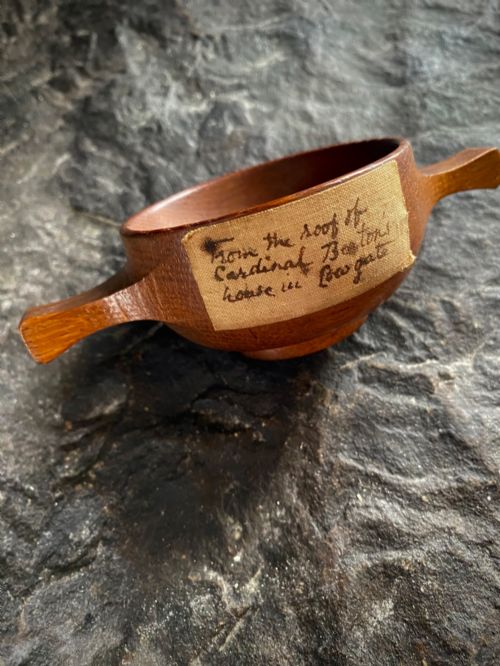
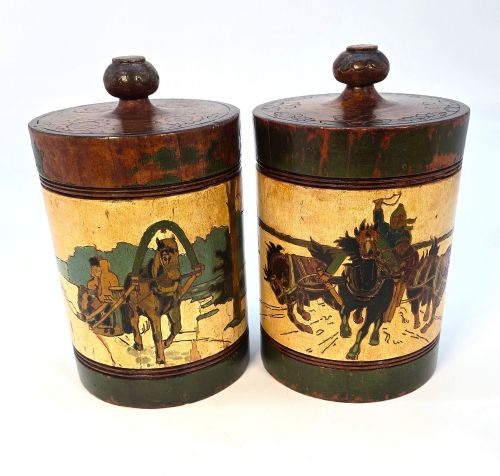
When people search for hand carved wooden treen, they encounter utilitarian objects made for the domestic sphere across the eighteenth, nineteenth, and early twentieth centuries. These pieces encompass domestic kitchenalia, snuff boxes, nutcrackers, and knitting sheaths shaped by hands rather than mass production.
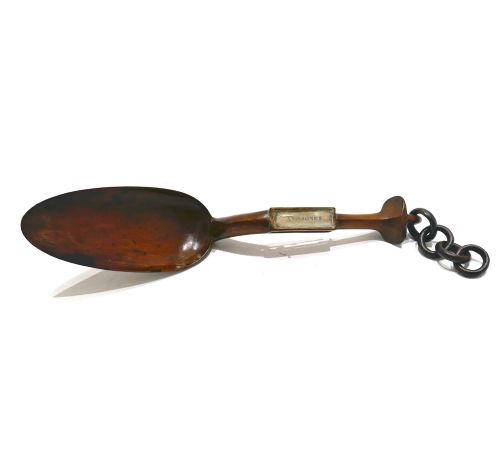
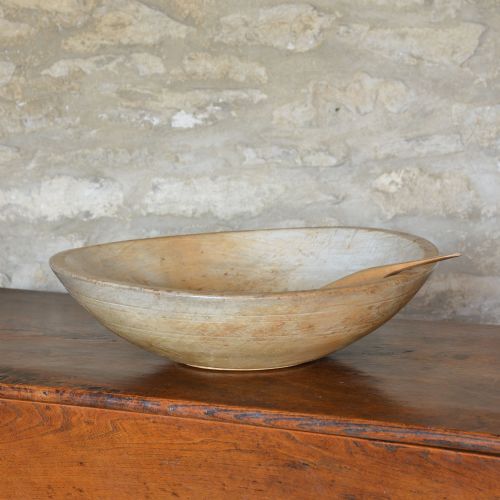
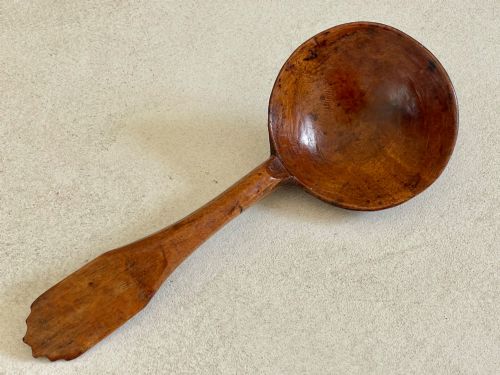
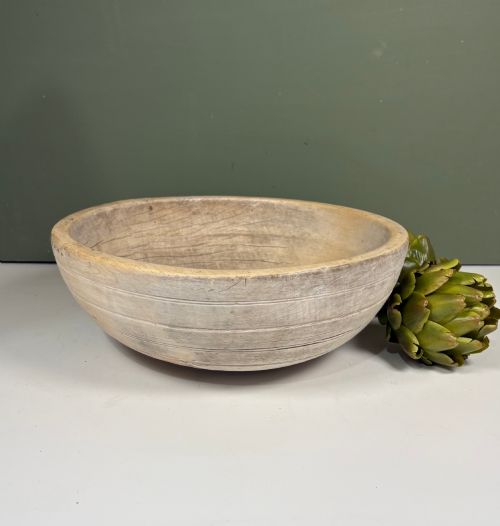
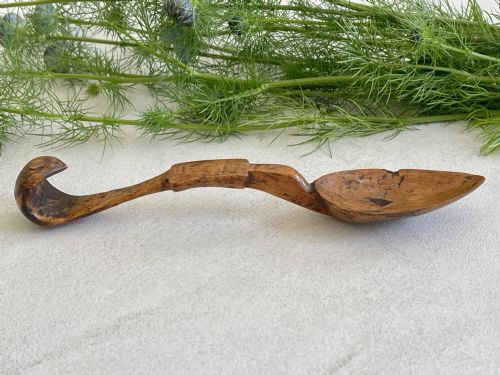
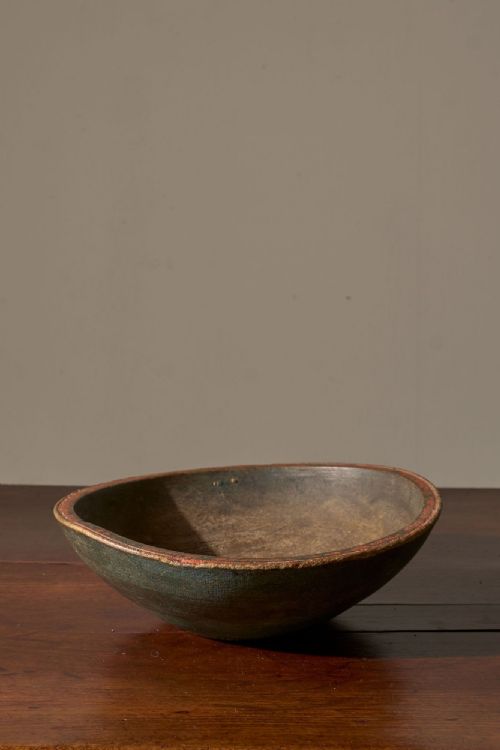
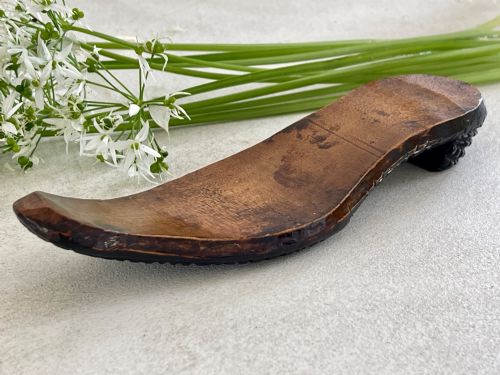
On this page, the most common forms include fruitwood and sycamore dairy bowls, treen spoons, love tokens, and puzzle balls. Regional examples such as Welsh lovespoons and Cumbrian knitting sheaths regularly appear alongside continental pieces.
The objects stem from folk art traditions where makers carved utilitarian items with decorative details. Everyday timber transformed into spoons, scoops, and corkscrews through straightforward woodworking techniques.
Methods and materials of hand carved wooden treen
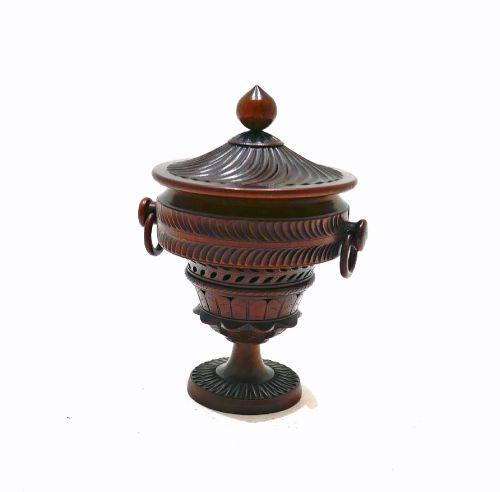
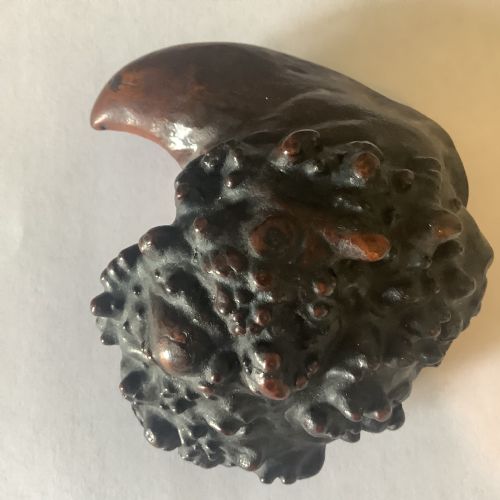
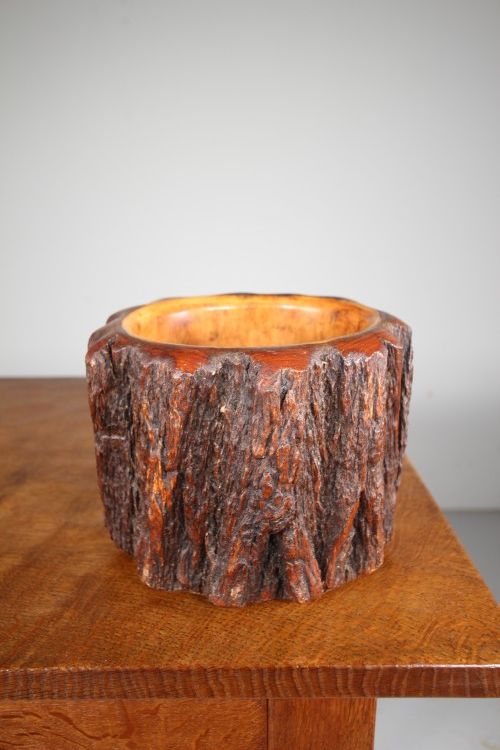
Makers utilised dense native timbers such as fruitwood, sycamore, beech, oak, and burr walnut, selecting logs for their grain and resistance to splitting. These woods were worked while green or dry using drawknives, gouges, and lathes.
Surface ornamentation relied on punchwork decoration, carving, engraving, and occasional painted details. Domestic utensils gained visual interest through utilitarian shaping, incised patterns, and natural patination built up through handling.
Hand Carved Wooden Treen Retail Price Guide 2026
Typical asking prices for hand carved wooden treen among the pieces listed under this phrase on Sellingantiques today, from the lower quarter to the upper quarter. They describe what is for sale here now, not the wider market.
One nineteenth-century nutcracker takes the cheerful form of a man in the moon.
Judging quality in treen
Quality rests in the crispness of the carving and the suitability of the timber choice for the object's function. A fluid line in a knitting sheath or the balanced proportions of a dairy bowl distinguish superior carving from hurried workshop production.
Surface character separates everyday utensils from exceptional survivals. Natural patination, deep wear from domestic use, and the retention of original painted decoration elevate individual pieces.
The Hand Carved Wooden Treen Glossary
- Treen
- Small handmade wooden domestic objects. The term derives from the old word for tree.
- Knitting sheath
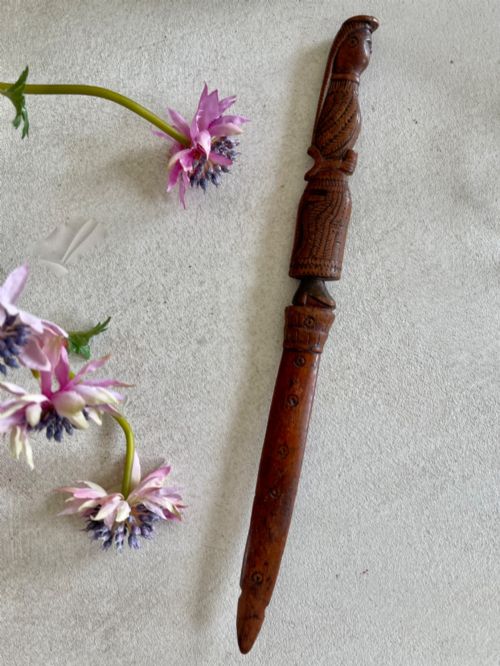
- A carved wooden holder tucked into a belt to support a knitting needle. Cumbrian and Durham examples display distinctive regional carving.
- Dairy bowl
- A large wooden vessel used in butter making and milk processing. Sycamore was favoured for these bowls because it does not impart flavour to dairy products.
- Lovespoon
- A decorative wooden spoon carved as a token of affection. Welsh makers traditionally fashioned these with intricate motifs.
- Snuff box
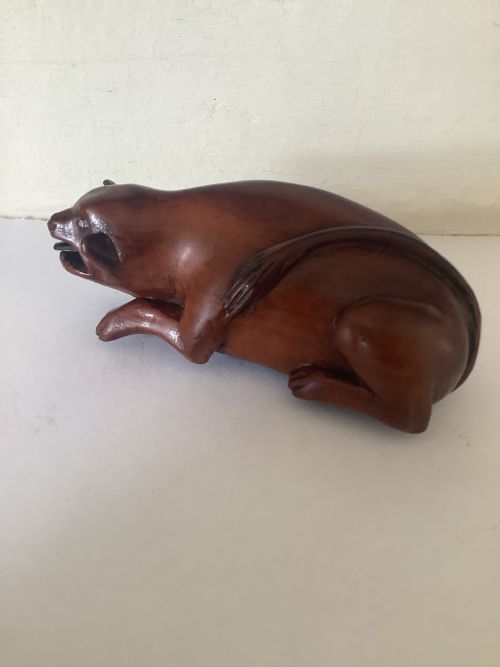
- A small lidded container for tobacco powder. Makers shaped these from hardwoods, sometimes forming them as animals or hands.
Hand Carved Wooden Treen: Frequently Asked Questions
What is treen?
Treen encompasses small wooden household objects made before the era of mass production. These functional items served domestic tasks in the kitchen, dairy, and parlour.
Items range from spoons and scoops to puzzle balls and snuff boxes. Each piece reveals the hand of a maker working with native timbers.
How were knitting sheaths used?
Knitters tucked the sheath into their waistband or apron string to anchor the working needle. This held the needle steady during fast working.
Many bear punchwork decoration or regional shapes, reflecting the maker's local tradition.
Why are dairy bowls made of sycamore?
Sycamore timber has a pale, close grain that resists splitting when exposed to moisture and milk. It remains neutral in taste and odour.
Makers turned these large bowls on lathes or hollowed them out to hold milk during cream separation.
How do I care for wooden treen?
Keep wooden objects away from direct heat sources and sudden temperature changes to prevent the timber from splitting. Environmental stability preserves the surface patination.
Clean surfaces with a dry cloth and avoid harsh washing. A light application of natural wax maintains the finish.