


Hand Carved Wooden Figurines
Hand carved wooden figurines bring centuries of regional craft, animal studies and folk traditions directly into domestic spaces.
Hand Carved Wooden Figurines
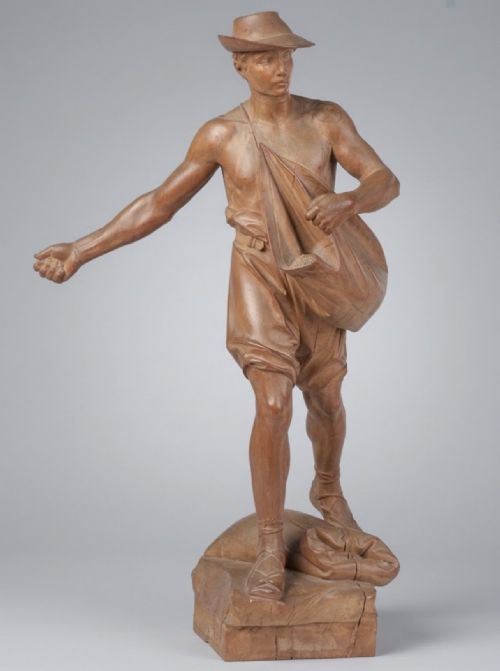
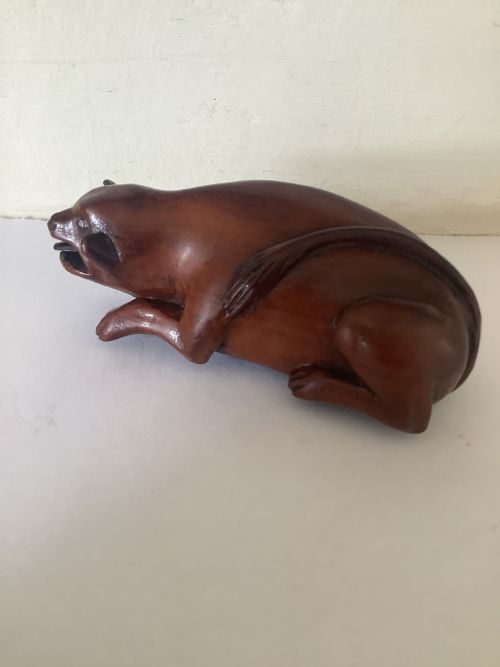
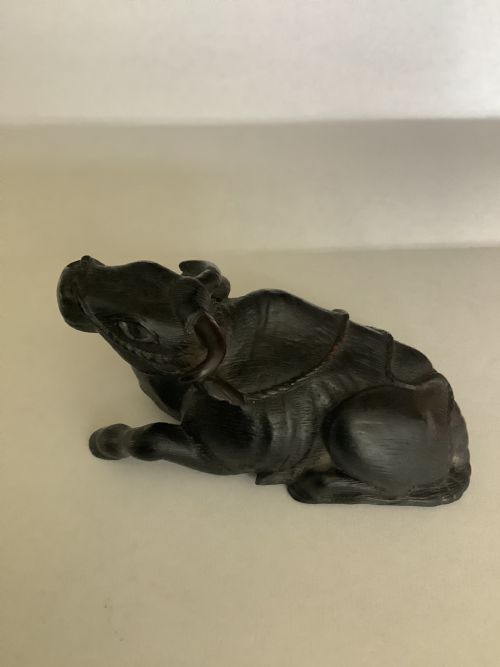
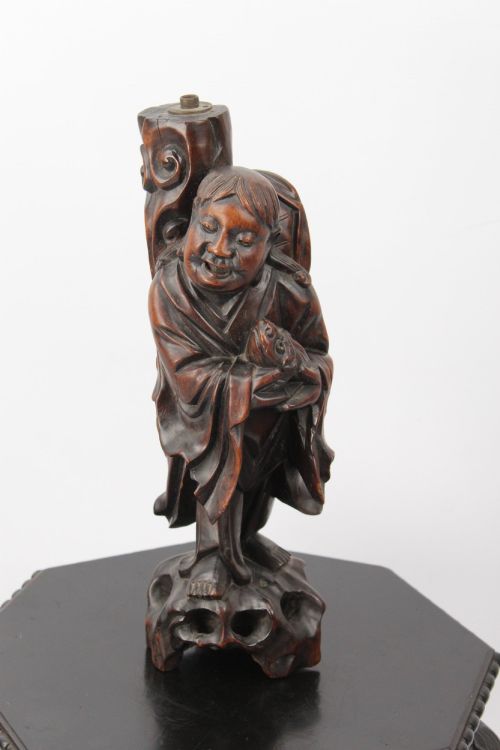
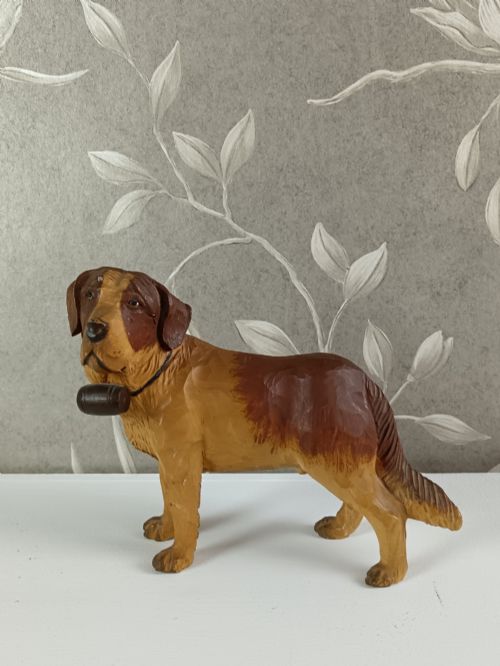
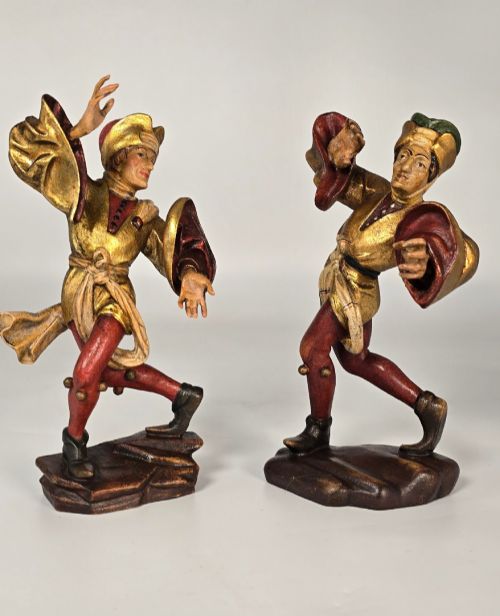
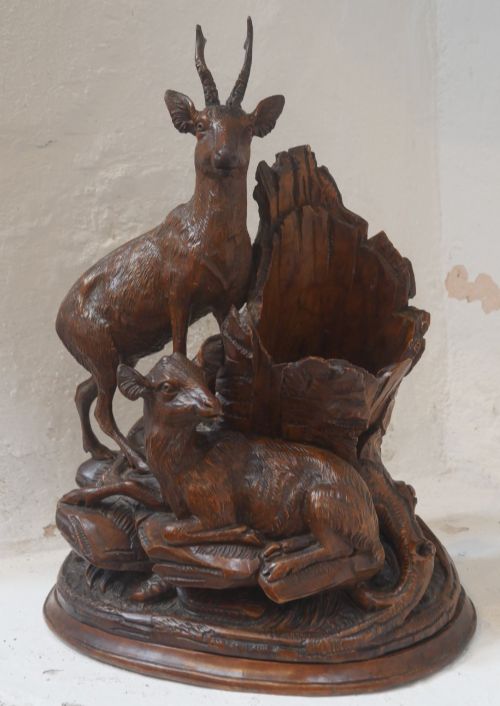
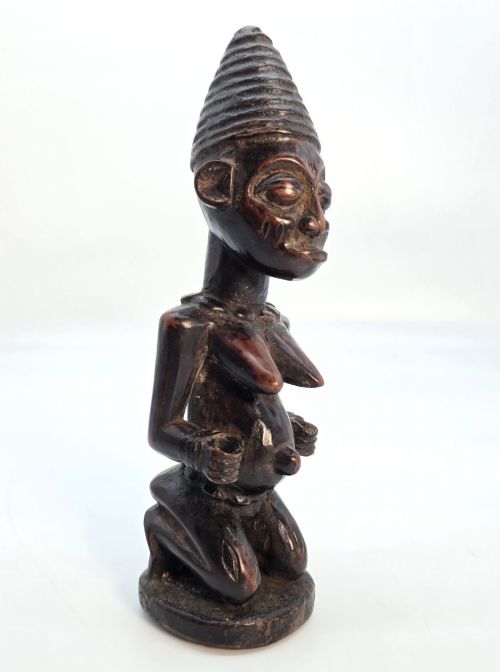
When you search for hand carved wooden figurines, you encounter a diverse array of sculptural objects ranging from nineteenth century Black Forest animal studies to folk art figures and Asian carvings. The selection spans domestic subjects, religious icons, native wildlife and cultural figures fashioned by regional makers across various periods.
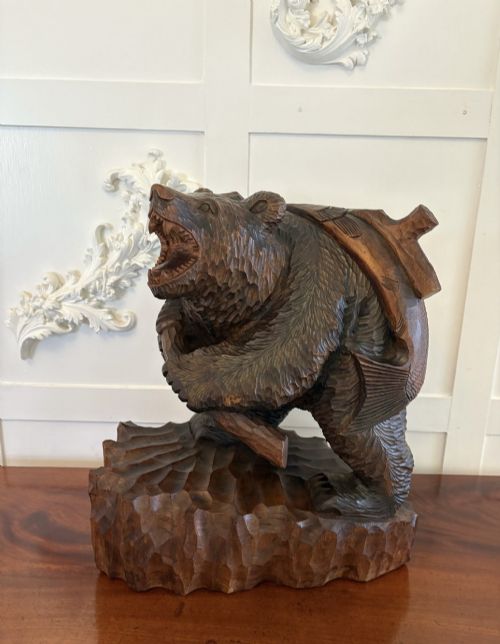
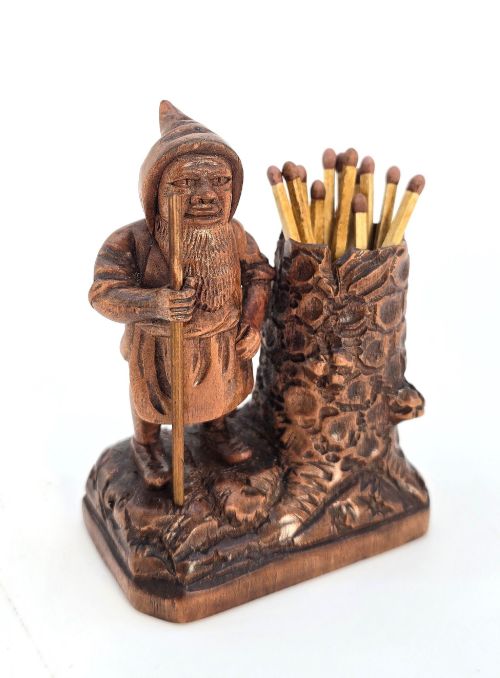
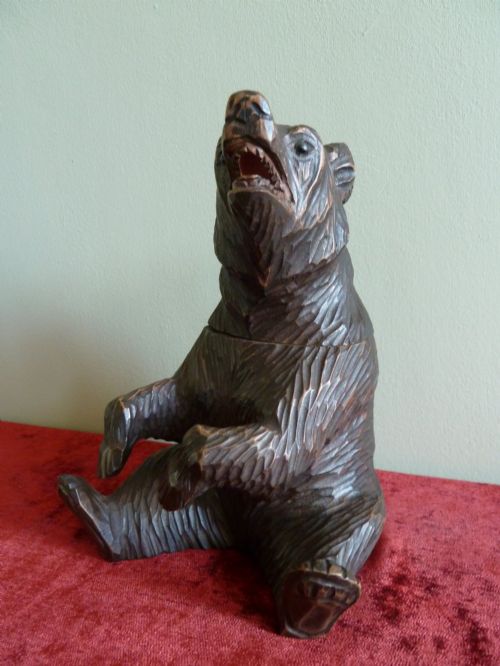
You are most likely to meet Swiss and German animal carvings, particularly bears, alongside folk art figures, tribal sculptures and classical human subjects. These pieces include utilitarian items such as match holders, bookends and tobacco jars disguised as sculptural forms.
The regional origins stretch from European mountain workshops to British colonial outposts, East Asian carving centres and African tribal communities. Each piece reflects the sculptural vocabulary and local timber resources of its specific place of origin.
Materials and carving techniques
Carvers predominantly utilised regional hardwoods and softwoods, choosing limewood, linden wood, fruitwood, walnut, boxwood, teak and oak for their distinct grain patterns and response to hand tools. Softer woods allowed for intricate detail in animal fur and facial expressions, whilst dense hardwoods sustained precise geometric cuts.
The working process relied entirely on traditional hand chisels, gouges and knives to shape the raw timber into three dimensional forms. Many pieces retain visible tool marks, while others receive surface applications of paint, dark wax or glass insertions for eyes.
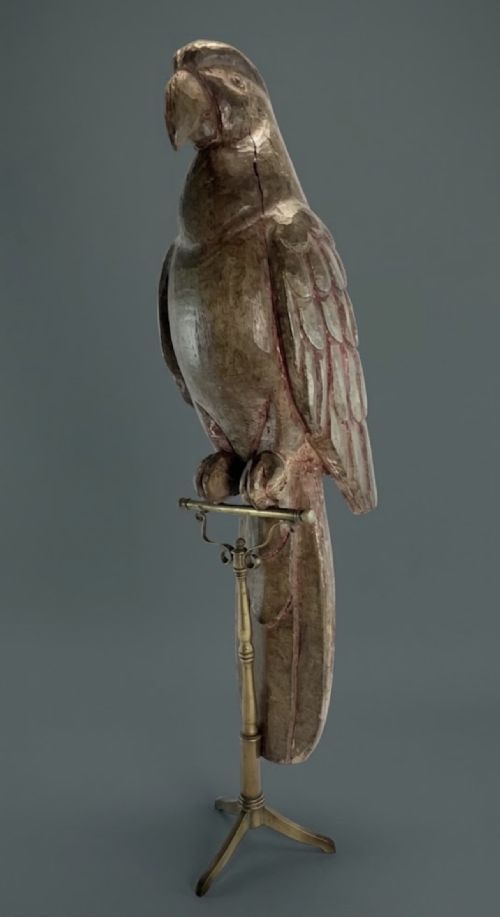
Certain workshop traditions incorporated applied elements such as brass stands, painted highlights or naturalistic glass eyes to enhance the realism of animal subjects.
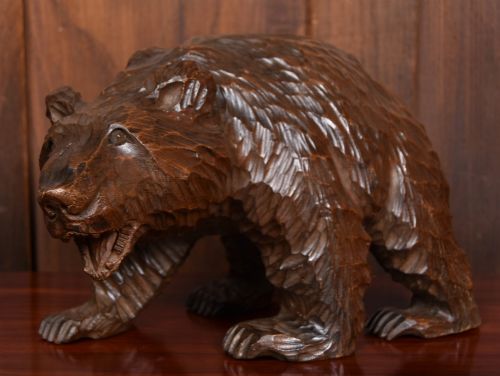
Among the carved woodland fauna, attentive bears stand ready to hold your matches, tobacco, and books.
Judging sculptural execution
Quality in these carvings rests upon anatomical accuracy, depth of relief and the sensitivity of the hand tool work. Superior examples display life in the posture and correct proportions, whereas simpler folk art relies on charming naivety and bold silhouette.
The distinction between standard decorative output and master carver work lies in the handling of surface textures, such as individual fur strands, textile folds and facial expressions. Signed pieces or works bearing workshop attribution often demonstrate a higher degree of sculptural ambition.
H.S Andy Anderson
The Hand Carved Wooden Figurines Glossary
- Black Forest
- A style of wood carving originating from the Brienz region of Switzerland and southwestern Germany, famous for realistically rendered bears and woodland animals.
- Linden wood
- A pale, fine grained timber favoured by European carvers for its soft consistency, which permits intricate undercut details without splintering.
- Netsuke
- A small Japanese toggle carved from wood, historically used to secure personal containers hung from kimono sashes.
- Folk art
- Utilitarian or decorative objects created by self-taught or provincial artisans, prioritising expressive character over academic precision.
- Foo dog
- A traditional Chinese guardian lion sculpture, often carved from boxwood or hardwood as a symbolic protector.
Hand Carved Wooden Figurines: Frequently Asked Questions
What are Black Forest carvings?
Black Forest carvings are wooden sculptures and functional objects produced in nineteenth and early twentieth century Switzerland and Germany. They primarily depict bears, goats and forest fauna.
Master carvers in mountain villages utilised indigenous limewood and walnut to create these detailed studies, which often doubled as match holders, bookends or tobacco jars.
How do I date an antique wood carving?
Dating relies on timber selection, tool marks, stylistic conventions and any inscribed signatures or dates. Nineteenth century pieces often show hand chisel marks rather than modern mechanical routing.
Clothing styles, subjects such as Napoleonic soldiers or Raj period figures, and specific regional art movements help narrow the period of manufacture.
Are these figures painted or bare wood?
These sculptures appear in both natural polished wood and hand painted finishes. European animal studies typically feature waxed or stained limewood and walnut.
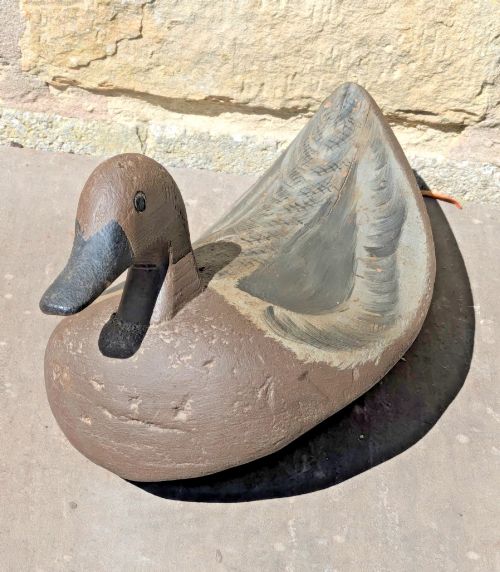
Folk art statues, decoy ducks and soldier figures frequently retain their original painted surfaces, which add significant historical and visual interest.
How should I care for wooden figurines?
Wooden sculptures require stable environmental conditions away from direct sunlight and strong heat sources. Excessive dryness causes timber to split.
Dust them gently with a soft, dry brush and avoid applying modern liquid polishes, which can build up on hand carved surfaces and obscure fine detail.