




Hand Carved Wood Chair
A hand carved wood chair brings sculptural depth and organic texture to a room, ranging from Anglo-Indian colonial seating to rustic European folk art.
Hand Carved Wood Chair
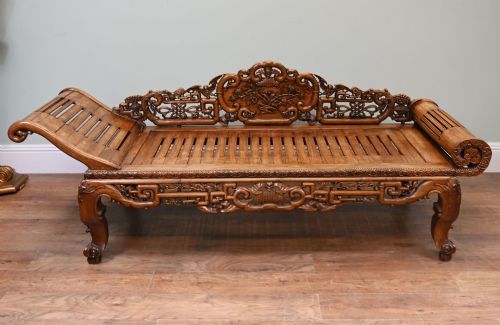
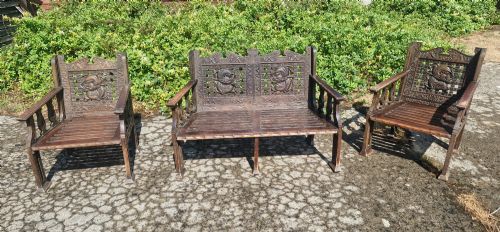
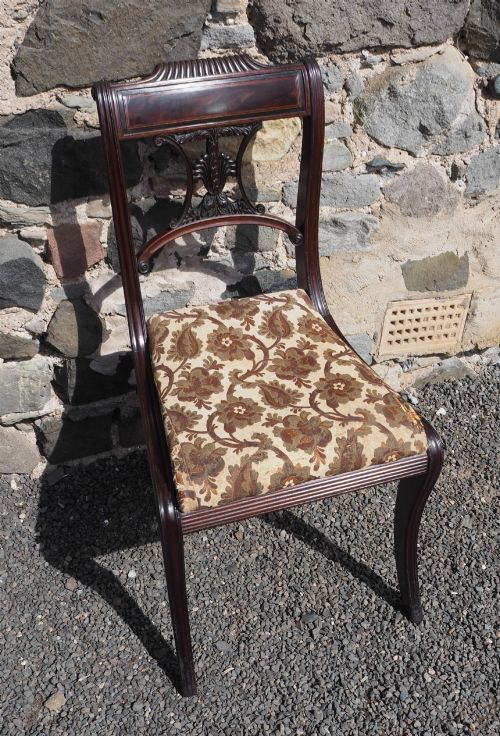
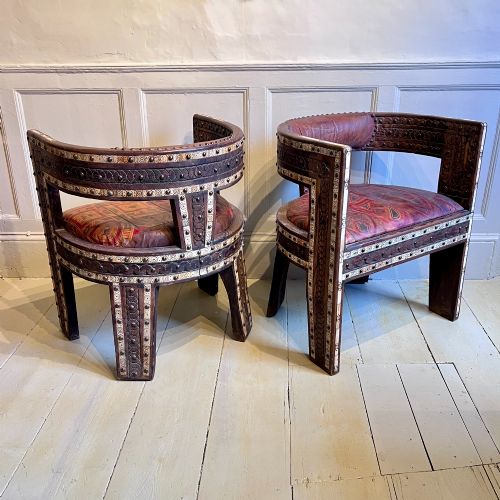
A hand carved wood chair covers a diverse group of seating forms designed across multiple centuries, including armchairs, side chairs, hall chairs, and folding chairs. When exploring this selection, buyers encounter everything from 18th-century mahogany carvers with leather seats to ornate Burmese and Anglo-Indian peacock armchairs.
The materials span regional hardwoods such as teak, oak, elm, padouk, walnut, and Cuban mahogany, often paired with leather, fabric, or brass accents. Forms range from utilitarian rustic seats and apprentice pieces to decorative Venetian gondola chairs and Black Forest bear hall chairs.
Geographic origins vary widely, taking in British, French, Italian, Spanish, Chinese, African, and North American workshops. Buyers most frequently meet regional vernacular styles and colonial export pieces that emphasise dense floral motifs or animal figures.
How they were made
Carpenters and carvers shaped these pieces using native and exotic timbers, relying on traditional joinery supplemented by hand-chiselled surface ornamentation. Solid woods like oak, mahogany, teak, and elm provided the structural integrity required for load-bearing frames and intricate openwork backs.
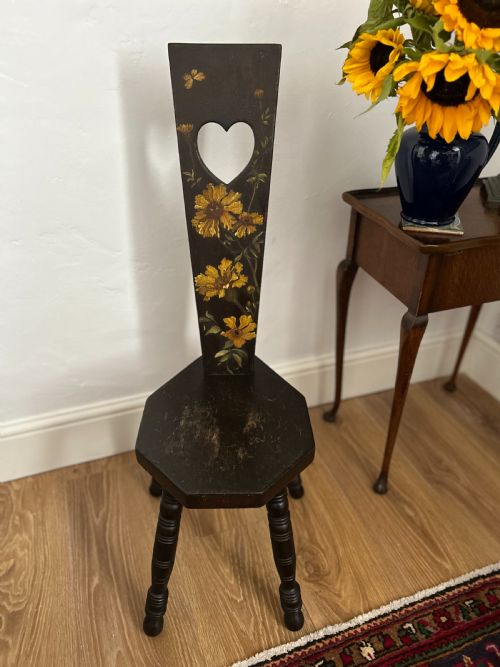
Surface decoration was executed entirely by hand using gouges and chisels to produce deep relief carvings of foliage, animals, and geometric patterns. Artisans frequently combined carved structural elements with applied details, hand-dyed leather upholstery, or turned wooden components.
Regional construction methods dictated the final form, from the pegged joints of European rustic stools to the folding mechanisms of Islamic and Burmese chairs. Finishing techniques ranged from simple wax polishing on oak to detailed gilding on Italian giltwood frames.
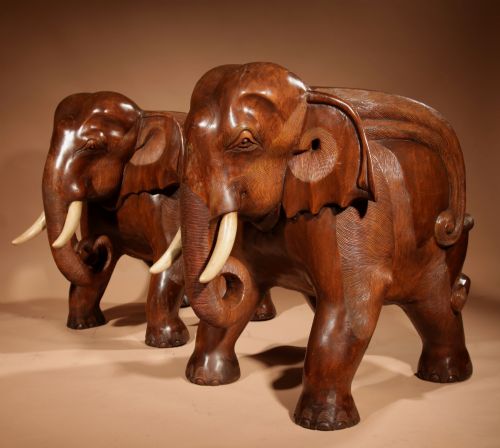
Several animals stand ready to host tired guests, including carved bears, elephants, lions, and peacocks.
What varies in quality
The distinction between ordinary and exceptional work rests on the depth, crispness, and spatial command of the carving. Master carvers achieved genuine three-dimensional relief where figures and foliage detach visually from the background timber, whereas lesser examples rely on shallow, repetitive stamping or mechanical routing.
Structural harmony also separates the tiers, seen in how seamlessly the carved ornamentation integrates into the structural frame rather than appearing as an afterthought bolted onto a standard form. The selection of timber grain, the weight of the solid hardwood, and the integrity of original joints dictate the physical endurance of the piece.
The Hand Carved Wood Chair Glossary
- Apprentice piece
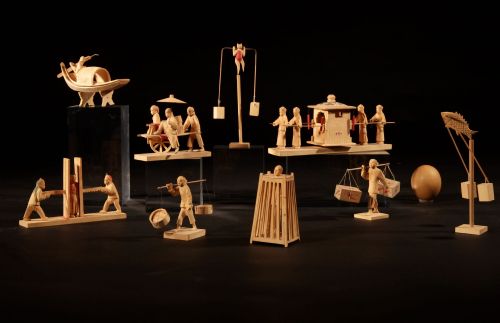
- A small-scale or master model created by a craftsman to demonstrate skill before admission to a guild. These items condense full-scale design principles into miniature proportions.
- Carver chair
- An armchair designed to match a set of dining side chairs, traditionally positioned at the head of a table. They typically feature wider proportions and more substantial armrests.
- Giltwood
- Timber that has been coated with a thin layer of gold leaf over a prepared gesso ground. This technique was favoured for formal European decorative seating.
- Padouk
- A heavy, durable tropical hardwood prized for its rich reddish-brown colour and stability. It was frequently utilised in colonial workshops for intricate relief carving.
- Tree root chair
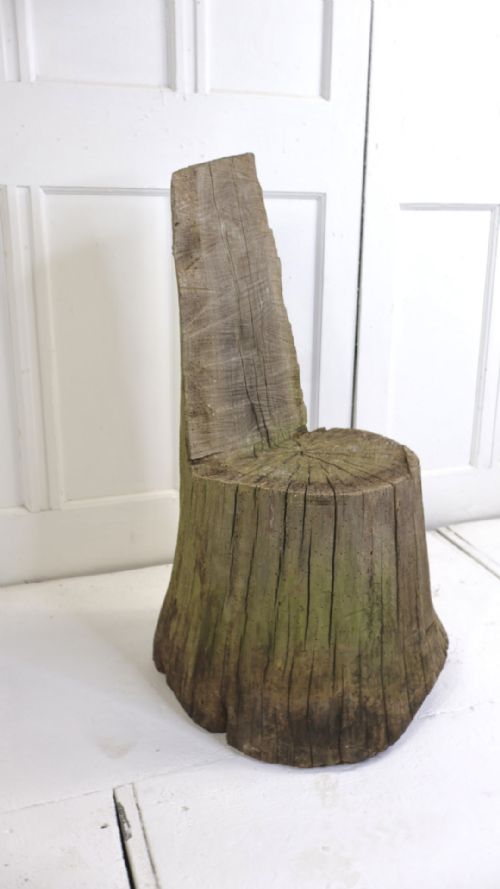
- Seating formed from the natural, gnarled contours of excavated timber roots. Artisans incorporated the organic burls and twists directly into the structural composition.
Hand Carved Wood Chair: Frequently Asked Questions
How do I date a carved wooden chair?
Dating relies on examining the tool marks left by the maker, the construction methods used in the joinery, and the ageing of the timber. Secondary woods and fastener types often provide reliable clues to the century of manufacture.
Stylistic indicators such as Regency curves, Victorian upholstery styles, or Edwardian proportions further narrow the timeline. Comparing the wear patterns on high-touch areas helps confirm the age of the piece.
Are these chairs suitable for daily seating?
Many examples were constructed from dense hardwoods like teak and mahogany, making them robust enough for regular daily use. However, delicate openwork carving or antique frames require mindful placement to avoid accidental impact.
Upholstered variants provide standard comfort, while wooden seats benefit from custom cushions if used for extended periods. Assessing the rigidity of the joints determines whether a piece handles heavy daily traffic.
How do I care for antique carved wood?
Maintenance involves dusting regularly with a soft, dry cloth and avoiding placement near direct heat sources or strong sunlight. These environmental controls prevent the timber from drying out and splitting.
Occasional applications of high-quality beeswax nourish the grain and protect the surface finish without building up heavy residues. Harsh chemical cleaners must be avoided to preserve the original patina.
What is an Anglo-Indian chair?
An Anglo-Indian chair is a piece created during the British colonial period in India, combining traditional British furniture forms with local craftsmanship. These items are distinguished by dense, deeply carved floral, foliage, or animal motifs.
Local timbers such as rosewood and teak were utilised by skilled artisans working in regional workshops. The resulting aesthetic merges European seating utility with intricate South Asian decorative traditions.