




Hand Carved Soapstone
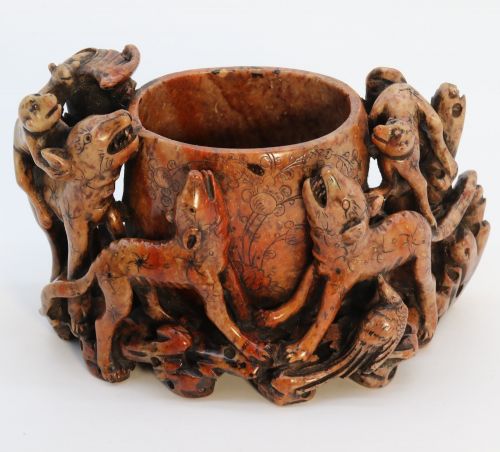
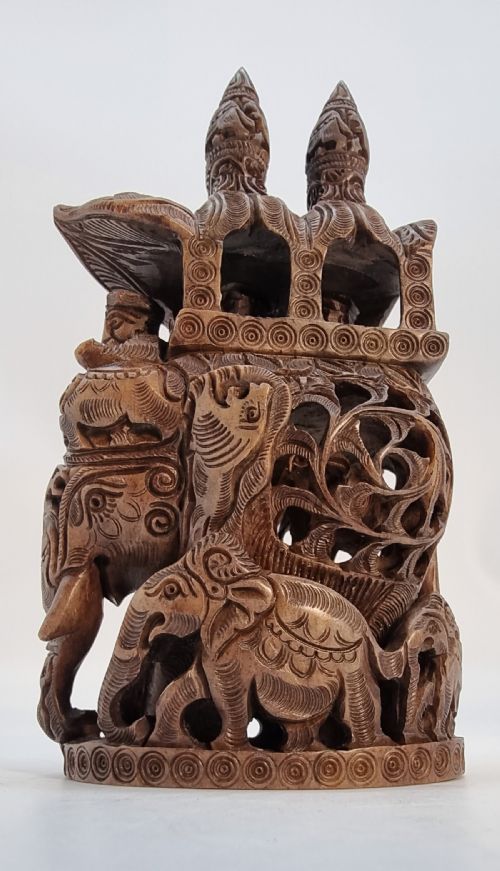
These hand carved soapstone pieces bring tactile depth and natural variation into a room, offering tactile animal figures, scholarly vessels, and scholarly seals.
Hand Carved Soapstone
When you search for hand carved soapstone, you are looking at tactile decorative carvings, animal groups, and scholarly objects shaped from soft talc-schist and related stone. The pieces on this page are predominantly Chinese works from the nineteenth and early twentieth centuries, spanning Qing dynasty objects, provincial studies, and traditional figures.
The forms range widely across domestic and scholarly functions, including brush pots, puzzle cups, desk seals, bookends, and figurative sculptures of sages, monkeys, elephants, and temple guard dogs. Alongside these Asian works, the selection includes African folk art portrait busts, demonstrating how different regional carvers utilised the softness of stone.
Most items date from the nineteenth century through to the 1930s, encompassing Victorian interpretations and traditional oriental styles. Buyers encounter everything from small cabinet seals to large statues, each retaining the distinct soapy feel and varied natural hues of the mineral.
What varies in quality
Quality rests upon the ambition of the carving and the depth of the relief, moving from simple mass-produced items to deeply undercut continuous landscapes and expressive figural groups. Superior examples demonstrate confident handling of complex anatomy, such as the muscle definition on a Shi Shi desk seal or the distinct expressions within a group of monkeys.
Hand Carved Soapstone Retail Price Guide 2026
Typical asking prices for hand carved soapstone among the pieces listed under this phrase on Sellingantiques today, from the lower quarter to the upper quarter. They describe what is for sale here now, not the wider market.
Materials appearing across these pieces include steatite, serpentine, verdite, and hardwood bases supporting carved stone figures.
The Hand Carved Soapstone Glossary
- Soapstone
- A metamorphic rock composed largely of talc, known for its soapy feel and softness that makes it amenable to intricate hand carving. It readily absorbs oils and polishes to a subtle sheen over time.
- Steatite
- A regional or mineralogical name for massive talc-schist used interchangeably with soapstone by carvers. It shares the same tactile qualities and relative ease of manipulation.
- Brush pot
- A cylindrical vessel traditionally used in Chinese scholarly settings to hold writing brushes. They are frequently carved from soapstone with continuous landscape scenes or figural motifs.
- Foo Dog
- A traditional guardian lion figure, often styled as a temple dog in pairs. These are commonly rendered in soapstone as desk seals or bookends.
- Seal
- A carved stamp or chop bearing inscriptions or imagery, often topped with figural sculptures like dragons or buddhas. They served official and personal sign-off functions in historical administrations.
Hand Carved Soapstone: Frequently Asked Questions
What is soapstone?
Soapstone is a talc-rich metamorphic rock that feels soft and soapy to the touch. Its composition allows artisans to carve intricate details with hand tools.
Because the stone is relatively soft, historical carvers could achieve deep undercuts and complex forms that harder stones would resist.
How were brush pots used?
Brush pots sat on scholar's desks to hold calligraphy brushes upright when not in use. They kept the workspace organised and displayed the owner's refined taste.
Carved soapstone versions often featured scenic landscapes or narrative carvings wrapping around the exterior cylinder.
How do I clean soapstone?
Clean soapstone gently with a soft dry cloth or a slightly damp cloth without harsh chemical detergents. The stone can absorb liquids and chemical cleaners due to its mineral composition.
Applying a light touch preserves the natural patina and historical surface finish developed over decades of handling.