

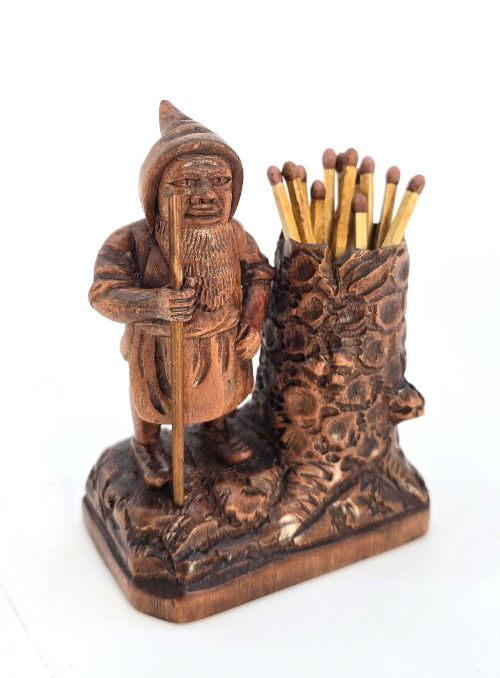
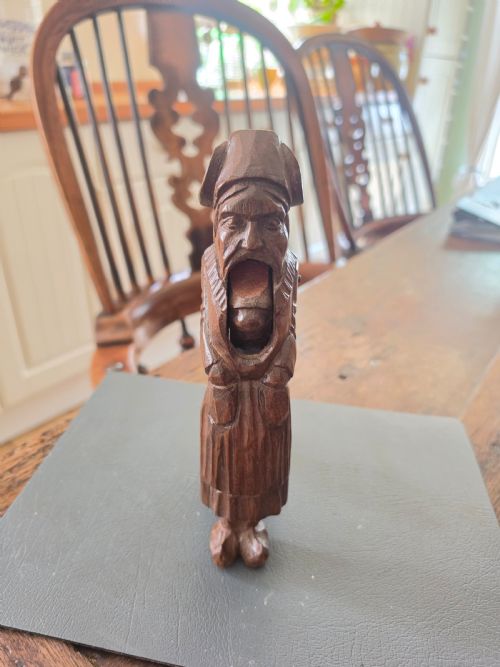
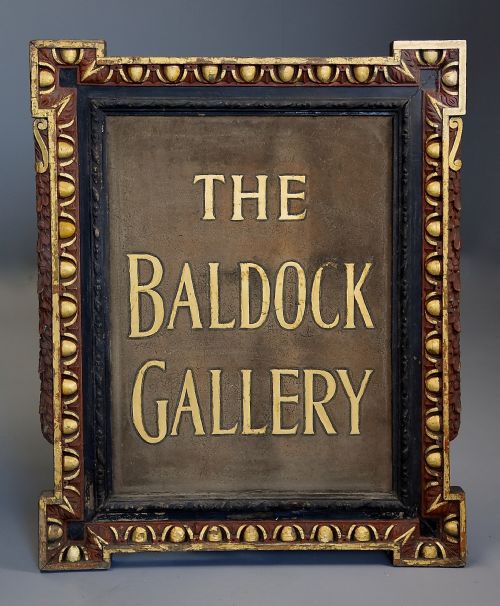


Hand Carved Sign
A hand carved sign brings genuine warmth and distinct character to a room through traditional craftsmanship and timber.
Hand Carved Sign
When you search for a hand carved sign, you encounter traditional trade displays, shop signage, and decorative boards spanning the nineteenth and early twentieth centuries. These items originated as functional commercial markers for galleries, pharmacies, and department stores, or as striking architectural elements.
The selections on this page predominantly reflect Victorian and Edwardian craftsmanship alongside rich folk art traditions. You find trade signs, pharmacy boards, and painted wooden displays fashioned from robust timbers.
These works range from large department store shop signs to intricate carved plaques and display boards. Their history is rooted in commercial utility, yet they survive today as decorative statements of historic craftsmanship.
How they were made
The makers of these items utilised traditional timbers such as oak, limewood, pearwood, and fruitwood, which were selected for their grain and stability. Artisans shaped these materials using hand gouges and chisels to achieve deep relief and precise lettering.
Surfaces were frequently finished with paint, gold leaf, and protective glazes to ensure legibility and visual impact in commercial settings. The combination of carved wood with hand-applied paint creates the distinct layered textures visible across the pieces.
Hand Carved Sign Retail Price Guide 2026
Typical asking prices for hand carved sign among the pieces listed under this phrase on Sellingantiques today, from the lower quarter to the upper quarter. They describe what is for sale here now, not the wider market.
The inventory includes items from the Victorian period through the 1920s, encompassing folk art and Rococo Revival styles.
What varies in quality
The distinction between standard commercial work and superior examples lies in the depth of the carving and the precision of the lettering. Finer pieces demonstrate confident hand execution and sophisticated handling of the wood grain.
Material choice and the preservation of original painted or gilded surfaces strongly influence the character of a piece. Well-preserved pigment and crisp lettering distinguish the more accomplished works from simpler utilitarian boards.
Boudewijn Tuerlinckx·L Blondie
The Hand Carved Sign Glossary
- Trade Sign
- A marker or board created to advertise a specific business, profession, or merchant establishment. These objects hung outside shops to draw the attention of passers-by.
- Gold Leaf
- Extremely thin gold beaten into sheets, utilised for gilding lettering and decorative elements on signs. This technique provided a weather-resistant and luminous finish.
- Folk Art
- Artistic work created within a traditional culture by self-taught or local artisans. In signage, it manifests in expressive, non-academic carving and painting styles.
- Limewood
- A pale, fine-grained timber favoured by carvers for its even texture and lack of pronounced grain. It permits intricate detail work without splitting.
Hand Carved Sign: Frequently Asked Questions
How were old trade signs used?
These signs were mounted outside shops, galleries, and pharmacies to identify the premises and advertise services to the public.
They served a purely functional purpose before being collected for their aesthetic and historical qualities.
Where should I hang a wooden sign?
Display these pieces on plain walls where the timber grain and carved details can stand out without visual competition.
Ensure they are kept away from direct heat sources to protect the historic wood and painted finishes.
How do I identify the period of a sign?
Examine the style of the lettering, the choice of timber, and the application of paint or gold leaf.
Victorian and Edwardian examples often display specific typographic conventions and traditional hand-tool marks.
Are these signs painted by hand?
Sign writers and artisans applied traditional paints and gold leaf by hand directly onto the timber substrates.
This manual process resulted in unique variations in the lettering and decorative motifs across each individual piece.