


Hand Carved Planter
A hand carved planter brings immediate weight and texture to a garden or interior, formed from heavy natural stone, sandstone, limestone or elm.
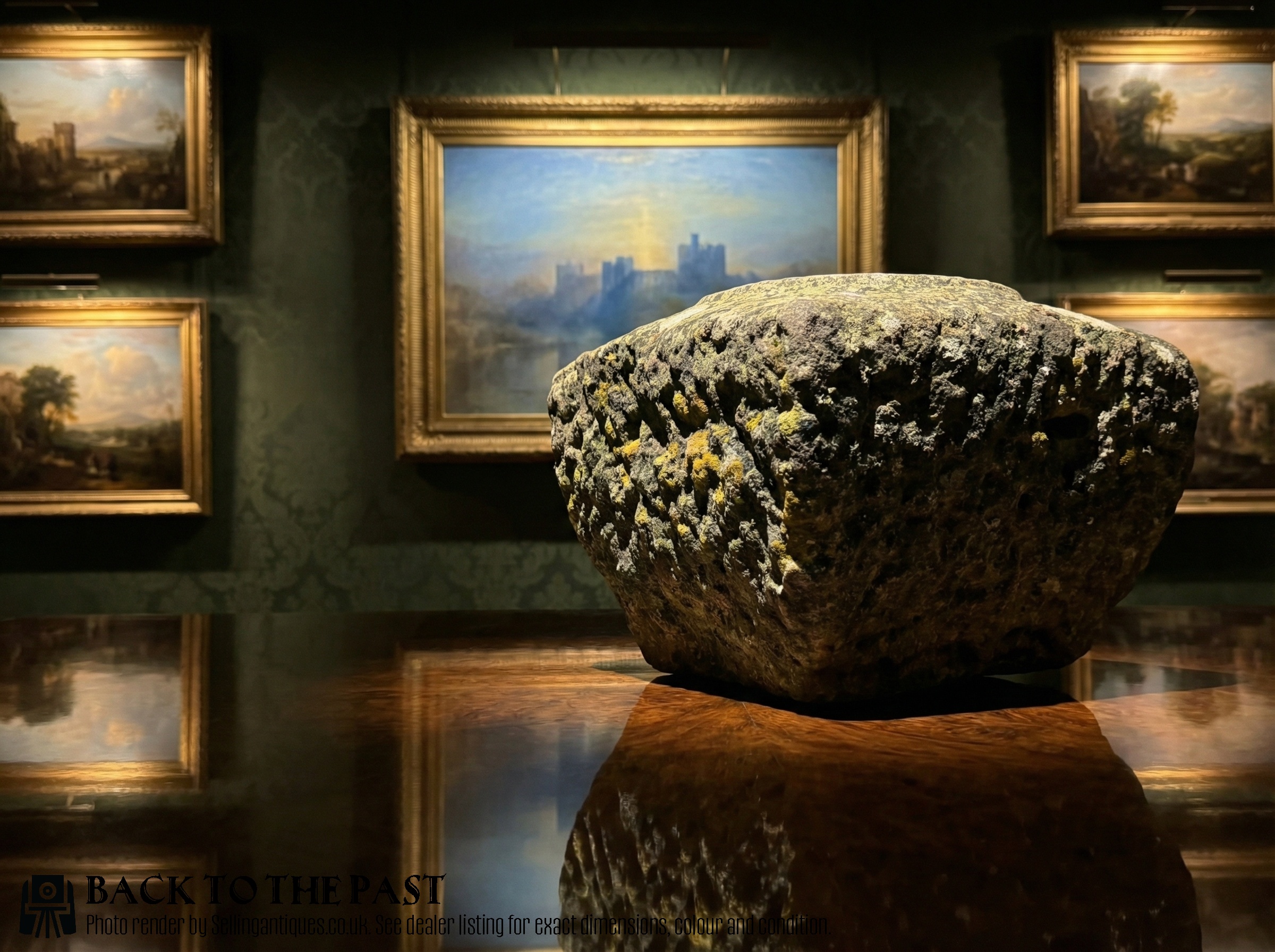
Hand Carved Planter
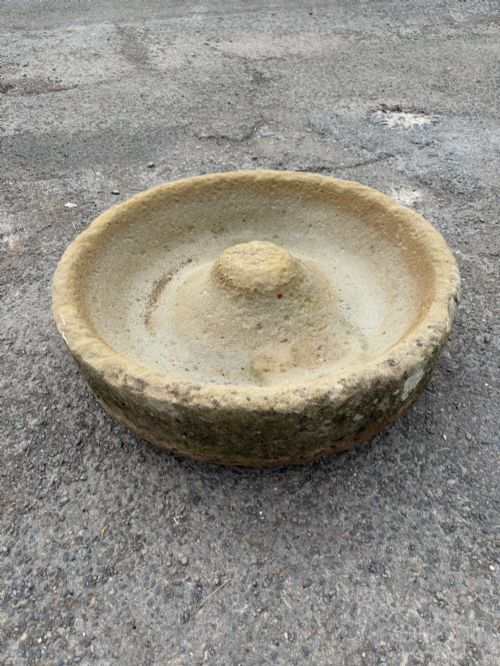
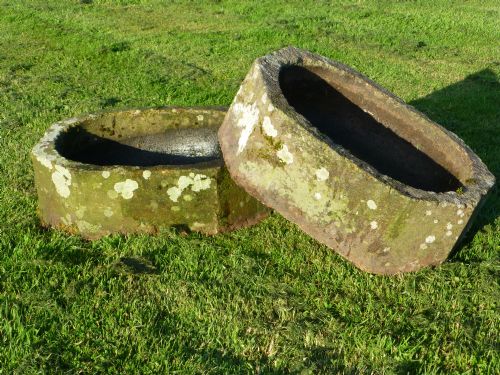
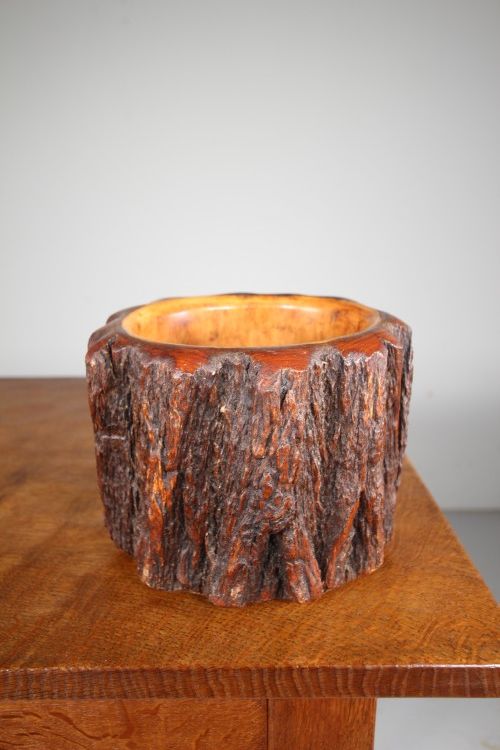
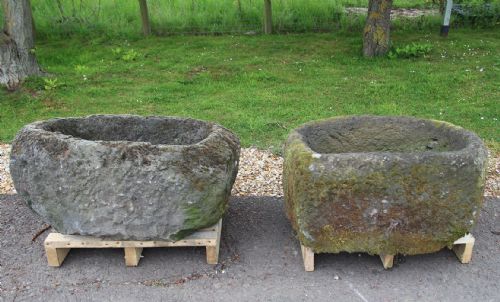
When you search for a hand carved planter, you encounter solid vessels shaped from gritstone, limestone, sandstone, and granite, alongside timber examples in Chinese elm and tree stem treen. The pieces on this page span several centuries, including 19th-century garden troughs, earlier stone mortars, and repurposed mill stone bases.
How they were made
Makers shaped these objects using direct hand-carving techniques on dense natural materials such as gritstone, Purbeck stone, granite, and limestone. The resulting surfaces display the heavy tool marks and weathering of centuries of outdoor exposure or functional indoor use.
Wooden iterations utilise native elm or organic tree stems and bark, relying on traditional hollowed construction rather than assembly. Stonework draws upon geological sources ranging from local quarries to historic architectural salvage.
Listings feature natural stone, sandstone, limestone, elm, and bark across 17th-century and 19th-century periods.
What varies in quality
Quality rests in the integrity of the material and the character of the hand-carving rather than smooth uniformity. Dense stones like granite and gritstone hold crisp tool work and weather differently than softer limestones.
Provenance and materiality elevate certain vessels, such as pieces reclaimed from specific historical structures or large-scale Chinese elm mortars. The visual balance of the proportions and the depth of the interior cavity dictate the visual weight of the piece.
The Hand Carved Planter Glossary
- Gritstone
- A coarse-grained sandstone traditionally used in heavy masonry and agricultural troughs. It weathers with deep patination and strong surface texture.
- Mortar
- A heavy bowl or vessel historically used for pounding grain or materials, often repurposed as a planter due to its thick walls and stable base.
- Mill stone base
- The lower stationary stone of a mill assembly, reused in gardens for its flat profile and circular mass.
Hand Carved Planter: Frequently Asked Questions
Are stone planters frost proof?
Dense natural stones such as granite, gritstone, and Purbeck stone generally withstand freezing temperatures well due to their low porosity. However, standing water left inside any heavy vessel can expand during hard frosts.
Ensuring adequate drainage through the base helps protect the stone from internal pressure and winter damage.
How do I date a stone trough?
Dating relies on tool marks, the geological type of the stone, and the overall proportions of the vessel. 19th-century examples often exhibit regular chiselling, while earlier vernacular pieces show broader, irregular hand-hewn facets.
Comparing the manufacturing style with known architectural contexts provides further clues to the period.
Can I use wooden planters indoors?
Wooden pieces such as Chinese elm mortars and treen bowls sit comfortably inside domestic spaces as decorative objects or dry storage. Timber reacts to interior humidity changes, so lining them protects the original wood if used for live plants.
Keeping them away from direct heat sources preserves the historic dry timber.
What is a grindstone used for?
Grindstones originally functioned in agricultural or industrial milling to sharpen tools or grind grain. In a modern garden, their heavy circular form serves as a striking plinth or sculptural base.
The central bore often accommodates drainage for planting schemes.